How To Get Car Unstuck From Snow Fix Your Car Stuck in 2026
Last Updated on September 1, 2026 by Albert Duke
When your car gets stuck in snow, the primary goal is to safely and efficiently regain traction to move the vehicle. This typically involves clearing snow around tires, using gentle rocking motions, and employing traction aids.
To get your car unstuck from snow, you must first assess the situation, then strategically clear snow and ice, and finally apply traction or rocking methods. This practical guide will walk you through proven techniques to safely free your vehicle from winter’s grip, providing peace of mind and self-sufficiency on the road. Facing a stuck car in snowy conditions can be daunting, but with the right approach, you can resolve the issue effectively. Our 2026 expert guide is designed to empower drivers with actionable steps. Before attempting any maneuvers, understanding the initial steps can prevent further complications.
Key Takeaways


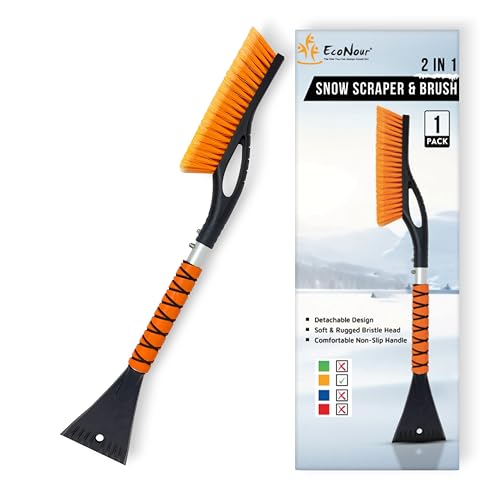

- Prioritize safety and assess surroundings.
- Clear snow and ice from under and around tires.
- Use a gentle rocking motion to gain momentum.
- Utilize traction aids like mats, sand, or cat litter.
- Avoid spinning tires, as it worsens the situation.
What to Check First When Your Car Is Stuck?

When your car becomes stuck in snow, the immediate priority involves a quick, thorough assessment to ensure safety and understand the challenge. Before attempting to move your vehicle, take a moment to evaluate your surroundings and the specific predicament. This crucial initial phase helps prevent further complications or personal injury. It also helps you determine the best course of action for freeing your car.
Clear Vehicle Exhaust
A blocked exhaust pipe can lead to deadly consequences. Snow or ice can easily pack around your tailpipe when your car is deeply embedded. This blockage can allow carbon monoxide, a colorless and odorless gas, to enter your vehicle’s cabin. Always ensure the exhaust pipe is completely clear before running your engine, even briefly. The Occupational Safety and Health Administration (OSHA) and Centers for Disease Control and Prevention (CDC) offer comprehensive guidelines on carbon monoxide poisoning prevention, emphasizing this critical check .
Inspect for Damage
Once the exhaust is clear, quickly scan for any potential damage. Check under your car for broken or detached components, especially if you felt a jolt or heard scraping sounds. Look at your tires, wheels, and suspension for visible issues. Driving with existing damage can exacerbate the problem or create new, more severe issues. Address any immediate concerns before attempting a rescue.
Evaluate Tire Grip
Observe which tires are stuck and how deeply. Note if they are spinning freely or if they have any purchase on the snow or ice. This assessment helps determine if you need to clear more snow, add traction aids, or consider a different method. Understanding the current grip level guides your subsequent actions toward gaining momentum.
Once you have assessed the situation and ensured your immediate safety, several practical methods can help you free your vehicle.
3 Effective Methods to Get Your Car Unstuck
After initial checks, employing specific strategies can effectively get your car unstuck from snow by improving traction and momentum. These techniques focus on removing obstacles and creating the necessary grip for your tires to move the vehicle forward or backward. You will find that a combination of these methods often yields the best results.
Shovel Snow Away
The most fundamental step is to remove as much snow as possible. Use a sturdy shovel to clear snow from around the drive wheels (front for front-wheel drive, rear for rear-wheel drive, all for all-wheel drive). Dig snow from underneath the vehicle chassis if it is high-centered. Create clear paths in the direction you intend to move, both in front of and behind your tires. This reduction in resistance is key.
Rock Vehicle Gently
The rocking technique involves shifting between drive (D) and reverse (R) gears in a controlled, gentle manner. Apply light acceleration in one direction, then quickly shift to the opposite gear and apply light acceleration again. The goal is to build momentum incrementally, extending the vehicle’s movement with each rock. The optimal tire angle for rocking involves keeping your wheels as straight as possible to maximize forward or backward force. Avoid aggressive spinning, as this only digs you in deeper.
Create Tire Path
Once some snow is cleared, consider creating a slightly longer, firm path for your tires. You can use your shovel to pack down snow or chip away ice, forming a small ramp or trench. This provides a more consistent surface for your tires to roll over. For vehicles with higher clearance, sometimes just flattening the snow in front of the tires is enough to get you moving.
Sometimes, manual effort and rocking are not enough; that is when simple household items can become your best allies.
How to Use Household Items for Traction

When conventional methods fall short, various household items can provide the necessary traction to get your car unstuck from snow. These readily available materials can offer that critical grip your tires need to break free. It is always wise to keep some of these items in your trunk during winter months as part of your car emergency kit.
Place Mats Under Tires
Your car’s floor mats, especially rubber ones, can serve as excellent traction aids. Place them firmly under the drive wheels, positioned just ahead of the tire in the direction you want to move. Ensure the mat extends slightly under the tire to prevent it from shooting out. Drive slowly and steadily, aiming to roll over the mat rather than spinning on it.
Sprinkle Sand or Salt
Coarse sand or road salt can significantly increase traction on icy or snowy surfaces. Sprinkle a generous amount directly in front of and behind your drive wheels. The granular nature of sand provides friction, while salt helps melt ice, creating a rougher surface. Non-clumping cat litter, with its absorbent and gritty properties, can also work wonders in similar fashion.
Use Cat Litter
Non-clumping clay cat litter is surprisingly effective for traction. Its rough, granular texture provides immediate grip, and its absorbent qualities can help dry out melting snow. Pour a good amount directly under and in front of your drive tires. Be sure to use the non-clumping variety, as clumping litter can turn into a slippery paste when wet.
While these methods are often effective, drivers can unknowingly make mistakes that hinder progress or even cause damage.
5 Critical Mistakes Drivers Make in Snow
Understanding and avoiding common mistakes is crucial when trying to get your car unstuck from snow, preventing further complications or danger. Many drivers, in a moment of panic, resort to actions that make their situation worse or put themselves at risk. Being aware of these pitfalls will save you time, effort, and potential repair costs.
Spinning Tires Aggressively
Aggressively spinning your tires is perhaps the most common and counterproductive mistake. This action melts the snow underneath your tires, which then refreezes into a slick sheet of ice. This reduces traction to near zero and digs your vehicle deeper into the snow. According to automotive engineering and winter driving safety experts, gentle, consistent pressure is always better than frantic spinning .
Over-Exerting Engine
Repeatedly flooring the gas pedal puts immense strain on your engine and transmission. It can lead to overheating, costly component failure, or even a breakdown. Always use minimal and consistent throttle input when attempting to free your vehicle. Listen to your engine and stop if you notice any strange noises or burning smells.
Pushing Car Solo
Attempting to push a stuck car by yourself, especially in deep snow, is dangerous. You could slip and fall, or the vehicle could lurch unexpectedly. If you must push, ensure there are at least two people, and one person is inside the car controlling the steering and pedals. Always push from a safe, stable position, avoiding the rear if the exhaust is active.
Ignoring Exhaust Safety
As mentioned earlier, neglecting to clear your exhaust pipe can be fatal. Running the engine, even for warmth, with a blocked exhaust can quickly fill the passenger cabin with carbon monoxide. Always double-check that your tailpipe is completely unobstructed before starting the engine. Staying vigilant about carbon monoxide is a vital safety measure for any winter driving scenario.
Forgetting Essentials
Getting stuck highlights the importance of a well-equipped vehicle. Forgetting to carry essential winter items, such as a shovel, sand/cat litter, warm blankets, and a fully charged phone, leaves you vulnerable. A proper car emergency kit can mean the difference between a minor inconvenience and a serious roadside situation. Keep your kit updated for winter conditions.
Despite your best efforts and careful avoidance of these mistakes, some situations warrant professional intervention.
When to Call for Professional Towing Service
Knowing when to call for professional towing service is a critical decision when your car remains stuck in snow, prioritizing both personal safety and vehicle protection. There comes a point where continued attempts to self-rescue become counterproductive or even dangerous. Recognizing this threshold is essential for a responsible driver.
Exhaust All Methods
You should consider calling for help once you have genuinely exhausted all safe and practical self-rescue methods. This includes clearing snow, gentle rocking, and using all available traction aids. If your car is still immobile after a concerted effort, it is time to reassess. Persistent attempts beyond this point risk damage to your vehicle or injury to yourself.
Prioritize Personal Safety
Your personal safety must always be the top concern. If the weather conditions are deteriorating rapidly, you are in a remote or unsafe location, or you are feeling unwell, do not hesitate to call for assistance. Sitting in a stranded vehicle in extreme cold for extended periods can lead to hypothermia or frostbite. Contacting emergency services or roadside assistance ensures your well-being.
Confirm Major Damage
If you suspect significant damage to your vehicle, such as a bent axle, transmission issue, or broken suspension component, stop trying to move it immediately. Forcing a damaged car can turn a repairable problem into a total loss. A professional tow truck operator can safely remove your vehicle without causing further harm. Winter weather conditions contribute to a significant percentage of roadside assistance calls annually, with organizations like AAA often reporting spikes during heavy snowfall .
Common Questions About Getting Unstuck
What Items Should I Keep in My Car for Snow Emergencies?
You should keep a shovel, a bag of sand or cat litter, traction mats, jumper cables, a flashlight, warm blankets, and a first-aid kit. These supplies prepare you for unexpected snow-related vehicle issues and ensure your safety during winter driving conditions in 2026.
Is It Safe to Get Out of My Car If It’s Stuck in Snow on a Busy Road?
It is generally not safe to exit your car on a busy road, especially during low visibility. Remain inside your vehicle with your seatbelt fastened, turn on your hazard lights, and call for assistance. Only exit if there is an immediate, unavoidable danger to your life.
Can I Use Cardboard Boxes for Traction?
Yes, you can use cardboard boxes for temporary traction. Place flattened pieces directly under the drive wheels. While not as effective or durable as traction mats or sand, cardboard can offer just enough grip to help you move a short distance out of light snow.
How Do I Prevent My Car From Getting Stuck in Snow Next Time?
Prevent getting stuck by using appropriate tire types for snow, driving slowly, increasing following distance, and avoiding sudden braking or acceleration. Check weather forecasts, plan routes carefully, and ensure your vehicle is well-maintained for winter conditions.
What’s the Best Way to Get a Front-wheel-drive Car Unstuck From Snow?
For a front-wheel-drive car, focus on getting traction to the front wheels. Clear snow, place traction aids like mats or sand in front of the drive tires, and gently rock the vehicle. Avoid excessive steering or spinning the wheels, which reduces grip significantly.
Ready for Any Winter Road
Successfully getting your car unstuck from snow relies on a systematic approach, combining careful assessment with practical action. We have covered the critical steps from initial safety checks and clearing snow to employing effective traction methods and knowing which common mistakes to avoid. Ultimately, prioritizing safety and recognizing when professional help is necessary are paramount. Equipping your vehicle with an emergency kit, including items for winter driving tips, allows you to face snowy challenges with confidence and preparedness in 2026.