How Long Do Audis Last? Lifespan, Mileage & Maintenance
Last Updated on September 1, 2026 by Ryan
A well-maintained Audi can typically last between 150,000 to 200,000 miles or more, often exceeding 10-15 years of service. Longevity heavily depends on consistent preventative maintenance, driving conditions, and the specific model, emphasizing that meticulous care is paramount for extended life.
🎯 Key Takeaways
Recommended Best Deal Products


- Consistent maintenance is vital for Audi longevity.
- Expect Audis to last 150,000-200,000+ miles.
- Aggressive driving shortens vehicle lifespan.
- Some Audi models show greater reliability.
- Budget for preventative care and higher mileage repairs.
Audi vehicles, renowned for their engineering and luxury, are built to last. When given proper care and attention, you can realistically expect your Audi to deliver reliable performance for 150,000 to 200,000 miles, with many examples comfortably exceeding 250,000 miles. This often translates to 10-15 years of ownership, or even more for those who drive less frequently.

Audible — Listen Free for 30 Days
One free credit a month and thousands of titles included.
Listen Free for 30 Days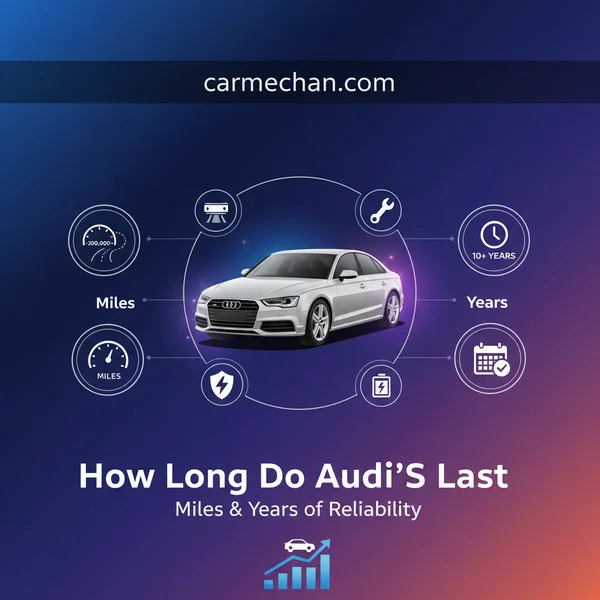
Understanding this potential longevity is crucial. It empowers you to make smarter purchasing decisions, manage your ownership expectations, and plan your maintenance budget effectively. Maximizing your Audi’s lifespan means enjoying its premium experience for many years to come, truly getting the most out of your investment.
Understanding Audi Lifespan: Miles and Years
The 150,000 to 200,000 Mile Benchmark
Most luxury vehicles, including Audis, are engineered with durability in mind, designed for significant mileage. You should realistically expect your Audi to reach at least 150,000 miles without major component failure if you consistently adhere to its recommended service schedule. Many dedicated owners regularly report their vehicles comfortably surpassing the 200,000-mile mark, with impressive anecdotes of Audis approaching 300,000 miles still running strong. This consistent performance and enduring quality are clear testaments to Audi’s robust engineering and the use of high-quality components throughout their lineup.
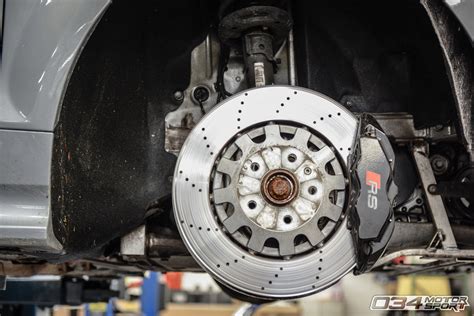
For instance, the widely popular 2.0T engine, found in models like the A4, A5, and Q5, is well-regarded for its longevity when maintained correctly. Even more complex powertrains, such as the V6 and V8 engines found in performance-oriented S and RS models, can achieve similar mileage, provided their specific, often more rigorous, maintenance requirements are meticulously met. This proves that consistent care is more critical than engine size or complexity.
Translating Miles to Years: The Maintenance Factor
While mileage is often the primary metric for vehicle lifespan, years of ownership are equally important, particularly for Audis driven fewer miles annually. An Audi driven 10,000 miles per year could easily reach 150,000 miles in 15 years. However, even low-mileage vehicles require consistent attention. Components like rubber bushings, seals, hoses, and various fluids degrade naturally over time, irrespective of the miles accumulated. Electrical systems and interior materials also show age with prolonged exposure.
Crucially, your Audi’s ultimate longevity hinges on preventative and proactive maintenance. Systematically skipping routine oil changes, ignoring minor warning lights, or opting for sub-par replacement parts will drastically shorten its operational life. Conversely, diligently following the manufacturer’s precise service schedule, exclusively using genuine or OEM (Original Equipment Manufacturer) parts, and promptly addressing any emerging issues will significantly extend your vehicle’s lifespan. Consider regular service an essential investment that prevents much larger, costlier failures down the road, ensuring long-term reliability.
- Regular synthetic oil and filter changes at recommended intervals.
- Timely transmission fluid service, especially vital for S-Tronic/DSG units.
- Brake fluid flushes and comprehensive coolant system checks.
- Spark plug and ignition coil pack replacements per service schedule.
- Inspection and replacement of timing belts or chains, if applicable to your engine.
Key Factors Influencing an Audi’s Longevity
Recommended Best Deal Products


Model Reliability and Engine Type
While Audi’s overall quality standards are high, it’s worth noting that not all Audi models or specific engine generations exhibit identical long-term reliability trends. For instance, early iterations of the 2.0T engine (B7/B8 generation) were known for higher oil consumption, which, if not regularly monitored and topped off, could potentially impact engine longevity. Subsequent generations largely addressed these specific concerns, demonstrating continuous improvement. Similarly, high-performance S and RS models, featuring intricate forced-induction engines and advanced drivetrain components, may necessitate more specialized and frequent maintenance than a more straightforward, naturally aspirated base A3 or A4. Their complex systems often demand premium fuel and dedicated care.
Diesel engines, particularly Audi’s TDI units, are often celebrated for their exceptional longevity and durability, designed for high mileage and robust torque output. They frequently outlast their petrol counterparts, provided their specific emissions systems—like the Diesel Particulate Filter (DPF) and AdBlue systems—are correctly maintained and serviced. Researching the reliability trends for your specific Audi model year and engine type can offer valuable insights into potential long-term ownership costs and realistic lifespan expectations.
Driving Habits and Environmental Conditions
How you consistently drive your Audi profoundly impacts its ultimate lifespan. Aggressive driving, characterized by frequent hard accelerations and sudden braking, puts considerable stress on the engine, transmission, brakes, and suspension components. Similarly, a pattern of predominantly short trips, which prevents the engine from consistently reaching its optimal operating temperature, can lead to increased wear and carbon buildup. Conversely, gentle highway cruising is generally less demanding on mechanical parts and contributes to greater longevity.

Prime for Young Adults — 6 Months Free
Students and 18–24s get six months of Prime free, then half price.
Start 6 Months FreeEnvironmental factors also play a significant role. Vehicles regularly exposed to harsh winter conditions, corrosive road salt, extreme summer heat, or very dusty environments will naturally experience accelerated wear and potential corrosion. For example, an Audi continuously operated in a rust-prone region will benefit from more frequent undercarriage washes and dedicated rust prevention treatments. In contrast, a vehicle driven primarily in temperate climates with mostly highway miles will generally fare better and retain its condition longer. Parking your Audi in a garage, when feasible, further protects both exterior finishes and interior materials from damaging UV rays and temperature extremes.
Maximizing Your Audi’s Service Life and Value
Extending your Audi’s lifespan beyond average expectations isn’t just about luck; it’s a direct result of consistent, thoughtful care. By being proactive, you can ensure your German-engineered vehicle continues to deliver its renowned performance and luxury for many years and miles.
📤 Share
💾 Download
Adhering to the Maintenance Schedule
The single most impactful action you can take is to follow Audi’s recommended service schedule to the letter. These intervals, typically every 10,000 miles or annually, are designed to address wear and tear before it becomes a serious problem. It’s not just about oil changes; it’s a comprehensive check-up.
- Regular Fluid Checks: Beyond engine oil, transmission fluid, brake fluid, and coolant all have specific replacement intervals critical for component health.
- Filter Replacements: Air filters (engine and cabin), fuel filters, and oil filters prevent contaminants from harming vital systems.
- Using Genuine Parts: Opting for OEM (Original Equipment Manufacturer) or high-quality aftermarket parts ensures compatibility and durability, preventing premature wear on interconnected systems.
Proactive Care and Driving Habits
How you drive and store your Audi also significantly influences its longevity. Gentle driving reduces stress on the engine, transmission, brakes, and suspension components, extending their life.
- Smooth Driving: Avoid aggressive acceleration and sudden, hard braking. This minimizes wear on the engine, transmission, tires, and brake system.
- Heeding Warning Lights: Never ignore a check engine light or any other warning indicator. These are your Audi’s way of telling you something needs attention, often before it becomes a costly repair.
- Protecting from Elements: Parking in a garage or using a car cover protects your vehicle’s paint, interior, and rubber components from harsh sun, rain, and extreme temperatures.
- Regular Cleaning: Keeping your Audi clean, especially underneath, can prevent rust and corrosion, particularly in regions that use road salt.
High-Mileage Audi Ownership: Expectations and Costs
Owning a high-mileage Audi can be a rewarding experience, showcasing the brand’s engineering prowess. However, it’s crucial to approach this stage with realistic expectations regarding potential maintenance and repair costs. While Audis are built to last, components do have finite lifespans.
Common Wear Items and Potential Repairs
As an Audi accumulates miles, certain components naturally reach the end of their service life and will require attention. These aren’t necessarily failures but rather expected wear items.
- Suspension Components: Bushings, control arms, and struts/shocks often wear out, leading to a less composed ride or noise.
- Timing Belt/Chain: Depending on your Audi’s engine, the timing belt (or chain in some models) is a critical component that requires periodic replacement to prevent catastrophic engine damage.
- Water Pump: A common failure point in many vehicles, the water pump ensures proper engine cooling.
- Turbochargers: For turbocharged Audi models, the turbocharger can eventually wear out, especially if oil changes were neglected.
- Electrical Gremlins: Sensors, modules, and wiring can occasionally experience issues as they age, sometimes leading to dashboard warning lights or intermittent functionality problems.
Budgeting for Longevity
To comfortably own a high-mileage Audi, financial preparedness is key. Thinking ahead about potential expenses allows you to address issues promptly, preventing them from escalating.
- Emergency Fund: Set aside a dedicated fund for unexpected repairs. Even with diligent maintenance, some components will eventually fail.
- Trusted Independent Specialist: While dealership service provides expertise, an independent Audi specialist often offers comparable quality work at a more competitive labor rate. Building a relationship with a reputable shop is invaluable.
- Pre-Purchase Inspection: If you’re considering buying a high-mileage Audi, a thorough pre-purchase inspection by an independent mechanic can highlight any immediate or impending issues, giving you leverage for negotiation or helping you avoid a problematic vehicle.
- Extended Warranties: For some owners, an extended warranty can offer peace of mind against major component failures, especially for complex and costly repairs like transmissions or engine work. Carefully research what these warranties cover.
The Road Ahead for Your Audi
Ultimately, an Audi’s lifespan is a testament to its engineering and your commitment to its care. With diligent adherence to maintenance schedules, smart driving habits, and an understanding of potential high-mileage costs, your Audi can confidently reach and surpass the 200,000-mile mark, delivering years of driving pleasure.
Don’t just drive your Audi; invest in its longevity. Get regular inspections and partner with a reliable mechanic who understands these sophisticated machines. Embrace the journey and enjoy every mile your well-maintained Audi has to offer.

Prime Gaming — Free In-Game Loot
Free monthly games, in-game content and a Twitch channel sub.
Claim Free Loot❓ Frequently Asked Questions
What’s the realistic expected lifespan for a typical Audi vehicle?
Realistically, a well-maintained Audi can serve its owner for 150,000 to 200,000 miles, often stretching past 10-15 years. This assumes adherence to the manufacturer’s service schedule and addressing issues promptly, rather than neglecting them or performing deferred maintenance.
How crucial is regular maintenance to an Audi’s longevity?
Regular and preventative maintenance is paramount, often being the single biggest factor in how long an Audi lasts. Adhering to fluid changes, timing belt/chain service intervals, and addressing minor issues before they escalate significantly extends the vehicle’s lifespan and reliability.
Do certain Audi models or engine types tend to last longer?
While overall longevity is high, some Audi models and engine types might exhibit slightly different reliability trends due to their design or complexity. Generally, robust engines, simpler systems, and diligent maintenance on any model contribute more to lasting longer than specific model distinctions alone.
What are common maintenance concerns or potential issues for Audis as they age?
As Audis age, common concerns often include oil leaks from seals and gaskets, wear in suspension components, timing chain/belt service (if applicable), and electrical issues, especially related to sensors. Addressing these proactively through inspection and preventative replacement is key to continued reliability.
Is investing in repairs for an older, high-mileage Audi worthwhile?
Deciding whether to repair an older Audi depends on its overall condition, complete service history, and the cost of the repair versus the car’s current market value. If the car has been exceptionally well-maintained and the repair addresses a known weakness, it can often be a worthwhile investment to extend its life further, offering continued driving enjoyment.
How does driving style impact an Audi’s overall lifespan?
Driving style plays a significant role in an Audi’s lifespan; gentle acceleration, smooth braking, and avoiding excessive short trips reduce wear and tear on critical components like the engine, transmission, and brakes. Aggressive driving puts undue stress on these parts, potentially leading to premature failures and a considerably shorter vehicle life.