How Many Miles Does a Honda Accord Last? Lifespan & Longevity
Last Updated on September 1, 2026 by Ryan
Honda Accords are renowned for their exceptional reliability and longevity, with many models easily reaching 200,000 to 300,000 miles or more with proper care. Consistent maintenance and good driving habits are key to maximizing your Accord’s impressive lifespan.
🎯 Key Takeaways


- Honda Accords often exceed 200,000 miles with diligent care.
- Regular, scheduled maintenance is crucial for longevity.
- Gentle driving habits extend your Accord’s lifespan significantly.
- Address minor issues promptly to prevent major problems.
- Using quality parts and fluids maintains peak performance.
One of the most common questions for prospective and current Honda Accord owners is simply: “How many miles can I expect this car to last?” The good news is that a well-maintained Honda Accord can reliably last between 200,000 and 300,000 miles, with many dedicated owners reporting their vehicles exceeding this impressive range. This longevity is a hallmark of the Accord, cementing its reputation as a smart, long-term investment.

Understanding this potential lifespan is crucial. It helps you assess value, plan for future car purchases, and appreciate the importance of proper care for your vehicle. For many, an Accord isn’t just a car; it’s a dependable companion that can cover hundreds of thousands of miles with consistent performance.
Understanding the Honda Accord’s Lifespan Potential
The Expectation: 200,000 to 300,000 Miles and Beyond
The Honda Accord has long been synonymous with durability. When we talk about how many miles an Accord can get, the consensus from mechanics, industry experts, and long-time owners points to a robust lifespan. Reaching 200,000 miles is often considered the baseline for a properly cared-for Accord. Many models comfortably push past 250,000 miles, and it’s not uncommon to see vehicles approaching or even exceeding 300,000 miles still performing admirably on the road.
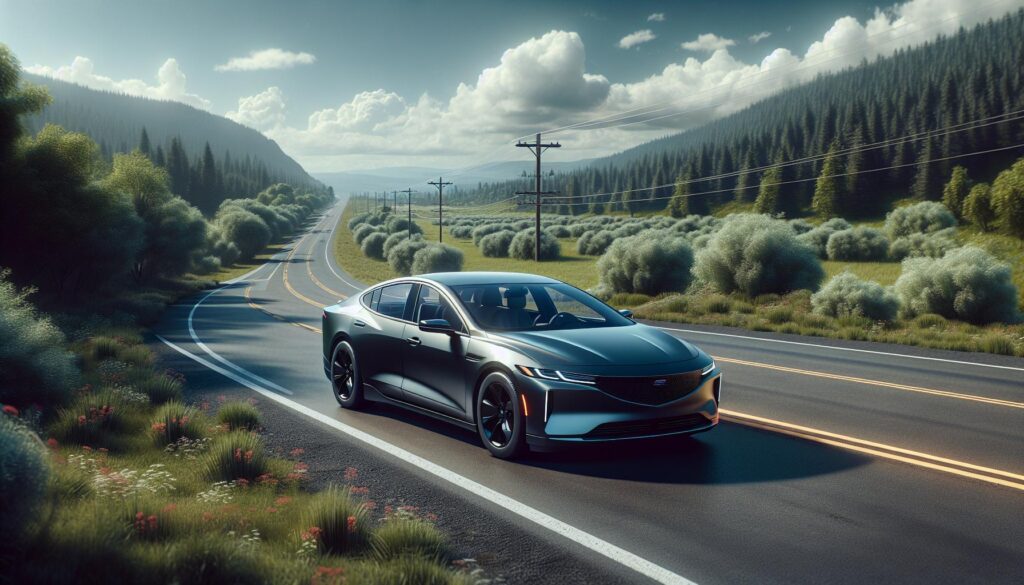
This remarkable potential isn’t just for older, simpler models. Modern Accords, with their advanced engineering and materials, continue this tradition of endurance. While every car has its limits, the Accord consistently demonstrates an ability to withstand the rigors of daily driving for an extended period, offering incredible value over its lifetime. Your Accord is built for the long haul, ready to rack up significant mileage if given the attention it deserves.
Why Accords Excel in Longevity
The Accord’s extended lifespan isn’t accidental; it’s a direct result of Honda’s commitment to quality engineering and reliable components. Several core elements contribute to this exceptional longevity:
- Robust Powertrains: Honda engines and transmissions are renowned for their durability. They are designed and built to tight tolerances, often capable of handling high mileage without major overhauls when properly maintained.
- Quality Manufacturing: From the chassis to the smallest electrical component, Accords are assembled with attention to detail, minimizing common points of failure seen in less durable vehicles.
- Accessible Parts and Service: Because Accords are so popular, parts are readily available and affordable, making routine maintenance and necessary repairs less burdensome, which in turn encourages owners to keep their vehicles on the road longer.
- Conservative Design Philosophy: While innovative, Honda often prioritizes proven technologies and designs that enhance reliability rather than rushing unproven complex systems into production. This thoughtful approach translates into fewer unexpected issues over time.
These factors combine to create a vehicle that isn’t just enjoyable to drive but also remarkably resilient, making the Honda Accord a top choice for those seeking a car that truly lasts.
Key Factors Influencing Your Accord’s Mileage
The Cornerstone: Consistent Maintenance
The single most important factor determining how many miles your Honda Accord will last is its maintenance history. You can own the most durable car on the planet, but neglecting its basic needs will significantly shorten its life. Think of maintenance as preventative medicine for your car; it keeps small issues from becoming catastrophic failures. Skipping services might save you a little money now, but it will inevitably cost you far more in major repairs down the line, drastically reducing your Accord’s potential lifespan.
Here are critical maintenance areas that directly impact your Accord’s longevity:
- Regular Oil Changes: Adhere to your Accord’s recommended oil change schedule using the correct type and viscosity of oil. Fresh oil lubricates critical engine components, prevents excessive wear, and dissipates heat. This is non-negotiable for engine health.
- Fluid Checks and Changes: Your Accord relies on many fluids. This includes transmission fluid, brake fluid, coolant, and power steering fluid. Regularly checking levels and changing these fluids as per Honda’s schedule prevents component wear, overheating, and system failures.
- Filter Replacements: Air filters (engine and cabin) and fuel filters keep impurities out of vital systems. Clean filters ensure optimal engine performance, protect components, and improve fuel efficiency over time.
- Timing Belt/Chain Service: If your Accord model has a timing belt, replacing it at the recommended mileage (typically around 90,000-105,000 miles) is crucial. A broken timing belt can cause catastrophic engine damage. Models with timing chains generally require less frequent service but still benefit from regular inspection.
- Brake and Tire Care: While not directly engine-related, well-maintained brakes and properly inflated, rotated tires ensure your car handles safely and reduces strain on other components.
Following Honda’s factory maintenance schedule is your best strategy for reaching 200,000, 300,000, or even more miles with your Accord. It’s an investment that pays dividends in extended reliability and peace of mind.
Driving Habits and Environment Matter
Beyond maintenance, how you drive your Accord and the conditions it operates in significantly affect its lifespan. Your driving style directly impacts the wear and tear on crucial components, while environmental factors can accelerate degradation.
- Gentle Driving Style: Aggressive driving—frequent hard acceleration, sudden braking, and high-speed cornering—puts immense stress on your Accord’s engine, transmission, brakes, and suspension. A smoother, more gradual driving style reduces wear, conserves fuel, and extends component life.
- Highway vs. City Driving: Highway miles are generally “easier” on a car than city miles. Constant stop-and-go traffic in urban environments leads to more wear on the engine (due to frequent idling and acceleration), transmission (more shifts), and brakes. Highway driving, with its consistent speeds and fewer stops, subjects components to less stress.
- Environmental Conditions: Extreme temperatures, both hot and cold, can impact your Accord. Road salt used in winter climates can accelerate rust on the undercarriage and body, affecting structural integrity over time. Parking your car in a garage can protect it from harsh weather elements, prolonging the life of paint, seals, and preventing sun damage to interior plastics.
- Load and Towing: Consistently hauling heavy loads or towing above your Accord’s specified capacity places undue strain on the engine, transmission, brakes, and suspension. This can lead to premature wear and potential failures.
By being mindful of how you drive and where your car is kept, you can further enhance your Honda Accord’s remarkable longevity, helping it achieve its full mileage potential.
Maximizing Your Honda Accord’s Longevity: Expert Tips
While the Honda Accord is engineered for durability, its ultimate lifespan largely hinges on how well you care for it. Think of it like investing in your car’s future – a little effort now can mean many more reliable miles down the road.
Prioritize Regular, Preventative Maintenance
The single most important factor in extending your Accord’s life is adhering to its recommended maintenance schedule. This isn’t just about fixing things when they break; it’s about preventing them from breaking in the first place.
- Oil Changes: Stick to your Accord’s specific oil change intervals, typically every 5,000-7,500 miles for conventional oil or 7,500-10,000 miles for synthetic. Fresh oil lubricates critical engine components, preventing premature wear.
- Fluid Checks and Changes: Don’t overlook transmission fluid, brake fluid, power steering fluid (for older models), and coolant. These fluids degrade over time and need regular inspection and replacement to keep systems running smoothly.
- Tire Care: Rotate your tires every 5,000-7,500 miles to ensure even wear, and keep them properly inflated. This extends tire life and reduces strain on suspension components.
- Air Filters: Regularly replace your engine and cabin air filters. A clean engine air filter ensures proper combustion, while a clean filter location featured.png”>cabin filter improves air quality inside and maintains HVAC efficiency.
Adopt Smart Driving Habits
How you drive your Accord can significantly impact its wear and tear. Gentle driving practices reduce stress on the engine, transmission, and braking system, helping them last longer.
- Smooth Acceleration and Braking: Avoid sudden, aggressive starts and stops. Gradual acceleration and controlled braking reduce strain on the engine, transmission, and brake pads, saving wear and tear.
- Warm-Up Gently: Especially in colder weather, avoid revving your engine high immediately after starting. Give your car a minute or two of gentle driving to allow fluids to circulate properly.
- Avoid Overloading: While Accords are capable, consistently driving with excessive weight puts extra stress on the suspension, engine, and transmission.
- Highway vs. City Driving: Highway miles are generally less taxing on a car than stop-and-go city driving. If your Accord mostly sees highway use, it might show less wear at higher mileage.
Common Issues and Maintenance for High-Mileage Accords
Even with excellent care, certain components in any vehicle, including a Honda Accord, will eventually show signs of wear as the mileage climbs. Knowing what to expect and addressing issues proactively can prevent minor problems from becoming major repairs.
Watch Out for Typical Wear and Tear Components
As your Accord crosses the 150,000 or 200,000-mile mark, you might start encountering wear in specific areas. Being aware of these can help you budget for and address them promptly.
- Suspension Components: Shocks, struts, bushings, and control arms are subject to constant stress. You might notice a rougher ride, clunking noises over bumps, or uneven tire wear. These components are often replaced around the 100,000-150,000 mile mark.
- Brakes: While pads and rotors are regular wear items, high mileage can also lead to wear in calipers or brake lines. Listen for squealing or grinding, and pay attention to any changes in braking feel.
- Timing Belt/Chain: Depending on your Accord’s year and engine, it will have either a timing belt or a timing chain. If it has a belt, it’s a critical maintenance item typically replaced around 60,000-100,000 miles to prevent catastrophic engine damage. Chains generally last the life of the engine but can stretch or develop tensioner issues in rare cases.
- Battery and Alternator: Car batteries typically last 3-5 years. If your Accord is older, be prepared for potential battery replacement. The alternator, which charges the battery, might also show wear at higher mileages.
Preventative Measures and Timely Repairs
Staying on top of potential issues as your Accord ages is key to keeping it on the road reliably. Don’t ignore dashboard warning lights or unusual noises.
- Listen to Your Car: Pay attention to any new sounds (squeaks, rattles, clunks), smells, or changes in how your car drives. These are often early indicators of a problem.
- Address Leaks Promptly: Whether it’s oil, coolant, or transmission fluid, any leak should be investigated and fixed quickly. Small leaks can lead to bigger problems if left unchecked.
- Regular Inspections: Have a trusted mechanic perform comprehensive inspections during routine service. They can spot worn parts before they fail completely, saving you money and inconvenience.
- Consider Minor Upgrades: Sometimes replacing worn components with slightly upgraded parts (e.g., better quality brake pads or suspension components) can enhance performance and longevity in the long run.
Conclusion
The Honda Accord truly stands out as a champion of longevity, with many models confidently cruising well past 200,000 miles and even reaching the 300,000-mile mark. Its reputation for reliability is well-earned, built on Honda’s engineering prowess and commitment to quality materials.
Ultimately, the secret to your Accord’s maximum lifespan lies in your hands. By committing to its recommended maintenance schedule, driving with care, and addressing minor issues promptly, you’re not just maintaining a car – you’re preserving a valuable investment. With consistent attention and a bit of love, your Honda Accord can continue to serve you faithfully for many, many more miles.
❓ Frequently Asked Questions
What’s the typical mileage range for a Honda Accord before major issues?
While individual experiences vary, a Honda Accord typically runs reliably for 200,000 to 300,000 miles with proper upkeep. Many owners report their Accords surpassing this, showcasing the model’s exceptional engineering and durability.
How does routine maintenance specifically contribute to an Accord’s longevity?
Regular maintenance, including timely oil changes, transmission fluid flushes, spark plug replacements, and brake inspections, prevents wear and tear on critical components. Following the service schedule ensures all systems operate efficiently, drastically extending the vehicle’s lifespan.
Do driving habits significantly impact how many miles an Accord gets?
Absolutely. Aggressive driving, frequent short trips, and heavy loads put more stress on the engine and transmission, accelerating wear. Smooth acceleration, gentle braking, and highway driving generally contribute to a longer, healthier life for your Honda Accord.
Are newer Honda Accord models more or less likely to reach high mileage?
Modern Honda Accords benefit from advanced engineering and materials, often making them capable of great longevity. However, their sophisticated systems may require specialized diagnostics and parts, emphasizing the importance of certified technician service.
What are common maintenance concerns for Honda Accords approaching high mileage (e.g., 200k+)?
At high mileages, common concerns can include suspension component wear, timing belt/chain service (depending on engine type), transmission fluid degradation, and potential sensor failures. Proactive inspection and replacement of these parts are crucial for continued reliability.
What should I look for when buying a used Honda Accord to ensure it will last many more miles?
When buying a used Accord, prioritize a complete service history, check for consistent oil changes, and inspect for any signs of rust or fluid leaks. A pre-purchase inspection by a trusted mechanic can identify potential issues and give you peace of mind about its remaining lifespan.