How Reliable is the Honda Accord? Data, Issues & Longevity
Last Updated on September 1, 2026 by Ryan
The Honda Accord is widely regarded as one of the most reliable sedans on the market, consistently earning high marks from automotive experts and owners. With proper maintenance, many Accords easily exceed 200,000 miles, though certain model years may present specific, identifiable issues.
🎯 Key Takeaways


- Excellent overall reliability ratings.
- High potential for 200,000+ miles.
- Research specific model year common issues.
- Regular maintenance is crucial for longevity.
- Repair costs are generally below average.
The Reliability Ratings by J.D. Power”>accord/” target=”_blank” rel=”noopener noreferrer” title=”Honda Accord Reliability & Road Test from Consumer Reports”>Honda Accord stands out as one of the most consistently reliable sedans on the market, frequently earning top marks from automotive experts and owners alike. If you’re considering an Accord, you can generally expect a vehicle that performs dependably, requires fewer unexpected repairs, and offers excellent longevity. This strong track record directly translates to peace of mind and significant savings over your ownership period, making it a smart choice for those prioritizing durability and low maintenance.
Understanding the Accord’s reliability isn’t just about general praise; it’s about specific data and common experiences that paint a clear picture. For any car buyer, knowing a vehicle’s true expected lifespan and potential pitfalls saves money and avoids frustration down the road. We’ll dive into the detailed ratings and owner-reported issues to give you a comprehensive understanding of what you can truly expect from this popular sedan.
Overall Reliability Scores and Industry Ratings


When it comes to automotive dependability, the Honda Accord consistently ranks at the top. This isn’t just anecdotal; it’s backed by robust data from leading consumer and industry evaluators. These scores highlight the Accord’s strong engineering and Honda’s commitment to quality, assuring you of a sound investment.
Consistent High Scores from Reputable Sources
- Consumer Reports: The Accord frequently earns “Above Average” or “Excellent” reliability ratings, often scoring 4 out of 5 or 80+ out of 100 in recent model years. This consistently places it among the best in its class. Their analysis factors in feedback from hundreds of thousands of owners on various components, from engine to electronics. For example, recent models (e.g., 2020-2023) often achieve 5/5 for predicted reliability.
- J.D. Power: The Honda Accord typically receives “Great” or “Above Average” ratings for quality and reliability. In their 2023 U.S. Vehicle Dependability Study, Honda generally performs well above the industry average for problems per 100 vehicles (PP100), with Accord being a key contributor to this performance. These scores reflect initial quality and long-term dependability, measuring problems experienced by original owners during the first three years of ownership.
- RepairPal: RepairPal gives the Honda Accord an impressive 4.0 out of 5.0 reliability rating, ranking it 1st out of 24 midsize cars. This score is based on the frequency and severity of repairs, as well as the average cost. Your annual average repair cost for an Accord is estimated at around $400, which is significantly lower than the average for all vehicles ($652) and lower than the average for midsize cars ($526). This data underscores its affordability in terms of maintenance.
These metrics show that not only does the Accord require fewer repairs, but when repairs are needed, they are often less expensive. You can confidently expect your Honda Accord to reach 200,000 miles or even 300,000 miles with proper, routine maintenance, making it an excellent choice for long-term ownership.
Common Honda Accord Issues by Generation


While the Honda Accord generally enjoys stellar reliability, no vehicle is entirely flawless. Certain generations and model years have experienced specific recurring issues. Understanding these common problems can help you know what to look for, especially if you’re considering a used Accord, and how to potentially mitigate repair costs.
Specific Challenges Across Different Eras
-
8th Generation (2008-2012):
- V6 Transmission Issues: Some V6 models from this generation experienced torque converter shudder and premature transmission wear. Symptoms include hesitation during shifts or a vibrating sensation at cruising speeds. While not universal, a transmission rebuild or replacement can be a costly repair, ranging from $2,500 to $4,000+.
- Excessive Oil Consumption (4-Cylinder): Certain 2.4L 4-cylinder engines, particularly from 2008-2011, were known to consume excessive oil. This often required owners to regularly check and top off their oil levels between changes. Ignoring this can lead to engine damage.
-
9th Generation (2013-2017):
- VCM (Variable Cylinder Management) Issues: V6 models with VCM could sometimes experience spark plug fouling, excessive oil consumption, and engine misfires due to the system’s operation. Honda later offered software updates or extended warranties for some affected vehicles.
- A/C Condenser Failure: A relatively common issue in this generation involved premature failure of the air conditioning condenser, leading to a loss of cold air. Repair costs for this typically range from $700 to $1,200.
-
10th Generation (2018-2022):
- Fuel Pump Recall (1.5T and 2.0T): Some early 10th-generation models were part of a recall for a potentially faulty fuel pump that could cause the engine to stall. This was generally resolved through dealer service.
- Infotainment System Glitches: Early models of this generation occasionally reported minor software glitches with the infotainment system, usually addressed with software updates. While annoying, these were rarely severe or costly.
It’s important to remember that even with these identified issues, the vast majority of Accord owners experience smooth, reliable performance. Proactive maintenance and addressing minor issues early can significantly extend your vehicle’s life and prevent more expensive repairs down the line.
Welcome back! In the first half of our deep dive, we explored the Honda Accord’s stellar reputation for reliability and took a look at some common issues that owners might encounter. Now, let’s turn our attention to the Accord’s impressive longevity and what it takes to keep this dependable sedan running strong for decades.
Expected Lifespan and Impact of Maintenance
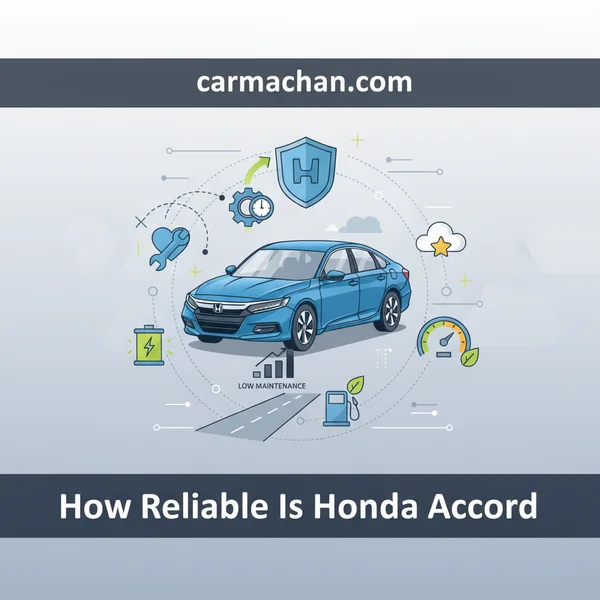
One of the most appealing aspects of the Honda Accord is its potential for a truly long life. It’s not uncommon to see Accords on the road with incredibly high mileage, a testament to their robust engineering.
How Long Can an Accord Really Last?
With proper care, a Honda Accord can easily reach and often exceed 200,000 to 250,000 miles. Many owners report their Accords surpassing 300,000 miles, and there are even well-documented cases of Accords achieving “million-mile” status! While these extreme examples aren’t guaranteed for everyone, they certainly highlight the potential for exceptional durability. What does this mean for you? It suggests that an Accord isn’t just a car for a few years; it’s a potential long-term companion, often outlasting its original owner’s expectations if given the right attention.
The Non-Negotiable Role of Regular Maintenance
The secret to an Accord’s incredible longevity isn’t magic; it’s consistent, timely maintenance. Think of maintenance as preventive medicine for your car. Skipping regular check-ups or fluid changes can lead to minor issues snowballing into major, costly repairs down the line. For example, neglecting regular oil changes is a surefire way to reduce engine life significantly due to increased friction and heat.
Key maintenance tasks that dramatically extend an Accord’s life include:
- Regular Oil and Filter Changes: Crucial for engine health.
- Transmission Fluid Checks and Changes: Keeps the gearbox shifting smoothly.
- Tire Rotations and Pressure Checks: Ensures even wear and optimal performance.
- Brake Inspections and Replacements: Essential for safety and preventing further damage.
- Coolant System Flushes: Prevents overheating and corrosion.
- Belt and Hose Inspections: Catches potential failures before they happen.
Following Honda’s recommended maintenance schedule, usually found in your owner’s manual, is the single best thing you can do to ensure your Accord lives up to its reliable reputation.
Factors Influencing the Accord’s Long-Term Durability
While the Accord boasts inherent reliability, certain external and owner-controlled factors play a significant role in how well it holds up over time.
Your Driving Habits Matter More Than You Think
How you drive your Accord directly impacts its components’ wear and tear. Aggressive driving, such as rapid acceleration, harsh braking, and frequent high-speed cornering, puts undue stress on the engine, transmission, brakes, and suspension. Think of it this way: a car driven gently and smoothly will experience less strain and component fatigue compared to one that’s constantly pushed to its limits.
Practical tips for gentle driving include:
- Gradual acceleration and deceleration.
- Anticipating traffic to avoid sudden stops.
- Avoiding prolonged idling, especially in extreme temperatures.
- Allowing the engine to warm up properly before demanding full power.
These habits not only save wear and tear but can also improve your fuel economy.
Environmental Stress and Storage
The environment your Accord lives in also affects its long-term durability. Cars regularly exposed to harsh conditions face more challenges.
- Extreme Temperatures: Both intense heat and bitter cold can accelerate wear on fluids, rubber components (hoses, belts), and batteries.
- Road Salt and Humidity: If you live in a region where roads are salted in winter, rust becomes a major concern. Salt is highly corrosive and can damage the undercarriage, brake lines, and body panels.
- Sun Exposure: Prolonged UV exposure can fade paint, crack dashboards, and degrade interior plastics.
Protecting your Accord from these elements can significantly extend its life. Garaging your vehicle, regular washing (especially in snowy regions to remove salt), and applying protective waxes can make a real difference.
Conclusion: A Reliable Choice for the Long Haul
The Honda Accord truly stands out as a paragon of reliability. While no car is entirely problem-free, its common issues are generally minor and manageable, especially when compared to its impressive long-term durability and low cost of ownership. The Accord’s capability to comfortably exceed 200,000 miles is not just a marketing claim but a consistent reality for many owners, provided they commit to regular, timely maintenance and mindful driving habits.
If you’re considering a Honda Accord, new or used, you’re looking at a vehicle renowned for its dependability. Take the time to research specific model years for any known quirks, and always prioritize a pre-purchase inspection for used models. With proper care, your Accord can be a faithful, economical, and enjoyable companion for many, many years to come.
❓ Frequently Asked Questions
How do reliability ratings vary across different Honda Accord generations?
Reliability is generally excellent across generations, though specific model years within certain generations (e.g., some 7th and 8th generation automatic transmissions) might have isolated common issues. Newer generations often benefit from refined engineering and updated technology, maintaining strong reliability scores.
What are the most common mechanical problems reported by Honda Accord owners?
Common issues, often dependent on the generation, can include AC compressor failures, starter motor issues, and sometimes minor electrical glitches. Older models occasionally faced automatic transmission problems, while more recent models typically have fewer widespread mechanical complaints.
What is the average annual repair cost for a Honda Accord compared to competitors?
According to RepairPal, the average annual repair cost for a Honda Accord is significantly lower than the average for midsize cars, often ranging from $400-$500 per year. This makes it a very economical choice in its class for long-term ownership.
Can a Honda Accord truly last over 200,000 miles, and what maintenance is required?
Absolutely, many Honda Accords exceed 200,000 miles, and some even reach 300,000+ with diligent maintenance. Key to this longevity includes regular oil changes, timely fluid flushes (transmission, coolant, brake), scheduled timing belt/chain service (if applicable), and prompt attention to any warning lights.
Are newer Honda Accord models more reliable than older ones, especially with new technology?
Newer Honda Accord models continue to uphold a high standard of reliability, often benefiting from advancements in engine technology and improved build quality. While modern vehicles incorporate more complex electronics, Honda generally integrates these systems robustly, maintaining strong reliability metrics similar to, or even surpassing, older generations.
How does regular maintenance impact the Honda Accord’s long-term reliability and resale value?
Regular, preventative maintenance is paramount for maximizing the Accord’s long-term reliability, preventing minor issues from escalating into costly repairs. A well-documented maintenance history significantly enhances the car’s resale value, demonstrating to potential buyers that the vehicle has been cared for and is likely to continue performing reliably.