How To Register A Car In Sc Expert Step-by-Step How To 2026
Last Updated on July 5, 2026 by Albert Duke
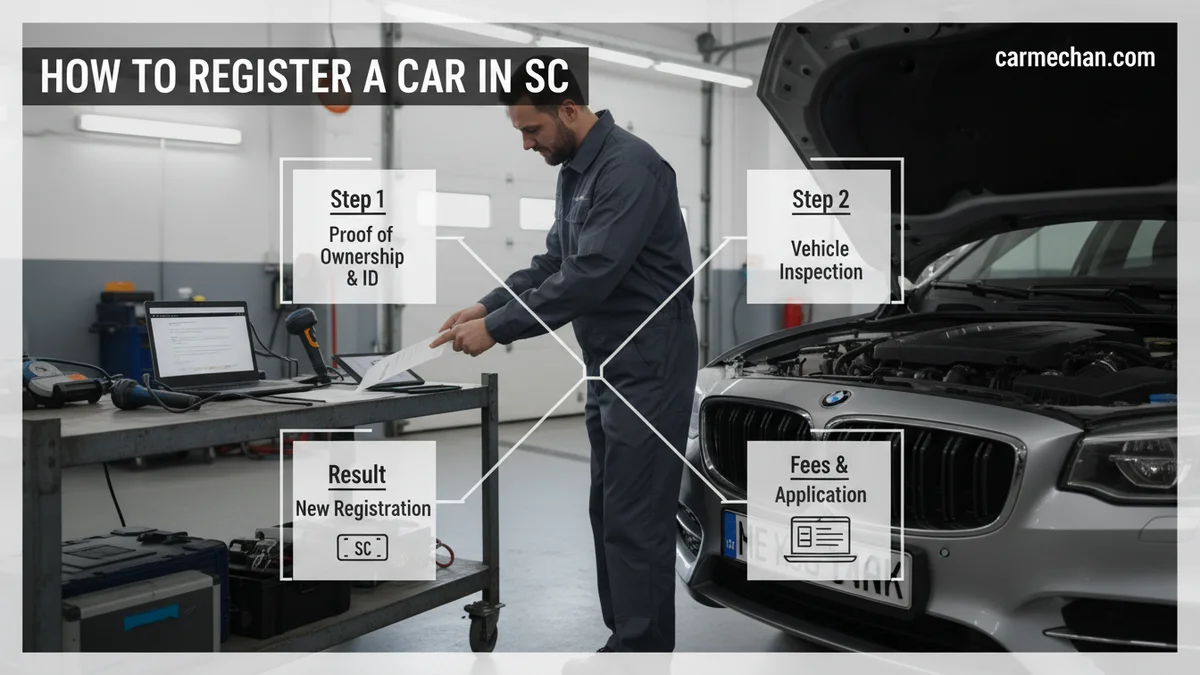
Registering a car in South Carolina involves several key steps, including gathering specific documents like your title and proof of insurance, paying county property taxes, and then visiting an SC DMV office to submit your application and receive your license plates. Property tax payment is a mandatory precursor to vehicle registration in SC.
To successfully register a car in SC, you must navigate specific state and county requirements, a process that can seem complex at first glance. Our comprehensive guide simplifies each step, ensuring you understand the necessary documentation, financial obligations, and procedural nuances for 2026. Whether you are a new resident or recently purchased a vehicle, this tutorial will demystify the process and help you get your vehicle legally on South Carolina roads.
We will walk you through everything from gathering paperwork to understanding property taxes, making your SC car registration experience as smooth as possible. With our help, registering your vehicle will be a manageable task, providing you with the confidence to complete it efficiently.
Registering a car in South Carolina involves several key steps, including gathering specific documents like your title and proof of insurance, paying county property taxes, and then visiting an SC DMV office to submit your application and receive your license plates. Property tax payment is a mandatory precursor to vehicle registration in SC.
- SC requires property tax payment before DMV registration.
- Specific documents vary for new residents or private sales.
- DMV visit is typically needed to finalize registration.
- Fees include registration, title, and plate costs.
- Deadlines apply for new purchases and out-of-state moves.
Key Takeaways


- SC requires property tax payment before DMV registration.
- Specific documents vary for new residents or private sales.
- DMV visit is typically needed to finalize registration.
- Fees include registration, title, and plate costs.
- Deadlines apply for new purchases and out-of-state moves.
5 Essential Documents for South Carolina Car Registration
Before you begin the process, assembling the correct documents is paramount for any SC car registration. Having all paperwork in order saves time and prevents multiple trips to the DMV or county offices.

Proof of Ownership
You must establish legal ownership of the vehicle. For a new purchase, this means your original vehicle title, properly signed and notarized if required. If the vehicle is new from a dealer, they often handle the initial title application. For vehicles previously titled out-of-state, your existing out-of-state title is needed.
is often used for this process.
Proof of Insurance
South Carolina mandates that all registered vehicles carry liability insurance. You will need to provide proof of current liability insurance from a company authorized to do business in South Carolina. This can be an insurance card, policy declaration, or a binder that clearly shows the policy effective dates and vehicle information. Ensure your insurance is active before visiting the DMV.
SC Driver’s License
Your valid South Carolina driver’s license or identification card is required for verification. This confirms your identity and residency. If you are a new resident, you should obtain your SC driver’s license before attempting to register your vehicle. , such as utility bills, lease agreements, or property tax receipts, may also be required if your license does not sufficiently prove residency.
Paid Property Tax Receipt
This is a unique and crucial step in South Carolina. You cannot register your vehicle at the DMV without first paying your county property taxes. You will need the original receipt or proof of payment from your county tax assessor’s office, indicating the vehicle taxes for the current year have been satisfied.
Vehicle Inspection Certificate
While South Carolina does not require routine safety inspections for passenger vehicles, certain circumstances may necessitate a Vehicle Identification Number (VIN) inspection. This is common for vehicles previously titled out-of-state, especially if the title lacks sufficient details. The DMV will advise if an inspection is needed. No general inspection certificate is typically required for standard registration.
With all your documents meticulously gathered, you are now ready to move forward with the procedural steps for vehicle registration.
How to Register Your Vehicle in South Carolina in 6 Steps
Once your documents are prepared, follow these six essential steps to register your vehicle in South Carolina. Each step builds on the last, ensuring a smooth progression towards receiving your license plates.
Gather Necessary Paperwork
As detailed in the previous section, the first and most critical step is to collect all required documents. This includes your vehicle title, proof of insurance, SC driver’s license, and, crucially, your paid property tax receipt. Double-check everything to avoid delays.
Pay County Property Taxes
Before the DMV will process your registration, you must pay property taxes on your vehicle at your local county tax assessor’s office. This can often be done in person, by mail, or through some county websites. may offer online payment options.
Be prepared to show your title and vehicle information. You will receive a receipt that you must present at the DMV.
Visit Your Local DMV
Once you have your paid property tax receipt, locate your nearest South Carolina Department of Motor Vehicles (SCDMV) office. You may wish to check the SCDMV website for office hours and potential appointment scheduling for 2026 to minimize wait times. can vary significantly by location and time of day.
Complete Registration Application
At the DMV, you will complete the Application for Certificate of Title and Registration (typically SCDMV Form MV-1). Ensure all fields are filled accurately. You will also surrender your original title (if applicable) and present all supporting documents, including your paid property tax receipt.
Receive New Plates Tags
Upon successful processing of your application and payment of all state fees, the DMV will issue your South Carolina license plates and a registration decal. These must be affixed to your vehicle as instructed by law. You will also receive a temporary registration document until your permanent title and registration card arrive by mail.
Understand Registration Renewals
Your vehicle registration will need to be renewed annually. The SCDMV typically sends renewal notices before your registration expires. You can often renew online, by mail, or in person, provided your property taxes are paid and your insurance is current. Renewals usually involve paying a registration fee and property taxes for the upcoming year.
Now that you understand the sequence of actions, let’s explore the financial aspects involved in registering your vehicle in South Carolina.
How Much Does South Carolina Car Registration Truly Cost?
Understanding the costs involved is crucial when you register a car in SC, particularly the unique property tax system. These expenses are separate from the vehicle purchase price and must be budgeted accordingly.
Standard Registration Fees
South Carolina charges a standard fee for annual vehicle registration. This fee contributes to road maintenance and other state programs. are typically a set amount for most passenger vehicles, though specific vehicle types (e.g., motorcycles, trucks) may have different rates.
These are paid directly to the SCDMV when you apply for your plates.
Title Transfer Expenses
When you acquire a vehicle, you must transfer its title into your name. The SCDMV charges a title fee for this process. This is a one-time fee per vehicle acquisition. are separate from registration fees and are paid at the same time as your registration application.
License Plate Charges
The cost of your license plate is often included in the initial registration fee or is a small additional charge. Special license plates or personalized plates come with additional fees above the standard plate charge. are clearly outlined on the SCDMV website or at their offices.
South Carolina Property Tax Calculations
Vehicle property taxes are the most significant and often misunderstood cost. South Carolina counties assess and collect property taxes on vehicles annually. The tax amount is based on the vehicle’s assessed value (typically 6% of the retail value for private passenger vehicles) multiplied by the local millage rate.
Millage rates vary significantly by county and even by specific taxing district within a county. You will receive a tax bill from your county assessor, usually within 30-45 days of purchase, and this must be paid before you can register the vehicle. helps prepare for this obligation.
The registration process can also differ based on your unique circumstances, as we’ll explore next for new residents or specific purchase scenarios.
New Residents vs Private Sellers SC Vehicle Registration
The way you register a car in SC can vary significantly based on your residency status or how you acquired the vehicle. Understanding these distinctions is key to a successful registration.
Moving From Out of State
If you are a new resident moving to South Carolina, you generally have 45 days to register your out-of-state vehicle. You will need your out-of-state title, proof of SC insurance, your SC driver’s license, and proof of paid property taxes. The SCDMV might require a Vehicle Identification Number (VIN) inspection for your out-of-state vehicle to ensure it matches the title and is legally imported.
will be provided by the DMV if necessary.
Buying From a Dealership
When you purchase a new or used vehicle from a licensed dealership in South Carolina, they typically handle most of the initial paperwork. This includes submitting your title application, collecting sales tax, and sometimes even temporary tags. However, you are still responsible for paying the vehicle’s property tax to your county before the permanent plates can be issued.
The dealer will guide you on when to expect your tax bill and what steps you need to take.
Purchasing From a Private Party
Buying a car from a private seller in South Carolina places the responsibility of title transfer and registration entirely on you. Ensure you receive the original vehicle title, properly signed over by the seller, and a bill of sale. A detailed bill of sale should include the vehicle’s year, make, model, VIN, sale price, and the names and signatures of both buyer and seller.
help protect both parties. You will then proceed with paying sales tax (if applicable), property tax, and finally, registering the vehicle at the DMV.
Understanding these specific scenarios helps tailor your approach, and knowing the timelines for each is equally important.
When to Complete Your South Carolina Vehicle Registration
Understanding the deadlines and available services is crucial for a smooth South Carolina vehicle registration process. Missing key dates can lead to penalties or delays.
New Purchase Timelines
For vehicles purchased within South Carolina, you generally have 45 days from the date of purchase to complete your registration and title transfer. If you buy from a dealer, they will typically provide a temporary tag that is valid for this period. For private sales, you must act quickly to avoid driving with an unregistered vehicle once the temporary tag expires, or if no temporary tag was issued.
Out-of-State Vehicle Deadlines
New residents moving into South Carolina with an out-of-state vehicle are required to register their vehicle within 45 days of establishing residency. This includes obtaining an SC driver’s license and transferring your vehicle’s title and registration. It is important to initiate this process promptly to comply with state law and avoid potential fines.
DMV Branch Locations
The South Carolina Department of Motor Vehicles operates numerous branches across the state. You can find your nearest SCDMV office location and check their specific operating hours by visiting the official SCDMV website. Some offices may offer extended hours or specific days for certain transactions in 2026.
Wait times can vary, so planning your visit during off-peak hours or utilizing online scheduling where available is advisable.
Online Registration Options
While full initial vehicle registration often requires an in-person visit due to the title transfer and property tax verification, the SCDMV offers several online services for certain transactions. This primarily includes registration renewals, ordering replacement documents, or changing your address. Always check the official SCDMV website for the most up-to-date information on available online services for 2026 to see if your specific need can be met digitally.
Registering a car in SC in 2026 involves a clear, multi-step process that requires careful attention to documentation and deadlines. By diligently following this guide, ensuring all property taxes are paid, and having your paperwork in order, you can confidently navigate the SCDMV requirements. We empower you to register your vehicle efficiently, getting you road-ready with minimal fuss.
Frequently Asked Questions About SC Vehicle Registration
How Long Do I Have to Register My Car in SC After Purchasing It?
You typically have 45 days from the date of purchase to complete your vehicle registration and title transfer in South Carolina. This applies to both vehicles bought from dealerships and private sellers within the state.
Can I Register My Car Online in South Carolina?
Initial vehicle registration in South Carolina usually requires an in-person visit to an SCDMV office, primarily for title transfer and property tax verification. However, renewals and some other services are available online.
Do I Need to Pay Property Taxes Before Registering My Car in SC?
Yes, absolutely. In South Carolina, paying your county property taxes on the vehicle is a mandatory prerequisite. You must provide proof of payment to the SCDMV before they will process your vehicle registration.
What If I’m a New Resident Moving to South Carolina With My Car?
New residents must register their out-of-state vehicle within 45 days of establishing residency in South Carolina. This includes obtaining an SC driver’s license and presenting your out-of-state title along with other required documents.
What Documents Prove Residency for SC Car Registration?
Acceptable proof of residency documents for the SC DMV typically include a utility bill, lease agreement, property tax receipt, or a current SC driver’s license or identification card. Ensure the document shows your current South Carolina address.