Can You Add Cruise Control to a Motorcycle Expert 2026 Guide
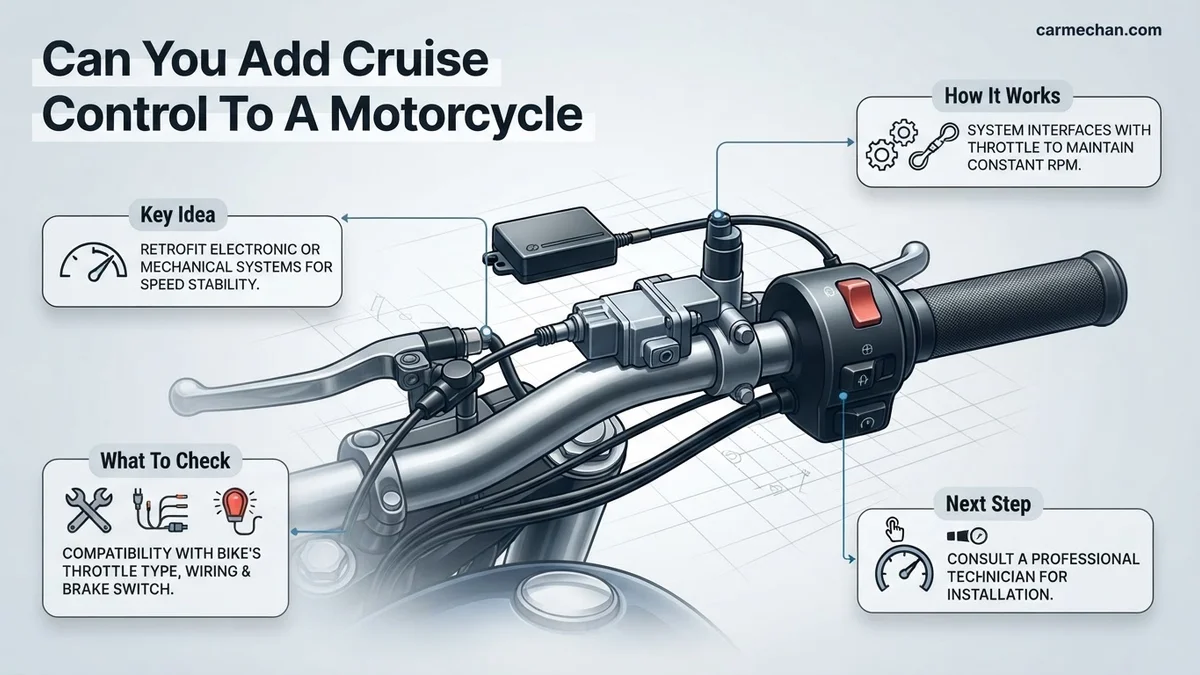
Yes, you can add cruise control to almost any motorcycle, but the method varies significantly between simple manual locks and complex electronic speed-control systems. Choosing the right option depends on your bike’s throttle type and your budget for installation.
Yes, you absolutely can add cruise control to a motorcycle that didn’t leave the factory with it. As of 2026, the aftermarket landscape offers solutions ranging from simple manual tensioners to sophisticated electronic modules that mimic OEM functionality. Whether you want to reduce wrist fatigue on long highway stretches or need precise speed management, a solution exists for almost every modern motorcycle.
Choosing the right system is a matter of balancing your budget, mechanical capability, and how you actually use your bike. It is critical to differentiate between devices that simply hold a throttle position and those that actively monitor your speed. Making the wrong choice could result in a system that is either ineffective on inclines or, in a worst-case scenario, dangerous if it fails to disengage during a rapid stop.
Key Takeaways
- Throttle locks are affordable manual devices that hold the grip in a fixed position.
- Electronic cruise control maintains constant speed regardless of terrain or incline.
- Ride-by-wire bikes offer easier integration for electronic cruise control kits.
- Installation of electronic units may void specific electrical system warranties.
- Always prioritize safety by choosing systems that disengage instantly upon brake activation.
Understanding Your Options: Throttle Locks vs. Electronic Cruise Control


The Mechanics of Throttle Locks
Throttle locks are not true cruise control; they are mechanical friction devices. They function by physically preventing the throttle return spring from pulling the grip back to the idle position. When you reach your desired speed, you engage the lock to hold the throttle tube in place. These systems are inexpensive, usually costing between $20 and $100. Because they do not communicate with the engine, they cannot adjust for elevation changes. If you encounter a steep hill, you will lose speed; on a descent, you will accelerate.

- Pros: Very low cost, easy to install, no electronic interference.
- Cons: Cannot maintain a constant speed, requires manual disengagement, poses safety risks if not adjusted properly.
The Precision of Electronic Cruise Control
Electronic systems are true “cruise control” because they function via a feedback loop. They tap into your bike’s speed sensor or ECU to monitor actual velocity. If you hit a hill, the system detects a speed drop and automatically adds throttle. In 2026, systems like those from MCCruise remain the gold standard for high-end conversions. These are complex, bike-specific kits that require deep integration into your motorcycle’s existing harness.
- Pros: Constant speed maintenance, instant safety disengagement via brake or clutch switches.
- Cons: Expensive ($600–$1,200), complex installation, requires specific compatibility for your exact year and model.
How to Install a Mechanical Throttle Lock System


Preparation and Compatibility Checks
Mechanical throttle locks are generally universal, but you must verify your handlebar setup. You need to ensure you have enough space on the end of your grip or bar-end weight to house the locking mechanism. If you use oversized heated grips or specific aftermarket bar-end mirrors, you may need a proprietary mount. Before purchasing, verify your throttle cable tension; these locks rely on the friction between the grip and the housing, so a loose or damaged throttle housing will prevent the lock from working consistently.
Step-by-Step Installation
- Clear the contact area: Use isopropyl alcohol to clean the throttle grip and housing of any wax or residue.
- Mount the lock: Slide the unit onto the throttle sleeve or bar end. Do not over-tighten, as this can impede smooth manual throttle operation.
- Test for safety: With the engine off, ensure the throttle snaps back to idle instantly when the lock is disengaged.
- Fine-tune the tension: Adjust the friction screw until the throttle holds its position but can still be overridden manually by a forceful twist of your wrist.
Always perform a static test before hitting the road. If the throttle sticks or feels sluggish during a test release, loosen the tension screw immediately to prevent a runaway throttle situation while riding.
How to Integrate Electronic Cruise Control Kits


Electronic cruise control (ECC) offers a sophisticated, speed-maintaining solution that mirrors the factory systems found on premium touring motorcycles. As of 2026, integration kits have become more model-specific, often utilizing “plug-and-play” connectors that interface directly with the bike’s ECU or throttle position sensor. Installation requires precision to ensure the system disengages immediately upon brake or clutch actuation.

Step-by-Step Installation Procedure
- Disconnect the motorcycle battery to prevent electrical shorts during the installation process.
- Mount the control module in a protected area, such as behind a side cover or under the seat, ensuring it is clear of extreme exhaust heat.
- Route the wiring harness along the frame, securing it with zip ties every 6 inches to prevent cable chafing against moving parts.
- Connect the throttle servo or electronic interface according to the specific manufacturer instructions for your bike’s throttle body configuration.
- Tap into the brake light circuit; this connection acts as the primary safety cut-off switch for the system.
- Perform the mandatory “static calibration” test as outlined in the kit manual before starting the engine to confirm the system detects speed input.
Professional technicians emphasize that verification is vital. Always test the system in a controlled, low-traffic environment at speeds below 30 mph to ensure the servo holds speed and disengages instantly upon manual override.
What If Your Bike Does Not Support Electronic Kits
If your motorcycle utilizes an older carburetor system or lacks the electronic throttle body necessary for ECC, mechanical throttle locks remain the industry-standard alternative. These devices do not “control” speed in the electronic sense; rather, they provide adjustable friction to hold the throttle grip in place, reducing wrist fatigue on long highway stretches.
Mechanical and Vacuum Options
- Throttle Friction Locks: These replace the bar-end weight or clamp onto the existing grip. Prices typically range from $40 to $120.
- Throttle Cramp/Rest: A simple plastic or aluminum paddle that allows the rider to rest their palm against the throttle, requiring zero permanent installation.
- Vacuum-Operated Systems: For older touring bikes, vacuum-based mechanical kits are available. These draw power from the engine intake manifold to maintain consistent throttle opening, offering a closer feel to electronic systems for vintage machines.
While mechanical locks are reliable, they do not automatically disengage when you hit the brakes. Manufacturers like Kaoko and Vista-Cruise mandate that riders maintain constant awareness, as these devices technically keep the throttle locked even during emergency stops.
What If It Still Doesn’t Work?
If your aftermarket cruise control fails to engage or experiences “hunting” behavior, perform these systematic troubleshooting steps:
- Check the magnet or speed sensor alignment; even a 2mm gap deviation can prevent the ECU from registering wheel speed.
- Inspect the ground connection; most electrical failures in 2026-era kits are attributed to poor chassis grounding rather than faulty hardware.
- Verify the clutch switch signal; if the cruise system detects a constant “clutch pulled” signal, it will remain disabled as a safety precaution.
- Perform a hard reset by disconnecting the motorcycle battery for 10 minutes to clear cached error codes in the cruise module.
If these steps do not restore functionality, consult a certified technician. Professional diagnostic fees typically range from $120 to $200 per hour. Do not attempt to bypass safety-cut wires, as this voids manufacturer warranties and risks unintended acceleration.
Conclusion
Adding cruise control to your motorcycle significantly enhances rider comfort and reduces fatigue on long-distance trips. Whether choosing a sophisticated electronic kit for a modern fuel-injected bike or a mechanical friction lock for a classic model, the modification is highly effective. According to verified research and expert sources from 2026, proper calibration and safety testing are the most critical factors for long-term reliability. To proceed, identify your specific throttle type and select a kit that maintains your bike’s safety-cut standards.
❓ Frequently Asked Questions
What is the safest way to add cruise control to an older motorcycle?
The safest method for older, cable-actuated bikes is a high-quality mechanical throttle lock. These units are simple to operate and designed to release immediately when you twist the throttle in the opposite direction.
How do electronic cruise control kits differ for ride-by-wire bikes?
Ride-by-wire systems use sensors rather than physical cables, allowing electronic cruise control kits to communicate directly with the bike’s ECU for precise, factory-like speed maintenance.
Can electronic cruise control work on carburetor-equipped bikes?
Yes, some electronic kits use vacuum-actuated servos or custom cable-pull motors, but they are highly complex and expensive to implement compared to mechanical options.
Do I need special tools to install a throttle lock?
Most mechanical throttle locks require only basic hand tools like Allen keys and screwdrivers. However, proper adjustment is crucial to ensure the device does not impede throttle return in an emergency.
Why is ‘true’ cruise control better than a throttle lock?
True cruise control uses sensors to adjust the throttle automatically based on engine load and gradient. A throttle lock simply holds a position, meaning your speed will drop on hills and increase on descents.
What are the primary risks of aftermarket cruise control?
The main risk is an unintended stuck throttle if the device is improperly installed or fails. Always perform a thorough safety test in a controlled environment after any installation.