Fix Rattling When AC Is On In Car 2026 Expert Guide
Last Updated on September 1, 2026 by Albert Duke


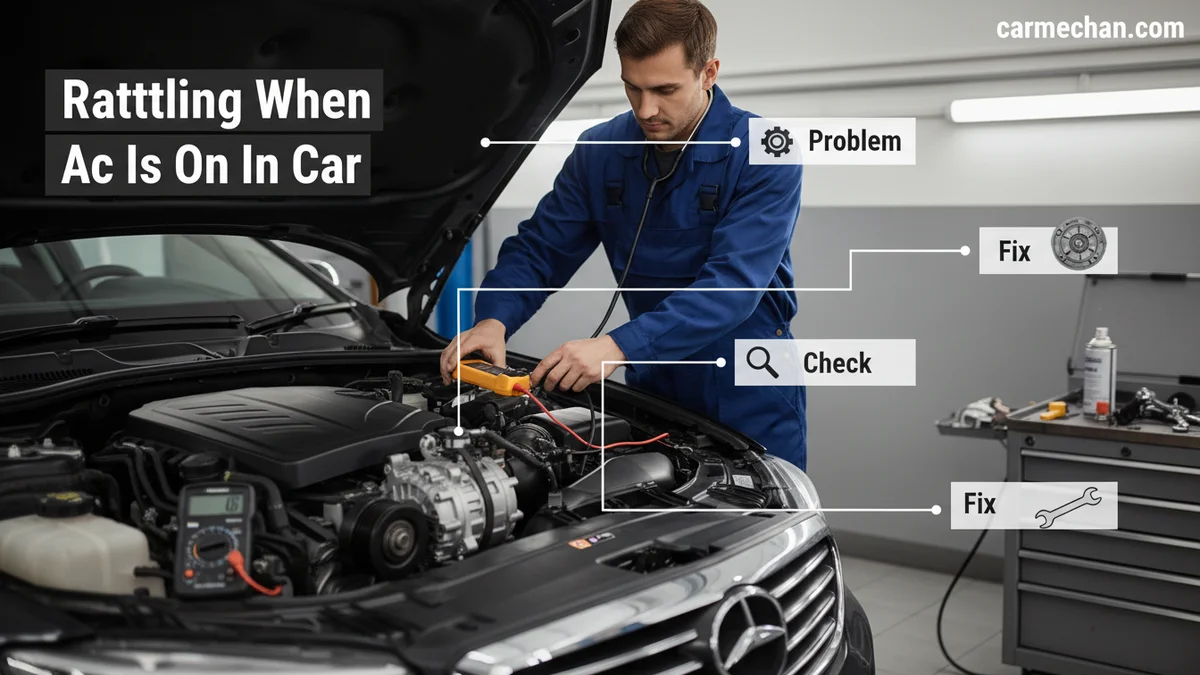
When your car’s AC starts rattling, it often signals an issue with the compressor, clutch, fan, or a loose component. Diagnosing the precise source is key to fixing the problem efficiently and preventing further damage to your vehicle’s air conditioning system.
When your car’s AC starts rattling, it often signals an issue with the compressor, clutch, fan, or a loose component. Diagnosing the precise source is key to fixing the problem efficiently and preventing further damage to your vehicle’s air conditioning system.
- AC rattling means a component needs attention.
- Common causes include compressor, clutch, or fan issues.
- Self-diagnosis helps pinpoint the exact problem.
- Some fixes are DIY, others need a mechanic.
- Ignoring rattles can lead to costlier repairs.
Discovering a rattling when AC is on in car can be an unsettling experience for any vehicle owner. This distinctive sound often signals an underlying problem within your vehicle’s air conditioning system. From minor annoyances to more serious mechanical failures, understanding the source of this noise is crucial. We will guide you through diagnosing these rattles effectively. We empower you to address them confidently.
We will begin by exploring the most frequent culprits behind these worrisome noises.
Key Takeaways
- AC rattling means a component needs attention.
- Common causes include compressor, clutch, or fan issues.
- Self-diagnosis helps pinpoint the exact problem.
- Some fixes are DIY, others need a mechanic.
- Ignoring rattles can lead to costlier repairs.
7 Most Common Reasons Your AC Rattles

When your car’s AC starts making a rattling noise, it usually points to one of several common culprits within the system. Identifying the specific sound helps narrow down the problem. Let us examine the components most likely to cause this disturbance.
Compressor Clatter Sounds
A metallic clattering or grinding sound from the engine bay often indicates a failing AC compressor. This crucial component pressurizes refrigerant. Worn internal bearings or pistons can create significant noise, especially when the AC cycles on. This can be a serious issue.
Clutch Engagement Noises
A distinct clicking, whirring, or buzzing rattle as the AC engages or disengages points to the AC clutch. This component connects the compressor to the engine’s serpentine belt. A worn clutch bearing or a loose clutch plate causes noisy operation. Early intervention here saves costly repairs.
Fan Motor Disturbances
A vibrating or buzzing rattle heard from inside the cabin, particularly behind the dashboard, often suggests issues with the HVAC fan motor. This motor pushes air through your vents. An unbalanced fan, worn bearings, or trapped debris in the blower housing can generate disruptive sounds. This affects cabin comfort.
Pulley Bearing Issues
A persistent rattling or squealing sound originating from any of the engine’s accessory pulleys can indicate a failing bearing. The AC compressor pulley is a common culprit. A failing bearing creates friction and noise, potentially leading to belt damage. This requires prompt attention.
Loose Component Vibrations
Hoses, pipes, or brackets that have come loose can vibrate against other engine components or the vehicle’s frame. This creates an intermittent rattling sound. This is often an easier fix. Securing these components can quickly resolve the noise.
Refrigerant Flow Sounds
Occasionally, unusual gurgling or hissing noises can accompany a rattle, especially with incorrect refrigerant levels. An overcharged or undercharged system can cause the compressor to work harder, producing abnormal sounds. This is less common as a primary rattle source.
Debris Interference Causes
Leaves, twigs, or other small foreign objects can enter the HVAC system through air intakes. These can then get caught in the blower fan or ducts. The fan blades hitting this debris creates a distinct, intermittent rattling or thumping noise. Cleaning this is a simple solution.
Understanding these potential causes is the first step; next, we will outline how to systematically identify the exact source of the rattling.
How to Pinpoint AC Rattling Source in 5 Steps
Precisely locating the origin of an AC rattle requires a systematic approach to inspection and observation. Always prioritize safety during this process. Ensure your vehicle is on level ground and the parking brake is engaged. .
Listen Attentively to Sounds
Start by listening carefully with the engine running and the AC off. Then turn the AC on. Note when the rattle begins and how it sounds. Does it change with engine RPM? Is it constant or intermittent? This helps differentiate between an AC-specific issue and a general engine noise.
Visually Inspect Components
With the engine off, open the hood and visually check the AC compressor, its clutch, and all associated lines and pulleys. Look for obvious signs of wear, loose mounts, or visible damage. Shine a flashlight into the blower fan area, often accessible from the passenger footwell, to check for debris.
Test AC Clutch Function
With the engine running and AC on, carefully observe the AC compressor clutch. It should engage smoothly. If you see it wobbling, struggling to engage, or making excessive noise only when engaged, the clutch or compressor itself is suspect. Turn the AC off and on several times to confirm.
Check Belt Tension Proper
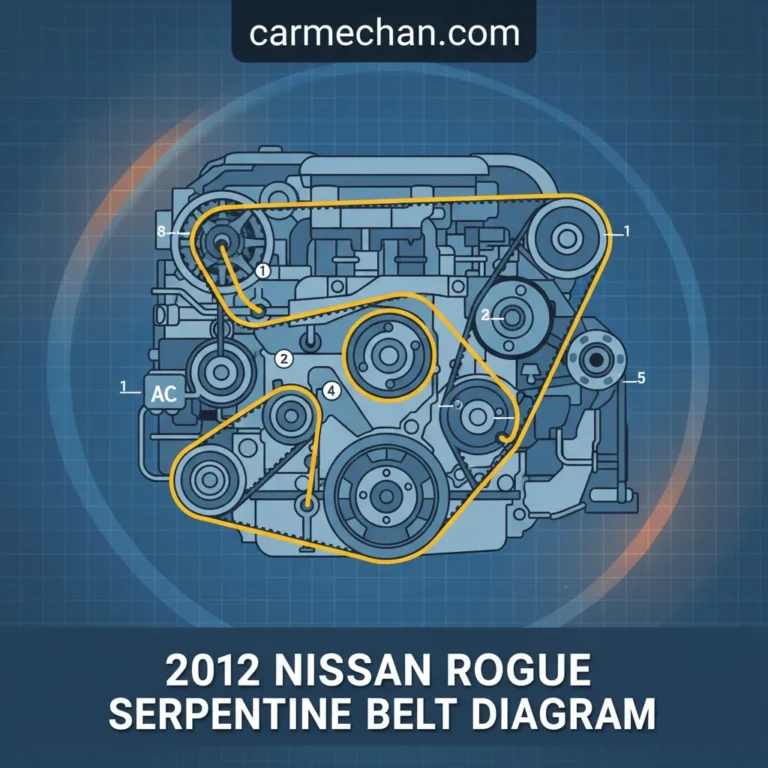
Examine the serpentine belt that drives the AC compressor and other accessories. Look for cracks, fraying, or misalignment. While the engine is off, manually check the tensioner pulley. If it feels loose or makes noise when wiggled, it could be the source of the rattle. A properly tensioned belt is key.
Consult Mechanic for Help
If your diagnostic efforts do not clearly pinpoint the source, or if you suspect a complex internal AC issue, professional help is essential. Mechanics have specialized tools and training to accurately diagnose and safely repair these systems. Do not hesitate to seek expert advice for difficult problems.
Once you have identified the potential source, your next thought might be whether you can fix it yourself.
When Is DIY AC Rattle Repair Possible

While many AC issues demand professional attention, some minor rattling causes can be resolved with basic tools and a bit of car knowledge. Always prioritize your safety. Ensure the engine is off and cool before attempting any work.
Tighten Loose Fasteners
Loose mounting bolts for the AC compressor, lines, or brackets can cause vibration and rattling. Use appropriate wrenches or sockets (e.g., 10mm, 12mm, 14mm for common automotive fasteners) to gently tighten any loose fasteners you find. Avoid overtightening.
Clear Debris Obstructions
If you suspect debris in the blower fan, access the blower motor housing. This is typically located under the dashboard on the passenger side. Remove any leaves, twigs, or other foreign objects. Replacing the cabin air filter at the same time is a good practice.
Lubricate Moving Parts
Some pulley bearings, if only slightly noisy, might benefit from a targeted application of a high-temperature, silicone-based lubricant. Never spray directly into electrical components. This is a temporary fix. A worn bearing will still need replacement eventually.
Replace Minor Components
Replacing a worn serpentine belt or a faulty belt tensioner is a manageable DIY task for many. Ensure you use the correct replacement part for your vehicle. Follow your car’s service manual for specific procedures. Consider replacing both if they are old.
Address Simple Leaks
Minor leaks around AC hose connections can sometimes be tightened with a wrench. If you notice refrigerant oil residue, this indicates a leak. For any significant refrigerant leak, professional service is mandatory. Refrigerant handling requires specialized equipment.
However, attempting complex repairs yourself can sometimes lead to more severe problems and costly damage.
What Risks Do AC Rattles Pose
Ignoring a persistent rattling sound from your car’s AC system can lead to a cascade of negative consequences, often escalating minor issues into major repairs. Prompt attention helps prevent these problems.
Component Failure Accelerates
A rattling component, such as a compressor with worn bearings, indicates excessive friction and stress. Continuing to operate it will accelerate its degradation. This can lead to complete failure much sooner than expected.
Costly System Damage
A failing AC compressor can disintegrate, sending metal fragments throughout the entire AC system. This contaminates the condenser, evaporator, and lines. What started as a simple compressor replacement can then become a full system overhaul, significantly increasing repair costs. .
Decreased AC Performance
A rattling AC often signifies that a component is not operating efficiently. This can result in reduced cooling capacity, inconsistent airflow, or even a complete loss of air conditioning. Your comfort will suffer, especially in warmer climates.
Safety Hazards Arise
While less common, a severely failing compressor or a completely shredded serpentine belt can cause the engine to overheat or critical accessories like power steering to fail. This presents a genuine safety risk while driving. Unexpected breakdowns create hazardous situations.
Reduced Vehicle Value
A vehicle with a known, unresolved AC issue will fetch a lower resale value. Prospective buyers often factor in the cost of repairs for obvious problems. A well-maintained AC system contributes positively to your car’s overall market appeal.
Understanding these potential dangers makes it clear why addressing AC rattles promptly is wise, and often, it helps to know what potential fixes might cost.
How Much Do AC Rattle Repairs Cost
The cost of fixing a rattling AC system can vary widely depending on the underlying cause, the vehicle’s make and model, and your location. These figures are estimates for 2026. Always obtain detailed quotes from reputable shops.
Compressor Replacement Prices
AC compressor replacement costs typically range from $800 to $1,500. This includes parts and labor. High-end vehicles or complex installations can push this higher. The compressor itself is a significant expense.
Clutch Repair Expenses
If only the AC clutch is at fault, repairs might be $200 to $600. Sometimes, a mechanic might recommend replacing the entire compressor assembly if it is old. This ensures system reliability.
Fan Motor Costs
Replacing an HVAC blower motor or an engine cooling fan assembly can cost between $200 and $700. This varies by vehicle and accessibility. Labor is a significant factor here.
Pulley Bearing Charges
Replacement of a single idler pulley or tensioner pulley usually costs between $150 and $350. This includes the part and labor. If the entire serpentine belt system needs attention, costs will rise.
Hose Fastener Fees
Tightening loose hoses or replacing minor brackets is generally the least expensive repair, ranging from $50 to $150 for diagnostic time and labor. This can often be a quick fix.
.
Having explored the potential costs, let’s summarize the key takeaways to keep your car’s AC running smoothly.
Keep Your AC Quiet and Cool
A rattling when AC is on in car should never be ignored. It serves as a clear indicator that something within your vehicle’s complex air conditioning system requires attention. By systematically diagnosing the potential causes, from compressor issues to loose components or debris, you empower yourself. You can make informed decisions. Addressing these rattles promptly prevents minor annoyances from escalating into expensive, system-wide failures. Whether you choose a simple DIY fix or seek professional assistance, maintaining a quiet and efficiently functioning AC system ensures your comfort. It also preserves your vehicle’s longevity and value through 2026 and beyond.
Common Questions About AC Rattles
Is a Rattling AC Dangerous to Ignore?
Ignoring a rattling AC can lead to accelerated wear, significant system damage, and potentially higher repair costs. While not always immediately dangerous, it can compromise vehicle reliability and performance over time. Timely diagnosis is always recommended to prevent escalation.
Can I Drive My Car With a Rattling AC?
You might drive your car with a rattling AC for a short period, but it is not advisable for long. The rattling often indicates a failing component that could seize or break, potentially causing further damage or even disabling the vehicle. Prompt inspection is best practice.
How Do I Know If My AC Compressor Is Bad?
A bad AC compressor often produces a loud metallic grinding, clunking, or squealing noise when the AC is on. You might also notice reduced cooling performance or the clutch failing to engage properly. These are clear signs of internal wear or damage.
What Is the AC Clutch Noise When On?
AC clutch noise typically sounds like a distinct clicking, buzzing, or whirring that occurs specifically when the AC engages or disengages. This indicates a worn clutch bearing or a loose clutch plate. It needs attention to prevent compressor damage.
Can Low Refrigerant Cause AC Rattles?
Low refrigerant itself typically causes a hissing or gurgling sound rather than a rattle. However, extreme low refrigerant can force the compressor to work harder or cycle on and off rapidly, potentially exacerbating existing mechanical noises or causing a subtle rattle from overexertion.