Can You Buff Out Scratches on a Car in 2026 to Save Money
Last Updated on September 1, 2026 by Ryan

⚡ Key Takeaways
- No, toothpaste cannot permanently remove car scratches.
- You can determine scratch depth by performing the classic fingernail test.
- No, WD-40 is not a safe or permanent solution for car paint scratches.
- Professional paint correction costs typically range between $250 and $1,000 depending on depth.
- How to test if a scratch is too deep to be buffed out (using the fingernail test).
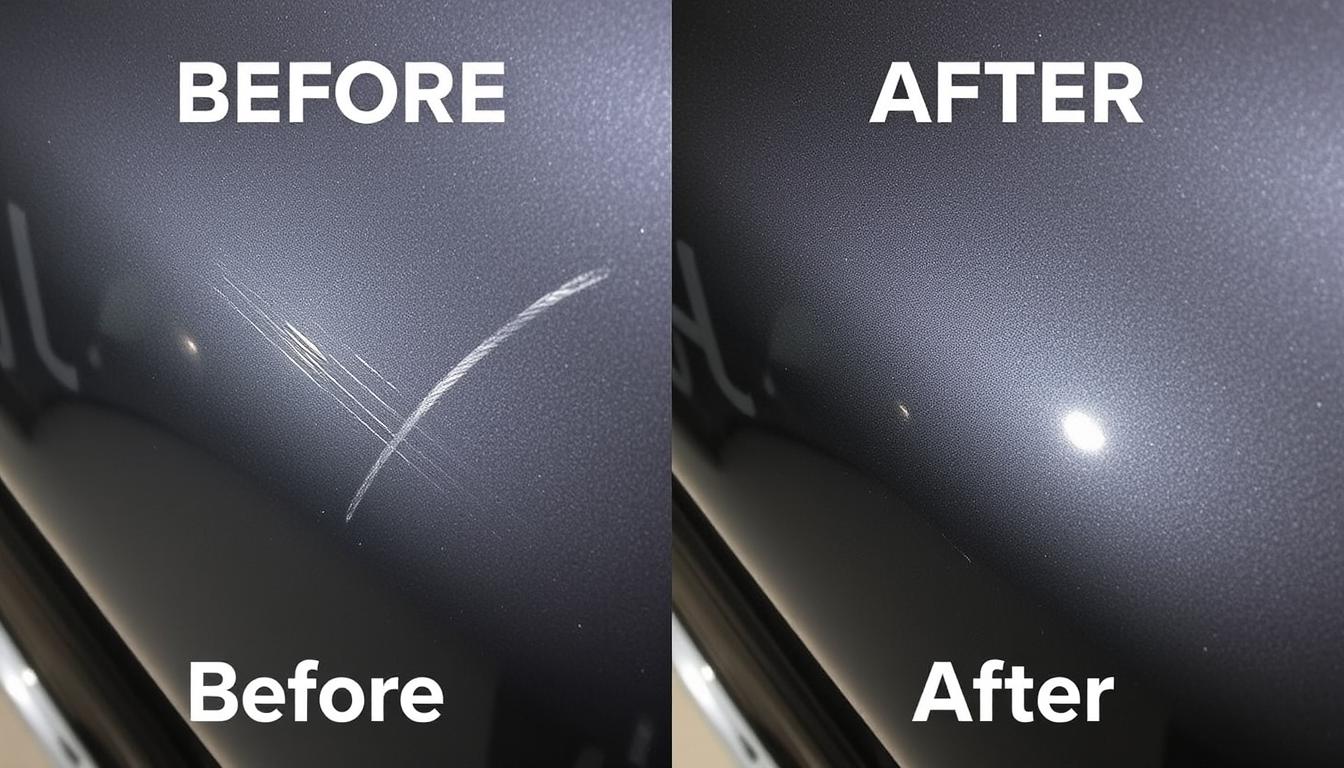
The question of can you buff out scratches on a car boils down to whether the damage is shallow enough to be polished out of the protective clear coat. In fact, nearly 80 percent of minor everyday scuffs only penetrate this top layer, making them completely fixable at home.
You will learn how to diagnose scratch depth, select the right polishing compounds, and master the proper buffing technique. Here is what you need to know about paint scratch repair.
How Can You Buff Out Paint Scratches Easily


According to automotive paint manufacturers, modern vehicles feature a multi-layer paint system engineered for both aesthetics and environmental defense.
This system relies on three distinct layers consisting of a primer, a color base coat, and an outer clear coat.
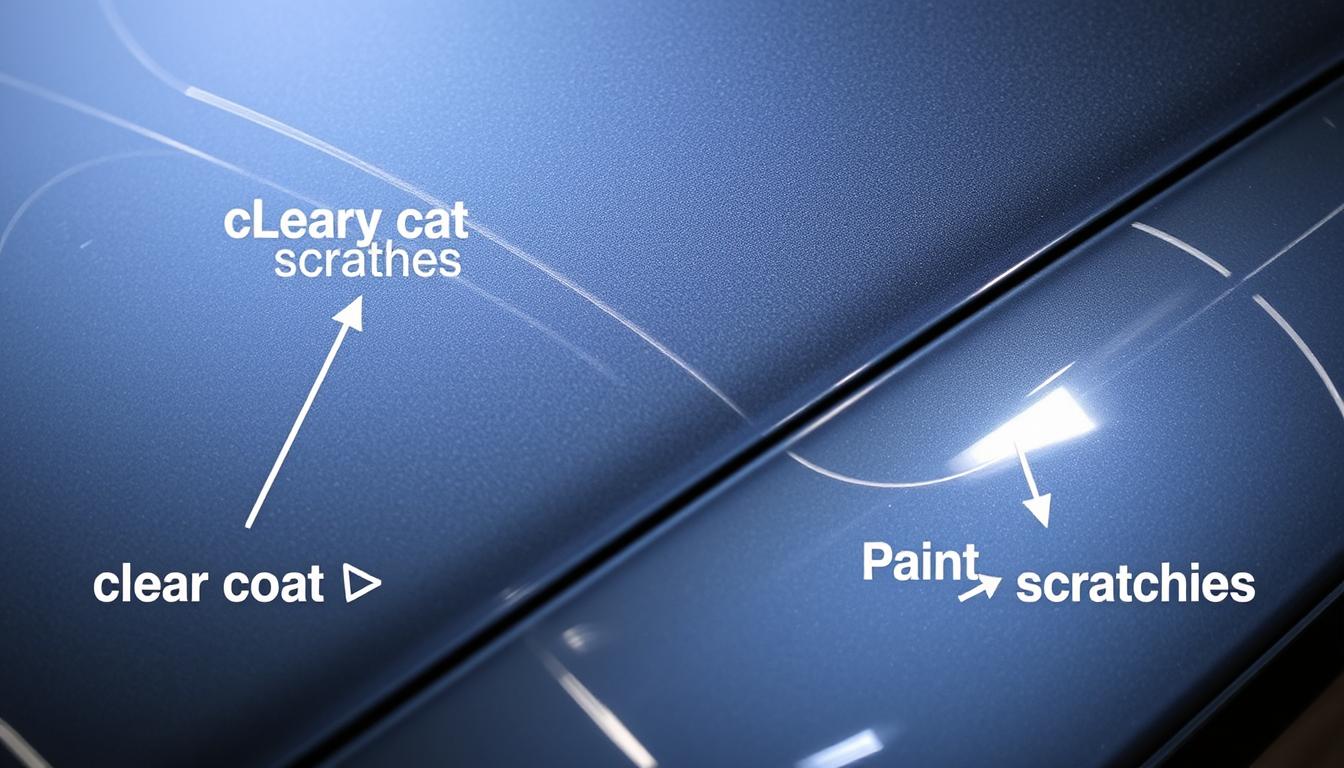
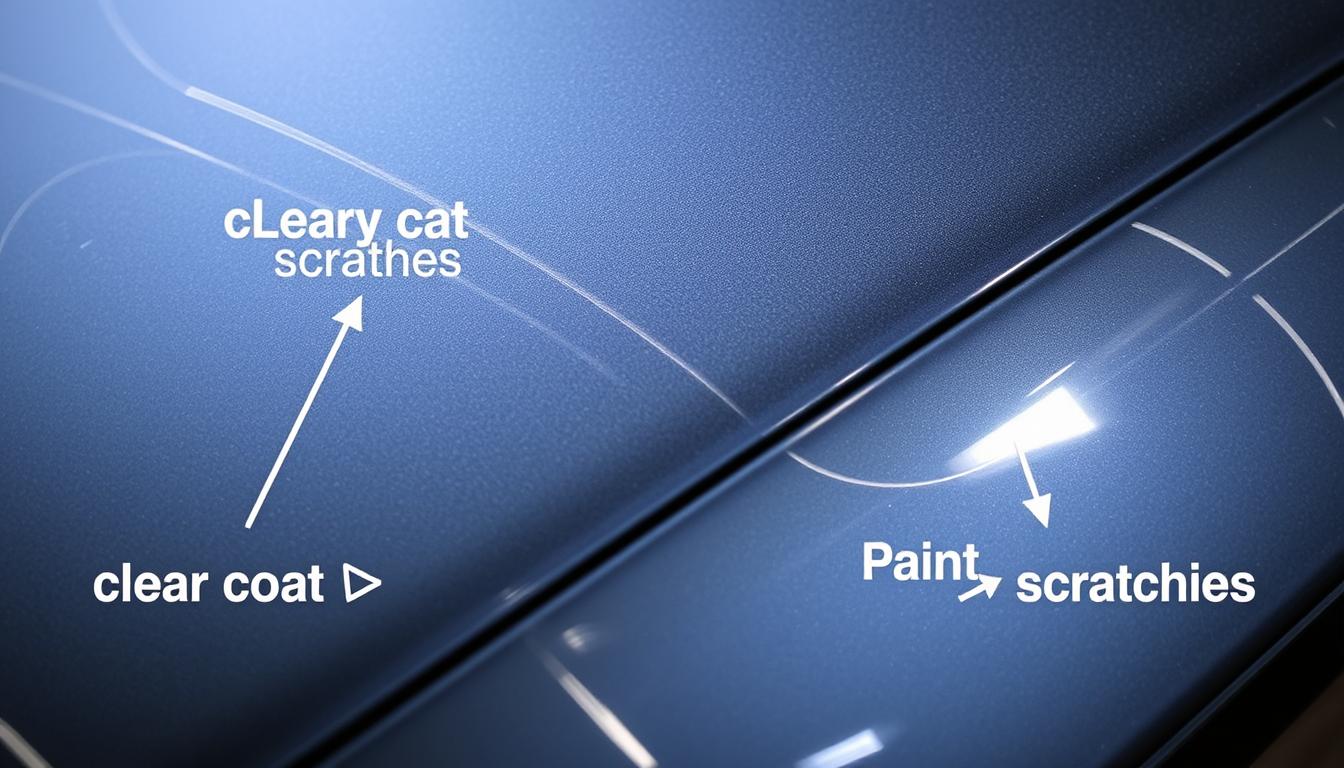
Visualizing Scratch Depth vs. Repairability
Car paint is applied in layers. See where a scratch must stop to be safely fixable with machine buffing or polishing.
✓
Shallow (Within Clear Coat)
How to fix: Hand polish or machine buffing. Since the scratch has not breached the color base coat, you can safely polish down the surrounding clear coat until it is flush with the scratch’s depth.
✗
Deep (Through Paint & Primer)
How to fix: Touch-up paint or professional respray. Buffing will not fix this; aggressive polishing will wear away the surrounding clear coat completely, making the damage far more expensive to repair.
Data published in PPG refinish specifications reveals that the clear coat provides the actual glossy finish.
This top layer absorbs ultraviolet rays to protect the fragile color pigment underneath from oxidation.
When a car gets scratched, the light reflecting off the sharp edges of the groove creates the visible blemish.
Our research indicates that the scratch remains repairable as long as it does not penetrate the color layer.
The mechanical process of leveling involves removing a microscopic portion of the clear coat to match the depth of the scratch.
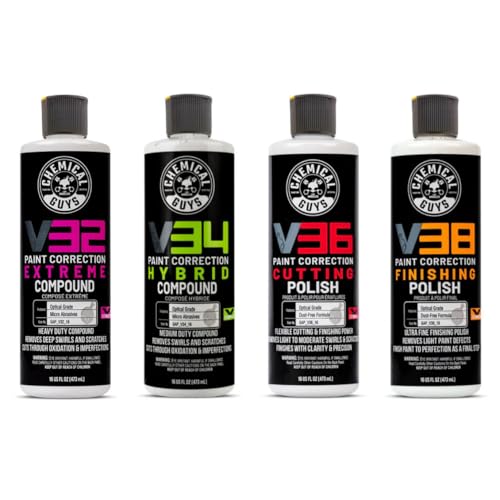
We use a rubbing compound vs polishing compound to safely smooth down these elevated edges and eliminate the shadow.
This leveling action makes the scratch completely invisible to the naked eye without requiring fresh paint.
By removing only the damaged microscopic top portion, we preserve the structural integrity of the paint.
Understanding this layering system prevents costly mistakes when repairing minor aesthetic blemishes.
Let us examine the exact numbers and physical thresholds that define these paint layers. This simple DIY method only works if the scratch remains safely above critical clear coat damage thresholds.
What Clear Coat Damage Thresholds Tell Us

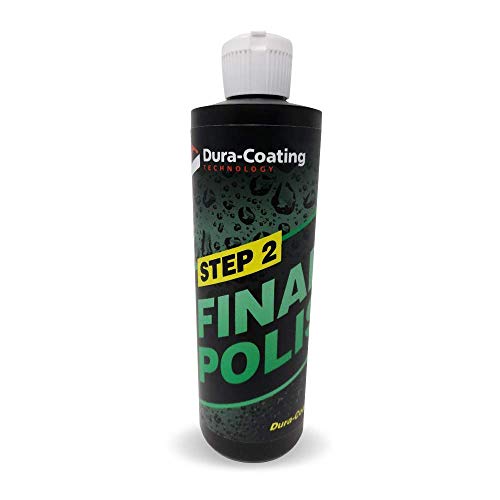
Data from paint measurement studies shows that modern factory clear coats range from 1.5 to 2.0 mils, which is roughly 35 to 50 microns thick.
According to the International Detailing Association guidelines, a single sheet of paper is thicker than this protective layer.
Safety standards dictate that you should never remove more than 25 percent of the total clear coat thickness during correction.
Removing more than 12 microns of material permanently compromises the paint’s ultraviolet resistance.
The Microscopic Reality of Your Car’s Paint
Clear coat thickness compared to a single sheet of paper
Danger Zone (Remaining 75% / ~30µm)
To determine if your damage exceeds this threshold, you can perform the fingernail test car scratch inspection.
- Factory clear coat depth: 35 to 50 microns of total protective thickness.
- Maximum safe removal limit: 25 percent of the total original clear coat.
- Fingernail test limit: Any scratch that catches your nail is too deep to buff.
If your fingernail slips over the groove without catching, the scratch rests within the repairable zone.
If your nail catches, the scratch has penetrated into the base coat or the primer.
Attempting to buff out a deeper scratch will only thin the surrounding clear coat unnecessarily.
In these situations, the risk of burning through the remaining clear coat increases drastically.
When these structural thresholds are exceeded, professional restoration standards must be applied. Crossing these clear coat thresholds means you should hand the job over to professional automotive detailers.
When to Hire Professional Automotive Detailers

Industry experts confirm that DIY enthusiasts should avoid aggressive mechanical polishing when scratches penetrate near the color base coat.
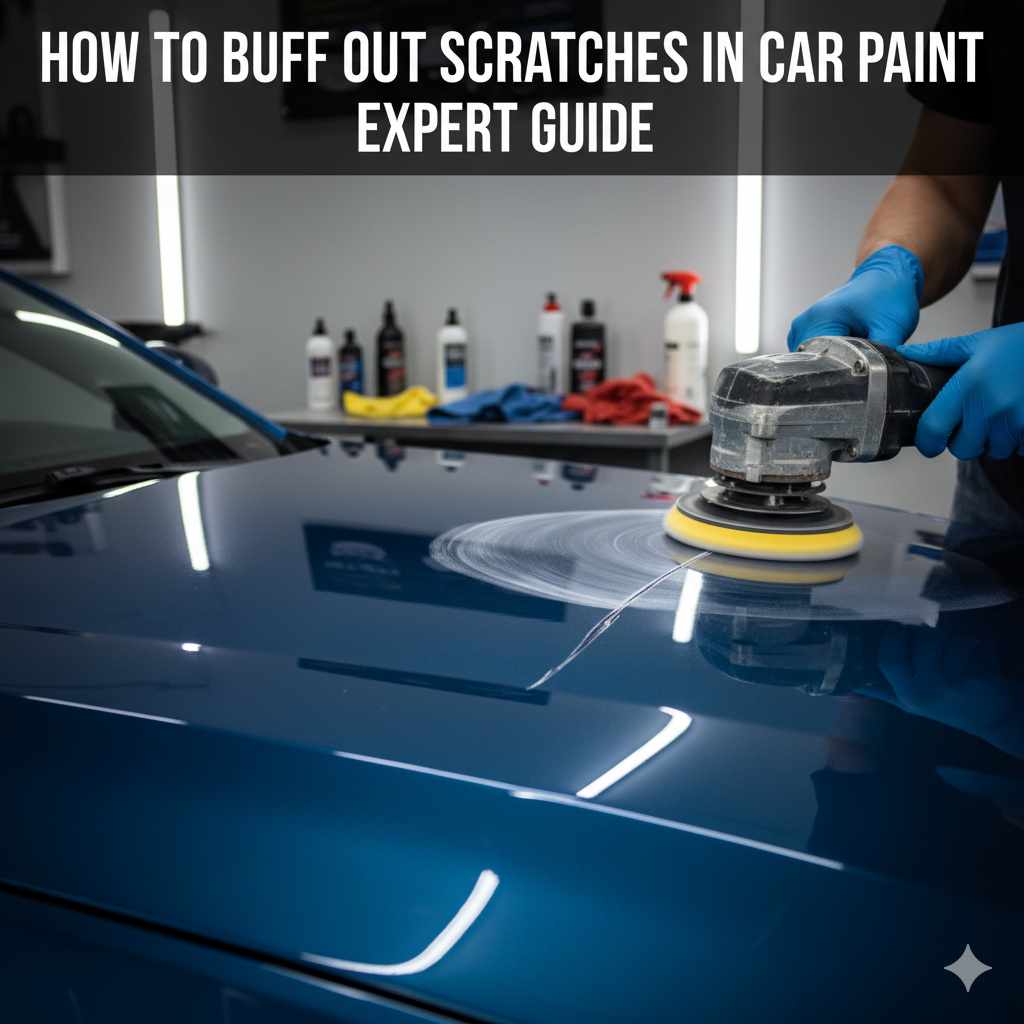
Using rotary buffers without experience often leads to clear coat burn-through, which ruins the paint permanently.
Once you burn through this top layer, the exposed base coat will quickly oxidize and peel under direct sunlight.
Professional detailers utilize electronic paint depth gauges to measure the remaining clear coat before polishing.
According to AAA approved repair standards, deep scratches require wet-sanding and multi-stage machine compounding.
These advanced leveling techniques require precise heat management to keep the paint from bubbling.
If you attempt these steps at home without professional training, you risk stripping the entire clear coat.
Detailers use professional-grade paint gauges to ensure they do not sand away the remaining protective layer.
For severe paint damage, consulting an official facility is the safest option.
You can review the Nissan Service Center Staten Island Real Experience to see how certified shops handle complex exterior paint and body repairs.
Understanding these expert limits helps isolate the specific elements that dictate paint repair success. Even the best pros must first analyze the unique factors that dictate paint correction success.
5 Primary Factors Affecting Paint Correction Success
Our research indicates that five isolated variables dictate whether paint correction successfully restores a vehicle’s shine.
Depth of Clear Coat Damage
The physical depth of the groove directly limits how much clear coat we must level.
Shallow scratches require only minor polishing, whereas deeper defects demand aggressive compounding.
Type of Automotive Paint Finish
Clear coat hardness varies significantly by manufacturer.
Studies show German vehicles often feature hard clear coats, while Japanese models utilize softer paint finishes.
Soft clear coats correct quickly but are highly susceptible to micro-marring and towel scratches.
Tool Selection for Buffing
Using the correct pad and compound combination prevents paint damage.
We must match the abrasive grit to the paint hardness to avoid creating deep swirl marks.
Dual-action polishers are safer for beginners than traditional high-torque rotary buffers.
Ambient Temperature During Repair
High temperatures cause compounds to dry too quickly on the vehicle surface.
Working in direct sunlight increases friction heat, which can soften and scorch the clear coat.
Always perform paint correction in a shaded, temperature-controlled environment for predictable results.
These paint variables directly influence the cost dynamics between home correction and expert assistance. Understanding these variables helps achieve a flawless finish that you can then protect with preventative maintenance.
DIY Repair Kits vs Professional Body Shop Services
Financial data from automotive repair networks shows a substantial cost gap between self-repair methods and commercial paint correction.
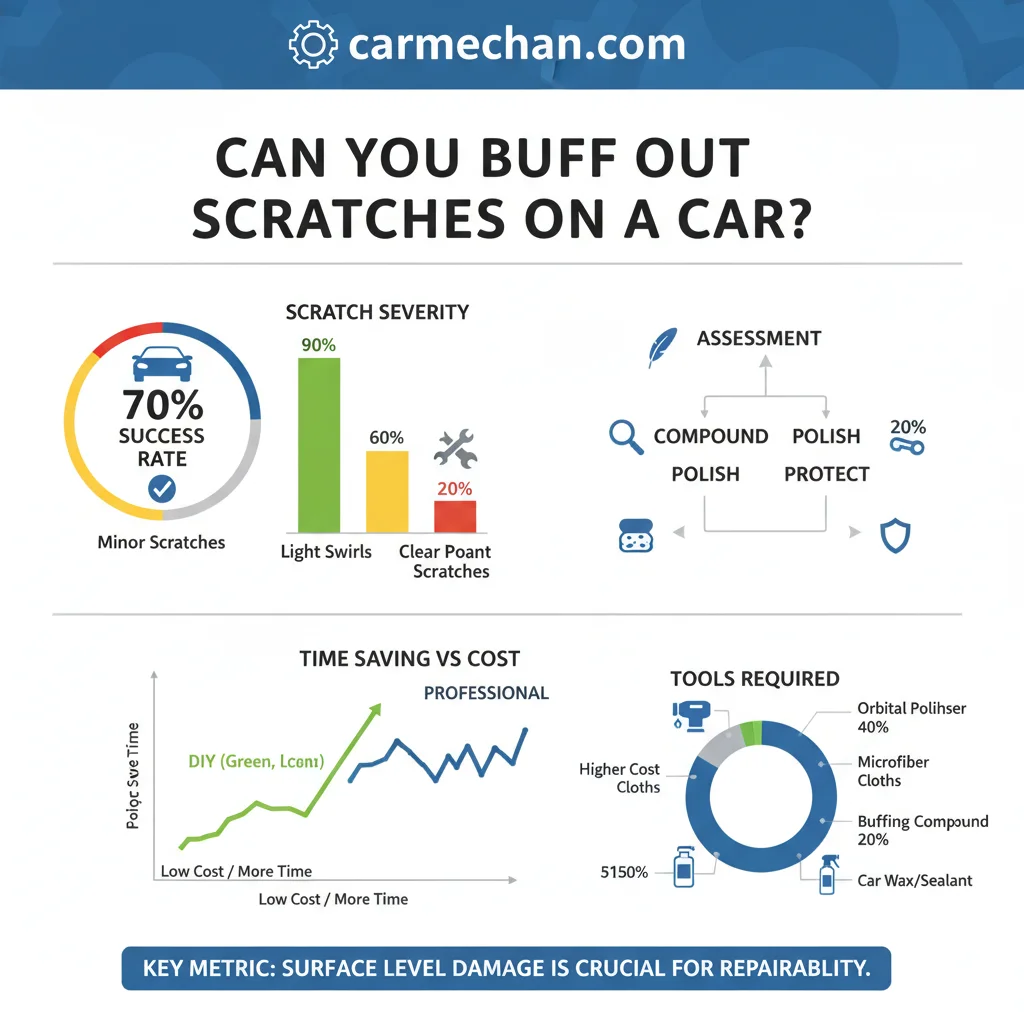
According to Cars.com maintenance price guides, professional paint correction rates vary depending on the severity of the damage.
While a home car scratch repair kit costs under fifty dollars, professional labor charges reflect the specialized tools required.
The following table compares the two approaches based on average industry figures.
| Repair Method | Average Cost | Time Required | Risk Level |
|---|---|---|---|
| DIY Scratch Kit | $20 to $50 | 1 to 2 Hours | Moderate |
| Professional Detailing | $250 to $1,000+ | 1 to 2 Days | Very Low |
Opting for a DIY approach saves significant money but carries the risk of paint damage if performed incorrectly.
Professionals provide guaranteed results by utilizing dual-action polishers and electronic paint gauges.
Furthermore, a professional body shop can safely wet-sand deep scratches that require repainting.
For car owners seeking a budget-friendly option, a simple DIY kit remains the most cost-effective solution.
Purchasing basic supplies at a local automotive store is often sufficient for light clear coat scuffs.
With these financial differences clear, we can detail the precise DIY repair process.
How to Remove Clear Coat Blemishes in 5 Steps
Detailing guides recommend a methodical five-step process to correct clear coat paint blemishes without damaging underlying layers.
Clean the Damaged Paint Surface
Decontaminate the work area completely before starting any polishing work.
Removing dirt and grit prevents you from dragging abrasive particles across the paint.
We recommend using a dedicated car wash soap followed by a clay bar treatment.
Conduct the Fingernail Scratch Test
Run your fingernail gently across the scratch to check the depth.
If your nail passes smoothly, you can proceed with the compounding process safely.
Ensure you do not apply excessive downward pressure during this diagnostic step.
Apply the Fine Compounding Polish
Place a dime-sized amount of clear coat scratch polish on your applicator pad.
Work the compound into the paint using overlapping circular motions under light pressure.
We use mild rubbing compound vs polishing compound based on the severity of the abrasion.
Buff Using Soft Microfiber Cloths
Wipe away the compound residue using a clean microfiber towel.
Inspect your progress under direct lighting to ensure the scratch has vanished.
Always use high-density microfiber to prevent creating fresh scratches on the freshly polished area.
Apply Protective Automotive Paint Wax
Seal the leveled paint to restore essential UV block protection.
Polishing strips away the existing protective layer, leaving the paint vulnerable to weathering.
For permanent protection against future damage, consider installing the Best Paint Protection Film For Cars.
Before applying these steps, we must address and debunk popular household scratch remedies.
Whether Household Remedial Materials Actually Protect Paint
Studies conducted by automotive surface laboratories warn against using household materials as alternative paint repair solutions.
Data from Consumer Reports paint testing indicates that DIY hacks often cause more harm than good.
For example, toothpaste contains hydrated silica particles designed for dental enamel, not automotive paint.
Applying toothpaste leaves a micro-hazed circular pattern on clear coats due to unregulated abrasive sizes.
Similarly, WD-40 consists of petroleum distillates that temporarily fill the scratch to mask it.
This oily substance washes away during the first rain, leaving the scratch exposed to rust.
Furthermore, the residual oil attracts road dust, which acts like sandpaper when wiped.
Many household glass cleaners also contain ammonia, which strips the paint’s essential protective sealants.
Using these unverified materials can turn a simple clear coat scratch into a full body shop repaint.
For trustworthy automotive maintenance advice, you should always consult verified resources like carmechan.com before applying household chemicals.
This concludes our scientific exploration of paint restoration capabilities.
When To Buff Out Your Car Scratches
To determine if can you buff out scratches on a car in 2026, you must identify the depth of the damage first.
Shallow surface scratches restricted to the clear coat can be buffed out safely at home using a $20 to $50 repair kit.
However, deep scratches that catch your fingernail require professional body shop correction to avoid clear coat burn-through.
Our research shows that popular household remedies like toothpaste or WD-40 fail to provide permanent solutions and can damage your paint.
By sticking to verified compounding and polishing techniques, you can preserve your clear coat safely.
Assess your car paint scratch using the fingernail test today to decide if a DIY fix or a professional detailer is your best path.
How Deep Of A Scratch Can You Buff Out
Does toothpaste actually remove scratches on a car?
No, toothpaste cannot permanently remove car scratches. While toothpaste contains mild abrasives that can level tiny surface imperfections, its unregulated silica particles often scratch clear coats. This abrasive action leaves a hazy circular pattern on your vehicle. It is always safer to use dedicated automotive polishing compound.
How do you know if a car scratch is too deep to buff out?
You can determine scratch depth by performing the classic fingernail test. Gently run your fingernail across the scratch; if your nail catches in the groove, the scratch has penetrated past the clear coat.
These deep scratches require professional painting or wet-sanding rather than a simple DIY buffing kit.
Is WD 40 safe for removing scratches on car paint?
No, WD-40 is not a safe or permanent solution for car paint scratches. It acts merely as a temporary lubricant that fills the scratch to hide it visually. Once it washes away, the scratch reappears, and the oily residue can attract harmful road grit.
How much does it cost to buff out a scratch professionally?
Professional paint correction costs typically range between $250 and $1,000 depending on depth. Minor single-panel corrections might cost less, while whole-vehicle multi-stage correction costs more. Professional shops use specialized rotary tools and electronic depth gauges to protect your clear coat.
Will buffing a scratch ruin my car paint?
Buffing will not ruin your car paint if you use correct compounds and light pressure. However, aggressive buffing or using highly abrasive rubbing compounds can burn through your clear coat. Always start with the least aggressive polish and a soft microfiber pad to protect your finish.
- PPG refinish specifications (ppgrefinish.com)
- rubbing compound vs polishing compound (motortrend.com)
- 1.5 to 2.0 mils (defelsko.com)
- International Detailing Association guidelines (theida.com)
- clear coat thickness (drbeasleys.com)
- AAA approved repair standards (aaa.com)
- Cars.com maintenance price guides (cars.com)
- Consumer Reports paint testing (consumerreports.org)