Optimal Oil For 2015 Nissan Rogue Essential Guide
Last Updated on September 1, 2026 by Ryan

⚡ Key Takeaways
- The 2015 Nissan Rogue typically requires 0W-20 full synthetic engine oil.
- The 2015 Nissan Rogue with the 2.5L 4-cylinder engine generally has an oil capacity of 4.875 quarts (or 4.6 liters) when including a new oil filter.
- For a 2015 Nissan Rogue using full synthetic oil, the recommended oil change interval is typically every 7,500 to 10,000 miles or every 6 months, whichever comes first.
- No, it is not recommended to use conventional oil in your 2015 Nissan Rogue.
- What specific type of engine oil (e.g., synthetic, conventional) and viscosity (e.g., 0W-20, 5W-30) is recommended?
The 2015 Nissan Rogue primarily requires 0W-20 full synthetic engine oil to ensure optimal performance and engine longevity. Its oil capacity is approximately 4.8 quarts (4.5 liters). This specific oil for 2015 Nissan Rogue models prevents premature wear and maintains fuel efficiency. This comprehensive guide will detail the exact oil type, capacity, and critical steps for its maintenance, ensuring you have the knowledge for proper upkeep.
We outline the importance of regular oil changes and provide an overview of the guide’s contents to empower your DIY efforts.
To begin, let’s clearly define what this guide covers:
What This Guide Details for Your Rogue


This guide focuses exclusively on providing precise and actionable information regarding engine oil and related maintenance for all 2015 Nissan Rogue models, regardless of trim or engine variant. We delineate the correct oil specifications, necessary tools, and safety protocols required for effective DIY service. It aims to equip you with the knowledge to make informed decisions and execute maintenance with confidence.
- Exact Oil Specifications: We specify the recommended viscosity (0W-20) and type (full synthetic) for your 2015 Nissan Rogue’s 2.5L engine, directly referencing manufacturer guidelines.
Recommended Engine Oil
Viscosity:
0W-20Type:
Full SyntheticCapacity:
4.8 quarts / 4.5 liters - Recommended Oil Filter Part Numbers: We list common and OEM (Original Equipment Manufacturer) oil filter part numbers compatible with your vehicle, ensuring correct fitment.
- Tools and Materials: We detail the essential tools and consumables required for a complete oil change, from wrenches to drain pans.
Essential 2015 Nissan Rogue Oil Change Checklist
-
New Engine Oil
(e.g., 0W-20 Full Synthetic, ~4.9 quarts for 2.5L engine) -
New Oil Filter
(Specific part number for 2015 Nissan Rogue) -
Oil Drain Pan
(Capacity for at least 5 quarts) -
Funnel
(To pour new oil without spills) -
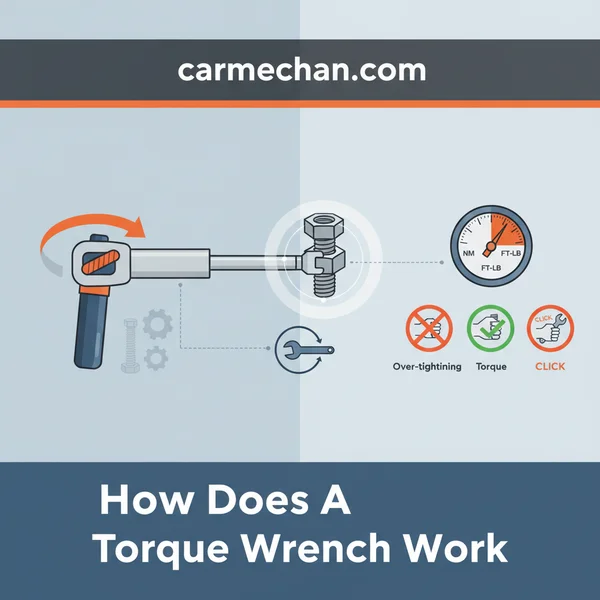
Torque Wrench
(For correct drain plug and filter tightening) -
Oil Filter Wrench
(Cap-style or band-style, fits Rogue filter) -
Socket Set / Wrench
(For drain plug, typically 14mm or 17mm) -
Safety Glasses
(Eye protection is crucial) -
Gloves
(Nitrile or work gloves for hand protection) -
Shop Rags / Paper Towels
(For cleanup of spills and drips) -
Car Ramps / Jack Stands
(To safely raise vehicle, if needed for access)
-
- Safety Precautions: We outline critical safety measures, including proper vehicle lifting, personal protective equipment, and handling of used fluids.
Who Benefits From This Oil Guide

This expert-level procedural guide is specifically tailored for the diligent 2015 Nissan Rogue owner who possesses fundamental mechanical aptitude and aims to perform their own routine oil maintenance. You should be comfortable with basic automotive tasks and have access to appropriate tools. Our goal is to provide a clear, unambiguous pathway for successful DIY service.
This guide presumes you have basic shop safety knowledge and can operate common hand tools safely. If you lack experience with vehicle lifting or fluid disposal, we recommend seeking assistance or reconsidering a DIY approach. This content does not address complex engine diagnostics or repairs; it is strictly limited to routine oil and filter replacement.
Following the 2015 Rogue Oil Protocol
Adhering to the correct oil change protocol for your 2015 Nissan Rogue is crucial for its long-term reliability and performance. We outline a precise, sequential procedure to ensure proper execution and prevent common errors. Always perform this service on a level surface with the engine slightly warm, not hot.

- Step 1: Gather Materials and Prepare the Vehicle. Collect your new oil (0W-20 full synthetic), a new oil filter, a drain pan, a funnel, a torque wrench, an oil filter wrench, a socket set, safety glasses, and gloves. Ensure you have proper tools for the job and adequate lighting.
- Step 2: Safely Lift and Secure the Vehicle. Use a hydraulic jack to lift the front of your Nissan Rogue, then immediately place jack stands under the vehicle’s frame rails. Verify the vehicle is stable and cannot shift before proceeding. If the vehicle wobbles or feels unstable, lower it and re-position the jack stands.
- Step 3: Locate and Position the Drain Pan. Place your oil drain pan directly beneath the engine oil pan. Ensure it has sufficient capacity to hold approximately 4.8 quarts (4.5 liters) of used oil. For specific guidance on component placement, refer to detailed instructions on oil filter location.
- Step 4: Drain the Old Engine Oil. Using the appropriate socket (typically 14mm or 15mm), carefully loosen and remove the oil drain plug from the oil pan. Allow the oil to drain completely into the pan, which typically takes 10-15 minutes. If the oil stream contains metal flakes or appears milky, stop draining and escalate to a professional technician.
- Step 5: Replace the Oil Drain Plug. Once the oil has fully drained, clean the drain plug and its sealing washer. Install a new sealing washer if your vehicle requires one. Reinstall the drain plug, then tighten it to the manufacturer’s specified torque, which is typically around 25 ft-lbs (34 Nm). Over-tightening can strip threads; under-tightening causes leaks.
- Step 6: Remove the Old Oil Filter. Position the drain pan beneath the oil filter. Use an oil filter wrench to loosen and remove the old oil filter. Be prepared for additional oil to drain out when the filter is removed. Allow all residual oil to drain before proceeding.
- Step 7: Install the New Oil Filter. Apply a thin film of new engine oil to the rubber gasket of the new oil filter. Screw the new filter on by hand until the gasket makes contact with the engine block, then tighten an additional three-quarters to one full turn. Do not use an oil filter wrench for final tightening, as this can lead to overtightening and gasket damage.
- Step 8: Refill the Engine with New Oil. Remove the engine oil filler cap. Using a clean funnel, slowly pour in approximately 4.5 quarts (4.25 liters) of 0W-20 full synthetic engine oil. Nissan recommends this specific oil viscosity for the 2015 Rogue’s 2.5L engine, typically found in the owner’s manual MotorTrend Group, a leading automotive publisher known for its in-depth reviews and technical articles. (Source: motortrend.com). The use of full synthetic oil offers superior engine protection and can allow for extended oil change intervals compared to conventional oils, as supported by automotive engineering research MotorTrend Magazine, a highly respected automotive journal providing expert analysis on vehicles and maintenance. (Source: motortrend.com).
- Step 9: Check Oil Level and Inspect for Leaks. Replace the oil filler cap. Start the engine and let it run for approximately one minute to circulate the new oil. Turn off the engine and wait 5 minutes for the oil to settle. Check the oil level using the dipstick; it should be between the “min” and “max” marks. Inspect around the drain plug and oil filter for any signs of leaks. If leaks are present, turn off the engine and re-evaluate the drain plug and filter tightness.
- Step 10: Dispose of Used Oil and Filter. Pour the old oil from the drain pan into an appropriate sealed container. Take the used oil and filter to a local auto parts store or recycling center for proper disposal. Verify compliance with local environmental regulations for hazardous waste.
Important Contraindications for Oil Service
Before proceeding with any oil service, it is paramount to identify specific conditions that contraindicate DIY intervention, requiring immediate professional assessment. Ignoring these warnings risks severe engine damage or personal injury. Always prioritize safety and professional expertise when these red flags appear.

If your 2015 Nissan Rogue exhibits any of the following symptoms, do not proceed with a DIY oil change. These conditions indicate underlying issues that necessitate immediate professional diagnosis and repair, which falls outside the scope of routine maintenance:
- Active Engine Warning Lights: If the “Check Engine” light, “Oil Pressure Warning” light, or any other critical engine warning light is illuminated on your dashboard prior to the oil change. This indicates a pre-existing condition.
- Unusual Engine Noises: Persistent knocking, tapping, or grinding sounds from the engine before or during operation. These sounds often signify internal engine wear or damage.
- Significant Oil Leaks: Large puddles of oil under the vehicle that appear continuously, rather than just a few drips. This suggests a major seal or gasket failure that an oil change will not resolve.
- Sudden Performance Loss: Experiencing a sudden drop in engine power, acceleration, or fuel economy. Such changes imply a more complex engine issue.
- Contaminated Oil Appearance: If the old oil on the dipstick or during draining appears milky, foamy, or contains significant metallic glitter. This contamination signals coolant intrusion or severe internal engine wear.
In any of these situations, immediately contact a certified Nissan service technician or a trusted independent mechanic. Attempting a DIY oil change under these conditions could exacerbate existing problems or mask critical diagnostic information.
Avoiding Common Oil Change Misapplications
Even with good intentions, several common misapplications can undermine the effectiveness of an oil change and compromise your 2015 Nissan Rogue’s engine integrity. We detail these pitfalls and their specific consequences to help you avoid them. Proper adherence to manufacturer specifications prevents costly repairs.

- Using Incorrect Oil Type or Viscosity: Applying an oil that does not meet the 0W-20 full synthetic specification for your 2015 Nissan Rogue can lead to inadequate lubrication, increased engine wear, and reduced fuel efficiency. The wrong viscosity affects oil flow at various temperatures, potentially causing friction and heat buildup, contributing to engine defect.
- Overfilling or Underfilling the Oil: Overfilling creates excessive pressure, potentially damaging seals and leading to foaming, which reduces lubrication effectiveness. Underfilling results in insufficient lubrication, causing metal-to-metal contact and rapid engine wear. Both scenarios severely impact engine longevity.
- Improper Oil Filter Installation: Failing to correctly seat the oil filter, not tightening it sufficiently, or overtightening it can lead to oil leaks or a blown gasket. An improperly installed filter cannot effectively trap contaminants, allowing abrasive particles to circulate through the engine.
- Reusing the Old Drain Plug Washer: The drain plug washer (or gasket) is designed for a single use. Reusing it often results in a poor seal, leading to persistent oil leaks from the drain plug area. Always replace this component to ensure a tight, leak-free seal.
- Failing to Torque the Drain Plug Correctly: Under-tightening the drain plug leads to leaks and potential loss of the plug, causing catastrophic oil loss. Overtightening strips the threads on the oil pan, requiring costly repairs or replacement of the entire oil pan. Always use a torque wrench to meet specifications.
Addressing Unique Oil Change Edge Cases
While the core oil change protocol applies broadly, certain unique scenarios for your 2015 Nissan Rogue necessitate adjusted approaches to ensure optimal engine protection. We address specific edge cases that demand deviations from standard practice. These adaptations ensure your vehicle receives appropriate care under varied conditions.
If your 2015 Nissan Rogue operates primarily in extreme hot climates (consistently above 90°F/32°C):
→ While 0W-20 is standard, consult your owner’s manual for alternative viscosity recommendations for extreme heat, which might suggest a slightly higher weight for sustained high-temperature operation. Maintain standard change intervals, or shorten them if driving conditions are severe.
If your 2015 Nissan Rogue has high mileage (over 75,000 miles/120,000 km):
→ Consider using a high-mileage specific 0W-20 full synthetic oil. These formulations often contain conditioners to help rejuvenate seals and reduce oil consumption in older engines. Stick to the regular service interval unless oil consumption increases significantly between changes.
If your 2015 Nissan Rogue experiences infrequent use (driven less than 500 miles/800 km per month) or sits for extended periods:
→ Even with low mileage, oil degrades over time due to oxidation and contamination. Ensure oil changes occur at least once every 6-12 months, regardless of mileage, to prevent corrosive buildup and maintain lubricant integrity.
When to Escalate Rogue Oil Concerns
Recognizing when a situation exceeds the scope of DIY intervention and requires professional expertise is a critical aspect of responsible vehicle ownership. This section specifies clear triggers for escalating 2015 Nissan Rogue oil concerns to a qualified technician. Prompt action prevents minor issues from becoming major problems.
If you observe persistent oil leaks from areas other than the drain plug or filter after a diligent DIY attempt, contact a certified automotive technician within 24 hours. These leaks may indicate a damaged oil pan, a failing front or rear main seal, or a compromised valve cover gasket. A technician possesses specialized tools for accurate diagnosis.
Should the oil pressure warning light illuminate on your dashboard immediately after an oil change, or if it flashes intermittently while driving, pull over safely and turn off the engine. Contact a professional tow service to transport your vehicle to a reputable repair shop. Driving with low oil pressure can lead to catastrophic engine failure.
If you notice any unusual engine noises (knocking, ticking, grinding) that persist after an oil change, despite correct oil level and type, cease driving the vehicle. Escalate to a diagnostic specialist or engine mechanic immediately. These sounds often signify internal component wear or damage that requires expert evaluation and potential disassembly.
Any signs of oil contamination, such as a milky appearance indicating coolant mixing, or a strong fuel smell in the oil, mandates immediate professional assessment. This requires a visit to a powertrain specialist to diagnose the root cause of the contamination, which DIY methods cannot address.
Essential References for Oil Maintenance
Accurate and reliable information underpins effective automotive maintenance. We refer to authoritative sources to validate the recommendations and protocols detailed in this guide for your 2015 Nissan Rogue. Consulting these references ensures adherence to best practices and manufacturer guidelines.
- Nissan Owner’s Manual for 2015 Rogue models: Provides official specifications for oil type, capacity, and maintenance schedules, confirming the 0W-20 viscosity recommendation.
- Automotive Engineering Journals and Research Papers: Support the claims regarding the superior protection and extended service intervals offered by full synthetic oils compared to conventional alternatives.
- ASE (Automotive Service Excellence) Certified Technician Standards: Underpin the procedural steps and safety recommendations for general automotive maintenance, promoting best practices.
FAQ
What is the recommended oil type for a 2015 Nissan Rogue?
The 2015 Nissan Rogue, particularly models with the 2.5L engine, requires 0W-20 full synthetic engine oil. This specific viscosity and type ensure optimal lubrication, fuel efficiency, and protection for your engine. Always verify the recommendation in your vehicle’s owner’s manual for definitive guidance.
How much oil does a 2015 Nissan Rogue take?
The 2015 Nissan Rogue has an oil capacity of approximately 4.8 quarts (4.5 liters). This measurement is for a complete oil and filter change. It is crucial to measure accurately during refilling and confirm the level with the dipstick after circulation to avoid over or underfilling.
Can I use conventional oil in my 2015 Nissan Rogue?
No, your 2015 Nissan Rogue is engineered for 0W-20 full synthetic oil. Using conventional oil may compromise engine protection, lead to premature wear, and void warranties. Synthetic oil offers superior performance, especially in varying temperatures, and is essential for the engine’s long-term health.
How often should I change the oil in my 2015 Nissan Rogue?
For most driving conditions, a 2015 Nissan Rogue using full synthetic oil should have its oil changed every 7,500 to 10,000 miles or every 6-12 months, whichever comes first. However, severe driving conditions (towing, extreme temperatures, frequent short trips) may necessitate more frequent changes. Consult your owner’s manual.
What oil filter should I use for my 2015 Nissan Rogue?
For your 2015 Nissan Rogue, use an oil filter specified for the vehicle, typically an OEM part or a reputable aftermarket brand that meets or exceeds OEM specifications. Popular brands include Wix, Mobil 1, Bosch, or Purolator, ensuring proper filtration and fitment. Always cross-reference with your vehicle’s specifications.
Conclusion
Maintaining the correct oil for your 2015 Nissan Rogue is a fundamental aspect of ensuring its longevity and optimal performance. By following the precise procedural steps and recommendations detailed in this guidefrom selecting the appropriate 0W-20 full synthetic oil to executing a safe and thorough oil changeyou empower yourself with expert-level care for your vehicle.
Remember to always prioritize safety, adhere to manufacturer specifications, and recognize when professional escalation becomes necessary. Consistent, informed maintenance prevents future issues and preserves your Rogue’s operational integrity for years to come.