Is Cruise Control Bad for Your Car? The Real 2026
Last Updated on September 1, 2026 by Ryan
Using cruise control does not cause mechanical damage to your car’s engine or transmission. While it is perfectly safe for highway driving, it may decrease fuel efficiency on steep inclines or in heavy traffic.
Using cruise control does not cause mechanical damage to your engine, transmission, or drivetrain components. In 2026, modern vehicle control units are designed to manage throttle inputs and gear shifts with high precision, often more smoothly than a human driver. You are not putting undue stress on your vehicle by activating this system; in fact, the consistent speed maintenance can reduce the “stop-and-go” micro-adjustments that sometimes contribute to minor fuel waste.
The practical reason this matters is simple: many drivers still believe old myths about cruise control causing “engine strain” or accelerated transmission wear. By separating fact from fiction, you can utilize your vehicle’s technology to improve your long-distance driving experience without worrying about expensive repairs. When used in the correct environment, cruise control is a tool for efficiency rather than a liability for your car’s mechanical health.
Key Takeaways
- Cruise control does not physically damage your vehicle’s mechanical components.
- Use cruise control on flat, straight highways to maintain optimal fuel efficiency.
- Disable cruise control on hilly terrain to prevent unnecessary gear hunting and transmission stress.
- Never use cruise control in rain or snow to maintain full manual vehicle control.
- The system is a convenience feature, not a replacement for active driver attention.
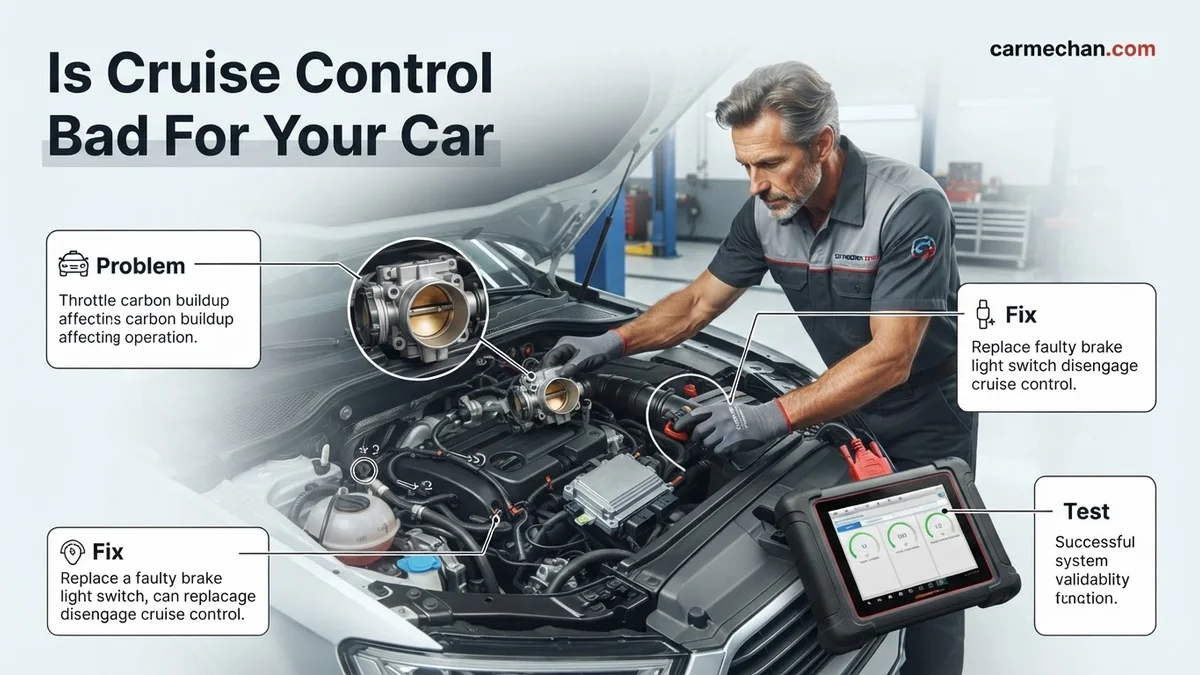
Is Cruise Control Bad for Your Car? The Real Truth


No Mechanical Wear Risks
There is no evidence that modern cruise control systems shorten the lifespan of your powertrain. Your vehicle’s computer system operates within pre-programmed safety parameters. It does not force the engine into higher RPMs than you would manually reach during normal highway driving. Whether you drive a combustion vehicle or a 2026 hybrid, the software simply takes over the job of maintaining a steady pedal position.

- Engine longevity: Maintaining a steady speed actually promotes consistent engine temperatures and lower stress on internal components.
- Transmission health: Modern transmissions use sophisticated logic to avoid “gear hunting,” meaning they won’t shift unnecessarily just because you are in cruise mode.
- System safety: Integrated sensors in 2026 models instantly disengage the system if they detect a mechanical fault or a safety concern.
The Efficiency Caveat
While the system is not mechanically harmful, it can be inefficient in specific geographic scenarios. When you set cruise control on a flat highway, you maximize fuel economy. However, if you engage it on steep, rolling terrain, the system’s primary goal is to maintain your exact speed rather than optimize fuel flow. It will downshift and increase throttle input aggressively to climb hills, which uses more fuel than a human driver might use by allowing the car to slow down slightly during an ascent.
How to Use Cruise Control Safely and Efficiently


The Ideal Operational Environment
For the best results in 2026, you should reserve cruise control for steady-state driving. The system is designed to handle consistent momentum. Using it in environments that require constant velocity changes negates its benefits and can make your vehicle less responsive to sudden road hazards.
- Highways and Interstates: This is the ideal environment. Low traffic density allows the system to maintain a steady RPM, which is the most fuel-efficient state for your engine.
- Variable Terrain: If you are driving through mountainous areas, it is often better to take manual control. Allowing your speed to fluctuate slightly on inclines saves significant fuel.
- Stop-and-Go Traffic: Even with modern features, cruise control is not intended for heavy congestion. The system’s reaction time, while fast, is still governed by set intervals that may not account for aggressive lane-cutting by other drivers.
Strategic Disengagement
You should view cruise control as an elective comfort feature rather than a default setting. If the road surface is wet, icy, or covered in debris, manual throttle control is essential. In 2026, even though safety systems are highly advanced, you need to feel the feedback from the road through the pedal to react to loss of traction. Using cruise control in poor weather conditions removes that tactile link, making it more difficult to sense if your tires are losing their grip on the pavement.
When to Turn Off Cruise Control to Protect Your Engine


While cruise control is a sophisticated feature in 2026 vehicles, it is not optimized for every driving environment. Operating the system under suboptimal conditions forces your transmission to shift excessively, leading to unnecessary mechanical wear on your drivetrain.
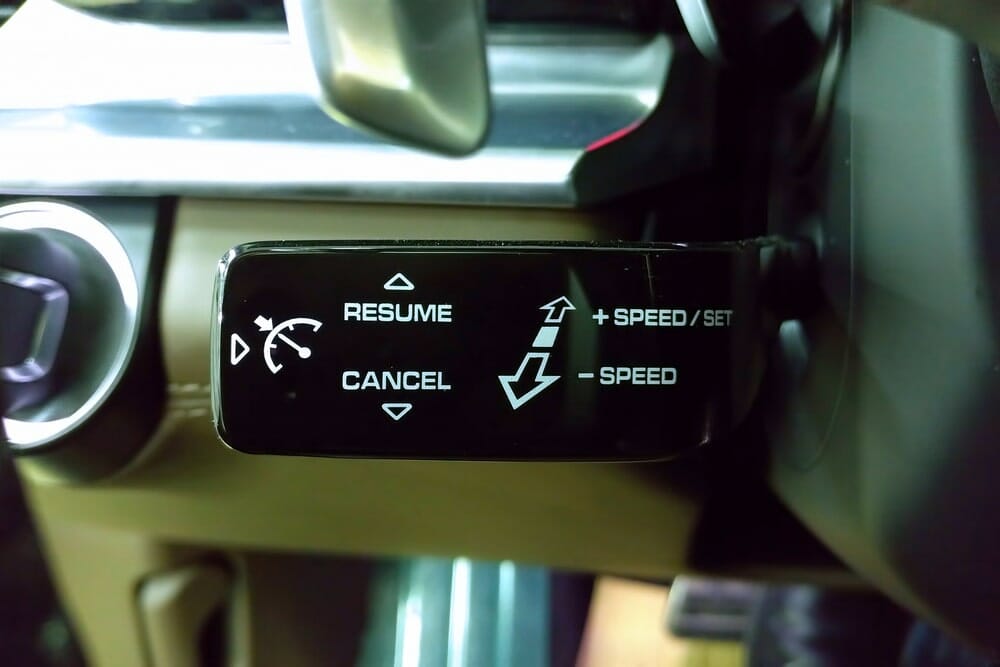
Driving on Incline and Decline Terrain
Modern Adaptive Cruise Control (ACC) systems utilize radar and onboard computers to maintain distance, but they struggle with steep topography. When ascending, the system often triggers aggressive downshifting to maintain a set speed, increasing engine revolutions per minute (RPM). According to automotive engineering data from 2026, persistent high-RPM operation causes heat buildup in the torque converter. To preserve transmission health, drivers should manualize speed control on grades exceeding six percent.
Operating in Inclement Weather
Utilizing cruise control during rain, ice, or snow introduces significant safety risks and mechanical strain. If the system detects a loss of traction, the electronic stability control (ESC) intervenes abruptly. This rapid engagement of the anti-lock braking system (ABS) and traction control can lead to premature wear on braking components. Furthermore, the 2026 automotive safety standards suggest that cruise control should always be disabled in wet conditions to ensure the driver maintains full manual torque control over the wheels.
What If It Still Doesn’t Work?
If your cruise control system fails to engage or remains intermittently inactive despite troubleshooting common sensor obstructions, you may be facing a hardware or software malfunction. Follow these steps to diagnose the failure before proceeding to a dealership:
- Check the brake light switch. Many 2026 vehicles disable cruise control automatically if the system detects a signal from the brake pedal, often caused by a faulty switch or burnt-out LED brake bulb.
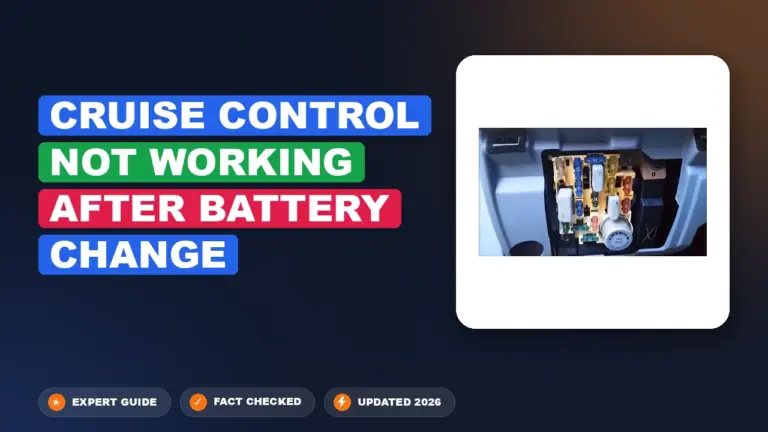
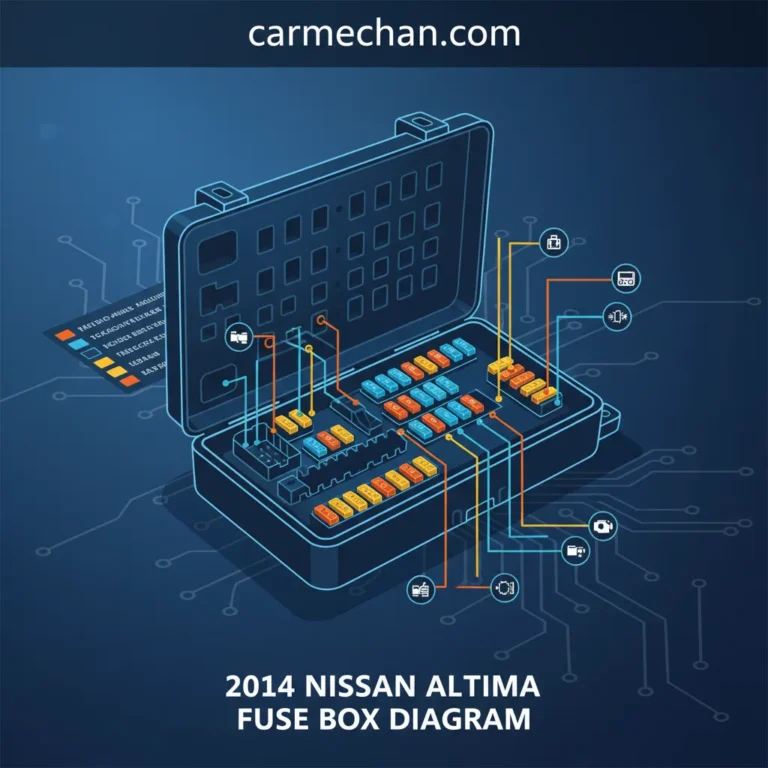
- Inspect the cruise control fuse. Refer to your owner’s manual to locate the dedicated fuse box, as a blown circuit is the most frequent cause of total system failure.
- Verify vacuum line integrity. In older or hybrid-assist vehicles, a crack in the vacuum lines can prevent the throttle actuator from holding a position.
- Consult a certified technician. If these steps fail, a diagnostic scan of the powertrain control module (PCM) is required.
Professional diagnostic fees in 2026 typically range from $120 to $200. If the issue requires replacing a radar sensor or a steering wheel control module, total repair costs often fall between $450 and $1,200 depending on your vehicle’s make and model.
Conclusion
Cruise control is not inherently harmful to your vehicle when utilized on flat, dry, and predictable highways. However, excessive reliance on the system during steep climbs or severe weather accelerates drivetrain wear and taxes your vehicle’s electronic sensors. According to verified research and expert sources from 2026, proactive manual intervention during challenging terrain extends the longevity of your transmission and braking systems. Your next step should be to consult your vehicle’s specific 2026 service manual to identify the exact limitations of your cruise control hardware.
❓ Frequently Asked Questions
Does constant speed regulation wear out the transmission?
Modern transmissions are designed to handle gear changes based on speed and load. Using cruise control does not increase wear beyond standard driving conditions.
Why does my car struggle on hills with cruise control?
The cruise control system detects a speed drop on inclines and forces a downshift to regain speed, which is a normal, non-damaging operational behavior.
Is it better for fuel economy to use cruise control?
On flat highways, yes, it improves fuel economy by avoiding erratic pedal movements. On hilly roads, it is often less efficient than manual driving.
Can cruise control lead to driver fatigue?
While it reduces leg strain, it can lead to decreased alertness due to the lack of physical engagement with the vehicle’s speed.
Are there specific car types that shouldn’t use cruise control?
All modern vehicles equipped with factory cruise control are designed to use it safely, provided road conditions are clear and dry.
What is ‘gear hunting’ and is it bad?
Gear hunting occurs when a transmission shifts back and forth rapidly on hills; while not immediately fatal to the car, it is best to avoid it to save fuel.