
Cruise Control Not Working After Battery Change: Solved
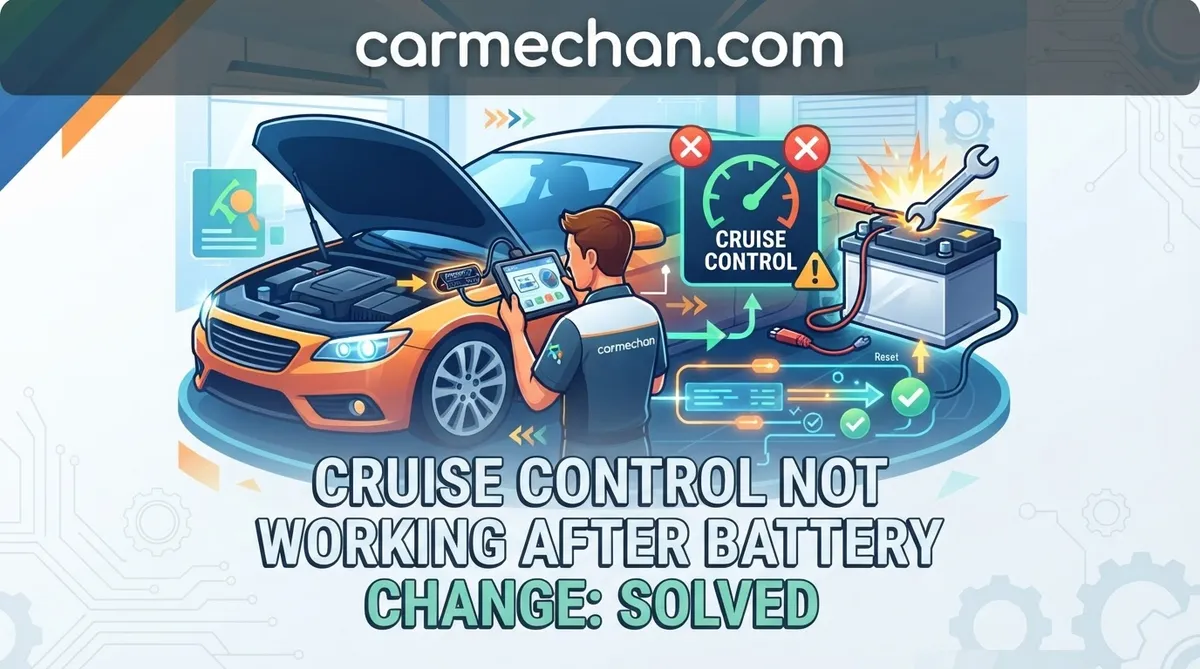
You just swapped your car battery to resolve a persistent starting issue, but now you find your steering wheel buttons feel disconnected from the drivetrain. You press the “SET” button, and nothing happens. This is a common frustration for owners of modern vehicles, which function as integrated, rolling computer networks. Disconnecting the battery cuts power to the Keep Alive Memory (KAM), effectively wiping the essential system calibrations that allow the Engine Control Module (ECM) and cruise control system to communicate. In this guide, we will diagnose whether your cruise control is simply de-programmed or truly faulted, and provide the precise relearn procedures to restore your vehicle’s functionality.
Why Cruise Control Fails After Battery Replacement
Recommended Best Deal Products


To understand the cruise control not working after battery change phenomenon, one must recognize how modern vehicle architecture manages power. When the main power source is removed, the volatile memory within the vehicle’s control modules is purged.
📤 Share Image
The Role of Keep Alive Memory (KAM)
Modern vehicles utilize Keep Alive Memory (KAM) to store short-term operational data, such as fuel trim adjustments, idle speed settings, and sensor calibration values. When you disconnect your battery, the power source for the KAM is severed. The Engine Control Module (ECM/ECU) resets to its factory default “base” map. If the factory defaults are incompatible with the current mechanical state of your engine (which has likely accumulated wear or carbon buildup), the cruise control system may stay offline to prevent unstable throttle modulation.
System Interdependency: ESC and Cruise Control
Cruise control does not operate in a vacuum; it is deeply integrated with the Electronic Stability Control (ESC) and Anti-lock Braking System (ABS). Specifically, the Steering Angle Sensor (SAS) must report a “zero-point” value to the vehicle computer. If the SAS loses its orientation after a battery swap, the computer assumes the vehicle might be in an active steering maneuver. For safety reasons, the ECM will disable cruise control to ensure the driver remains in full manual control of the vehicle, preventing any automated acceleration during a suspected instability event.
By The Numbers
Cases resolved by software reset
Typical drive cycles to relearn

How to Reset Cruise Control After Battery Change
If your dashboard is displaying a stability control or traction control light alongside the inactive cruise control, your vehicle is likely waiting for a sensor handshake. Follow these steps to perform the necessary recalibrations.
📋
Step-by-Step Recovery Procedures
Recommended Best Deal Products


Start the engine and ensure the vehicle is on level ground. Turn the steering wheel all the way to the left until it hits the lock, then turn it all the way to the right until it hits the lock. Return the wheel to the center position. Drive the vehicle straight at 15–20 mph for at least 100 yards. This sequence forces the SAS to establish the “center” zero-point.
Allow the engine to reach operating temperature. Turn off all accessories (A/C, lights, radio). Idle the car in Park or Neutral for 10 minutes. This allows the computer to calibrate the Throttle Body Actuator position relative to the current idle air flow, which is a prerequisite for cruise control engagement.
A “drive cycle” involves driving the vehicle under varied conditions (stop-and-go, steady cruising at 50 mph, and deceleration without braking). This allows the ECM to verify all sensor inputs and clear any “pending” codes that are preventing cruise control from entering “Ready” status.
Diagnosing Persistent Cruise Control Malfunctions
If you have performed the recalibration procedures and the system remains unresponsive, you must look for deeper electrical faults. A systematic diagnostic approach is required here.
- Checking Brake Pedal Position Switch Signals: The brake switch is the primary kill-switch for any cruise system. If the switch is slightly misaligned or failing, the system assumes the brake is depressed and will refuse to set. Use a multimeter to ensure the switch circuit opens and closes as intended.
- Reading Diagnostic Trouble Codes (DTCs): Connect a quality OBD-II scanner to your vehicle’s port. Even if no “Check Engine” light is illuminated on the dash, there may be “Stored” or “Pending” codes in the Body Control Module (BCM) or ABS module regarding communication loss. These codes are vital to localize the fault.
- When Battery Registration is Required: For many modern European and luxury vehicles, simply swapping the battery is insufficient. You must use a diagnostic tool to perform Battery Registration. This notifies the Battery Management System (BMS) that a new battery is present, resetting the charging profile. Without this, low voltage fluctuations can cause the system to intermittently disable non-essential features like cruise control.
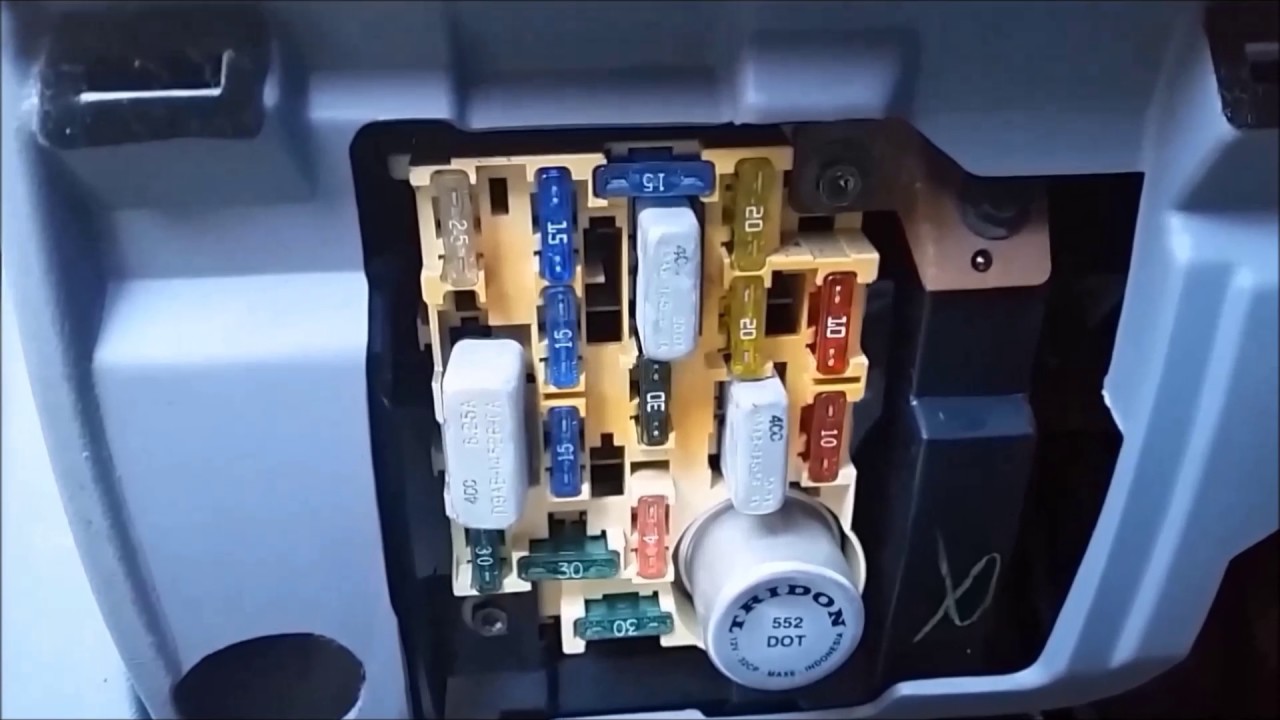
- Verifying Fuse Integrity: Surges occur during battery terminal contact. Check the fuse box specifically labeled for “Cruise,” “PCM,” or “Body Module.” A blown fuse is a physical barrier that no amount of software resetting can overcome.
Safety Warnings: Pitfalls of DIY Electrical Service
Recommended Best Deal Products


Attempting to fix your vehicle’s electrical issues requires caution. Improper handling of the electronics can lead to more expensive repairs or, worse, safety system failure.
Never drive aggressively to “force” the car to learn. If the steering angle or throttle position sensors are significantly out of calibration, driving aggressively can cause the vehicle to enter “Limp Mode,” limiting engine power and potentially causing transmission damage. Always follow the manufacturer’s specified relearn drive cycles.
Warning Signs in Related Systems
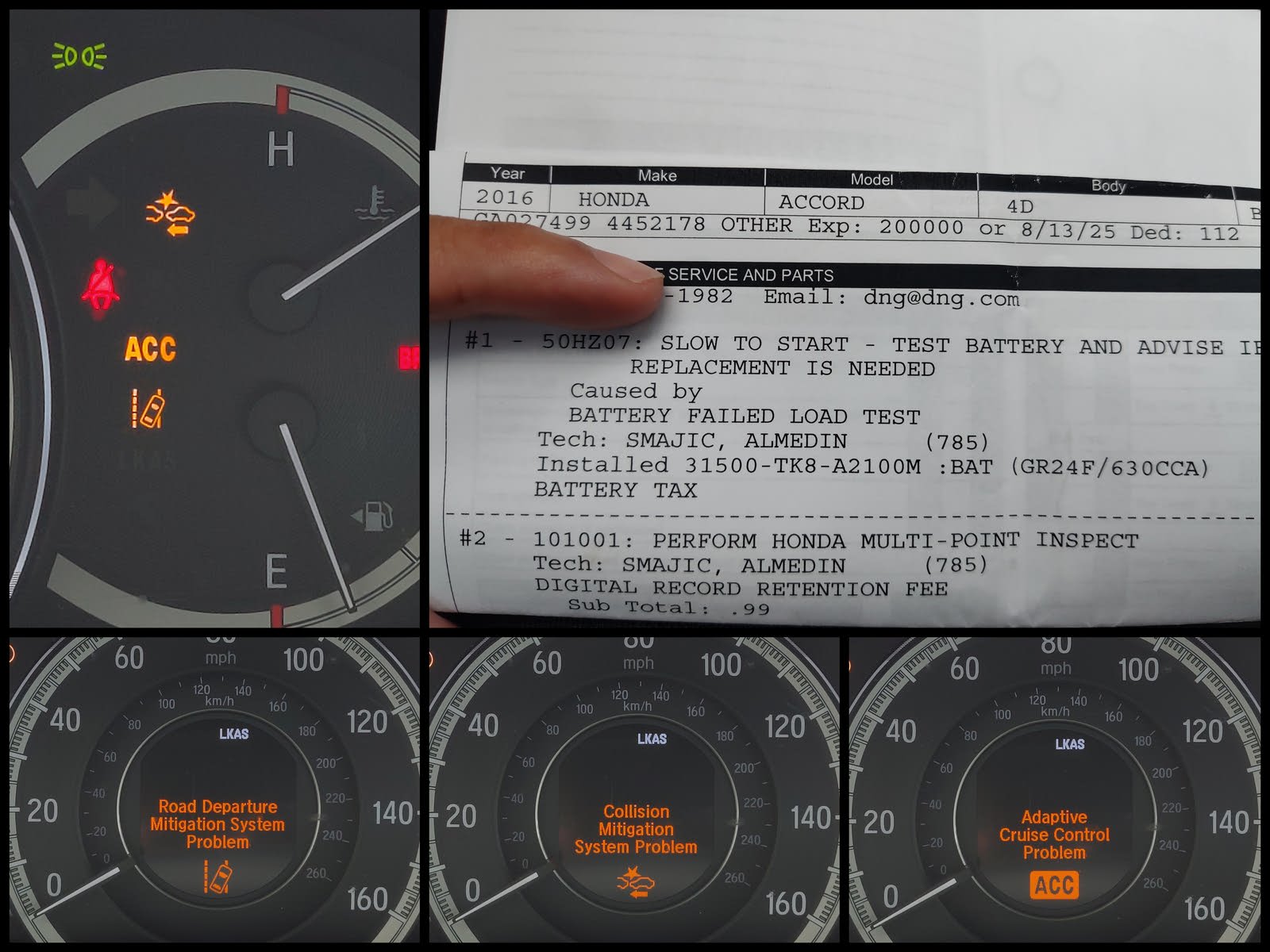
If your dashboard lights for ABS, Traction Control, or Stability Control remain illuminated after your initial test drive, stop immediately. These systems share critical data buses with your cruise control. Ignoring these warnings is dangerous, as they indicate that the vehicle’s safety intervention systems are compromised, not just the convenience features.
Risks of Loose Battery Terminals
Ensure your terminal connections are clean and torqued to specification. A loose terminal can cause voltage spikes and drops that occur faster than the human eye can see. These micro-fluctuations are the primary cause of intermittent electronic failure in late-model vehicles. If the Powertrain Control Module (PCM) experiences a voltage dip, it will often log a “Low Voltage” error code, which can automatically kill the cruise control system until the code is cleared with an OBD-II scanner.
Conclusion: Restoring Your Cruise Control
When you find yourself dealing with cruise control not working after battery change, remember that modern vehicle systems are highly sensitive to power interruptions. In the vast majority of cases, this is a software calibration issue rather than a hardware breakdown. By performing the SAS steering lock-to-lock reset and allowing the car to complete a full drive cycle, you can often restore full functionality within minutes.
Always verify the integrity of your physical connections and be mindful of warning lights on your dashboard. If the issue remains unresponsive after a thorough diagnostic scan and multiple drive cycles, you are likely dealing with a deeper module communication error. In these instances, consult a professional technician to perform a software flash or a deeper diagnostic interrogation of your vehicle’s control modules to avoid long-term system damage.
Cruise Control Not Working After Battery Change: Frequently Asked Questions
Do I need to reset my computer after changing the battery?
Not usually a manual reset, but your car’s computer, or ECU, often performs an ‘idle relearn’ and sensor calibration process automatically. While it manages itself, some specific modules like the Steering Angle Sensor or electronic throttle bodies may require you to perform a drive cycle or lock-to-lock steering maneuvers to ‘teach’ the computer the correct parameters for operation.
Why does my cruise control light flash after a battery change?
A flashing cruise control light is almost always an indicator that the system has detected a fault or has lost its ‘zero-point’ calibration. This often happens because the loss of battery power caused the module to lose its baseline reference for vehicle speed or steering angle. It is a safety feature intended to prevent the system from engaging under incorrect sensor data.
Is my cruise control broken or just de-programmed?
It is highly likely that your cruise control is simply de-programmed or in a ‘pending fault’ state rather than physically broken. Because the system relies on digital communication between the ABS, engine, and steering modules, a voltage drop from a battery change can disrupt this ‘handshake.’ A proper calibration cycle usually resolves the issue without needing parts.
Can a loose battery terminal cause cruise control to fail?
Yes, absolutely. A loose battery terminal creates intermittent resistance, leading to voltage fluctuations. Modern ECUs are extremely sensitive to these dips; if the voltage drops below a certain threshold while you are driving, the cruise control module will automatically disable itself to prevent erratic behavior. Always ensure terminals are clean and tightened to the manufacturer’s torque specification.
What is the ‘steering angle’ reset process?
The steering angle reset is a procedure to recalibrate the sensor that tells the car how much the steering wheel is turned. After a battery disconnect, the sensor loses its center point. To reset it, start your engine, turn the steering wheel all the way to the left until it stops, then all the way to the right until it stops, and return to the center.



