How to put on cruise control: Mastered in 5 Steps
Ever feel like your right foot is tired after a three-hour drive? Constant pressure on the accelerator on long stretches of highway can be exhausting, and maintaining a consistent speed is a challenge for even the most experienced motorists. Many drivers are intimidated by the buttons on their steering wheel or don’t fully understand the safety limitations of their speed control systems. In this guide, we will cover exactly how to put on cruise control, how to use it for maximum fuel efficiency, and the critical safety rules you must follow to protect yourself and your passengers.


Understanding How Cruise Control Systems Function
To master speed management, you first need to understand the underlying mechanics. Cruise control is not merely a “set and forget” feature; it is a sophisticated closed-loop feedback system. It bridges the gap between your desired speed and the mechanical reality of the road.
📤 Share Image

Primary System Components Explained
The system relies on four primary components: the Control Module (the brain), Steering Wheel Switches (your interface), the Vehicle Speed Sensor, and the Throttle Actuator. When you engage the system, the control module monitors input from the speed sensor. If the vehicle begins to slow down—due to an incline, for example—the throttle actuator automatically adjusts the engine load to maintain the target velocity without requiring you to move your foot.
How the PCM Monitors Target Velocity
The Powertrain Control Module (PCM) acts as the final arbiter for cruise control. It constantly calculates the difference between your set speed and current speed. If it detects a discrepancy, it commands the throttle to open or close accordingly. The system will not engage until the vehicle reaches a minimum activation speed—generally between 20 and 30 mph—to ensure stability. Once armed, an icon on your instrument cluster illuminates, confirming the system is in “standby” mode and ready for your command.
How To Put On Cruise Control: Step-by-Step Guide
Engaging cruise control effectively is a skill that improves highway travel. Follow these precise steps to ensure you remain in complete control of your vehicle’s dynamics.
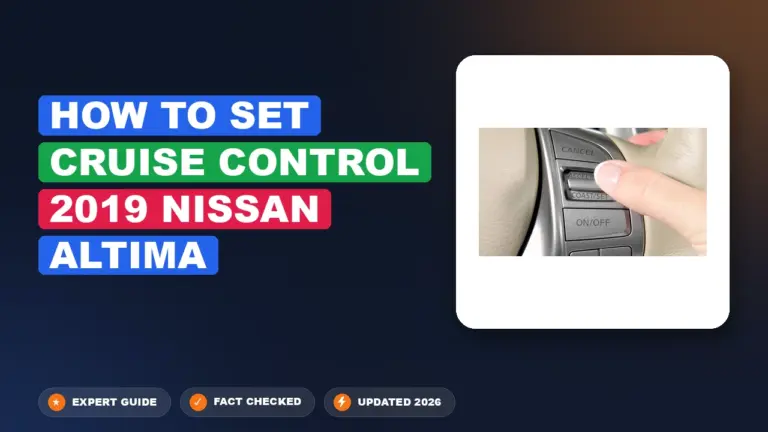
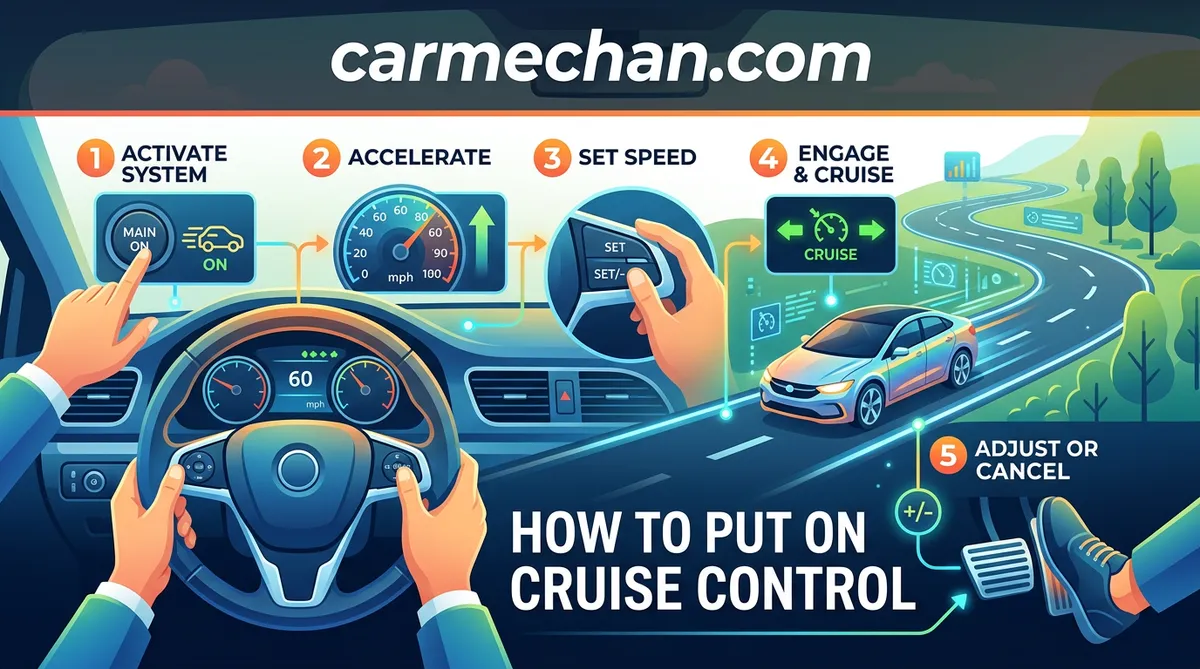
Reach your desired cruising speed. Once you are above the 20-30 mph threshold, press the “On” or “Cruise” button on your steering wheel. You will see an indicator light illuminate on the dashboard.
Once the system is armed, press the “Set” button. You can now release the accelerator pedal completely. The car will maintain the speed you were traveling at the exact moment you pressed the button.
Use the “+” (Accel) or “-” (Coast) buttons to incrementally increase or decrease your set speed. Each click typically adjusts your velocity by 1 mph.
Tapping the brake pedal is the universal method to immediately disengage the system. Alternatively, pressing the “Cancel” button will disengage the system while keeping your previously set speed stored in memory.
Mastering Resume and Cancel Functions


The “Resume” (RES) button is your best friend when you have to slow down for tolls or construction zones. Once your speed returns to or exceeds the minimum threshold, pressing “Resume” will command the PCM to accelerate the vehicle back to your previously stored speed automatically.
Comparing Standard Cruise Control vs. Modern Alternatives
Differentiating Speed Limiters from Speed Control
It is vital to distinguish between cruise control and a Speed Limiter. While cruise control maintains a floor (the speed you set), a speed limiter sets a ceiling. Once enabled, the limiter prevents the engine from accelerating beyond a specific threshold, even if you depress the accelerator pedal fully. This is a comfort and safety feature, not an automation tool for highway maintenance.
Essential Safety Protocols and Pitfalls to Avoid
While cruise control enhances comfort, improper use can lead to catastrophic failure. It is intended for highway use only and not for winding roads or heavy, unpredictable traffic.
- Wet Weather Warning: Never use cruise control on wet, icy, or snow-covered surfaces. If the vehicle hydroplanes, the system may detect a loss of traction and attempt to increase throttle to maintain speed, causing you to lose total control.
- Winding Road Risk: The system cannot “see” turns. Maintaining a set speed through a sharp curve can result in lateral force that exceeds your tire grip.
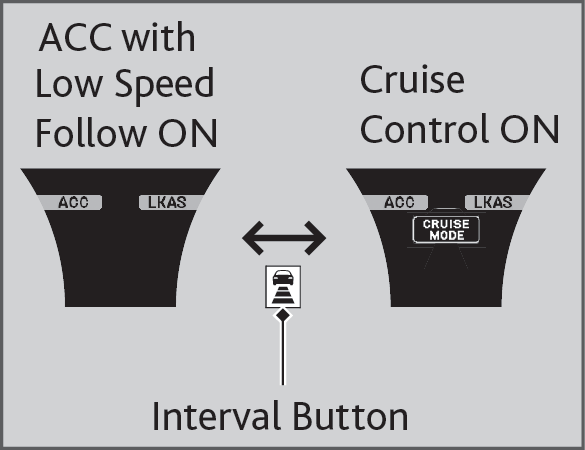
- The “Brain” Fallacy: Never assume the car will brake for you in standard systems. Only Adaptive Cruise Control (ACC) manages distance to the vehicle ahead.
- Situational Awareness: Your feet must remain ready to engage the brake instantly. Cruise control is a tool for stability, not a replacement for active driving.
Troubleshooting: How To Put On Cruise Control When It Fails
If your cruise control system fails to engage, the issue is often related to safety interlocks. The system is designed to disable itself the moment it detects a “brake event.”
Diagnosing Faulty Brake Pedal Switches
A common culprit is the Brake Pedal Switch. If the switch malfunctions, the control module may mistakenly believe the brake pedal is depressed, preventing the cruise system from arming. Similarly, a blown brake light fuse often disables the cruise function as a failsafe, since the car cannot confirm that the brake system is operating correctly.
If your cruise control isn’t working, check your brake lights first. A simple fuse replacement often solves the problem without requiring a trip to the mechanic.
By The Numbers
Potential fuel efficiency gain through consistent throttle application on flat terrain.
Standard minimum activation threshold for most modern passenger vehicles.
✅ Pros
- Reduces driver fatigue on long trips
- Optimizes fuel economy via steady load
- Helps prevent unintentional speeding
❌ Cons
- Reduced responsiveness in emergencies
- High risk on slick or winding roads
- Can lead to inattentive driving habits
Ultimately, cruise control is an excellent tool for highway stability when used correctly. By mastering your vehicle’s specific activation thresholds and keeping your attention on the road, you can harness this technology for a safer, more efficient commute. Remember, this system is a tool for highway stability, not a replacement for active driving. Always understand your specific vehicle’s activation thresholds and prioritize safety by keeping your feet ready to engage the brake instantly. Test your system on a quiet, straight stretch of road today to gain confidence before your next long-distance trip.
How to Put on Cruise Control: Frequently Asked Questions
Why won’t my cruise control turn on?
The most frequent cause is a faulty brake light switch or a blown fuse associated with the lighting system. Because the system is designed to disengage the moment you tap the brakes, a malfunctioning switch signals to the car that you are ‘braking,’ preventing the system from locking in your speed. Additionally, check for active ‘Check Engine’ lights, as these often disable electronic driving aids.
Does cruise control save gas?
Yes, in most highway driving scenarios, cruise control saves fuel by maintaining a constant throttle position. By avoiding the ‘pedal creep’ that occurs when a driver’s foot fluctuates, the engine maintains optimal RPM and fuel injection efficiency. However, it is less efficient on hilly terrain, where the system may downshift aggressively to maintain speed, potentially consuming more fuel than manual throttle management.
Can I use cruise control in the rain?


No. You should never use cruise control in rain, snow, or on icy roads. If your vehicle hydroplanes while the cruise control is active, the system may detect a sudden loss of traction and attempt to ‘correct’ the speed by adjusting throttle input, which can lead to a dangerous loss of vehicle control. Always maintain manual control of the accelerator and brake in inclement weather.
How do I cancel cruise control safely?
You can safely cancel cruise control by tapping the brake pedal, which is the most immediate way to disengage the system. Alternatively, press the dedicated ‘CANCEL’ button on your steering wheel to deactivate the system while leaving the previously set speed in the vehicle’s memory. This allows you to regain manual control without fully clearing the system’s current ‘set’ velocity.
What is the difference between set and resume?
The ‘Set’ button locks your current speed into the engine control module, telling the vehicle to maintain that specific velocity. The ‘Resume’ button is used after you have manually deactivated the system by braking or pressing ‘Cancel.’ When you press ‘Resume,’ the vehicle will automatically accelerate back to the last speed you had ‘Set,’ provided you are still driving above the minimum activation threshold.