Hyundai Venue Years to Avoid: What Buyers Need to Know
Last Updated on September 1, 2026 by Ryan
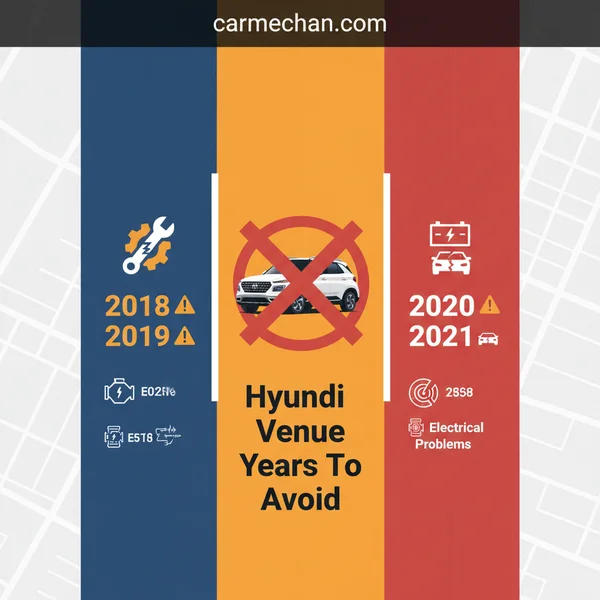
While no specific Hyundai Venue model years are widely cited as outright “to avoid” due to major systemic failures, it’s prudent for buyers to be aware of potential first-year production quirks for the 2020 model. The Venue generally offers solid urban reliability, but diligent pre-purchase inspections are always recommended.
🎯 Key Takeaways


- Focus on 2020-2021 models for early issue signs.
- Prioritize complete service history and maintenance records.
- Inspect for common minor electrical or sensor glitches.
- Test drive thoroughly, listening for unusual noises.
- Get a pre-purchase inspection by a trusted mechanic.
When you’re considering a used venue/” target=”_blank” rel=”noopener noreferrer” title=”Hyundai Venue Reliability Ratings and Reviews (Consumer Reports)”>Hyundai Venue, your primary concern is likely pinpointing which model years, if any, have a reputation for significant problems that could leave you with costly repairs. Unlike some other vehicles on the market with well-documented “avoid” years due to widespread engine or transmission failures, the Hyundai Venue largely escapes such broad condemnation. There isn’t a single model year that stands out as having catastrophic, widespread mechanical issues requiring an immediate red flag for buyers.
This doesn’t mean you shouldn’t be vigilant. While no specific year is universally deemed “unreliable” to the point of avoidance, understanding common trends and minor recurring issues across its short production run in North America will equip you to make a smarter purchasing decision. Focus your inspection on these specific areas rather than fearing an entire production batch.
Understanding Hyundai Venue Reliability Trends



The Hyundai Venue, introduced to the North American market for the 2020 model year, is a relatively new entrant in the subcompact SUV segment. Its reliability profile, therefore, doesn’t span decades of varying engineering decisions. So far, the Venue has generally demonstrated a solid, if not exceptional, reliability track record compared to its peers, especially when it comes to major mechanical components.

Overall Reliability Standing
Most reputable automotive consumer surveys and reports, such as those from J.D. Power and Consumer Reports, typically place the Hyundai Venue in an “average” to “above average” category for predicted reliability. This general standing is a good indicator that you’re not looking at a vehicle inherently plagued by design flaws that manifest into systemic failures across all units. Owners frequently praise the Venue for its simplicity, fuel efficiency, and ease of maneuverability, rarely reporting critical breakdowns in its first few years.
- No Catastrophic “Avoid” Years: Critically, there are no specific Hyundai Venue model years (2020, 2021, 2022, or 2023) that have accumulated a history of widespread, major mechanical failures like engine seizing, transmission collapse, or severe electrical system meltdowns that would warrant advising you to avoid them entirely. This is a significant piece of information for your buying process.
- Consistent Performance: The fundamental powertrain components, primarily the Smartstream 1.6L four-cylinder engine paired with Hyundai’s Intelligent Variable Transmission (IVT), have largely performed consistently across all model years without exhibiting patterns of premature failure.
Key Recalls and Their Impact
While no model year is marked by a fundamental flaw, the Venue, like almost every vehicle, has experienced a few recalls. These are important to be aware of, but they don’t signal unreliability, rather a manufacturer addressing potential safety or performance issues proactively. Ensure any used Venue you consider has had these recall services completed. You can verify this using the VIN on the NHTSA website.
- Seat Belt Pretensioners (2020-2022 Models): A notable recall involved potential over-pressurization of seat belt pretensioners during a crash, which could result in metal fragments entering the cabin. This affected a broad range of Hyundai and Kia models, including the Venue. This is a safety recall that needs to be addressed.
- Oil Pump Internal Components (Certain 2022 Models): A smaller recall for specific 2022 Venue models concerned issues with the oil pump. While an engine lubrication problem can be serious, this was limited to a specific batch and is corrected via repair.
- Instrument Cluster Software (2020-2021 Models): Some early models had a software glitch in the instrument cluster that could prevent certain warning lights from illuminating. This is a minor issue corrected with a software update.
These recalls, while important for safety and proper function, are not indicative of inherent unreliability or a reason to avoid an entire model year, especially once the required remedies have been performed.
Common Reported Issues Across Venue Model Years



Even without widespread catastrophic failures, owners occasionally report specific types of issues that, while generally minor, are worth noting during your pre-purchase inspection. These aren’t reasons to avoid a Venue year, but rather points of focus for a diligent buyer.
Intelligent Variable Transmission (IVT) Characteristics
The Venue utilizes Hyundai’s Intelligent Variable Transmission (IVT), which is a form of Continuously Variable Transmission (CVT). CVTs, by nature, can feel different to drive than traditional automatic transmissions. While the Venue’s IVT is generally robust for its class, some characteristics are occasionally mentioned by owners.
- “Rubber Band” Effect: You might notice a slight “rubber band” sensation or a less direct feel during acceleration compared to a geared transmission. This is typical of CVTs and not necessarily a fault.
- Noise and Vibration: A small number of owners report minor transmission whine or subtle vibrations, particularly under specific acceleration conditions. This is often within normal operating parameters for an IVT, but excessive noise or rough shifting would be a red flag. Pay attention during your test drive for unusually loud noises or significant hesitation.
It’s crucial to understand that these are usually operational characteristics rather than signs of impending failure. However, any harsh jerking, delayed engagement, or very loud grinding noises would warrant a professional inspection.
Minor Electrical and Infotainment Glitches
Like many modern vehicles packed with technology, the Hyundai Venue isn’t entirely immune to occasional electronic quirks. These are typically more of an annoyance than a critical reliability issue.
- Infotainment Freezes: Some owners have reported instances where the infotainment screen freezes or becomes unresponsive, requiring a system restart. Often, a simple software update from a Hyundai dealership can resolve these.
- Sensor Anomalies: Less frequently, you might encounter minor glitches with parking sensors or blind-spot monitoring systems, such as false alarms. These are usually intermittent and often related to environmental factors or minor sensor calibration issues.
- Connectivity Issues: Problems connecting via Apple CarPlay or Android Auto are sometimes reported. These are often resolved by updating your phone’s operating system or the car’s infotainment software.
During your test drive, spend some time interacting with the infotainment system, connecting your phone, and ensuring all basic electronic features work as expected. These issues are generally not expensive to fix but can be frustrating if overlooked.
Factors Influencing Used Hyundai Venue Durability
While some model years might have more reported issues than others, the overall durability of a used Hyundai Venue (or any car, for that matter) is heavily influenced by how it was treated throughout its life. It’s not just about the factory build; it’s about the care it received.
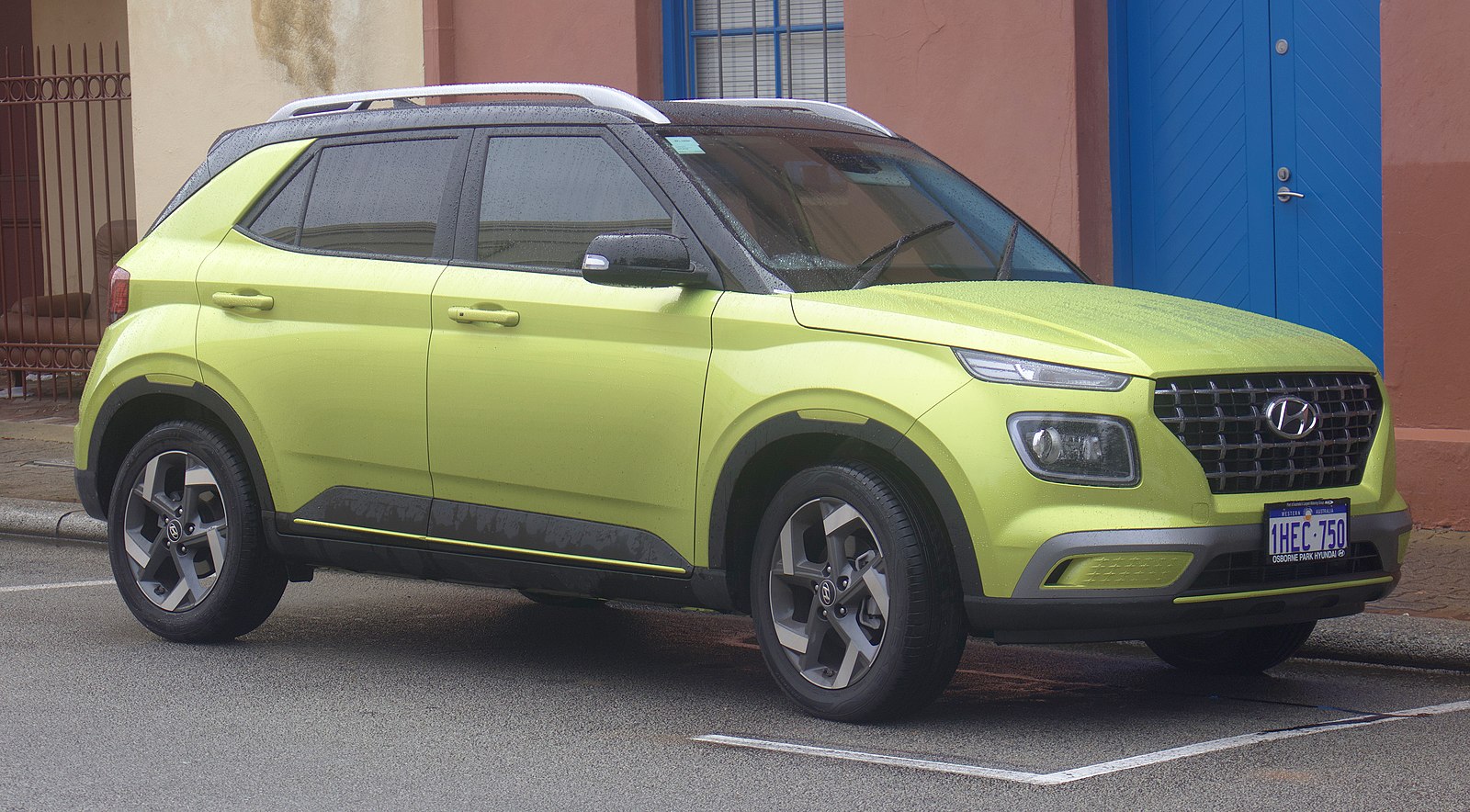
📤 Share
💾 Download
Maintenance History and Driving Habits
A car’s longevity often comes down to diligence. A Venue that has seen consistent, quality maintenance will typically fare much better than one that has been neglected, regardless of its model year. Think of it like this:
- Regular Oil Changes: Crucial for engine health, preventing premature wear and tear.
- Fluid Checks and Replacements: Transmission fluid, brake fluid, coolant – all play a vital role in preventing costly repairs down the line.
- Timely Service: Adhering to the manufacturer’s recommended service schedule, including tire rotations, filter replacements, and brake inspections, significantly extends a vehicle’s lifespan.
Beyond maintenance, the previous owner’s driving habits also make a huge difference. A Venue used primarily for gentle highway cruising will likely experience less stress on its engine, transmission, and suspension components than one subjected to aggressive city driving, frequent short trips, or heavy loads.
Regional Climate and Road Conditions
Where a car lives can be just as important as how it’s driven. Environmental factors play a significant role in a vehicle’s long-term health:
- Harsh Winters and Road Salt: Vehicles in regions with heavy snowfall and widespread road salting are prone to rust, especially on the undercarriage, brake lines, and suspension components. This can lead to structural integrity issues and expensive repairs.
- Extreme Heat: Constant exposure to high temperatures can accelerate the degradation of rubber components (hoses, belts), plastic parts, and fluids. It also puts extra strain on the air conditioning system.
- Rough Roads: If a Venue has spent its life navigating pothole-ridden streets or unpaved roads, its suspension system, tires, and steering components will likely show more wear than a car driven mainly on smooth highways.
Always consider the geographical history of the vehicle. A Venue from a mild climate with well-maintained roads often presents a better long-term investment.
Expert Tips for Buying a Reliable Used Venue
Even if you’re looking at a Venue model year generally considered reliable, due diligence is key. Don’t skip these crucial steps to ensure you’re getting a vehicle that will serve you well.
Thorough Pre-Purchase Inspection
This is arguably the most critical step when buying any used car. Never buy a used Hyundai Venue without having an independent, certified mechanic conduct a comprehensive pre-purchase inspection (PPI). They’ll spot things you might miss:
- Under the Hood: Check for fluid leaks, belt condition, battery health, and any signs of past repairs or damage.
- Undercarriage: Look for rust, exhaust system integrity, and suspension component wear.
- Brakes and Tires: Assess pad thickness, rotor condition, tire tread depth, and uneven wear patterns.
- Electronics and Features: Test all interior electronics, lights, windows, and infotainment system to ensure everything is functioning correctly.
A PPI provides an unbiased assessment of the car’s current condition and potential future repair needs, empowering you to make an informed decision or negotiate the price.
Vehicle History Report and Test Drive
Combine a professional inspection with a deep dive into the car’s past and a hands-on experience behind the wheel.
- Vehicle History Report: Purchase a report from services like CARFAX or AutoCheck. Look for:
- Accident History: Even minor fender-benders can sometimes lead to hidden issues.
- Service Records: Confirm regular maintenance was performed. Consistent records are a great sign.
- Ownership History: Fewer owners can sometimes indicate less wear and tear.
- Title Issues: Check for salvage, flood, or lemon titles, which are definite red flags.
- Comprehensive Test Drive: Drive the Venue on various road types – city streets, highways, and even some bumps if possible. Pay close attention to:
- Engine Performance: Listen for unusual noises, hesitation, or lack of power.
- Transmission Shifting: Should be smooth, without clunking or slipping.
- Braking: Feel for shuddering, pulling, or spongy pedals.
- Steering and Suspension: Any looseness, clunking, or excessive bouncing needs investigation.
- Warning Lights: Ensure no check engine or other warning lights are illuminated.
Your gut feeling during the test drive is also important; if something doesn’t feel right, it probably isn’t.
Conclusion
While the Hyundai Venue generally earns solid marks for reliability, being aware of potential issues in certain model years, combined with a thorough inspection process, is your best defense against buyer’s remorse. No matter which year you’re considering, understanding its maintenance history and having a trusted mechanic give it a once-over are non-negotiable steps. By combining knowledge of common issues with practical buying tips, you can confidently navigate the used car market.
Ready to find your perfect urban companion? Do your research, schedule that inspection, and hit the road for a test drive. Your ideal Hyundai Venue awaits!
❓ Frequently Asked Questions
Are there any specific Hyundai Venue model years to avoid due to significant reliability concerns?
No single Hyundai Venue model year stands out as having widespread, major reliability issues that warrant outright avoidance. As with many new models, the initial 2020 production year might have a slightly higher chance of minor “new model” kinks, but no critical widespread defects have been reported.
What are the most commonly reported problems for the Hyundai Venue, regardless of year?
Common, albeit generally minor, issues reported by some owners include occasional infotainment system glitches, sensitive sensors (e.g., tire pressure), and minor interior noise or trim concerns. These are typically not serious or costly to repair.
How does the Venue’s 1.6L engine perform in terms of long-term reliability?
The Venue’s 1.6-liter Smartstream MPI engine is known for its simplicity and efficiency, contributing to good expected long-term reliability. Regular maintenance, including oil changes and scheduled servicing, is key to its longevity.
What should I prioritize when checking a used Hyundai Venue’s history?
Always prioritize a comprehensive vehicle history report (like CarFax or AutoCheck) to check for accidents, salvage titles, flood damage, and consistent service records. A clear history significantly boosts confidence in a used purchase.
Is the IVT (Intelligent Variable Transmission) in the Venue reliable, or should I be concerned?
The IVT in the Hyundai Venue is designed for smooth, efficient operation and has generally shown good reliability. Unlike some older CVT designs, Hyundai’s IVT uses a chain belt, which is often considered more robust; proper fluid changes are vital for its longevity.
Beyond reliability, what other factors should influence my decision on which used Venue to buy?
Beyond reliability, consider the vehicle’s mileage, overall condition (interior and exterior), tire wear, brake life, and the presence of any desired features like specific infotainment options or safety tech packages. A thorough test drive is also essential.