How Often To Replace Cabin Air Filter In Car Car Cabin 2026
Last Updated on October 23, 2026 by Ryan
Replacing your car’s cabin air filter typically happens every 15,000 to 30,000 miles or annually, but this schedule varies significantly. Factors like driving conditions, local air quality, and personal health needs can shorten or extend its lifespan, making regular checks crucial for clean cabin air.
Knowing how often to replace your cabin air filter in your car is crucial for maintaining vehicle health and ensuring the well-being of its occupants. This small yet vital component plays a significant role in the air you breathe while driving. A clean cabin air filter ensures that dust, pollen, and pollutants are kept out of your vehicle’s interior.
We will explore the recommended timelines, factors influencing replacement, and the benefits of regular maintenance.
Replacing your car’s cabin air filter typically happens every 15,000 to 30,000 miles or annually, but this schedule varies significantly. Factors like driving conditions, local air quality, and personal health needs can shorten or extend its lifespan, making regular checks crucial for clean cabin air.
- Average replacement is 15k-30k miles or yearly.
- Driving conditions greatly impact filter life.
- Dirty filters reduce air quality and HVAC efficiency.
- Checking your filter is usually a simple DIY task.
- Regular replacement protects health and car systems.
Key Takeaways


- Average replacement is 15k-30k miles or yearly.
- Driving conditions greatly impact filter life.
- Dirty filters reduce air quality and HVAC efficiency.
- Checking your filter is usually a simple DIY task.
- Regular replacement protects health and car systems.
When to Replace Your Cabin Air Filter Regularly


Generally, most automotive experts recommend replacing your cabin air filter every 15,000 to 30,000 miles, or about once every one to two years. This broad guideline serves as a good starting point for most drivers. However, specific vehicle models and driving habits can influence this recommendation.


Standard Mileage Intervals
For average driving, a replacement every 15,000 to 30,000 miles is a common recommendation. This interval helps ensure consistent air quality and proper HVAC system function. Ignoring this can lead to diminished air circulation and unwanted odors.
Annual Timeframes
Even if you do not hit the mileage threshold, replacing your filter annually is a wise practice. Over time, filters can accumulate moisture and develop mildew, regardless of mileage. An annual change ensures freshness, especially for those with allergies or respiratory sensitivities.
Manufacturer Guidelines
Your vehicle’s manufacturer provides the most accurate maintenance schedule for your specific model. Always consult your owner’s manual for precise recommendations regarding cabin air filter replacement. These guidelines are tailored to your car’s design and expected usage.
However, these general timelines are not set in stone; many external factors can significantly alter how frequently you will need to change your filter.
7 Influential Factors Shortening Filter Life


Beyond standard recommendations, several environmental and usage factors can drastically reduce your cabin air filter’s lifespan, necessitating more frequent replacements. Paying attention to these conditions can help you make informed maintenance decisions.
Dusty Road Conditions
Driving frequently on unpaved roads or in arid, dusty environments will clog your filter much faster. Fine particles of dirt and debris quickly accumulate, reducing the filter’s efficiency. Consider checking your filter more often if your routes involve such conditions.
Urban Driving Congestion
City driving exposes your vehicle to higher concentrations of exhaust fumes, industrial pollutants, and smog. These microscopic particles rapidly saturate the filter media. Urban drivers often need more frequent replacements than rural drivers. [EXTERNAL LINK: EPA data on urban air quality]
Allergen Exposure Levels
If you or your passengers suffer from allergies, hay fever, or asthma, a dirty filter can exacerbate symptoms. High pollen counts during spring and fall seasons demand a more proactive replacement schedule. A fresh filter significantly improves the air quality for sensitive individuals.
Frequent Pet Travel
Pet dander, hair, and odors can quickly accumulate within the cabin air filter. If your furry friends are frequent passengers, their presence will accelerate the need for a new filter. This helps maintain a cleaner interior and better air circulation.
Smoking Inside Vehicles
Smoking inside your car introduces tar, nicotine, and other chemicals into the ventilation system. These substances not only create lingering odors but also clog the filter with sticky residues. Regular replacement is essential to mitigate these effects.
Humid Climate Zones
Vehicles operating in high-humidity regions are prone to mildew and mold growth within the filter. This can lead to musty odors and potentially unhealthy air. More frequent changes are advised in consistently damp climates. [INTERNAL LINK: maintaining car AC in humid climates]
Construction Zone Proximity
Living or working near active construction sites means your car is regularly exposed to cement dust, sawdust, and other airborne particulates. These fine particles can rapidly overwhelm a cabin air filter. Increased exposure demands a more vigilant replacement schedule. Understanding these accelerating factors is key, but equally important is recognizing the tell-tale signs that your current filter is struggling.
How to Identify a Clogged Cabin Air Filter Visually in 3 Steps
Even without a strict schedule, your car will often provide clear indicators that its cabin air filter requires attention. Recognizing these symptoms can prevent further issues and ensure optimal air quality.
Check Airflow Strength
If you notice that the airflow from your car’s vents is weaker than usual, even when the fan is on a high setting, a clogged cabin air filter is a likely culprit. The filter restricts air movement, making your HVAC system work harder. This reduced airflow can make your car feel less comfortable, especially on hot or cold days.
Note Interior Odors
A musty, dusty, or otherwise unpleasant odor emanating from your vents is a strong sign of a dirty filter. Over time, trapped debris, pollen, and moisture can lead to mold or bacterial growth within the filter. These smells indicate it is time for a replacement to restore fresh air to your cabin. [INTERNAL LINK: dealing with car odors]
Listen for Fan Noise
When the cabin air filter is severely clogged, your blower motor has to work overtime to push air through the restricted passage. You might hear the fan motor sounding louder or straining more than usual. This increased noise is a clear indicator of resistance and potential damage to the blower motor if left unaddressed.
Beyond simply identifying a dirty filter, understanding the benefits of proactive replacement highlights why this maintenance is so vital.
What Benefits Come From Regular Replacements
Regularly replacing your cabin air filter offers significant advantages for both vehicle occupants and the longevity of your car’s interior systems. This simple maintenance task yields a host of positive outcomes.
Improved Air Quality
A fresh cabin air filter effectively traps allergens, dust, pollen, and pollutants, ensuring that cleaner, healthier air circulates inside your car. This is especially beneficial for drivers and passengers with allergies, asthma, or other respiratory sensitivities. Breathing cleaner air during your commute contributes to overall well-being.
[EXTERNAL LINK: WHO information on indoor air quality]
Enhanced HVAC Performance
A clean filter allows for unrestricted airflow, which directly improves the efficiency of your heating, ventilation, and air conditioning (HVAC) system. Your AC will cool more effectively, and your heater will warm the cabin more quickly. This means better temperature control and a more comfortable driving experience.
Extended System Lifespan
By preventing debris from entering the HVAC system, a clean filter protects sensitive components like the blower motor and evaporator core from premature wear. A clogged filter makes the blower motor work harder, potentially shortening its lifespan and leading to costly repairs down the line. [INTERNAL LINK: extending car part lifespan]
Better Odor Control
Over time, a dirty filter can accumulate moisture, mold, and mildew, leading to unpleasant, musty odors in your car. A new filter eliminates these sources of smell, keeping your car’s interior smelling fresh and clean. Some filters even incorporate activated carbon for enhanced odor absorption.
Now that you understand the ‘why,’ let us address the practical aspects of cost and the ease of performing this maintenance yourself.
DIY vs Professional Cabin Filter Costs
When it comes to replacing your cabin air filter, you generally have two main options: performing the task yourself or having a professional do it. Both approaches have different cost implications and levels of convenience.
Parts Cost Breakdown
The cost of a new cabin air filter itself is typically quite affordable. Standard paper filters can range from $15 to $35, while premium activated carbon or HEPA-style filters might cost between $25 and $60. The price depends on your vehicle make, model, and the quality of the filter you choose.
[EXTERNAL LINK: reputable automotive parts retailer for filter prices]
Professional Service Fees
If you opt for professional replacement, you will pay for both the part and the labor. While the part cost remains similar, labor charges can vary. Most mechanics charge between $30 and $70 for the service, depending on the complexity of accessing the filter and their hourly rates.
The total cost for a professional replacement could be anywhere from $50 to $130.
Filter Location Guides
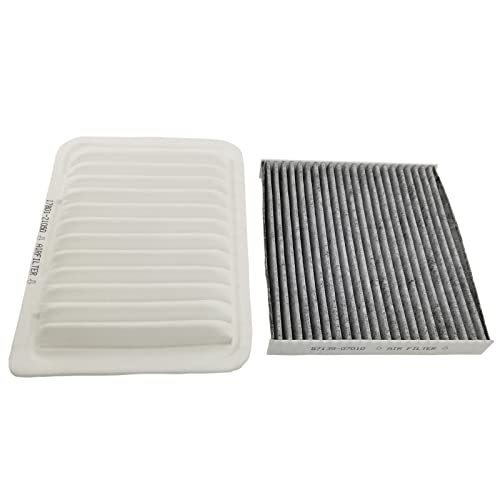
The location of your cabin air filter varies significantly by vehicle. Many cars have it behind the glove box, making it relatively easy to access. Others might place it under the hood near the windshield cowl, or even under the dashboard. Your owner’s manual will provide precise instructions on its location and how to access it.
[INTERNAL LINK: finding cabin filter by car model]
DIY Difficulty Assessment
Replacing a cabin air filter is often one of the simplest DIY car maintenance tasks. If the filter is behind the glove box, it usually involves unclipping a few fasteners or removing a small panel. Filters located under the hood might require basic tools. We recommend watching a quick online tutorial for your specific car model to gauge the difficulty before attempting it yourself.
This can save you money and give you a sense of accomplishment. While cabin air filters are crucial, it is common to confuse them with another vital component, the engine air filter, so understanding their distinct roles is important.
Cabin Filter vs Engine Filter Differences Explained
It is a common misconception that the cabin air filter and the engine air filter are the same, but they serve entirely different, albeit equally important, functions. Understanding this distinction is key to proper vehicle maintenance.
Different Airflows Filtered
The cabin air filter is responsible for filtering the air that enters your car’s interior, ensuring you breathe clean air. In contrast, the engine air filter cleans the air that mixes with fuel inside your engine’s combustion chamber. Both filters are essential for their respective systems.
Distinct Locations
Cabin air filters are typically found inside the passenger compartment, often behind the glove box, under the dashboard, or sometimes under the hood near the cowl. Engine air filters are always located under the hood, usually in a large plastic box connected to the engine’s air intake. Their placement reflects their specific roles.
Separate Maintenance Needs
While both require regular replacement, their schedules often differ. Cabin air filters are generally replaced every 15,000-30,000 miles or annually. Engine air filters might have longer intervals, such as every 30,000-45,000 miles, but this also depends on driving conditions and manufacturer recommendations. [INTERNAL LINK: engine air filter maintenance]
Varied Performance Impacts
A dirty cabin air filter primarily affects occupant comfort, air quality, and HVAC system efficiency. A clogged engine air filter, however, can impact engine performance, fuel economy, and emissions. Each filter’s condition directly influences different aspects of your vehicle’s operation. By understanding these key differences, you are better equipped to maintain your vehicle comprehensively, ensuring both your comfort and its optimal performance, which brings us to some common questions.
Your Car’s Air Quality Matters
Maintaining your car’s cabin air filter is a straightforward yet impactful task that contributes significantly to your driving experience in 2026. Prioritizing this maintenance ensures optimal air quality, a comfortable cabin, and the longevity of your HVAC system. Whether you choose to replace it yourself or have a professional handle it, staying on top of this simple service will pay dividends in health and vehicle performance.
Make it a routine to check and replace your filter based on your driving conditions and manufacturer guidelines. Proactive care truly makes a difference in your car’s environment.
Common Questions About Cabin Air Filters
What Happens If I Do Not Change My Car’s Cabin Air Filter?
Not replacing it leads to reduced airflow, musty odors, and poor air quality inside your car. It can strain your HVAC system, potentially shortening its lifespan and making your defroster less effective over time. You also risk breathing more pollutants.
Can a Dirty Cabin Air Filter Affect My Car’s AC Performance?
Yes, a clogged cabin air filter significantly restricts airflow to your car’s AC system. This reduces cooling efficiency, makes your AC work harder, and can even lead to inadequate defrosting of your windows. Your AC may not blow as cold as it should.
How Often Should I Check My Cabin Air Filter?
We recommend checking your cabin air filter at least once a year, or every 10,000 to 15,000 miles, especially if you drive in dusty or polluted environments. A visual inspection will help determine if it needs an earlier replacement. [INTERNAL LINK: quick car maintenance checks]
Are All Cabin Air Filters the Same for Every Car?
No, cabin air filters are not universal. Each car make and model requires a specific size and shape of filter to fit properly within its designated housing. Always check your owner’s manual or an auto parts store’s guide for the correct filter for your vehicle. Using the wrong size can damage your HVAC system.
Can a New Cabin Air Filter Improve Gas Mileage?
No, replacing your cabin air filter does not directly impact your car’s gas mileage. The cabin air filter cleans the air for the passenger compartment, not the engine’s combustion process. The engine air filter is the component that can affect fuel efficiency when it becomes clogged.