2017 Nissan Rogue Oil Filter Location: Precise Identification And Service Accessibility
Title: 2017 Nissan Rogue Oil Filter Location: Precise Identification And Service Accessibility
Ensuring optimal engine performance and longevity for your 2017 Nissan Rogue is paramount, and at the heart of this lies diligent maintenance, particularly regular oil and filter changes. However, for both hands-on vehicle owners and those directing a service provider, precisely locating the oil filter on the 2017 Nissan Rogue can present a challenge due to its specific engine configuration and accessibility requirements. This authoritative guide provides a detailed, step-by-step breakdown of the 2017 Nissan Rogue oil filter location, including precise identification, necessary tools, safety protocols, and comprehensive procedures for efficient replacement, empowering you with the knowledge to perform this crucial task correctly or instruct your local service professional effectively.
Understanding the 2017 Nissan Rogue’s Oil Filtration System


📤 Share Image
The oil filter is a cornerstone of modern internal combustion engine health, a component whose function is often underestimated. Its fundamental role is to remove contaminants—such as dirt, metal particles, carbon deposits, and sludge—from the engine oil as it circulates through the lubrication system. Without an effective filter, these abrasive particles would cause accelerated wear on critical engine components, leading to reduced performance and ultimately, premature engine failure.
For the 2017 Nissan Rogue, the most common engine configuration is the 2.5L QR25DE, which typically utilizes a spin-on canister-type oil filter. This design integrates the filter element, anti-drain back valve, and bypass valve within a self-contained metal canister. Less commonly, for Hybrid models in specific regions, the 2.0L MR20DD engine may also be encountered, sharing a similar spin-on filter principle. The filter’s construction involves a pleated paper or synthetic fiber media designed to trap particles down to a microscopic level, ensuring only clean oil reaches vital engine parts. A simplified diagram of oil flow would show crude oil entering the filter, passing through the media, and clean oil exiting back into the engine’s main oil galleries.
The physical location of the oil filter directly influences the ease of serviceability. While some vehicles offer top-mounted, easily accessible filters, the Rogue’s design often necessitates access from underneath, requiring specific procedures. Neglecting regular oil filter replacement can lead to critical performance degradation. For instance, a clogged filter restricts oil flow, forcing the oil to bypass the filter element, sending unfiltered, contaminant-laden oil directly to the engine bearings. This scenario can rapidly lead to premature engine wear, particularly during startup when oil pressure is building. Industry data indicates that up to 90% of engine wear occurs during startup; a clean oil filter ensures immediate and effective lubrication, significantly mitigating this risk. Adhering to OEM recommendations for oil filter quality standards, such as those meeting or exceeding Nissan part number 15208-65F0E specifications, guarantees optimal filtration and engine protection.
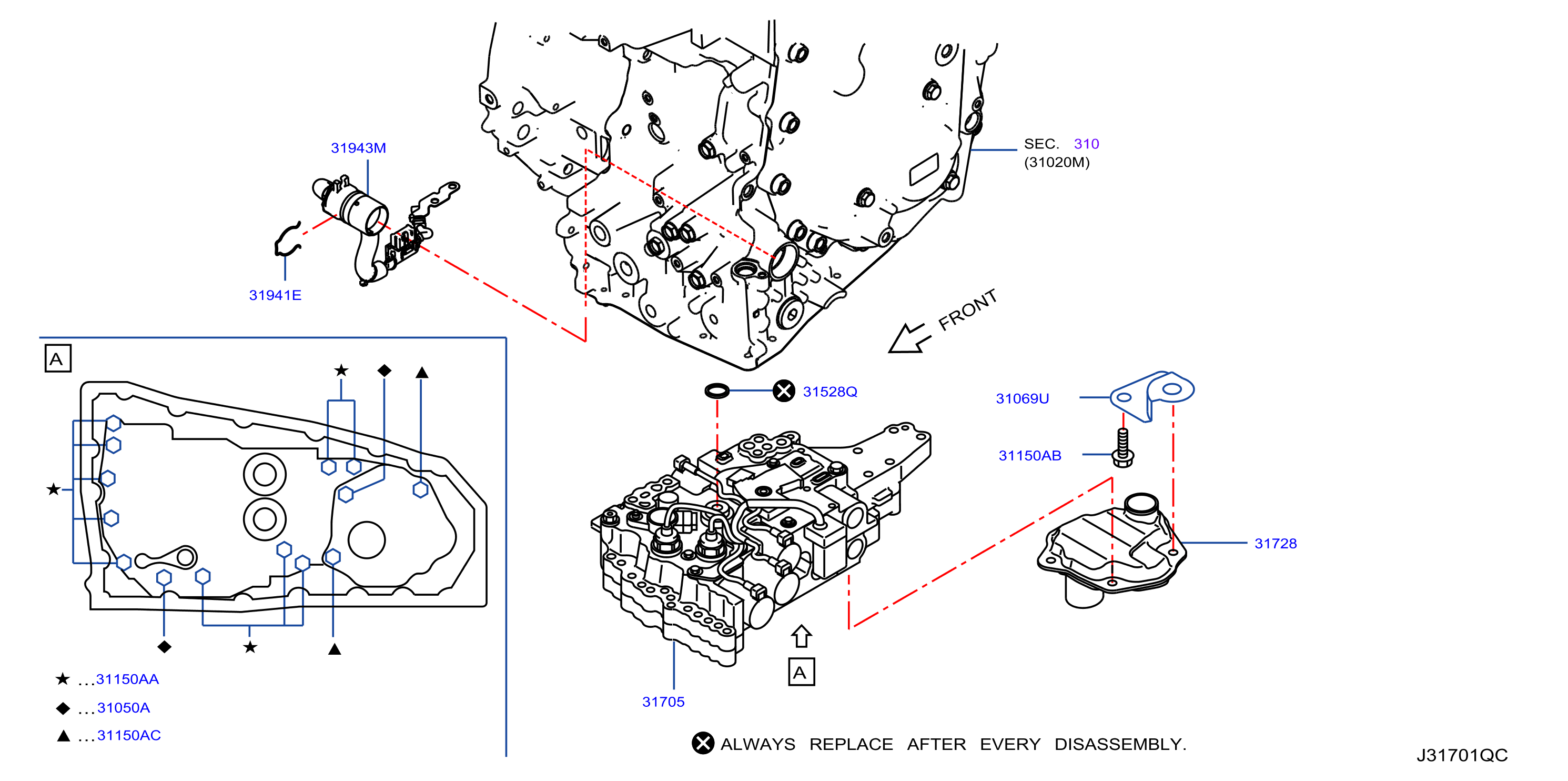
Pinpointing the 2017 Nissan Rogue Oil Filter Location

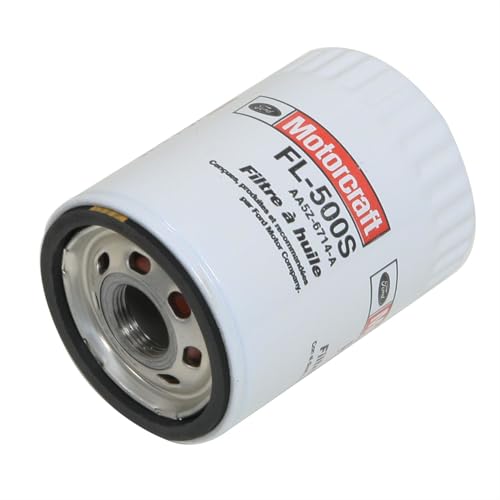

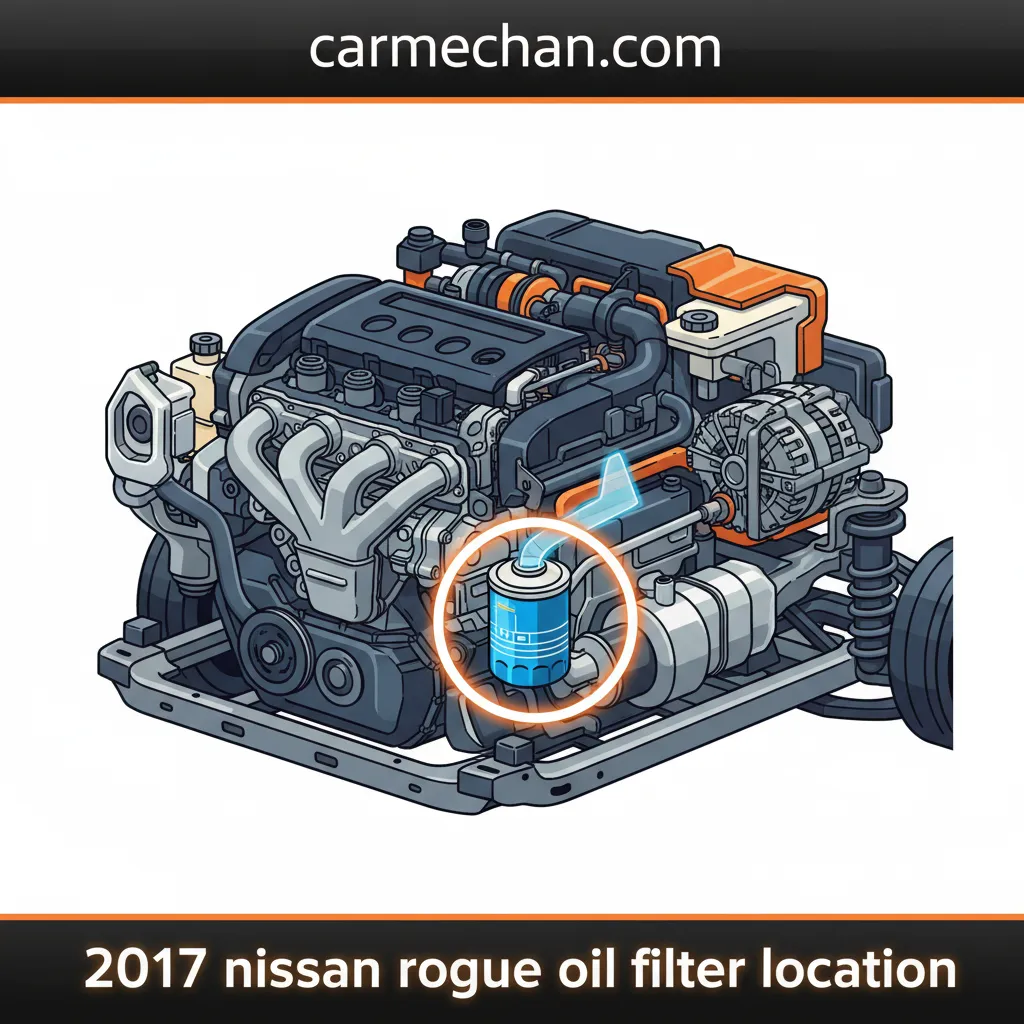
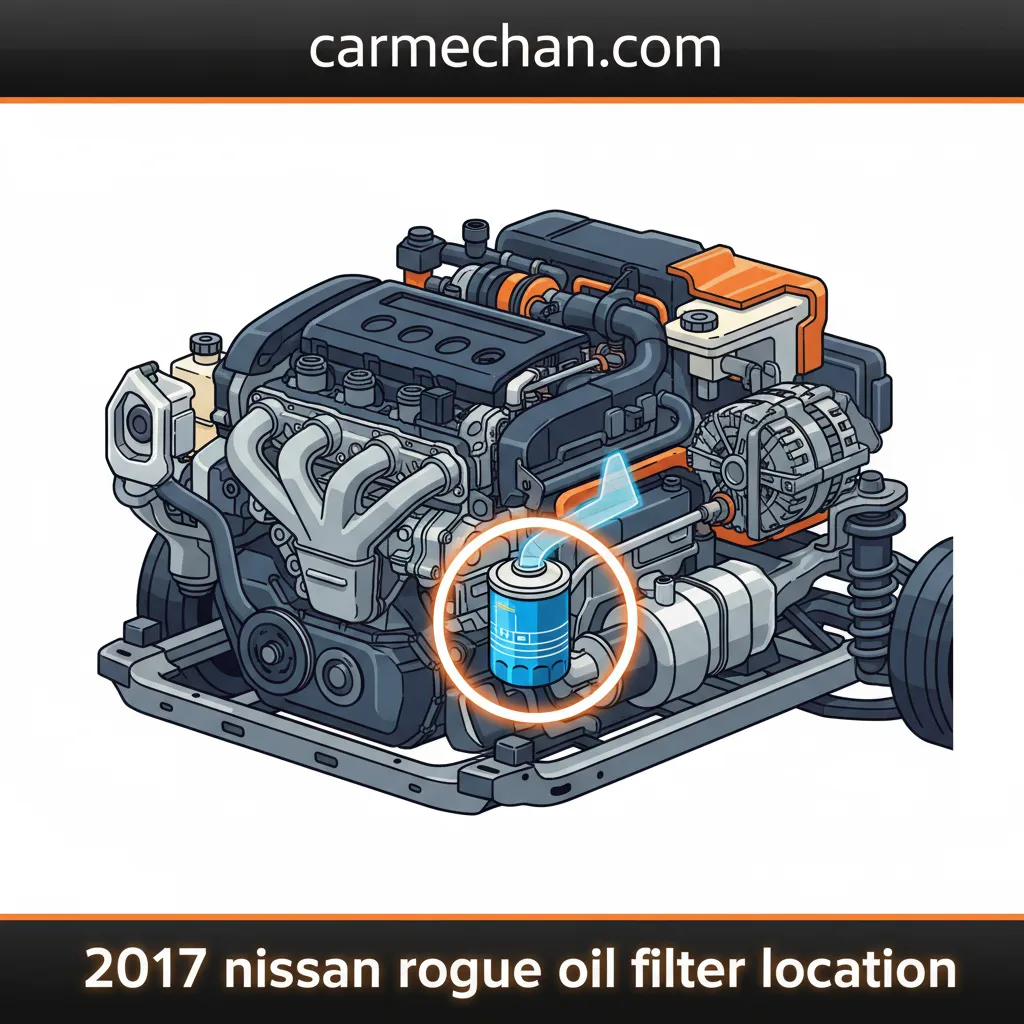
For the majority of 2017 Nissan Rogue models equipped with the 2.5L QR25DE engine, the oil filter is consistently positioned on the passenger side of the vehicle, towards the front of the engine block. To be more precise, it is typically situated beneath the exhaust manifold heat shield, recessed slightly, and often requires direct access from underneath the vehicle. This particular location, while common, is frequently obscured by other components, making precise identification crucial.
Visual identification is straightforward once access is established. The filter housing is a cylindrical metal canister, typically colored blue or black, though some aftermarket filters may be bare metal. It connects directly to the engine block via a threaded mounting point. Common misconceptions involve confusing the oil filter with other cylindrical components such as the transmission filter housing or various sensors; a genuine oil filter will always have a distinct rubber gasket visible around its base and a connection directly to the engine lubrication system, not the transmission lines. Imagine a scenario where a DIYer mistakenly attempts to remove a transmission cooler line, leading to significant fluid loss and potential system damage—accurate identification prevents such costly errors.
Accessing the oil filter requires specific steps. First, the vehicle must be safely lifted and secured using a robust hydraulic jack and sturdy jack stands to achieve adequate ground clearance, typically 10-12 inches for comfortable work. Next, the engine splash shield (also known as the lower engine cover or belly pan), which is secured by several bolts (e.g., 10mm or 12mm), must be carefully removed. This shield is designed to protect engine components from road debris and water, but it also obstructs direct access to the oil filter and drain plug. For optimal clearance and to minimize potential oil spillage onto other components, its removal is non-negotiable. Some installations may also require minor adjustment or temporary removal of exhaust manifold heat shields, though this is less common for the filter itself. Always consult the vehicle’s owner’s manual or a factory service manual for specific diagrams and warnings pertaining to your exact 2017 Rogue configuration.
2.0L Hybrid Model Considerations
For the less common 2.0L MR20DD engine found in 2017 Rogue Hybrid models, the oil filter location generally remains similar in principle—a spin-on type filter mounted to the engine block. However, due to the integration of hybrid components and a slightly different engine layout, the exact angle of access or surrounding components may vary. Always verify the specific configuration with your vehicle’s documentation.

Essential Preparations for 2017 Nissan Rogue Oil Filter Service


A successful and safe oil filter replacement on your 2017 Nissan Rogue hinges on meticulous preparation. Gathering the correct tools and materials, coupled with stringent safety protocols, ensures efficiency and prevents common pitfalls.
Required Tools and Equipment:
- Oil Filter Wrench: A cap-type wrench (often 65mm/14-flute or 68mm/14-flute, specific to Nissan filters) is highly recommended for a secure grip, though a band-type or strap wrench can be used if the cap type isn’t available.
- Ratchet and Socket Set: For the oil drain plug (typically 14mm or 17mm) and splash shield bolts (e.g., 10mm or 12mm).
- Drain Pan: With a capacity of at least 8 quarts to fully capture the old oil.
- Funnel: For mess-free refilling of new engine oil.
- Torque Wrench: Essential for correctly tightening the drain plug and, if specified, the oil filter to OEM specifications.
Safety Equipment:
- Disposable Gloves: To protect hands from hot oil and chemicals.
- Eye Protection: Safety glasses are critical to prevent oil or debris from entering eyes.
- Jack Stands: Absolutely essential for supporting the vehicle safely; never rely solely on a hydraulic jack.
- Wheel Chocks: To prevent the vehicle from rolling while elevated.
- Proper Vehicle Lifting Procedures: Always use the designated lift points.
Materials Needed:
- Correct Oil Filter: OEM recommended (e.g., Nissan part number 15208-65F0E or equivalent high-quality aftermarket filter). Ensure it matches your specific engine.
- Specified Engine Oil: For the 2017 Nissan Rogue 2.5L, 0W-20 full synthetic oil is mandatory as per Nissan’s specifications. The oil capacity is typically 4.8 to 5.1 quarts (or 4.5 to 4.8 liters).
- New Drain Plug Washer/Gasket: Essential for a leak-free seal.
- Shop Rags or Absorbent Pads: For cleaning up spills.
Pre-Service Checks and Best Practices:
- Engine Cooling: Allow the engine to cool for at least 30 minutes. Hot oil can cause severe burns.
- Level Surface: Ensure the vehicle is on a firm, level working surface to prevent accidental rolling and to allow for complete oil drainage.
- Fluid Disposal: Plan for proper disposal of waste oil. Most auto parts stores or municipal recycling centers within your community offer free used oil recycling programs, making it convenient and environmentally responsible to dispose of fluids properly. Check for a nearby facility or inquire about local regulations.
Always pre-fill the new oil filter with fresh engine oil before installation. This reduces the time the engine runs without adequate oil pressure during its initial start-up after the oil change, ensuring immediate lubrication to critical components.
Detailed Procedure for 2017 Nissan Rogue Oil Filter Replacement
📋
Step-by-Step Guide
Safely raise the front of your 2017 Nissan Rogue using a hydraulic jack and immediately support it with robust jack stands. Engage the parking brake and chock the rear wheels. Position your drain pan directly beneath the engine oil drain plug. Remove the engine splash shield by unscrewing the numerous bolts holding it in place, typically 10mm or 12mm sockets are needed. This provides clear access to both the oil drain plug and the oil filter on the passenger side.
Using the appropriate socket (typically 14mm or 17mm), carefully loosen and remove the oil drain plug from the oil pan. Ensure your drain pan is directly underneath to catch the initial gush of oil. Allow the old engine oil to drain completely, which can take 10-15 minutes. While the oil drains, inspect the drain plug and replace its washer/gasket if it’s compressed or damaged. Once drained, reinstall the drain plug, tightening it to the manufacturer’s specified torque, which is commonly 25 ft-lbs (34 Nm) for the 2017 Nissan Rogue.
Position the drain pan directly beneath the oil filter. Attach the appropriate oil filter wrench to the old filter and turn counter-clockwise to loosen it. Be prepared for residual oil to leak out as the filter is removed. Once loose, carefully unscrew the filter by hand. After removal, critically inspect the engine block’s mounting surface to ensure the old filter’s rubber gasket did not stick to it. An old gasket left behind will cause a severe oil leak with the new filter. Clean the mounting surface thoroughly with a shop rag.
Take your new oil filter and apply a thin film of fresh engine oil to its rubber gasket. This ensures a proper seal and prevents tearing. If not already done, pre-fill the filter with new oil (about 2/3 full). Carefully thread the new filter onto the engine block by hand, ensuring it starts smoothly and doesn’t cross-thread. Hand-tighten the filter until the gasket makes firm contact with the engine block. Then, using your hands or a filter wrench, tighten it an additional quarter to half turn (1/4 to 1/2 turn). While some OEM filters specify a torque (e.g., 12 ft-lbs), the hand-tighten-plus-turn method is generally accepted for spin-on filters. Over-tightening can damage the filter or its gasket, leading to leaks.
Lower the vehicle from the jack stands. Using a funnel, carefully add the specified amount of 0W-20 full synthetic engine oil (typically 4.8-5.1 quarts) through the engine’s oil fill cap. Replace the fill cap. Start the engine and let it run for a minute or two, observing the oil pressure warning light extinguish. Check underneath the vehicle immediately for any signs of leaks around the new oil filter and drain plug. Shut off the engine, wait 5-10 minutes for the oil to settle, and then check the oil level with the dipstick, adding more if necessary until it reaches the ‘FULL’ mark. Reinstall the engine splash shield.
Addressing Common Challenges and Troubleshooting During Oil Filter Service
Even for experienced technicians, oil filter replacement can present unexpected difficulties. Anticipating these challenges and knowing how to address them is critical for a smooth and effective service on your 2017 Nissan Rogue.
Troubleshooting a Stuck or Overtightened Oil Filter:
A common frustration is an overtightened filter. Filters that are tightened excessively or have been on for extended periods can fuse to the engine block. In these instances, a standard cap-style wrench may slip. Techniques for removal include:
- Strap Wrench or Chain Wrench: These tools grip the filter’s circumference, providing more leverage than a cap wrench, especially if the filter housing is distorted.
- Filter Pliers: Large pliers designed specifically for oil filters can provide immense gripping power.
- Piercing the Filter: As a last resort, if the filter is completely stuck and other methods fail, carefully drive a large screwdriver through the side of the filter (near the base, ensuring not to puncture the engine block). This provides a lever to turn the filter. Caution: This is highly risky, messy, and can damage the filter housing if not done precisely. Avoid damaging the engine block. Statistics suggest that overtightened oil filters account for nearly 15% of DIY oil change complications, often leading to damaged filter housings.
Never attempt to loosen a hot filter with extreme force; allow it to cool to prevent injury and damage.
Preventing and Resolving Oil Leaks Post-Replacement:
Oil leaks after a filter change are typically due to simple errors but can be alarming.
- Forgotten Old Gasket: The most frequent cause is leaving the old rubber gasket from the previous filter stuck to the engine block. When the new filter is installed over it, two gaskets cannot seal, creating a massive leak. Always confirm the old gasket is removed.
- Improper Gasket Lubrication: An unlubricated new gasket can bind or tear during tightening, leading to a poor seal. Always apply a thin film of fresh oil.
- Incorrect Tightening: Both undertightening and overtightening can cause leaks. Follow the “hand-tighten plus 1/4 to 1/2 turn” rule, or OEM torque specifications if available.
- Identifying the Source: If a leak persists, start the engine and look carefully. Leaks from the filter are often obvious. Drain plug leaks can be solved by replacing the washer or re-torquing. For elusive leaks, professional technicians can use UV dye added to the oil to pinpoint the exact origin, even tiny seeps.
Dealing with Stripped Drain Plugs or Oil Pan Threads:
This is a serious issue that can arise from overtightening the drain plug.
- Temporary Fixes: For minor stripping, an oversized drain plug might offer a temporary seal, but this is not a permanent solution.
- Permanent Repair Options: A thread repair kit (Heli-Coil or similar) can restore the threads, but requires precision and tools. Alternatively, welding a new bung into the oil pan is an option.
- Professional Intervention: If the threads are severely damaged or you lack confidence in performing the repair, seeking professional intervention is highly recommended. Replacing the oil pan entirely is often the most robust solution, though it is considerably more expensive. The average cost of oil pan replacement is significantly higher than a thread repair kit, making prevention key.
Consequences of Using the Wrong Oil Filter or Oil Type:
Using incorrect components can lead to dire consequences for your 2017 Nissan Rogue’s engine.
- Wrong Oil Filter: An incorrect filter may have incompatible threads, leading to leaks, or an improperly seated gasket. More critically, it might have an incorrect bypass valve pressure setting, causing unfiltered oil to circulate, or restrict oil flow, starving the engine.
- Wrong Oil Type: The 2017 Nissan Rogue 2.5L engine specifically calls for 0W-20 full synthetic oil. Using conventional oil, or an oil with a different viscosity (e.g., 5W-30), can lead to:
- Reduced lubrication effectiveness, particularly in extreme temperatures.
- Inadequate protection for critical engine components.
- Potential damage to variable valve timing systems and other finely tuned engine parts.
- Decreased fuel efficiency and shortened engine lifespan.
A scenario where an individual used conventional oil instead of synthetic for extended periods could result in accelerated sludge buildup and premature wear of camshafts and bearings, significantly impacting engine performance and longevity.
Never attempt to force an oil filter or drain plug. If resistance is met, stop and re-evaluate. Cross-threading or stripping can lead to expensive repairs or even engine damage. Always prioritize correct fitment and torque over brute force.
Seeking Local Professional Assistance for 2017 Nissan Rogue Oil Filter Service
While many routine maintenance tasks can be tackled by a competent DIYer, sometimes professional assistance for your 2017 Nissan Rogue’s oil filter service is not only beneficial but highly recommended. Understanding when and where to seek expert help is a crucial aspect of responsible vehicle ownership.
Benefits of Professional Oil Filter Replacement:
Specialized Tools & Expertise
Access to proper lifting equipment, specific filter wrenches, and diagnostic tools, combined with the hands-on experience of factory-trained technicians, ensures the job is done correctly and efficiently.
Proper Waste Disposal
Reputable service centers handle the proper, environmentally compliant disposal of waste oil and used filters, saving you the hassle and ensuring environmental responsibility for your local community.
Comprehensive Vehicle Inspections
Many oil change services include a multi-point inspection, identifying potential issues before they become costly problems. A diagnostic check during a routine oil change might reveal a failing serpentine belt or worn brake pads that would otherwise go unnoticed.
Warranty & Assurance
Professional services typically come with a warranty on parts and labor, providing peace of mind. They often use OEM or OEM-quality parts, maintaining your vehicle’s integrity.
How to Find Reputable Local Service Centers:
When searching for a trusted professional, begin by using terms such as ‘Nissan service nearby,’ ‘auto mechanic community,’ or ‘oil change available‘ within your specific area. Focus on:
- Certified Shops: Look for certifications like ASE (Automotive Service Excellence) or Nissan-specific training.
- Dealerships: Nissan dealerships are always an option, guaranteeing OEM parts and factory-trained technicians.
- Online Reviews and Recommendations: Check customer feedback platforms and ask for recommendations within your local community.
When contacting a potential local mechanic, ask pertinent questions such as: “Do you exclusively use OEM or equivalent high-quality filters and 0W-20 full synthetic oil for a 2017 Nissan Rogue?” and “Are your technicians certified?” This ensures they meet your quality expectations.
When Professional Assistance is Highly Recommended:
While the desire to save money is understandable, certain situations warrant professional intervention:
- Persistent Leaks: If you’re experiencing ongoing oil leaks after your DIY attempt, a professional can accurately diagnose and repair the source.
- Stripped Bolts or Damaged Threads: These require specialized tools and expertise for repair or replacement to avoid further damage.
- Unfamiliar Engine Noises or Performance Issues: An oil change often provides an opportunity for a professional to catch other developing issues.
- Lack of Proper Tools or Confidence: If you don’t have the right equipment (like a torque wrench or jack stands) or are unsure about any step, it’s safer and more cost-effective to let a professional handle it. Many reliable shops make oil change services conveniently accessible at competitive rates.
By The Numbers
Average Cost for Professional Synthetic Oil Change
Increased Vehicle Lifespan with Regular Professional Maintenance
Entrusting your 2017 Nissan Rogue to a trusted local service provider for routine maintenance like oil and filter changes is an investment in your vehicle’s long-term reliability and performance. The value of expert service, convenience, and peace of mind often outweighs the perceived savings of a DIY approach, especially when complex issues arise.
Precise identification of the 2017 Nissan Rogue oil filter location on the passenger side, front engine block, often requiring splash shield removal, is the first critical step in effective maintenance. Adherence to proper safety protocols, utilizing specified tools, and using correct OEM or equivalent parts (0W-20 synthetic oil) are critical for successful service. Following detailed removal and installation procedures, including gasket lubrication and torque specifications, ensures a leak-free and effective filter change. Troubleshooting common issues like stuck filters or leaks saves time and prevents further damage, while understanding when to seek expert nearby assistance is invaluable for complex scenarios. Safeguard your 2017 Nissan Rogue’s engine health by applying this expert knowledge for your next oil filter service, or consult a trusted professional within your community for specialized automotive care.
Frequently Asked Questions
What is the recommended oil type and capacity for a 2017 Nissan Rogue?
For most 2017 Nissan Rogue models (2.5L engine), Nissan recommends using 0W-20 full synthetic engine oil. The typical oil capacity is approximately 4.8 to 5.1 quarts when performing an oil and filter change. Always consult your vehicle’s owner’s manual for the most accurate and specific recommendations tailored to your exact model and engine variant, ensuring optimal engine performance and longevity.
How often should I change the oil filter on my 2017 Nissan Rogue?
Nissan generally recommends changing the oil filter every time you change your engine oil. For a 2017 Nissan Rogue using synthetic oil, this typically translates to intervals of 7,500 to 10,000 miles or every 6 to 12 months, whichever comes first. Factors like driving conditions (e.g., heavy towing, dusty environments) may necessitate more frequent changes. Regular replacement ensures maximum filtration efficiency.
Can I use an aftermarket oil filter for my 2017 Nissan Rogue, or should I stick to OEM?
While using a genuine Nissan OEM oil filter (e.g., part number 15208-65F0E or equivalent) is always recommended for guaranteed fit and performance, high-quality aftermarket filters from reputable brands can be suitable. Ensure any aftermarket filter meets or exceeds Nissan’s specifications for filtration efficiency, flow rates, and burst strength. Inferior filters may compromise engine protection and potentially void warranties.
What are the signs of a clogged oil filter in a 2017 Nissan Rogue?
A clogged oil filter in a 2017 Nissan Rogue can manifest as a drop in engine oil pressure, potentially triggering the oil pressure warning light on the dashboard. Other symptoms may include reduced engine performance, an increase in metallic engine noises (due to lack of lubrication), or unusually dark and sludgy oil. These signs indicate severely compromised filtration and demand immediate attention to prevent engine damage.
Is it difficult to change the oil filter on a 2017 Nissan Rogue myself?
Changing the oil filter on a 2017 Nissan Rogue is a moderately challenging DIY task. The primary difficulty stems from needing to raise the vehicle and remove the engine splash shield for proper access to both the oil drain plug and filter, which is located on the passenger side of the engine block. With the right tools, safety precautions, and detailed instructions, it is achievable for individuals with basic mechanical aptitude.