How To Get Ice Off Car Expert Step-by-Step Guide 2026
Last Updated on September 1, 2026 by Ryan


Getting ice off your car safely and efficiently involves using the right tools and techniques to protect your vehicle’s surfaces while ensuring clear visibility for driving. We’ll show you how to tackle common icy car problems and prevent future buildup.
Getting ice off your car safely and efficiently involves understanding the right methods and tools to ensure clear visibility and prevent damage. Our comprehensive guide will walk you through proven techniques for swift and secure ice removal. Tackling a frozen car can be frustrating, especially when you are in a rush.
We provide strategies for all critical parts of your vehicle. This guide helps you navigate icy conditions with confidence. We will explore the fastest ways to get your car road-ready, starting with quick and effective methods for immediate problem-solving.
Getting ice off your car safely and efficiently involves using the right tools and techniques to protect your vehicle’s surfaces while ensuring clear visibility for driving. We’ll show you how to tackle common icy car problems and prevent future buildup.
Key Takeaways
- Never use hot water on frozen glass.
- Always use appropriate scraping tools.
- DIY de-icer spray is effective for quick thaws.
- Target specific car parts carefully.
- Prevention reduces de-icing time.
Key Takeaways
- Never use hot water on frozen glass.
- Always use appropriate scraping tools.
- DIY de-icer spray is effective for quick thaws.
- Target specific car parts carefully.
- Prevention reduces de-icing time.
3 Quick Ways to Get Ice Off Your Car
When time is short, these quick methods will help you get ice off your car rapidly and effectively.
Carefully Scrape Surfaces
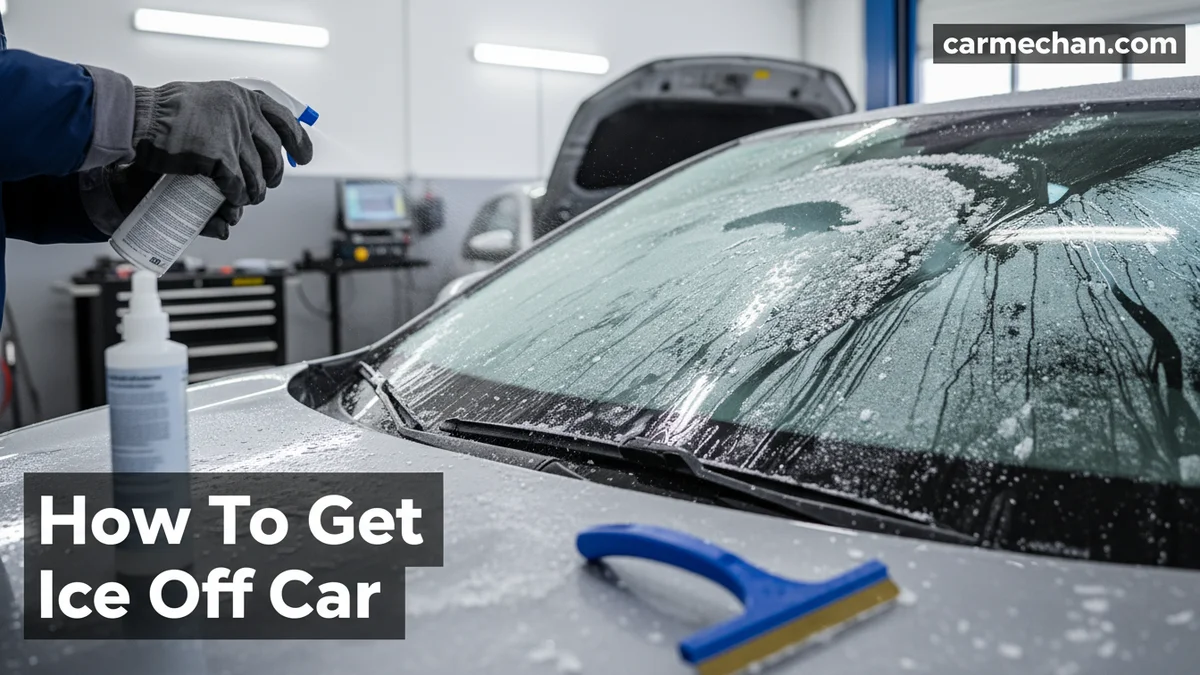
Use a sturdy ice scraper with a strong blade. Start by clearing the windshield from top to bottom. Overlap your strokes slightly to avoid missed spots. Apply steady, even pressure without excessive force.
Scrape side windows and mirrors next. Always push ice away from rubber seals to prevent damage. A good ice scraper is essential for this task.
Apply De-Icer Solutions
Commercial de-icer sprays contain chemicals that lower the freezing point of water. This helps melt ice quickly on contact. Spray generously over frozen surfaces and let it sit for a minute or two.
The ice will soften, making it much easier to scrape away. This method significantly reduces the physical effort required.
Utilize Car Defrosters
Start your car and turn the defroster to its highest setting. Direct airflow towards the windshield and side windows. This warms the glass from the inside out.
The heat helps to loosen ice and melt it away. Combine this with scraping or de-icer sprays for optimal results. Ensure your car’s vents are clear for maximum efficiency. While speed is important, avoiding common de-icing mistakes is crucial to prevent costly damage to your vehicle.
5 Mistakes to Avoid When De-Icing
Avoiding these common mistakes is paramount to protecting your car’s delicate surfaces and mechanisms during the de-icing process.
Pouring Hot Water
Pouring hot water onto a frozen windshield can cause thermal shock. This can lead to cracking or shattering the glass. The rapid temperature change is too extreme for glass.
Always use lukewarm water if you must, but de-icer sprays are safer. This mistake can result in expensive repairs.
Using Metal Tools
Metal scrapers or other hard metal objects can easily scratch your car’s paint, glass, or plastic trim. These scratches are permanent and detract from your car’s appearance.
Stick to plastic ice scrapers designed for car use. They are effective without causing damage. Always prioritize softer materials for de-icing tools.
Forcing Wiper Blades
Wiper blades frozen to the windshield should never be forced. Pulling them can tear the rubber or damage the wiper motor. The rubber can also crack in freezing temperatures.
Allow the defroster or de-icer spray to melt the ice around them. Gently lift them once the ice is softened. This preserves your wipers for clear vision.
Ignoring Door Seals
Frozen door seals can cause serious problems. Forcing a frozen door open can tear the rubber, leading to leaks and wind noise. Damaged seals are expensive to replace.
Apply de-icer spray around the door frame. Gently push the door inward before pulling it open. Treating seals with silicone spray before winter helps prevent freezing. Always be gentle with these crucial components.
Employing Abrasives
Using abrasive materials like sand, salt, or rough sponges on your car surfaces can cause scratches. These materials are too harsh for automotive finishes and glass. Even small particles can create micro-scratches.

Use only approved de-icing products and tools. Gentle soft-bristled brushes are acceptable for snow. Understanding what not to do paves the way for safely addressing ice on specific car parts that often present unique challenges.
How to Tackle Stubborn Car Ice Spots
Different parts of your vehicle require tailored approaches for effective ice removal to avoid damage and ensure full functionality.
Clear Your Windshield
- Turn on your car’s defroster to full heat.
- Spray a commercial de-icer or a homemade rubbing alcohol mixture onto the ice.
- Wait a minute for the ice to soften.
- Use a plastic ice scraper to push the ice off, working from the top down.
Free Your Side Mirrors
- If your car has heated mirrors, activate them.
- Spray de-icer solution directly onto the mirror surface.
- Gently wipe away softened ice with a soft cloth.
- Avoid scraping mirrors with sharp objects.
Unlock Frozen Doors
- Do not force a frozen door.
- Apply de-icer spray into the door lock.
- Wiggle the key gently if the lock is frozen.
- For frozen frames, spray de-icer along the seal.
- Gently push the door before trying to pull it open.
Unstick Wiper Blades
- Never pull frozen wipers from the windshield.
- Run your defroster until the ice around them melts.
- Apply de-icer spray to the base of the blades.
- Carefully lift the blades once they are free.
Thaw Your Headlights
- Turn on your headlights to generate some heat.
- Spray de-icer solution directly onto the light covers.
- Gently wipe with a soft cloth to remove melted ice.
- Ensure headlights are clear for optimal visibility in 2026.
Equipped with these specific techniques, let’s explore the best tools and DIY solutions available to make de-icing easier and more efficient.
Which De-Icing Tools and Solutions Work Best?
Selecting the right tools and solutions significantly streamlines the process of getting ice off your car.
Essential Scrapers
A high-quality ice scraper with a sturdy plastic blade is fundamental. Look for one with a comfortable grip and a strong shaft. Some models include a brush on the opposite end for snow removal.
Choose a scraper that is long enough to reach across your windshield. This prevents straining while clearing large areas. An effective scraper makes quick work of most ice. In 2026, ergonomic designs are even more common.
Effective Sprays
Commercial de-icer sprays are convenient and powerful. They often contain propylene glycol or ethanol to melt ice rapidly. These sprays are designed to be safe for automotive surfaces.
Keep a can in your car during winter months for unexpected ice. Always follow the product’s instructions for best results. Many offer protection against re-freezing.
DIY Alcohol Mix
A simple homemade de-icer can be made with rubbing alcohol and water. Mix two parts isopropyl rubbing alcohol with one part water in a spray bottle. Add a few drops of dish soap to help it cling.
This solution is effective for light to moderate ice. It offers a cost-effective alternative to commercial products. Keep this mixture handy for quick applications. This DIY solution is great for budget-conscious drivers.
Protective Covers
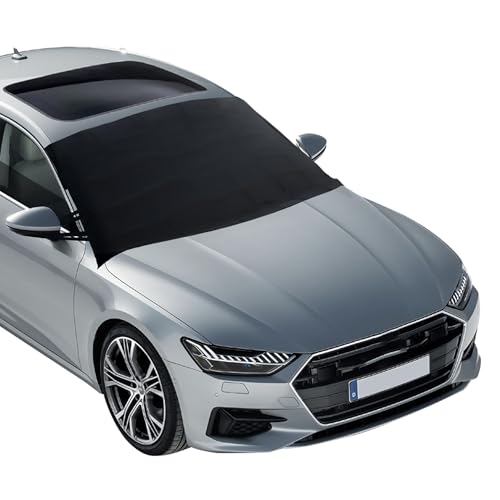
Windshield covers are an excellent preventive tool. They stop ice from forming directly on your glass. Simply place the cover on your windshield overnight.
Secure it in place with magnets or flaps inside the car doors. In the morning, remove the cover, and your windshield is clear. This saves significant de-icing time. Beyond reactive solutions, a proactive approach to ice prevention can save you significant time and effort in the long run.
How to Prevent Ice on Your Car Overnight
Preventing ice from forming on your car overnight is often simpler and less time-consuming than de-icing.
Use a Cover
Invest in a good quality windshield or full car cover. These covers create a barrier between your car and the elements. They prevent moisture from freezing onto your surfaces.
Simply secure the cover when parking overnight. Removing it in the morning reveals an ice-free car. This saves you significant time and effort.
Apply Protectant
Treat your car’s glass with a hydrophobic sealant or wax. These products create a slick surface. Water beads up and rolls off rather than freezing in place.
Apply these treatments before the winter season begins. It can significantly reduce ice adhesion. Regular application maintains this protective barrier throughout the colder months.
Park Strategically
Whenever possible, park your car in a garage or under a carport. This provides natural shelter from freezing rain and snow. Even parking close to a building can offer some protection.
If no cover is available, try to park facing east. The morning sun can help melt ice naturally. This simple strategy can make a big difference.
Maintain Cleanliness
Ensure your car’s windows and surfaces are clean. Dirt and grime provide nucleation sites for ice crystals to form. A clean surface makes it harder for ice to stick.
Wash your car regularly, especially before expected freezes. A clean vehicle is less prone to stubborn ice. This small effort contributes to easier de-icing. Understanding these methods and tools leads us to answer some frequently asked questions about ice removal.
Common Questions About Car Ice Removal
Can I Use Hot Water to Get Ice Off My Car Windshield?

No, absolutely not. Pouring hot water on a frozen windshield can cause severe thermal shock, leading to cracks or even shattering the glass. Always use lukewarm water or specialized de-icing sprays for safety and to prevent costly damage.
What Is the Fastest Way to Get Thick Ice Off a Car?
The fastest way to tackle thick ice often involves a combination: start your car‘s defroster on high, then apply a commercial de-icer spray to loosen the ice, followed by careful scraping with a sturdy ice scraper. Avoid excessive force.
How Do I Unfreeze Car Door Locks and Windows?
For frozen door locks, try a specialized de-icing spray or a small amount of hand sanitizer. For frozen windows, carefully apply de-icer spray along the seals and gently tap the window’s edges. Never force them down.
Is a Homemade De-icer Spray Effective, and What Is Its Recipe?
Yes, a homemade de-icer can be very effective for light to moderate ice. Mix two parts rubbing alcohol (isopropyl alcohol) with one part water in a spray bottle. Add a few drops of dish soap for added adhesion. Spray generously onto ice.
How Can I Prevent Ice From Forming on My Car Overnight?
To prevent ice, use a windshield cover or even a large towel over your windshield. Apply a hydrophobic spray to glass surfaces. Parking in a garage or under a carport also helps significantly. Ensure door seals are clean and treated with silicone.
Final Thoughts on Getting Ice Off Your Car
Effectively removing ice from your car in 2026 boils down to smart choices and careful execution. Prioritize safety and damage prevention by using the correct tools and avoiding harmful practices. Tailor your de-icing methods to specific car parts, whether it’s the windshield, door locks, or wipers.
Crucially, proactive prevention saves immense time and effort, making your winter mornings much smoother. Prepare your vehicle before the freeze hits. Equip yourself with the right tools and strategies, so you’re ready to tackle winter’s icy challenges.