How Often Should You Vacuum Your Car Expert Guide 2026
Last Updated on September 1, 2026 by Albert Duke
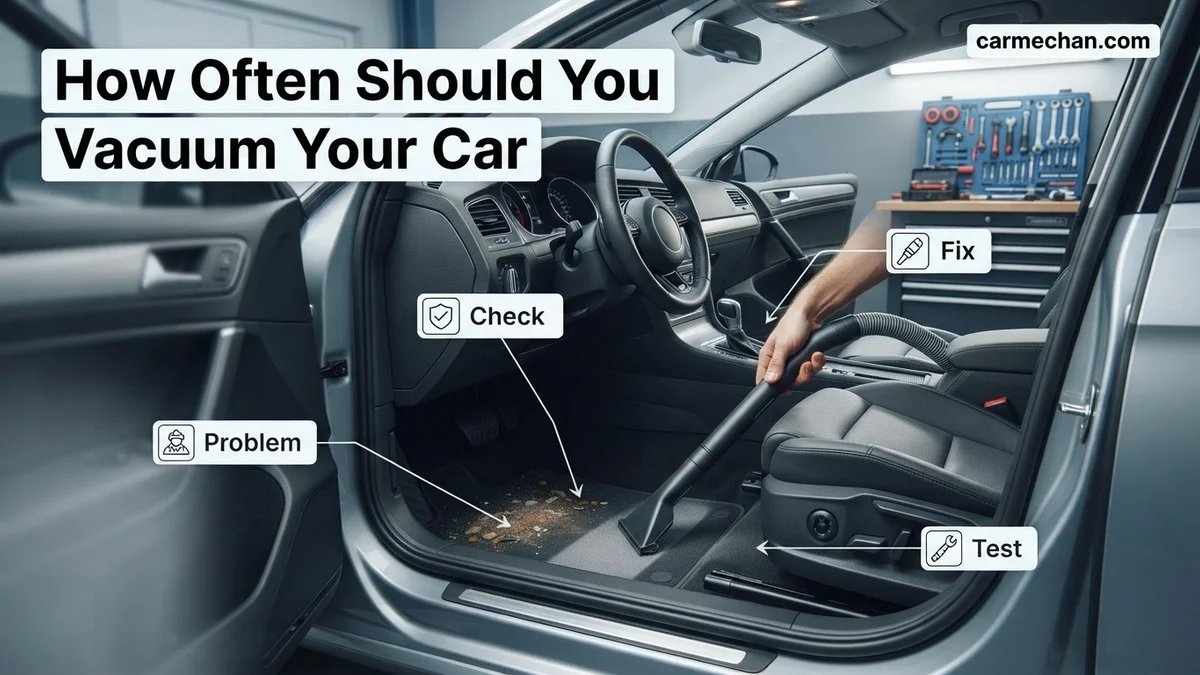
Most drivers should vacuum their car interior every one to two weeks to prevent dirt buildup and carpet damage. However, lifestyle factors like transporting pets or children significantly increase how often this maintenance is required. Maintaining a regular schedule preserves your vehicle’s resale value and eliminates trapped allergens.
For most vehicle owners in 2026, the golden rule is to vacuum your car thoroughly every two to four weeks. If you commute solo and keep a tidy cabin, you can easily stretch this to once a month. However, high-traffic vehicles carrying kids, pets, or food require a weekly deep clean to maintain a healthy interior environment.
Ignoring this maintenance schedule allows abrasive dirt, sand, and organic debris to grind deep into your vehicle’s carpet fibers. This buildup accelerates wear and tear on your upholstery while trapping moisture and allergens. Staying consistent with your vacuuming routine preserves your car’s resale value and keeps the cabin smelling fresh.
Key Takeaways
- Vacuum your car interior every 1 to 2 weeks for average driving conditions.
- Pet owners and parents should vacuum weekly to manage fur, crumbs, and debris.
- Infrequent vacuuming leads to permanent carpet fiber damage and trapped odors.
- Use rubber floor mats and quick shakes between deep vacuums to reduce buildup.
- Geographic climate impacts frequency, requiring more attention during muddy or snowy seasons.
Why Your Car Needs Regular Vacuuming and What Causes Dirt Buildup
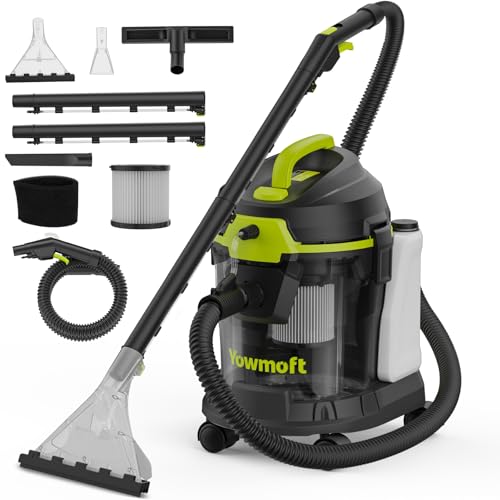

The Hidden Threat of Everyday Debris
Your car interior acts like a magnet for environmental pollutants, dead skin cells, food crumbs, and outdoor dirt. Every time you open a door or step inside, you introduce microscopic particles that settle into the floor mats and seat crevices. Without regular extraction, these particles break down and turn into stubborn dust that circulates through your ventilation system.

Carpet Damage and Structural Wear
Granules of sand and road salt act just like microscopic sandpaper under your feet. When you press down on the accelerator or shift your weight, these sharp particles slice through the delicate yarn of your automotive carpet. Once carpet fibers are severed, bald spots form rapidly, requiring expensive interior replacements. Vacuuming removes this abrasive grit before it ruins your flooring.
How to Establish the Best Car Vacuuming Schedule for Your Lifestyle


The Standard Baseline Schedule
If your daily routine involves a quiet commute to an office job with minimal mess, a monthly schedule works fine. Aim to pull out the vacuum every 30 days to clear out surface dust, floor mat debris, and trunk clutter. Drivers who encounter dusty rural roads or heavy winter weather should tighten this window to every two weeks to prevent severe buildup.
Lifestyle Adjustments for High-Traffic Vehicles
Your specific daily habits dictate a much faster cleaning cycle. Consider these practical frequency adjustments based on your passenger roster:
- Pet Owners: Vacuum every 7 to 10 days to pull embedded pet hair and dander out of fabric seats.
- Parents with Young Children: Clean the back rows weekly to eliminate crushed snacks, juice residue, and tracked-in mud.
- Frequent Commuters Who Eat on the Go: Target bi-weekly vacuum sessions to stop crumbs from attracting ants and other pests.
Step-by-Step Guide to Effectively Vacuuming Your Car Interior


Executing a thorough automotive detailing session requires more than simply dragging a household hose across your floor mats. Automotive cleaning specialists recommend a systematic top-to-bottom and front-to-back approach to prevent re-contaminating freshly cleaned surfaces.
1. Clear All Debris and Remove Floor Mats
Begin by removing all personal items, trash, and floor mats from the vehicle. Shake out the rubber or carpet mats vigorously outside the vehicle, or beat them against a hard surface to dislodge trapped surface dirt before applying suction.
2. Utilize Specialized Vacuum Attachments
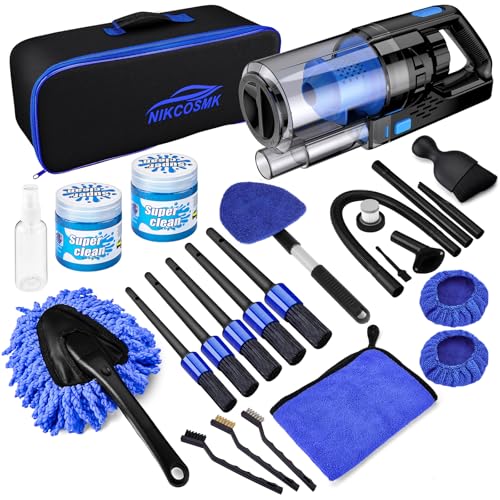
Attach a crevice tool to reach deep between the seat bolsters and underneath the center console where debris accumulates. Use a soft-bristled brush attachment on delicate surfaces like the dashboard, steering column, and door panel pockets to lift embedded dust without scratching plastic trim.
3. Vacuum Seats and Carpets Methodically
Slide the front seats all the way forward to vacuum the rear floorboards, then slide them backward to access the front rails. Vacuum fabric seats in overlapping linear strokes rather than random circles. For stubborn pet hair woven into carpet fibers, drag a rubber squeegee across the floor to clump the hair before final vacuuming.
What If Regular Vacuuming Doesn’t Remove Deep Odors or Embedded Dirt
Even the highest suction power cannot eliminate deep-seated organic odors, embedded salt stains, or heavy pet dander trapped beneath foam seat padding. When standard cleaning falls short, vehicle owners must escalate their detailing strategy.
- Apply Enzymatic Cleaners: Spray an automotive-grade enzymatic cleaner onto stained fabric to break down organic proteins from food spills, sweat, or pet accidents before extraction.
- Use a Hot-Water Carpet Extractor: Rent or purchase a dedicated automotive extractor to inject hot water and cleaning solution deep into the carpet fibers, immediately vacuuming out the suspended grime.
- Deploy an Ozone Machine: Run a commercial ozone generator inside the sealed cabin for 30 to 60 minutes to permanently oxidize and destroy persistent mildew or smoke odors at a molecular level.
- Consult Professional Detailers: If deep-set contaminants and stubborn smells persist despite these interventions, book a professional interior steam cleaning service. Professional deep-cleaning packages typically range from $150 to $350 depending on vehicle size and contamination severity.
Conclusion
Maintaining a clean vehicle interior requires balancing regular maintenance with targeted deep cleaning based on your specific driving habits and environmental exposure. According to verified research and automotive care experts, keeping your cabin free of abrasive dirt directly preserves interior resale value and cabin air quality throughout 2026 and beyond. As your immediate actionable next step, schedule a 15-minute maintenance vacuum session this weekend to protect your vehicle’s upholstery from premature wear.
❓ Frequently Asked Questions
How often should you vacuum your car if you have kids?
If you regularly transport children who eat or play in the vehicle, you should vacuum your car at least once a week to clear out crumbs, wrappers, and tracked-in dirt.
Does the season affect how often you need to vacuum?
Yes, winter and spring often bring more mud, slush, and salt into your vehicle, requiring more frequent vacuuming compared to drier summer months.
Can I use a household vacuum to clean my car?
A household vacuum can work if it has a long enough cord and flexible hose attachments, but shop vacuums or cordless car vacuums often offer better suction for tight spaces.
What is the best way to remove pet hair before vacuuming?
Using a rubber squeegee or a damp rubber glove across the upholstery helps bundle pet hair together, making it much easier for the vacuum to pick up.
How can I reduce how often I need to deep vacuum my car?
Installing rubber all-weather floor mats, shaking them out weekly, and keeping a small trash bin in the car drastically reduces loose debris on your carpets.
Does vacuuming help get rid of bad smells in a car?
Vacuuming removes the organic matter and trapped dust that often cause foul odors, though persistent smells may require upholstery shampooing or baking soda treatments.