2006 Ford F150 Cruise Control Not Working: Diagnosed & Fixed
Is your 2006 Ford F-150’s cruise control refusing to engage during long highway drives? Many owners struggle with intermittent speed control failures, often caused by hidden electrical faults or worn mechanical linkages. This guide provides a comprehensive roadmap to diagnose and fix your system, ensuring you can get back to stress-free driving safely.
Diagnosing 2006 Ford F150 Cruise Control Not Working Symptoms
Recommended Best Deal Products


📤 Share Image
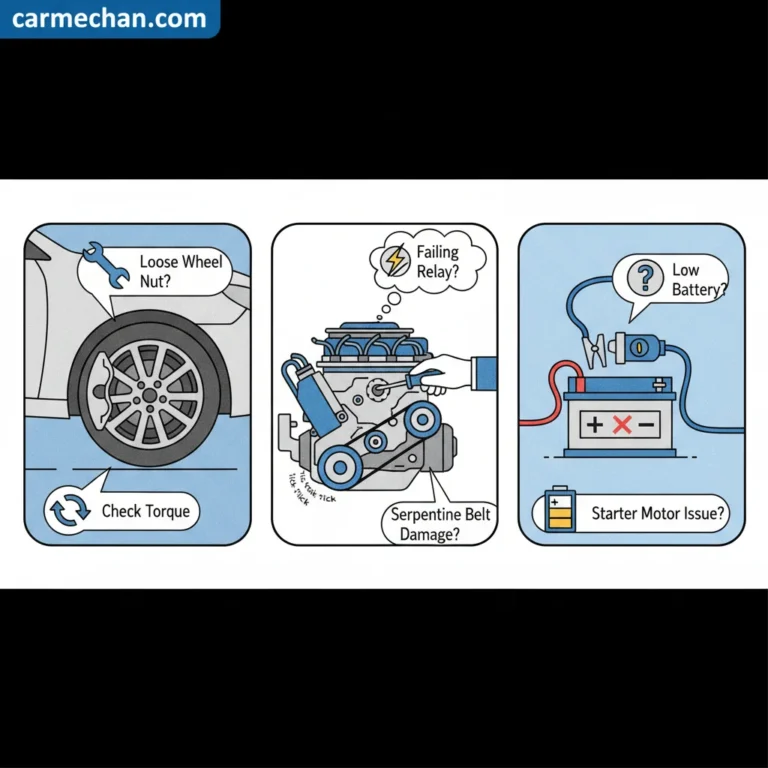
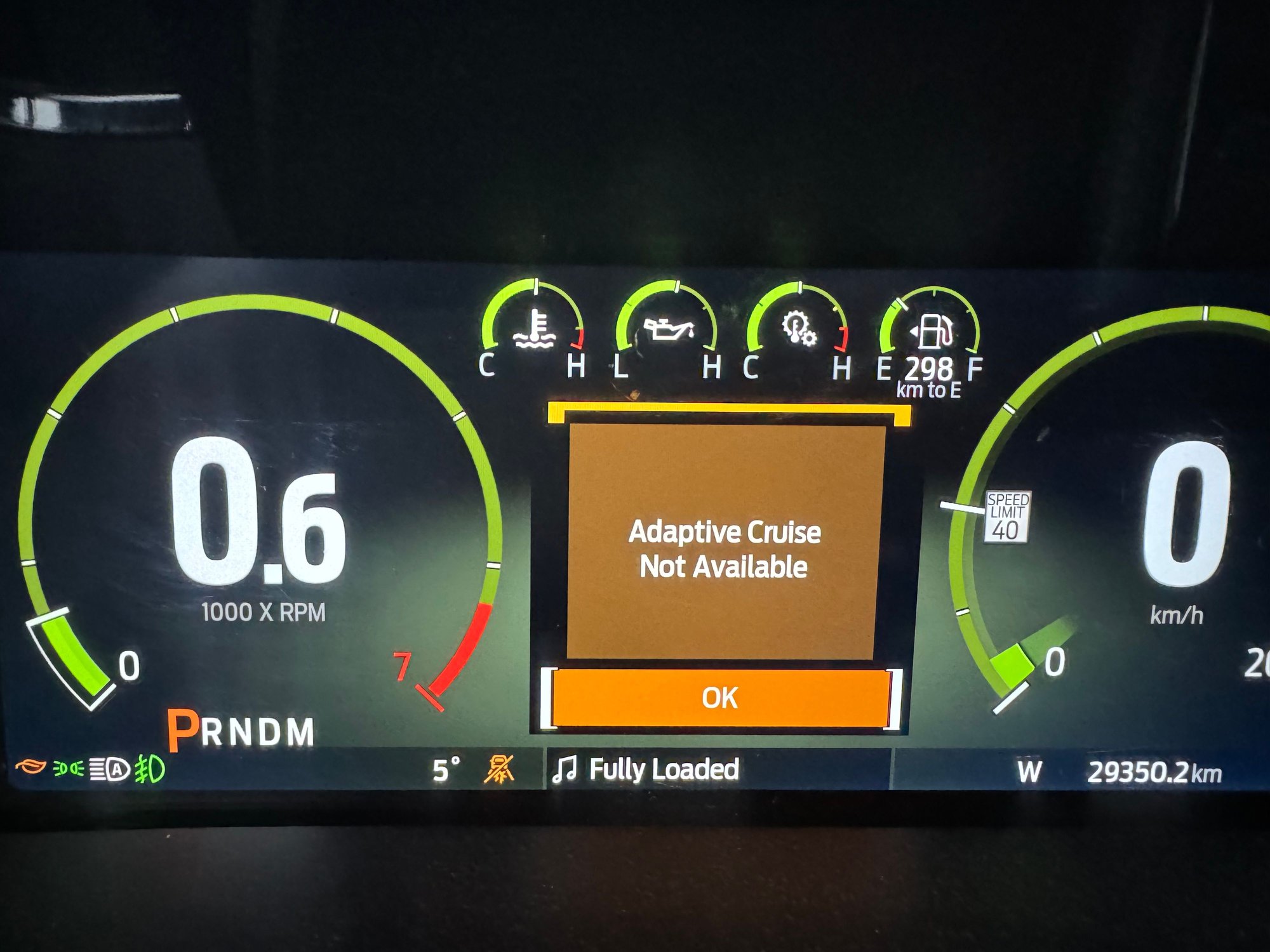
To effectively troubleshoot your cruise control, you must first isolate whether the failure is electrical, vacuum-related, or mechanical. The Powertrain Control Module (PCM) acts as the brain of the operation, constantly monitoring inputs from the Vehicle Speed Sensor (VSS), the brake system, and the steering wheel switches. If any of these inputs fall outside expected parameters, the system will refuse to engage as a safety precaution.
Why Diagnostic Trouble Codes Inhibit Cruise Control
One of the most frequent reasons owners report 2006 Ford F150 cruise control not working is the presence of an active Check Engine Light. Research indicates that if the PCM detects a fault in the engine management system—particularly issues related to the throttle body, mass air flow, or transmission—it will inhibit cruise control functionality to prevent potentially erratic throttle behavior. Always perform a scan for DTCs before tearing into the hardware.

The Role of Brake Light System Integration
The cruise control system is hardwired to disengage the moment it detects a braking event. If your brake light switch (mounted near the brake pedal) is failing or improperly adjusted, the PCM may believe the pedal is constantly depressed, preventing the system from ever setting a speed. This is a critical safety interlock that, if triggered incorrectly, renders the cruise control useless.
Vacuum System Leaks and Mechanical Throttle Linkage
For engines equipped with traditional mechanical throttles, the speed control actuator uses vacuum and a physical cable to pull the throttle plate. If the cable is stretched or if there is a vacuum leak in the actuator line, the system cannot maintain the requested speed. Ensure that the cable has appropriate tension; if it is too slack, the actuator will “bottom out” before achieving the desired acceleration.
Industry Data
MPH Operational Range
Required Voltage Input
Step-by-Step Fixes for 2006 Ford F150 Cruise Control Not Working
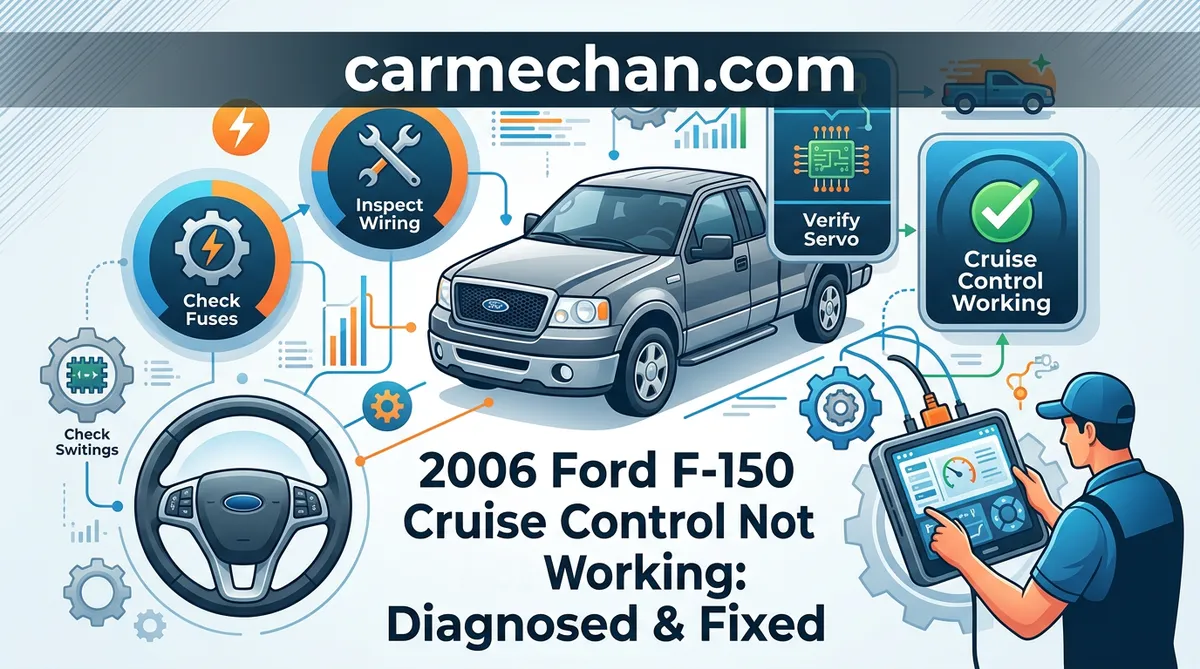
When you are ready to debug the system, follow this logical progression. Always start with electrical checks before moving to mechanical component replacement.
The deactivation switch on the master cylinder is a known failure point. Use a multimeter to check for continuity across the pins. If the switch is open when the brake is not applied, the cruise system will not receive the “ready” signal. Replace if continuity fails.
Check the speed control actuator located near the driver’s side inner fender. Manually tug on the throttle cable; it should have minimal slack. If the cable is damaged or the actuator makes grinding noises, the internal gears may be stripped, requiring unit replacement.
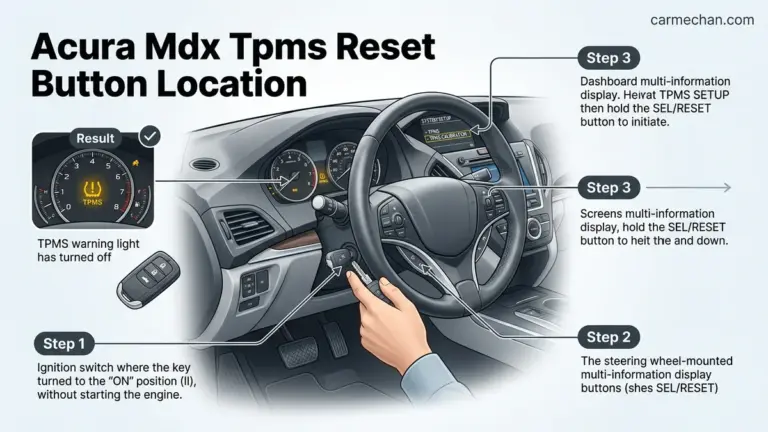
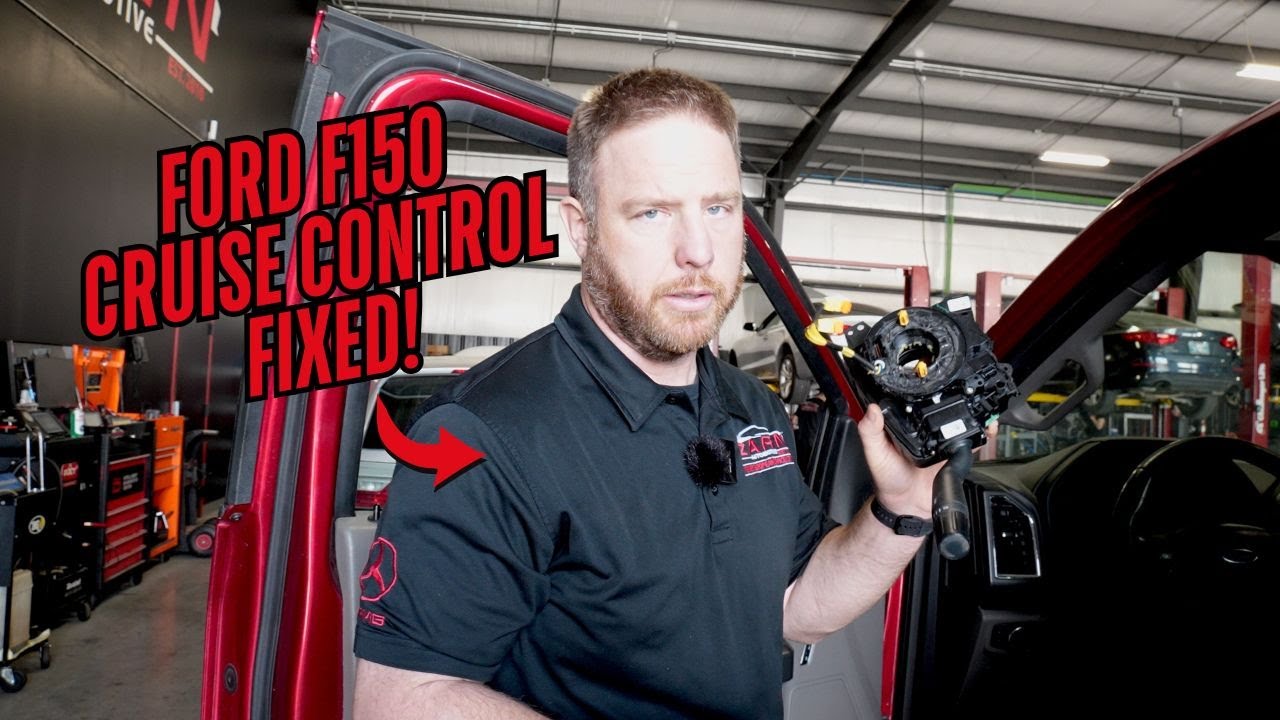
If your horn or steering wheel buttons are intermittent, the clock spring is likely at fault. This device transmits electrical signals from the steering column to the steering wheel. Always disconnect the battery and wait 15 minutes before touching any airbag-related components.

Prime for Young Adults — 6 Months Free
Students and 18–24s get six months of Prime free, then half price.
Start 6 Months FreeAdvanced Troubleshooting for Persistent Cruise Control Failures
Recommended Best Deal Products


If basic checks do not resolve the issue, you must dive into the digital signals. Modern diagnostic tools can be invaluable here.
Verifying VSS Data and Transmission Speed Signals
The system requires an accurate vehicle speed signal to maintain velocity. If the VSS is outputting erratic data, the cruise module will disengage instantly. Use an OBD-II scanner to monitor “Vehicle Speed” live data while driving. If the data is flatlined or fluctuates wildly, address the sensor wiring or the VSS itself.
Checking System Voltage and Battery Health
The cruise control module is sensitive to voltage fluctuations. If your alternator is providing inconsistent charging voltage (outside the 12-14.5V range), the module may reset itself. Verify battery health and grounding points under the hood, as poor grounds are notorious for causing “phantom” electrical gremlins in the F-150 electronic suite.
Safety Guidelines for 2006 Ford F150 Cruise Control Repairs
Working on speed control systems involves components that dictate vehicle motion and restraint deployment. Adhere to these strict safety protocols:
- Road Testing Protocol: Only verify cruise control functionality on closed roads or low-traffic highway sections. Never attempt to diagnose “on the fly” in heavy traffic.
- Throttle Cable Integrity: When adjusting or replacing the cruise cable, ensure it cannot bind. An overtightened cable can hold the throttle open, creating an dangerous unintended acceleration scenario.
- Airbag Safety: Always disconnect the negative battery terminal and wait for the supplemental restraint system (SRS) capacitors to discharge before servicing steering wheel controls or clock springs.
- Post-Repair Verification: After every repair, perform a “cold check.” Ensure the pedal returns freely and that no warning lights remain illuminated before taking the truck onto public roads.
For persistent issues involving the steering wheel buttons, try cleaning the internal contact pads with electrical contact cleaner. Sometimes, simply removing oxidation from the switch circuitry is the solution rather than replacing the entire component.
Summary and Professional Guidance
Recommended Best Deal Products


Resolving your 2006 Ford F150 cruise control not working requires a systematic approach, starting with the simplest diagnostic checks. Always scan for DTCs first; they are the most common reason for system disablement. Prioritize checking the brake deactivation switch and fuses before suspecting the actuator, and never open the steering column without disconnecting the battery to avoid accidental airbag deployment. When in doubt, use a digital multimeter to verify power flow to the control switches. If these steps fail to restore your cruise control, consult a certified technician to inspect the PCM for internal faults, as complex module programming may be required.
2006 Ford f150 Cruise Control Not Working: Frequently Asked Questions
Why does my cruise control light flash?
A flashing cruise control light indicates that the vehicle’s speed control module has detected a fault during its internal self-diagnostic check. This often points to a vacuum leak in the servo system, an electrical short in the steering wheel switches, or a fault signal from the deactivation switch. You can often read the flash patterns as diagnostic codes to narrow down the specific component failure.
Is there a fuse for the cruise control system?
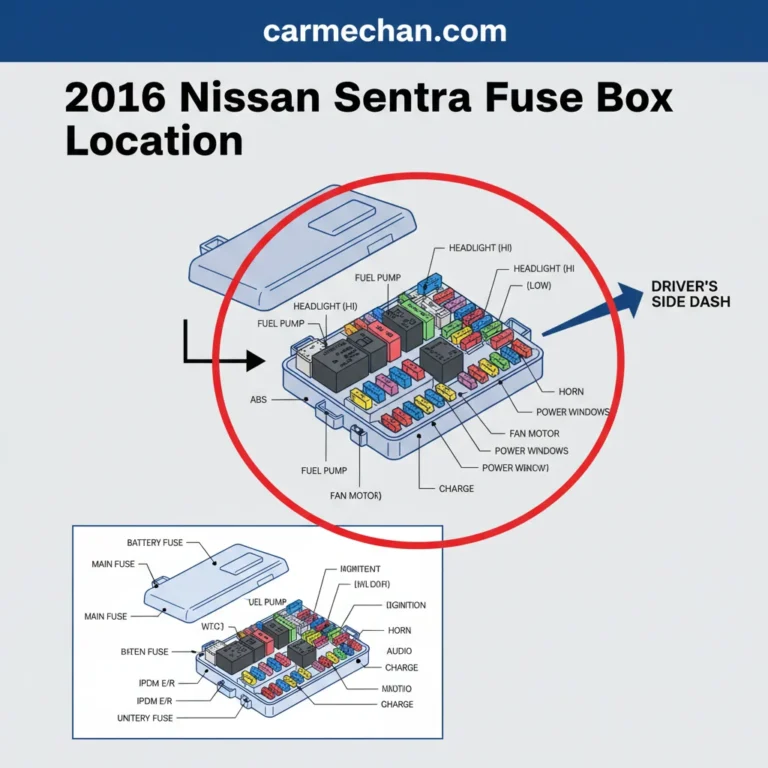
Yes, on a 2006 Ford F150, the cruise control system is primarily protected by fuse #102 in the Central Junction Box (passenger side kick panel). It is a 15A fuse. Always verify this fuse first, as it is the most common point of failure for a completely dead system. If the fuse is intact but the system is still dead, check the brake pedal position switch wiring.
Can a bad brake switch keep cruise from turning on?
Absolutely. The cruise control system is designed to disengage instantly when the brake pedal is pressed. A faulty or misaligned brake pedal position switch may continuously signal to the computer that the brakes are applied, which electronically inhibits the cruise control from ever engaging. This is one of the most frequent causes of cruise control failure in the 2006 F150 platform.

Audible Premium Plus — Annual Membership
12 audiobook credits up front, plus the full Audible catalogue.
See Annual PlansHow do I reset the cruise control system?
The 2006 F150 cruise control doesn’t have a traditional ‘reset’ button. However, you can trigger a self-test by pressing and holding the ‘OFF’ button on the steering wheel while turning the ignition to the ‘ON’ position. If the light flashes, the system is performing a diagnostic check. If it doesn’t, ensure your battery is fully charged and the fuses are good, as the system resets automatically upon power-cycling the ignition.
What is the deactivation switch recall?
Ford issued a massive safety recall regarding the cruise control deactivation switch located on the master cylinder. The switch could leak brake fluid, which might lead to an electrical short and, in extreme cases, a fire. If your cruise control is failing, inspect the switch for moisture or corrosion. If it is leaking, replace it immediately, as it is a critical safety item.