Toyota Camry Lifespan: How Many Miles Can It Last?
Last Updated on September 1, 2026 by Ryan


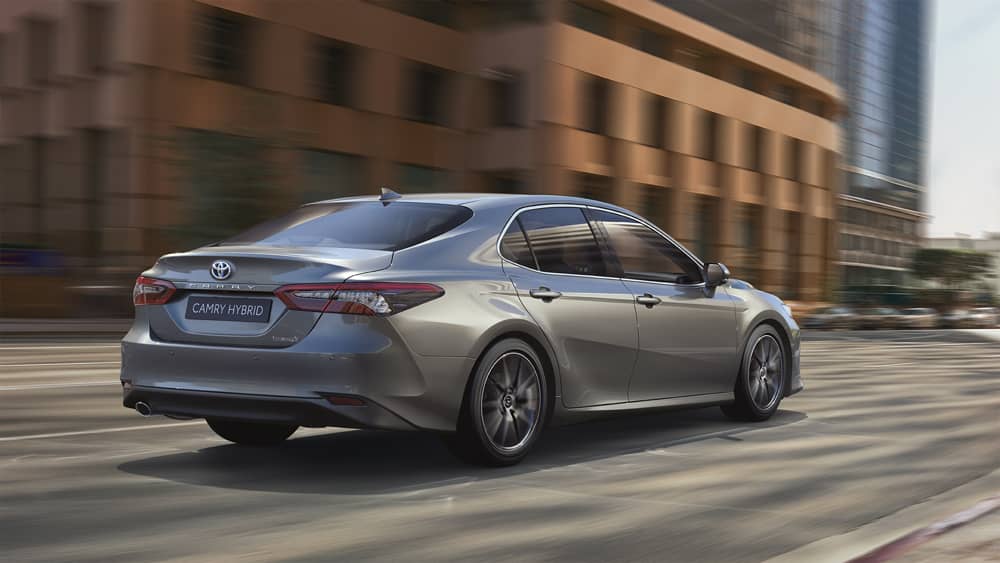
A Toyota Camry is renowned for its exceptional longevity, with many models reliably lasting 200,000 to 250,000 miles and often exceeding 300,000 miles with proper care. Its robust engineering and readily available parts contribute significantly to its impressive lifespan, making it a popular choice for durability.
🎯 Key Takeaways
- Average Camry life:200,000-250,000 miles.
- Proper maintenance extends life beyond 300,000 miles.
- Driving habits significantly impact vehicle longevity.
- Timely repairs prevent minor issues from escalating.
- Regular fluid changes are crucial for a long-lasting engine.
If you’re considering a Toyota Camry, or already own one, you’re likely wondering just how many miles you can realistically expect it to last. The good news is that a Toyota Camry is reliably known to last between 200,000 and 250,000 miles on average, with many well-maintained examples easily surpassing the 300,000-mile mark. This exceptional longevity isn’t just a marketing claim; it translates directly into lower long-term ownership costs and excellent resale value, making the Camry a smart choice for dependable transportation.

Understanding this impressive lifespan helps you plan your vehicle budget and driving future. It means you can count on your Camry for years, often deferring the need for a new car and maximizing your investment. This reputation for durability is a cornerstone of why millions choose the Camry.
Understanding the Toyota Camry’s Lifespan Potential
The Baseline: Consistently High Mileage
The Toyota Camry has earned its reputation as a workhorse, consistently delivering impressive mileage for its owners. Expecting your Camry to last well into the 200,000 to 250,000-mile range is not just optimistic, it’s a realistic projection based on countless vehicles still on the road. This widespread consensus is rooted in Toyota’s engineering philosophy, which prioritizes robust component design and stringent manufacturing quality over fleeting trends.

Core to the Camry’s durability are its powertrain components. Toyota’s engines, whether the 2.5L four-cylinder or the potent 3.5L V6, are renowned for their bulletproof reliability. Paired with equally dependable automatic transmissions, often supplied by Aisin-Warner (a Toyota group company), the drivetrain is built to withstand hundreds of thousands of miles of regular use. These fundamental strengths ensure that while other parts may eventually wear out, the heart of your Camry is designed for the long haul. Many drivers report reaching 250,000 miles with only routine maintenance and without major engine or transmission overhauls.
Pushing Beyond: The 300,000+ Mile Club
While 200,000 to 250,000 miles is the expected baseline, a significant number of Toyota Camrys push well past this, entering the 300,000, 400,000, and even 500,000-mile territory. Reaching these remarkable figures isn’t solely a matter of luck; it’s a testament to the vehicle’s inherent design quality combined with diligent owner care. The Camry’s chassis, suspension components, and electrical systems are also built with similar attention to longevity, preventing them from becoming premature points of failure that would sideline the vehicle.
When maintained properly, the engine and transmission often outlast many other components like alternators, starters, or suspension bushings. This means that while you might replace a few minor parts along the way, the expensive core of your vehicle remains solid. This exceptional resilience is why the Camry frequently tops reliability surveys and is a favorite among ride-share drivers and fleets who rack up high mileage quickly. Your Camry’s potential is truly remarkable if you commit to its care.
Key Factors Influencing Your Camry’s Longevity
The Role of Proactive Maintenance
The single most impactful factor in determining how long your Toyota Camry will last is how diligently you adhere to its maintenance schedule. Think of regular maintenance as preventative medicine for your car; it addresses small issues before they become catastrophic. Here are the critical aspects:
- Regular Oil Changes: This is non-negotiable. Using the correct type and viscosity of oil, changed at recommended intervals (or sooner, especially with conventional oil), prevents engine wear and sludge buildup. Many owners opt for synthetic oil for extended protection and intervals.
- Fluid Checks and Changes: Don’t overlook other vital fluids. Regularly check and change your transmission fluid, coolant, brake fluid, and power steering fluid as specified in your owner’s manual. Old or contaminated fluids can lead to premature failure of expensive components.
- Timing Belt/Chain: If your Camry uses a timing belt (older models), replacing it at the manufacturer’s specified interval (typically around 60,000-90,000 miles) is crucial. A broken timing belt can lead to severe engine damage. Most modern Camrys utilize a timing chain, which is designed to last the life of the engine with proper oil maintenance.
- Spark Plugs, Filters, and Belts: Regularly replacing spark plugs, air filters, filter location featured.png”>cabin filters, and serpentine belts keeps your engine running efficiently and prevents strain on other systems. These relatively inexpensive parts play a vital role in overall engine health.
Adhering to these simple practices significantly extends the life of your Camry’s most vital systems, preventing major repairs down the line.
Driving Habits and Environment Matter
Beyond maintenance, how you drive your Camry and the environment it operates in significantly impact its longevity. Your driving style has a direct correlation to wear and tear:
- Gentle Driving: Avoid aggressive acceleration, hard braking, and rapid turns. Smooth driving reduces stress on the engine, transmission, brakes, tires, and suspension components. Every jerky movement adds wear.
- Highway vs. City Miles: Highway driving is generally “easier” on a car than city driving. Constant stop-and-go in urban environments causes more wear on brakes, transmission, and the engine due to frequent idling and acceleration cycles. Highway miles often mean less shifting and more consistent engine operation, leading to less stress.
- Climate Conditions: Extreme temperatures, both hot and cold, can accelerate wear on fluids, hoses, and seals. More critically, cars in regions that use road salt in winter are highly susceptible to rust, which can compromise the structural integrity and accelerate the deterioration of undercarriage components, brake lines, and electrical connections.
- Prompt Repair of Minor Issues: Never ignore a check engine light, unusual noises, or minor leaks. Small problems, when left unaddressed, almost always escalate into larger, more expensive failures. Fixing a minor issue like a failing sensor or a small fluid leak immediately can prevent extensive damage to major systems.
By being mindful of these factors, you can significantly enhance your Camry’s potential to reach and exceed the highest mileage expectations.
Common Wear and Tear: What to Expect as Your Camry Ages
Even with Toyota’s legendary reliability, every vehicle will experience natural wear and tear. A high-mileage Camry might still run like a champ, but certain components will inevitably show their age. Knowing what to expect helps you stay ahead of potential issues.
Engine and Transmission Components


While the Camry’s engine and transmission are built to last, they aren’t immune to the passage of time and miles. Over 150,000 miles, you might start to see:
- Fluid Degradation: Transmission fluid, coolant, and power steering fluid can break down, becoming less effective and potentially causing wear.
- Belts and Hoses: Rubber components like serpentine belts, timing belts (on some older models), and various coolant or vacuum hoses can crack, fray, or leak.
- Gaskets and Seals: Engine and transmission gaskets can dry out and lead to minor oil or fluid leaks. Addressing these early prevents bigger problems.
- Spark Plugs and Ignition Coils: These wear out, leading to reduced fuel efficiency and occasional misfires. Regular replacement is key.
These issues are generally manageable and don’t necessarily signal the end for your Camry. They’re part of owning a high-mileage vehicle.
Suspension and Electrical Systems
Beyond the powertrain, other critical systems also face the rigors of the road. Your Camry’s ride quality and overall functionality can change over time:
- Suspension Components: Shocks, struts, and various bushings (control arm, sway bar) absorb countless bumps. They’ll eventually wear out, leading to a bouncier ride, uneven tire wear, or clunking noises.
- Brakes: Brake pads and rotors are consumables, but calipers and brake lines can also degrade. Keeping the braking system in top shape is crucial for safety.
- Electrical System: While generally robust, components like the battery, alternator, starter motor, and even window motors can eventually fail. Dashboard warning lights are often the first sign of electrical gremlins.
- Interior Wear: Seats might show rips, dashboard plastics can crack, and buttons might fade. While not mechanical, these are visible signs of an aging car.
Proactive inspection and timely replacement of these parts ensure your Camry remains comfortable and safe, extending its practical lifespan.
Maximizing Your Toyota Camry’s Mileage: Practical Strategies
Want your Toyota Camry to join the ranks of 200,000-mile legends? It’s entirely possible with the right approach. Your actions as an owner play a huge role in how long your car truly lasts.
The Power of Proactive Maintenance
Think of your Camry’s maintenance schedule as its personal health plan. Sticking to it religiously is the single most effective way to extend its life.
- Follow the Manufacturer’s Schedule: Your owner’s manual isn’t just a suggestion; it’s a guide to longevity. Pay attention to recommended intervals for oil changes, tire rotations, fluid checks, and filter replacements.
- Regular Oil Changes: This is paramount. Clean oil lubricates, cools, and cleans your engine. Skipping changes can lead to sludge buildup and premature engine wear.
- Fluid Checks and Flushes: Don’t overlook transmission fluid, brake fluid, coolant, and power steering fluid. Fresh fluids prevent component breakdown and ensure optimal system performance.
- Tire Care: Proper tire pressure, regular rotations, and alignment checks not only improve fuel economy and safety but also reduce strain on your suspension components.
- Address Minor Issues Promptly: A small leak or an unusual noise can quickly escalate. Don’t ignore warning lights or strange sensations; get them checked out by a trusted mechanic right away.
A little attention now can prevent a lot of costly repairs later, keeping your Camry on the road for hundreds of thousands of miles.
Driving Habits and Environmental Factors
How you drive and where you keep your car also significantly impact its longevity. Small adjustments can make a big difference.
- Smooth Driving: Avoid aggressive acceleration, hard braking, and excessive speeding. Gentle driving reduces wear and tear on the engine, transmission, brakes, and tires.
- Warm-Up and Cool-Down: Especially in extreme temperatures, allow your engine a minute or two to warm up before driving hard, and to cool down before shutting it off after a long journey.
- Avoid Overloading: Consistently hauling heavy loads puts extra stress on the engine, transmission, and suspension. If you must carry heavy items, ensure your Camry is within its weight limits.
- Protect from Elements: Parking in a garage or using a car cover can protect your Camry’s paint, interior, and undercarriage from harsh sun, rain, snow, and road salt, which are major contributors to rust and material degradation.
- Regular Cleaning: Washing your car regularly, especially the undercarriage, helps remove salt and grime that can cause corrosion.
By treating your Camry kindly both on and off the road, you’re investing directly in its potential for a long and healthy life.
Conclusion
The Toyota Camry truly earns its reputation as a longevity champion. While 200,000 miles is a common benchmark, many Camrys easily push past 300,000 miles and beyond with the right care. Its robust engineering, coupled with your commitment to proactive maintenance and responsible driving, unlocks its full lifespan potential.
Don’t just drive your Camry; invest in its journey. Consult your owner’s manual for specific maintenance schedules, and establish a relationship with a reliable mechanic. With a little attention, your Toyota Camry can be a dependable companion for many years and countless miles to come. Enjoy the long road ahead!
❓ Frequently Asked Questions
How does regular maintenance impact a Toyota Camry’s lifespan?
Regular maintenance, including oil changes, fluid checks, tire rotations, and timely repairs, is paramount. It prevents minor issues from escalating into major, costly failures, preserving critical components like the engine and transmission, thereby extending its useful life significantly.
What specific maintenance items are crucial for high-mileage Camrys?


Beyond routine oil changes, pay close attention to transmission fluid flushes, coolant system maintenance, timing belt/chain inspection (if applicable), spark plug replacement, and checking suspension components. These are vital for smooth operation and preventing premature wear in an aging vehicle.
Are certain Toyota Camry model years known for exceptional longevity?
While Camrys are generally robust, models from the late 1990s through the early 2010s (e.g., 4th, 5th, and 6th generations) are particularly lauded for their straightforward engineering and impressive durability. Many owners from these eras report effortlessly hitting high mileage thresholds.
What are the common high-mileage issues to expect with a Toyota Camry?
As Camrys age, common issues might include wear on suspension components (shocks, struts), minor oil leaks from aging gaskets, electrical sensor failures, and potential transmission wear, especially if fluid changes were neglected. These are generally manageable with timely intervention by a qualified mechanic.
Is it worth repairing an older Camry with high mileage, or should I replace it?
This depends on the repair cost versus the vehicle’s remaining value and your budget. For a Camry with a strong engine and transmission, investing in repairs for common wear items like suspension or minor leaks is often more cost-effective than buying a new car, given their inherent reliability and lower depreciation.
How do driving conditions influence a Camry’s expected mileage?
Driving primarily on highways with less stop-and-go traffic is generally less strenuous on a vehicle and can lead to a longer lifespan compared to consistent city driving. City driving causes more wear on brakes, transmission, and engine components due to frequent acceleration and braking cycles, potentially shortening its overall mileage.