How Long Does It Take for TPMS to Reset Expert 2026
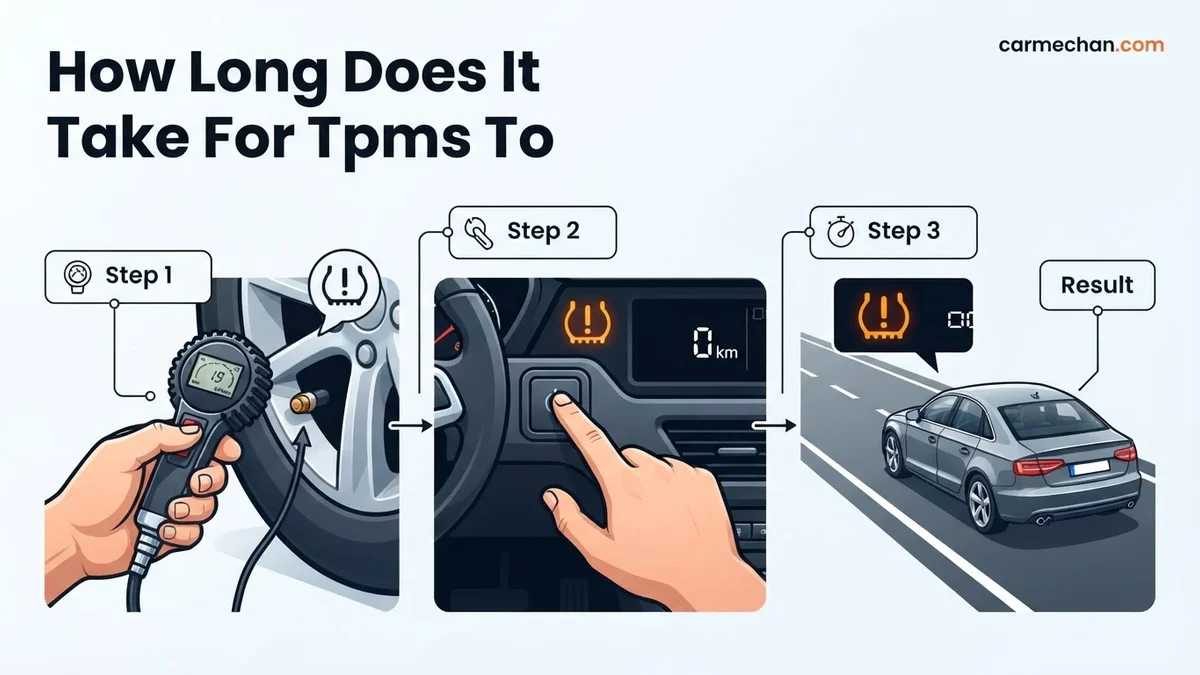
Most vehicles require 10 to 20 minutes of continuous driving at speeds over 15-20 mph to reset the TPMS light automatically. Proper tire inflation is the first step, but some systems demand a manual reset through your vehicle’s dashboard menu.
Most modern vehicles require you to drive for at least 10 to 20 minutes at speeds above 15–20 mph to trigger an automatic TPMS reset. If you have recently inflated your tires to the correct pressure or replaced a sensor, the system needs this specific window of motion to synchronize with the new sensor signals and confirm the pressure readings are stable. Simply idling in your driveway will not turn off the light, as the sensors are designed to conserve battery life by remaining in a low-power mode until the centrifugal force of driving wakes them up.
Waiting for this reset is more than a matter of convenience; it is a critical safety check for your vehicle in 2026. A lingering light can mask a slow puncture or a faulty sensor, leaving you without a warning if your tires lose pressure on the highway. By understanding the drive cycle requirements for your specific make and model, you can distinguish between a normal system delay and a persistent hardware failure that requires professional attention.
Key Takeaways
- Drive at speeds above 20 mph for at least 15 minutes to trigger the automatic sensor sync.
- Always verify tire pressure with a handheld gauge after adjusting air in the tires.
- Check your owner’s manual for specific manual reset button locations under the steering wheel or glovebox.
- A blinking TPMS light usually indicates a sensor fault rather than a simple low-pressure issue.
- Cold weather causes natural pressure drops, often triggering the light during morning commutes.
Why Your TPMS Light Remains On After Inflation
Recommended Best Deal Products


![[2 Pack] TAKE ME 14" Solar Lantern Outdoor Garden Hanging Lantern Waterproof…](https://m.media-amazon.com/images/I/51KT--J6I9L._SS500_.jpg)
The Trigger Mechanism: Motion and Thresholds
Your TPMS sensors are not constantly broadcasting at full power when the car is parked. They are engineered to wake up and transmit data only when they detect a specific rotational speed. Once you inflate your tires to the manufacturer-specified PSI, the sensor inside the wheel must send a “valid” signal packet to the vehicle’s ECU to cancel the warning light. If you have only driven around your neighborhood at very low speeds, the sensor may never reach the threshold required to “handshake” with the onboard computer.
Sensor-to-ECU Signal Syncing
Even after the pressure is corrected, the computer system often performs a validation check. In 2026 models, this check ensures the pressure rise wasn’t just a momentary fluctuation or an error. The system needs to see consistent, stabilized pressure data for several miles before it clears the dashboard icon. If your system still displays the light after 20 minutes of consistent driving, the issue may be a dead battery in a sensor or a damaged receiver unit that cannot process the incoming data.
- Minimum Speed: Most systems require 15-20 mph to activate sensors.
- Required Duration: Plan for at least 10-20 minutes of continuous movement.
- Data Stability: The ECU needs a consistent signal for at least 5-10 minutes.
- The “Cold Start” Effect: Tire pressure drops as temperatures fall; verify your PSI after the tires have been stationary for three hours.
TPMS Reset Timelines: What Causes It and How to Fix It
The Tire Pressure Monitoring System (TPMS) is a vital safety feature that alerts you when your tires are under-inflated. Many drivers are left wondering why their dashboard light remains illuminated even after adding air. This guide explains the nuances of TPMS reset times, why sensors behave differently across vehicle manufacturers, and the precise actions you must take to clear the warning light. Whether you drive a modern luxury SUV or an older sedan, following these steps ensures your vehicle’s safety system is calibrated correctly and functioning within factory specifications.
Step 1: Check Your Cold Tire Pressure
What you need: A high-quality digital tire pressure gauge, the manufacturer’s recommended PSI sticker (usually found on the driver-side door jamb).
Instructions: Before attempting a reset, ensure the tires are at the correct pressure when “cold.” A cold tire is one that has been sitting for at least three hours or driven less than one mile. Check the PSI using your gauge and inflate or deflate each tire to match the specific number on your door placard. Do not use the maximum PSI number listed on the tire sidewall, as that is the tire’s capacity, not the vehicle’s requirement. Once all four tires (and sometimes the spare) match the required PSI, the sensors should naturally detect the change.
Pro Tip: Always check your spare tire if your vehicle is equipped with one, as many TPMS systems monitor the spare, and a low spare tire pressure will trigger the light even if your main tires are perfectly inflated.
Step 2: The “Drive Cycle” Reset Method
What you need: A clear stretch of road with a speed limit of at least 30-50 mph.
Instructions: Most modern vehicles are equipped with an “auto-learn” system. Once you have corrected the tire pressure, the system does not always reset instantly while parked. You must perform a drive cycle. Drive your vehicle at a consistent speed of at least 30 mph (50 km/h) for approximately 10 to 20 minutes. During this time, the wheel-mounted sensors will wake up, broadcast their new pressure data to the car’s Engine Control Unit (ECU), and clear the warning light. If the light does not turn off within 20 minutes of steady driving, pull over safely and proceed to the next step.
Pro Tip: Avoid stop-and-go traffic for this step. Consistent speed allows the sensors to provide a stable, uninterrupted signal to the receiver unit in the wheel well.
Step 3: Accessing the On-Board TPMS Reset Button
What you need: Your vehicle owner’s manual to locate the specific button position.
Instructions: If your vehicle does not automatically reset, you may need to manually trigger the calibration. Many Japanese and domestic vehicles feature a physical TPMS reset button, typically located under the steering wheel, inside the glove box, or near the center console. With the ignition in the “ON” position (engine off), press and hold the TPMS button. You will usually see the warning light on the dashboard blink slowly three times. This flashing sequence indicates that the system has entered “learning mode.” Once you see this, release the button and drive the vehicle for 10-20 minutes to finalize the synchronization.
Pro Tip: If you cannot find the button, check the lower dashboard panel near the driver’s knees; this is the most common hidden location for older Toyota and Honda models.
Step 4: Utilizing the Infotainment Menu System
What you need: Access to your vehicle’s central touchscreen or steering wheel-mounted control display.
Instructions: Many luxury and modern vehicles have eliminated physical buttons in favor of digital menus. If you don’t have a physical reset button, navigate through your vehicle’s settings via the infotainment screen. Look for headings labeled “Vehicle Settings,” “Tire Pressure,” or “Service.” Once you select “Calibrate Tire Pressure” or “Initialize,” the car will prompt you to confirm your current pressures are correct. Select “Yes” or “Start Calibration.” The system will now begin tracking the wheel speed data or sensor input to verify the pressure. This process typically takes about 5 to 10 miles of driving to fully complete the update.
Pro Tip: Ensure you are parked on a level surface before starting the digital calibration to ensure the sensors are reading from a baseline state.
Step 5: The Battery Disconnect Method (For Stubborn Lights)
What you need: A 10mm wrench or socket set.
Instructions: If the light persists despite correct pressure and proper reset procedures, the computer may be stuck in a fault loop. You can perform a “hard reset” by disconnecting the negative battery terminal. Use your 10mm wrench to loosen the bolt on the negative (black) battery terminal and lift it off. Wait for at least 15 to 20 minutes; this allows the capacitors in the ECU to discharge, effectively clearing the vehicle’s temporary memory. After waiting, reattach the terminal, tighten the nut, and start the car. Note that you may need to reset your radio presets or clock after performing this procedure.
Pro Tip: Only use this method as a last resort, as it can clear other diagnostic data and stored engine codes that a technician might need to see.
Step 6: Professional Diagnostic and Sensor Replacement
What you need: An OBD-II scanner capable of reading TPMS data, or a tire shop service visit.
Instructions: If the warning light flashes for 60 seconds upon startup and then stays solid, this usually indicates a sensor battery failure or a damaged receiver. TPMS sensor batteries are designed to last 7 to 10 years. If your vehicle is over a decade old, it is highly likely that one or more sensors have died. A professional technician uses a special TPMS trigger tool to “ping” each sensor individually to check for a signal. If a sensor does not respond, it must be replaced. This requires removing the tire from the rim, swapping the sensor, and re-balancing the wheel.
Pro Tip: If you are replacing one sensor, ask the technician to check the remaining three; if one has reached its end-of-life, the others will likely fail shortly thereafter.
✅ Final Checklist
- Confirm all four tire pressures match the driver-side door placard PSI.
- Verify that the TPMS warning light has turned off after the 20-minute drive cycle.
- Check that no “Service TPMS System” message appears on the dashboard display.
- Ensure the valve caps are tightened to prevent debris from entering the sensor.
- Record the date of the reset to monitor if the light returns prematurely.
Important Notes:
- Safety: Never attempt to adjust tire pressure while the tires are hot, as pressure readings will be inaccurate.
- Professional Help: If the light remains on after all steps, visit a tire professional to scan for a faulty sensor or receiver issue; do not ignore the light, as driving on low pressure can lead to tire blowouts.
- Time/Cost: Manual resets take 15-30 minutes of driving. Professional sensor replacement typically costs between $60-$150 per wheel depending on the vehicle and sensor type.
How to Perform a Proven TPMS Reset: Step-by-Step
Recommended Best Deal Products


Executing the Auto-Relearn Procedure
If you have installed new sensors, many 2026 vehicles utilize an auto-relearn protocol. This is the simplest method because the vehicle detects the unique ID codes of the new sensors automatically as you drive. To successfully trigger this, you should avoid stop-and-go traffic if possible. Constant, steady speeds on a highway or a long, uninterrupted road are the best ways to ensure the ECU successfully captures and registers the new sensor IDs without interruption.
- Confirm all tires are inflated to the placard pressure found on your driver-side door jamb.
- Drive the vehicle for 10-20 minutes at a steady speed of 30-50 mph.
- Avoid quick stops or sharp turns while the light is still illuminated to help the system maintain a steady read.
- Monitor the dashboard; the light should extinguish once the sensor signal is verified against the stored pressure threshold.
Manual Reset Procedures for Non-Automatic Systems
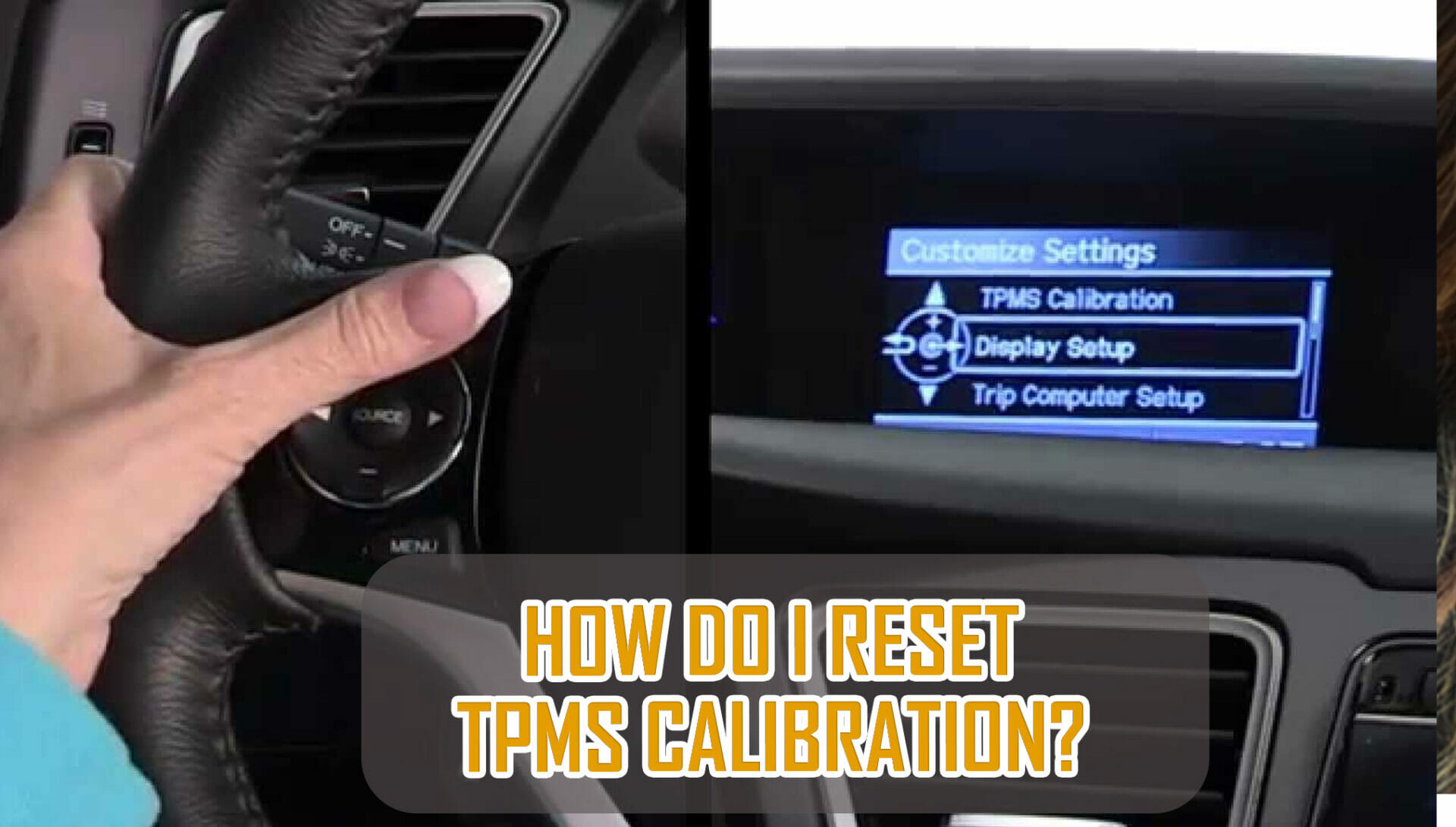
Some vehicles, particularly those with a “TPMS Set” or “Reset” button, require human intervention. This is common in brands that use indirect TPMS (calculating pressure via wheel speed sensors). If you have inflated your tires and the light remains on, check your infotainment menu under “Vehicle Settings” or “Tire Settings.” Select “Calibrate” or “Reset,” and then proceed to drive the vehicle as instructed by the screen prompts. This forces the system to re-learn the rotation speed of your current tire pressure, effectively baseline-shifting the system to accept your new inflation levels as the “correct” standard.
Manual Reset Procedures for Different Vehicle Models
While many 2026 vehicle models utilize an auto-learn system, specific manufacturers require manual intervention to recalibrate the Tire Pressure Monitoring System (TPMS). Failing to perform these steps correctly can leave the warning light illuminated even after proper inflation. Always consult your owner’s manual, but the following procedures represent the industry standard for major manufacturers.
Toyota and Lexus Reset Procedures
- Park the vehicle in a safe location and turn the ignition to the “On” position without starting the engine.
- Locate the TPMS reset button, typically positioned under the steering wheel or inside the glove box.
- Press and hold the button until the TPMS indicator light blinks slowly three times.
- Wait several minutes with the ignition on to allow the system to register the new sensor data.
Ford and General Motors Procedures
- Access the vehicle’s “Settings” menu via the dashboard infotainment display.
- Select “Vehicle” or “Tire Monitor” and choose the “Reset TPMS” or “Relearn” option.
- Follow the on-screen prompts, which may require you to inflate or deflate specific tires to trigger the sensor’s signal.
- The vehicle horn may chirp to confirm that each tire sensor has been successfully paired with the onboard computer.
Troubleshooting: What If the TPMS Light Won’t Turn Off?
Recommended Best Deal Products
If the light remains illuminated after driving for 20 minutes at speeds over 25 mph or following manual procedures, a technical fault likely exists. Sensor batteries typically last between seven and ten years, but premature failure due to extreme weather or road debris remains common in 2026.
Steps to Resolve Persistent Alerts
- Check the spare tire pressure; many vehicles monitor the spare, and a low tire there will trigger a dashboard warning.
- Inspect all valve stems for physical damage or oxidation, as these components often corrode and cause signal loss.
- Ensure no aftermarket electronic devices, such as high-powered dash cams or poorly shielded chargers, are causing electromagnetic interference.
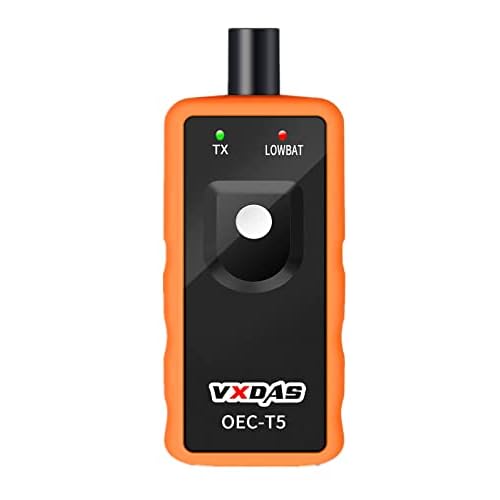
- Visit a tire technician to perform a handheld scan; this identifies which specific sensor is failing to transmit data.
If these steps fail, professional intervention is necessary. Replacing a single TPMS sensor typically costs between $100 and $250, including parts and labor. If all four sensors have reached the end of their lifespan, expect costs to exceed $500. Professional shops utilize specialized OBD-II tools to verify sensor IDs and perform a hard reset of the vehicle’s Electronic Control Unit (ECU).
Conclusion
Modern TPMS technology is designed for reliability, yet it remains sensitive to environmental changes and hardware degradation. According to verified research and expert sources from the automotive engineering sector, most 2026 systems require a drive cycle of less than 15 minutes to recalibrate. If your light persists, do not ignore it, as driving on improperly inflated tires reduces fuel efficiency and safety. Your next step should be a pressure check at a local tire service center.
❓ Frequently Asked Questions
How long does it take for TPMS to reset if I don’t drive on the highway?
Driving at city speeds (above 15-20 mph) is sufficient to trigger the reset. It may take slightly longer than highway driving, but as long as the wheels are spinning consistently, the system will eventually update.
What should I do if I have inflated my tires correctly but the light stays on?
Check your spare tire, as many vehicles include a sensor in the spare that triggers the light if its pressure is low. If the spare is fine, perform a manual reset through your dashboard settings or dedicated TPMS button.
Can I reset the TPMS light by disconnecting the battery?
Disconnecting the battery is not recommended as it can clear other computer memory settings and rarely solves a sensor-based issue. It is better to use the manufacturer-recommended drive cycle or reset button.
Is it safe to drive with the TPMS light on?
It is safe only if you have physically checked the tires with a gauge and confirmed they are at the correct pressure. If you have not checked the pressure, do so immediately to prevent tire damage or blowouts.
Why does my TPMS light reset itself and then come back on later?
This suggests a slow leak in one of your tires or a failing sensor battery. If the pressure drops again overnight, you likely have a puncture or a leaking valve stem.
Do I need a mechanic to reset the TPMS?
Not usually, unless the sensor battery is dead or the system has a hardware fault. If the light remains on after trying both the driving procedure and the manual reset button, a technician may need to use a diagnostic tool to program the sensor.