How To Reset Temperature Gauge In Car Your 2026 Expert 2026
Last Updated on September 1, 2026 by Albert Duke
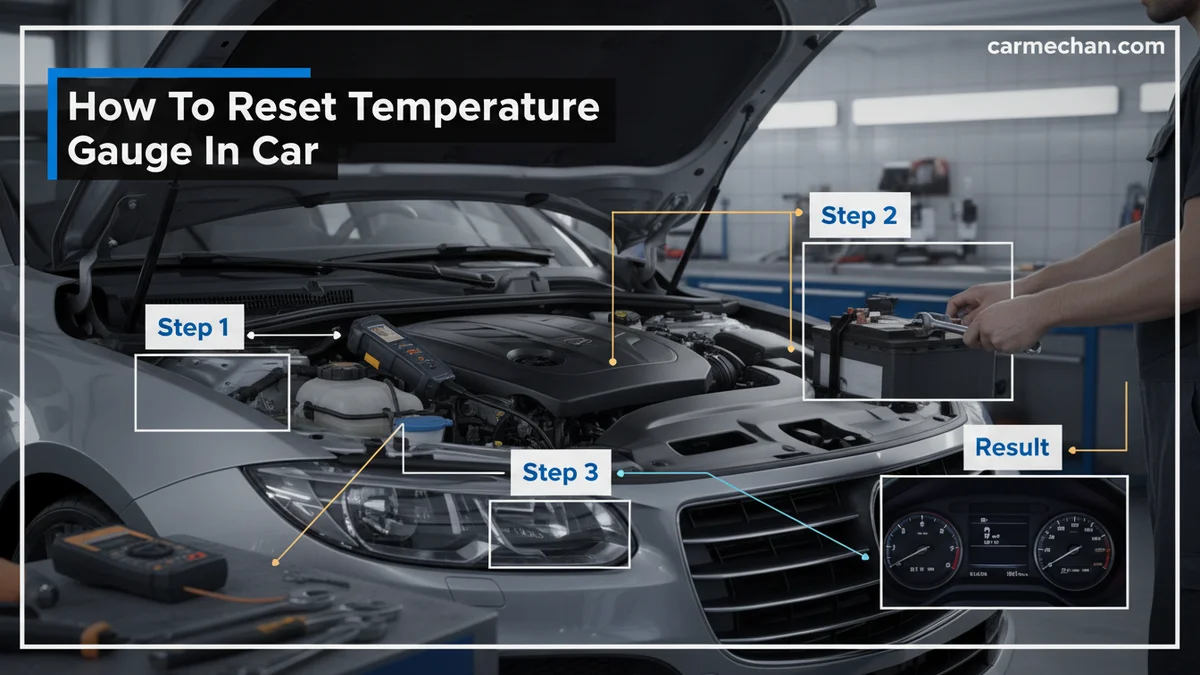
Resetting a car’s temperature gauge typically involves more than a simple button press; it requires diagnosing and addressing underlying issues such as a faulty sensor, wiring problems, or a failing thermostat. The most common ‘reset’ procedure is diagnosing and replacing a specific faulty component or resolving a system error.
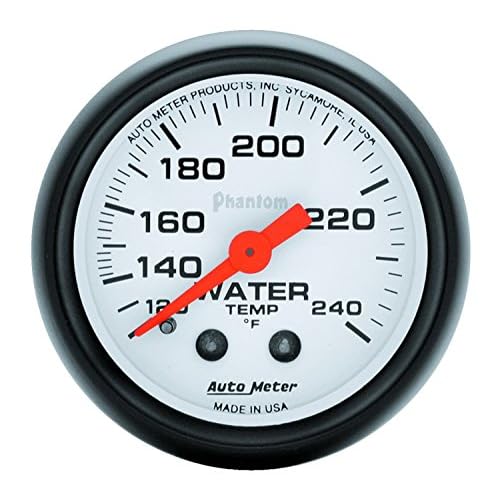
Knowing how to reset your temperature gauge in a car often means diagnosing and fixing an underlying issue rather than performing a simple button reset. Your car’s temperature gauge is a vital indicator of engine health, preventing serious overheating and costly damage. If it’s acting erratically, stuck, or showing incorrect readings in 2026, understanding the cause is the first step.
This guide will walk you through systematic troubleshooting for a faulty temperature gauge. We cover common problems, diagnostic steps, and specific fixes, including replacing a coolant temperature sensor. We also explain when to seek professional help to protect your engine.
Resetting a car’s temperature gauge typically involves more than a simple button press; it requires diagnosing and addressing underlying issues such as a faulty sensor, wiring problems, or a failing thermostat. The most common ‘reset’ procedure is diagnosing and replacing a specific faulty component or resolving a system error.
Key Takeaways
Recommended Best Deal Products


- A faulty gauge doesn’t always mean engine overheating.
- Diagnose before ‘resetting’ any car component.
- Engine coolant sensor is a frequent culprit.
- Simple checks like fuses and wiring can help.
- Safety is paramount; know when to call a pro.
5 Common Reasons for a Faulty Temperature Gauge
When your temperature gauge acts erratically, it signals a potential problem. These issues are common for car owners in 2026. Before attempting any fixes, understanding the symptoms of a malfunctioning gauge is crucial for proper diagnosis.
Bad Engine Sensor
A faulty Engine Coolant Temperature (ECT) sensor is a very frequent culprit behind inaccurate gauge readings. This sensor measures the coolant’s temperature and sends that data to your car’s computer and dashboard gauge. If it fails, the gauge might show cold when the engine is hot, or vice versa.
Symptoms include a gauge that’s stuck, fluctuates wildly, or reads consistently too high or too low. A bad sensor doesn’t necessarily mean your engine is overheating, but it prevents you from knowing the true temperature.
Frayed Wiring Harness
Damaged or corroded wiring between the ECT sensor, the engine control unit (ECU), and the instrument cluster can disrupt the temperature signal. A loose connection or a frayed wire can cause intermittent readings or a completely dead gauge. This can mimic sensor failure but requires a different fix.
Visually inspecting the wiring for any obvious damage or signs of wear is a crucial diagnostic step. Rodent damage, corrosion, or old age can all contribute to wiring problems. A break in the circuit prevents data transmission.
Insufficient Coolant Levels
Low coolant levels or air pockets trapped within the cooling system can lead to inaccurate temperature readings. If the coolant sensor is not fully submerged in coolant, it will read the temperature of the air, which can be much cooler or hotter than the actual engine coolant.
This often causes fluctuating readings or a gauge stuck on cold, even when the engine is warm.
Always check your coolant reservoir and radiator levels when the engine is cold. A simple top-off can sometimes resolve this issue. Look for leaks around hoses and connections as well. [INTERNAL LINK: How to check car coolant levels]
Stuck Thermostat Valve
The thermostat regulates your engine’s operating temperature by controlling coolant flow. If it gets stuck open, the engine might never reach its optimal operating temperature, causing the gauge to read consistently low. If it’s stuck closed, the engine will overheat rapidly, and the gauge will show high temperatures.
However, a faulty thermostat can also lead to an inaccurate gauge reading if it’s confusing the sensor with inconsistent flow.
An engine that takes a very long time to warm up or overheats quickly might indicate a thermostat problem. A malfunctioning thermostat can damage your engine if not addressed promptly. [INTERNAL LINK: Signs of a bad car thermostat]
Instrument Cluster Glitch
In some cases, the problem isn’t with the sensor or wiring, but with the gauge itself or the entire instrument cluster. This is less common but can happen due to internal electrical failures, blown bulbs, or circuit board issues within the dashboard. The gauge might be stuck, flicker, or simply not move at all, while the engine actually runs at a normal temperature.
Diagnosing an instrument cluster issue often requires specialized tools and expertise. This is usually considered a last resort diagnosis after ruling out other, more common problems. It can be a costly repair. Once you have an idea of the potential culprit, several DIY troubleshooting steps can help confirm and sometimes resolve the issue.
How to Diagnose Temperature Gauge Problems in 4 Steps
Recommended Best Deal Products


Systematic diagnosis is crucial before attempting any repairs. Rushing into fixes without understanding the root cause can waste time and money. Our 2026 guide walks you through the essential diagnostic process.
Perform Visual Inspection
Start by looking for obvious problems. Check the coolant reservoir for proper levels. Inspect all radiator hoses and the radiator itself for leaks, cracks, or loose connections. Look at the wiring leading to the ECT sensor; ensure it’s securely plugged in and free from damage. Confirm there’s no visible corrosion.
A quick visual scan can often reveal simple issues, like a low coolant level or a disconnected wire. This step requires no special tools, just your eyes and a flashlight. Always ensure the engine is cool before touching cooling system components.
Scan Diagnostic Codes
Connect an OBD-II scanner to your car’s diagnostic port (usually under the dashboard). Check for any stored diagnostic trouble codes (DTCs) related to the engine coolant temperature sensor or circuit. Codes like P0117, P0118, or P0119 specifically point to ECT sensor issues. Many auto parts stores offer free code scanning.
Even if the check engine light isn’t on, a pending code might exist. This step is critical because the car’s computer often knows exactly what’s wrong. .
Check Related Fuses
Consult your car’s owner’s manual to locate the fuse box (or boxes) and identify the fuse responsible for the instrument cluster or the engine’s temperature gauge circuit. A blown fuse can completely disable the gauge. Remove the fuse and visually inspect the small wire inside; if it’s broken, the fuse needs replacement.
Replacing a blown fuse is an inexpensive and straightforward fix. Always replace a fuse with one of the exact same amperage rating to prevent electrical damage. Do not use a higher-rated fuse.
Disconnect Car Battery
Sometimes, disconnecting the car battery for 15-30 minutes can perform a “hard reset” of the vehicle’s computer. This can clear temporary glitches or erroneous fault codes that might be affecting the gauge. Make sure you have your radio codes handy before disconnecting.
Disconnect the negative terminal first, then the positive. Reconnect them in reverse order: positive then negative. Always follow your manufacturer’s specific guidance for battery disconnection to avoid electrical system damage. . If these initial diagnostic steps point towards the coolant temperature sensor, testing and potentially replacing it becomes the next logical step.
How to Test Engine Coolant Temperature Sensor Yourself
The Engine Coolant Temperature (ECT) sensor is frequently responsible for gauge malfunctions. Learning how to test and replace it can save you significant mechanic fees. This process is a common ‘reset’ related fix for many car owners in 2026.
Locate Engine Sensor
The ECT sensor is typically found screwed into the engine block or the thermostat housing. Its exact location varies by vehicle make and model. Consult your car’s repair manual or an online diagram for your specific vehicle. It usually has two wires connected to it. It’s important to identify the correct sensor.
Ensure the engine is completely cool before starting this procedure. You’ll likely see other sensors nearby, so double-check you’re identifying the correct coolant temperature sensor. A quick online search for ” [Your Car Make Model] ECT sensor location” can help.
Perform Multimeter Test
To test the sensor, you’ll need a multimeter set to measure resistance (ohms). Disconnect the sensor’s electrical connector. With the engine cold, measure the resistance across the two terminals of the sensor. Note this reading. Then, carefully warm the engine slightly (without overheating) or remove the sensor and place it in hot water.
As the temperature rises, the resistance should gradually decrease.
Compare your readings to the specified resistance values in your car’s service manual at various temperatures. A sensor that shows no change in resistance or extremely high/low resistance at ambient temperature is likely faulty. .
Replace Faulty Sensor
If your multimeter test confirms the sensor is faulty, replacing it is the next step. Ensure the engine is cold. Place a drain pan underneath to catch any coolant that might leak. Unscrew the old sensor, clean the area, and apply a small amount of thread sealant or Teflon tape (if recommended) to the threads of the new sensor.
Screw in the new sensor and reconnect the electrical connector.
Top off your coolant if necessary and bleed any air from the system. Always handle coolant responsibly. . This replacement often resolves inaccurate temperature gauge readings and can be considered a full “reset” of the sensor’s function. Beyond the temperature sensor, other components of your cooling system can also cause inaccurate gauge readings.
3 Other Causes of Incorrect Temperature Readings
Recommended Best Deal Products


Beyond the engine coolant temperature sensor, other components of your cooling system can also lead to a faulty temperature gauge. Understanding these issues provides a more comprehensive diagnostic approach for car owners in 2026.
Sticking Thermostat Valve
A thermostat that is stuck open will cause the engine to run cooler than normal, potentially making the gauge read consistently low or take a very long time to reach operating temperature. Conversely, a thermostat stuck closed will prevent coolant flow, leading to rapid overheating. Both scenarios can trick the gauge or cause real temperature issues.
You can often test a thermostat by observing your engine’s warm-up time. If it’s unusually long, the thermostat might be stuck open. .
Air Pockets in System
Air trapped within the cooling system can lead to inaccurate temperature readings because the ECT sensor might not be fully submerged in coolant. This can cause the gauge to fluctuate erratically or read low, even if the engine is getting hot. Air pockets can occur after coolant flushes or repairs.
Bleeding the cooling system to remove air is often necessary. This process typically involves running the engine with the radiator cap off (or using a specialized funnel) to allow air to escape. .
Corroded Electrical Wiring
Beyond simple fraying, corrosion on electrical connectors or ground wires can create resistance in the circuit, leading to inaccurate signals from the ECT sensor to the gauge. This can cause intermittent readings or a gauge that displays inconsistent information. Electrical problems are often harder to diagnose.
Inspect all wire connectors for green or white corrosion. Cleaning these connections with electrical contact cleaner can sometimes resolve the issue. Ensure all ground wires are securely attached to the vehicle chassis. While many temperature gauge issues can be resolved with DIY efforts, certain situations warrant professional intervention.
When to Seek Professional Mechanic Assistance
Your safety and your engine’s health are paramount. While DIY troubleshooting can resolve many temperature gauge issues, knowing when to call a professional mechanic is crucial to prevent further damage or personal injury in 2026.
Persistent Engine Overheating
If your car is genuinely overheating (steam from under the hood, coolant boiling, engine running roughly) regardless of what the gauge says, do not drive it. Persistent overheating can cause catastrophic engine damage, including a blown head gasket or a seized engine. Pull over immediately and turn off the engine.
A professional can accurately diagnose the cause of true overheating, which might be a more complex cooling system failure. Ignoring this can lead to repairs costing thousands of dollars.
Complex Electrical Issues
If you’ve checked the sensor, fuses, and wiring, and the problem persists, the issue might lie deep within the vehicle’s electrical system or the instrument cluster. Diagnosing these complex electrical faults often requires specialized diagnostic tools and training that a typical DIYer might not possess.
A mechanic has advanced diagnostic equipment to trace electrical shorts or open circuits. This expertise helps prevent incorrect repairs that could damage sensitive electronic components.
Consider Repair Costs
Factor in the cost-benefit of DIY versus professional repair. While you save on labor, mistakes can be costly. If a repair involves handling refrigerant, complex engine disassembly, or reprogramming the ECU, professional intervention is often more economical in the long run. Get an estimate.
For example, repairing an instrument cluster can be hundreds of dollars, while a sensor replacement is much less. .
Prioritize Driving Safety
Driving with a faulty temperature gauge is risky. Without an accurate reading, you lack critical information about your engine’s condition. This could lead to unexpected breakdowns or severe engine damage. If you’re unsure about the vehicle’s actual temperature, avoid long trips or heavy traffic.
A professional mechanic can provide peace of mind by ensuring your car is safe and reliable on the road. Prioritize getting an accurate gauge fixed for safe travels in 2026. Understanding your car’s temperature gauge and knowing how to respond is vital for engine longevity and safe driving.
Frequently Asked Questions About Temperature Gauge Issues
Is It Safe to Drive With a Broken Temperature Gauge?
Driving with a broken temperature gauge is risky because you lose the ability to monitor engine temperature. Without this crucial warning, your engine could overheat unnoticed, leading to severe and costly damage. If the gauge is faulty, it’s best to diagnose the issue quickly or consult a mechanic.
How Much Does It Cost to Fix a Car Temperature Gauge?
The cost to fix a car temperature gauge varies significantly based on the root cause. A simple fuse replacement might cost under $10, while a new coolant temperature sensor typically ranges from $50-$200 for parts and labor. More complex issues like a new instrument cluster could cost $500 or more.
Where Is the Coolant Temperature Sensor Located?
The coolant temperature sensor (CTS) is usually located near the engine’s thermostat housing, or sometimes directly on the engine block. Its exact position varies by vehicle make and model, but it will always be threaded into a coolant passage to directly read the engine’s coolant temperature.
Can a Low Coolant Level Affect the Temperature Gauge?
Yes, a low coolant level can definitely affect the temperature gauge. If the coolant level drops below the sensor, the sensor may not be fully submerged. This can cause inaccurate readings, potentially showing a lower temperature than actual, or fluctuating wildly as air passes over the sensor.
What Does It Mean If My Temperature Gauge Is Stuck on Cold?
If your temperature gauge is stuck on cold, it often indicates a faulty engine coolant temperature sensor or a malfunctioning thermostat that is stuck open. A broken sensor might be providing a constant low-temperature signal, while a thermostat stuck open prevents the engine from reaching operating temperature.
Conclusion
Effectively addressing how to reset your temperature gauge in a car means more than a quick fix; it involves careful diagnosis and targeted repair. By systematically troubleshooting the common culprits like faulty sensors, wiring issues, or a malfunctioning thermostat, you can often restore your gauge’s accuracy.
This empowers you to maintain your vehicle’s health and prevent significant engine damage in 2026.
Always prioritize safety by ensuring your engine is cool before working on the cooling system and knowing when to call a professional. Regular checks and proactive maintenance will keep your car running smoothly. Taking action on an erratic temperature gauge protects your investment and ensures safe driving.