How Long Do Jeeps Last? Lifespan, Miles & Durability Secrets
Last Updated on September 1, 2026 by Ryan
Jeeps can reliably last 150,000 to 200,000 miles, or even longer with proper care, averaging 10-15 years. Their ultimate lifespan is heavily influenced by consistent maintenance, driving habits, and addressing model-specific known issues proactively. Understanding these factors is crucial to maximizing your Jeep’s durability.
🎯 Key Takeaways
Recommended Best Deal Products


- Jeeps often exceed 150K miles with proper maintenance.
- Regular, consistent maintenance is the top factor for longevity.
- Off-roading impacts wear; adjust maintenance accordingly.
- Rust prevention is crucial for frame and body health.
- Address specific model issues proactively to extend life.
Curious how long your beloved Jeep can truly go the distance? The good news is that with proper care, most Jeeps are built to last, reliably serving their owners for 10-15 years or between 150,000 to 200,000 miles. Many Jeeps, especially popular models like the Wrangler and Grand Cherokee, frequently exceed these milestones, sometimes even reaching 300,000 miles or more.

Audible — Listen Free for 30 Days
One free credit a month and thousands of titles included.
Listen Free for 30 Days
Understanding these averages, and more importantly, the critical factors that influence them, is vital for any current or prospective Jeep owner. Knowing what contributes to longevity not only helps you maximize your vehicle’s lifespan but also informs smarter buying decisions, ensuring your investment delivers years of adventure and dependable service.
Understanding Average Jeep Lifespans: Years & Miles
When you invest in a Jeep, you’re buying into a legacy of ruggedness, but what does that translate to in practical terms for its lifespan? On average, you can expect your Jeep to maintain strong performance for 10 to 15 years. In terms of mileage, the typical benchmark for a well-maintained Jeep sits comfortably between 150,000 and 200,000 miles.
The Numbers Game: What to Expect
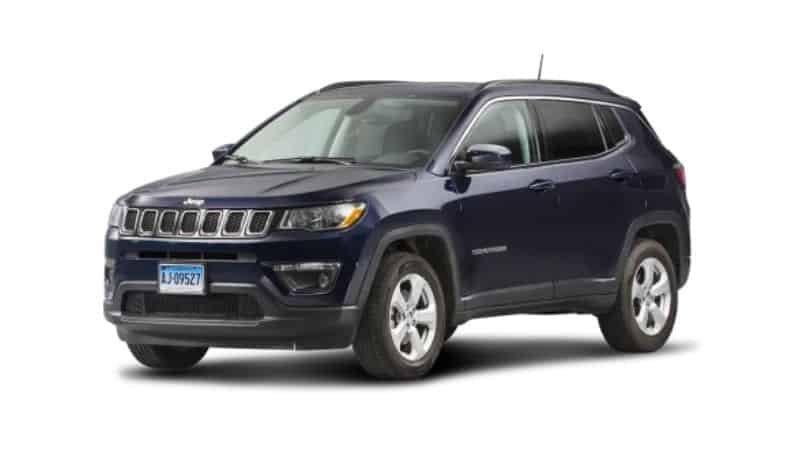
These figures aren’t just arbitrary; they reflect a general consensus among owners and automotive experts. A new Jeep hitting 150,000 miles within 10 years is a common and reasonable expectation. Surpassing 200,000 miles isn’t uncommon, particularly for models like the Jeep Wrangler, Cherokee, and Grand Cherokee, which have reputations for solid powertrains and durable chassis. Many enthusiasts pride themselves on pushing their Jeeps well beyond these numbers, showcasing the brand’s inherent resilience. It’s important to remember that these are averages; your specific experience can vary significantly based on how the vehicle is treated throughout its life.
Key Factors Influencing Your Jeep’s Longevity
Recommended Best Deal Products


While Jeeps possess inherent durability, their ultimate lifespan isn’t predetermined. Several crucial factors directly impact how long your specific vehicle will remain reliable and functional. Understanding these determinants empowers you to take proactive steps to extend your Jeep’s life significantly.
Regular Maintenance: The Single Biggest Factor
Nothing impacts a Jeep’s longevity more profoundly than consistent, preventative maintenance. Skipping oil changes, ignoring fluid flushes, or delaying necessary repairs are surefire ways to shorten your vehicle’s life. Think of maintenance as an investment, not an expense. This includes:
- Timely Fluid Changes: Engine oil, transmission fluid, differential fluid, coolant, and brake fluid all degrade over time and need regular replacement.
- Routine Inspections: Catching small issues before they become major problems is key. Pay attention to brakes, suspension components, steering, and driveline.
- Addressing Recalls & TSBs: Manufacturer recalls and Technical Service Bulletins (TSBs) often address known issues that, if ignored, can lead to premature wear or failure.
Usage and Driving Style: How You Drive Matters
The demands you place on your Jeep directly correlate to its wear and tear. A vehicle used primarily for highway commuting will likely endure less stress than one regularly subjected to extreme off-roading or heavy towing. However, even within normal driving, aggressive habits can accelerate wear:
- Off-Roading & Heavy Towing: While Jeeps are built for this, intense usage stresses the drivetrain, suspension, and chassis more. Post-adventure inspections and maintenance are critical.
- Aggressive Driving: Frequent hard acceleration, abrupt braking, and high-speed cornering put strain on the engine, transmission, brakes, and tires.
- Short Trips: Consistently driving only short distances where the engine doesn’t reach optimal operating temperature can lead to premature wear and carbon buildup.
Climate and Environmental Exposure: Fighting the Elements
Where your Jeep lives can significantly affect its structural integrity and mechanical health. Environmental factors, particularly moisture and temperature extremes, contribute heavily to degradation:
- Rust and Corrosion: Living in regions with high humidity, road salt usage in winter, or coastal proximity exposes your Jeep to corrosive elements. Frame rust is a notorious enemy of older Jeeps.
- Extreme Temperatures: Both intense heat and bitter cold can degrade hoses, belts, fluids, and electrical components more rapidly than temperate climates.
- UV Exposure: Prolonged sun exposure can damage paint, seals, and interior plastics, leading to cracks and failures.
Original Build Quality and Model Specifics
Not all Jeeps are created equal. While the brand as a whole is robust, certain models or production years might have known strengths or weaknesses regarding their longevity. Researching your specific model and year can provide valuable insights:

Prime for Young Adults — 6 Months Free
Students and 18–24s get six months of Prime free, then half price.
Start 6 Months Free- Engine and Transmission: Some powertrain combinations are known for being more durable and requiring less maintenance than others. For example, certain V6 engines have strong reputations.
- Common Weak Points: Every vehicle has them. For Jeeps, this might include specific suspension components, electrical quirks, or body integrity issues in certain generations. Knowing these allows for proactive monitoring and repair.
Proactive Maintenance & Common Issues for Extended Life
Extending your Jeep’s life beyond the average isn’t just luck; it’s a direct result of consistent, thoughtful care. Think of it as investing in your vehicle’s future performance and reliability, ensuring it’s ready for every adventure you throw its way.
The Power of Regular Servicing
Sticking to your Jeep’s factory-recommended maintenance schedule is the single most impactful thing you can do. These aren’t just suggestions; they’re blueprints for longevity. Regular oil changes, fluid checks (transmission, brake, differential), tire rotations, and filter replacements keep critical systems running smoothly, preventing minor wear from escalating into major, costly repairs.
- Oil Changes: Fresh oil lubricates, cools, and cleans your engine, dramatically extending its life and efficiency.
- Fluid Checks: Ensure all vital fluids are at correct levels and clean; contaminated or low fluids spell trouble for transmissions, brakes, and differentials.
- Tire Rotations: Promote even tire wear, improve handling, and can help you catch suspension issues early.
Addressing Common Jeep Wear Points
While Jeeps are tough, they do have areas that might require extra attention, especially given their adventurous nature and the demands often placed on them. Being aware of these common wear points allows you to be proactive and address them before they become significant problems.
- Suspension Components: Due to their robust design and common off-road use, suspension bushings, ball joints, and tie rods can experience increased wear over time. Listen for any unusual clunks or feel for loose steering.
- Rust Prevention: Especially for older models or those in regions with harsh winters and road salt, rust can be a significant concern. Regular washing, particularly underneath the vehicle, and promptly addressing paint chips can help significantly. Frame rust on older Wranglers, for instance, is a well-known issue.
- Electrical Gremlins: Occasionally, minor electrical issues can crop up. Keeping battery terminals clean and ensuring all connections are secure during routine service can often head these off.
Model-Specific Durability and High-Mileage Expectations
Not all Jeeps are created equal when it comes to long-term durability. While the brand DNA for capability and ruggedness is consistent, specific models are engineered for different purposes, influencing their typical lifespan and what you might expect at higher mileages.
Wrangler vs. Grand Cherokee: Different Journeys
The iconic Jeep Wrangler, with its body-on-frame construction and robust off-road focus, often boasts incredible longevity, particularly its drivetrain components. Its simpler design, compared to some of its more technologically advanced siblings, can mean fewer complex systems to troubleshoot. Owners often cherish and maintain them meticulously, extending their life well beyond typical expectations. Many older Wranglers are still tackling trails and daily commutes today.
On the other hand, the Jeep Grand Cherokee, a unibody SUV, prioritizes on-road refinement and comfort alongside its formidable capability. While exceptionally durable, its more sophisticated suspension, advanced electronics, and luxury features mean different wear patterns. You might experience issues with sensors or infotainment systems before major drivetrain components fail, simply due to the added complexity that provides that premium feel.
- Wrangler: Renowned for mechanical robustness and off-road components, often thriving with consistent care into very high mileage.
- Grand Cherokee: Balances luxury and capability; longevity is strong, but watch for potential electricals and sophisticated suspension components as they age.
- Cherokee/Compass/Renegade: These models are more car-like in their construction; their longevity often aligns with other compact SUVs, emphasizing diligent engine and transmission care.
Deciphering High-Mileage Potential
What constitutes “high mileage” for a Jeep? For many owners, hitting 200,000 miles is a significant milestone, and with good care, 250,000 miles or even more is entirely achievable. However, mileage is only one part of the story. A 150,000-mile Jeep that’s been impeccably maintained and gently driven might be a better buy or last longer than a 100,000-mile model that’s been abused and neglected.
Certain engines, like the venerable 3.6L Pentastar V6 found across many modern Jeep models, have built a strong reputation for durability and longevity when properly serviced. When evaluating a high-mileage Jeep, always prioritize its service history, the current condition of its critical components, and how it feels on a test drive over just the odometer reading alone.
The Bottom Line: Your Jeep’s Enduring Spirit
Ultimately, the question of “how long do Jeeps last?” doesn’t have a single, simple answer. It’s a testament to their robust design and engineering, yes, but equally a reflection of how they’re cared for. With diligent maintenance, thoughtful driving, and a proactive approach to common wear, your Jeep can easily join the ranks of vehicles reaching 200,000 miles and beyond, delivering years of adventure and reliable service.

Prime Gaming — Free In-Game Loot
Free monthly games, in-game content and a Twitch channel sub.
Claim Free LootTo truly maximize your Jeep’s lifespan, commit to its recommended maintenance schedule and address any issues promptly. If you’re looking to buy a used Jeep, a thorough pre-purchase inspection is always a wise investment. Embrace the journey with confidence, knowing that with the right attention, your Jeep is built to last and ready for whatever lies ahead.
❓ Frequently Asked Questions
What are the primary factors that determine how long a Jeep lasts?
A Jeep’s lifespan primarily depends on consistent maintenance, driving conditions (e.g., off-roading vs. highway), climate exposure (especially salt for rust), and the inherent build quality of its specific model and year. Regular fluid changes, timely repairs, and proactive inspections are paramount.
How many miles can I realistically expect from a well-maintained Jeep Wrangler vs. a Grand Cherokee?
Both well-maintained Wranglers and Grand Cherokees can often exceed 200,000 miles. Wranglers are robust but their off-road use can accelerate wear, while Grand Cherokees, often driven more on-road, might reach higher mileages with fewer component stresses, provided complex systems are maintained.
What common issues should Jeep owners be aware of to extend their vehicle’s life?
Owners should be vigilant about rust, especially on the frame and undercarriage, and address it promptly. Other common areas include steering components (death wobble), suspension wear from off-roading, and regular checks of transmission and transfer case fluids for optimal performance and longevity.
Is it worth buying a high-mileage Jeep, and what should I look for?
Buying a high-mileage Jeep can be worthwhile if it has a documented history of consistent maintenance, has minimal rust, and its major components (engine, transmission) are in good condition. Look for signs of neglect, listen for unusual noises, and ideally get a pre-purchase inspection from a trusted mechanic familiar with Jeeps.
How does climate and road salt affect a Jeep’s lifespan, and what can I do about it?
Climate, particularly regions with road salt, significantly accelerates rust on a Jeep’s frame, body panels, and suspension components, severely impacting longevity and safety. Regular undercarriage washes, applying rust preventative coatings (like fluid film), and addressing surface rust immediately are crucial protective measures.
Are certain Jeep engines known for lasting longer than others?
Historically, Jeep’s older inline-six 4.0L engine is renowned for its durability and often achieves very high mileage. Newer engines like the 3.6L Pentastar V6 are also proving to be very reliable with proper maintenance, though complex modern systems mean consistency in service is even more critical.