Become a Bolt Driver: Your Guide to Requirements & Application
Last Updated on September 1, 2026 by Ryan
Becoming a Bolt driver requires meeting specific age, license, and vehicle criteria, followed by an online application and document verification process. The key is to prepare all necessary documents and ensure your vehicle meets Bolt’s standards for a smooth activation.
🎯 Key Takeaways


- Verify driver & vehicle eligibility first.
- Gather all required documents upfront.
- Ensure vehicle meets safety standards.
- Complete background check promptly.
- Utilize in-app support for questions.
Becoming a Bolt driver requires meeting precise criteria for both you and your vehicle. Understanding these requirements from the outset ensures a smooth application process and avoids delays. This guide will walk you through the essential eligibility standards and the critical vehicle specifications and documentation needed to successfully register and get on the road with Bolt.

The path to becoming an active Bolt driver is straightforward once you know exactly what is expected. Focusing on these initial prerequisites will prepare you for the detailed application steps that follow, allowing you to confidently submit your profile and begin earning.
Understanding Bolt Driver Eligibility Criteria
Your journey to becoming a Bolt driver starts with meeting specific personal qualifications. These ensure you are a responsible and capable driver, ready to provide safe and reliable service. Bolt maintains high standards for its driver partners, which contributes to passenger safety and service quality.
Personal Requirements and Driving Experience
- Minimum Age: You must be at least 21 years old in most regions to drive for Bolt. Some cities may have slightly different age requirements, so always verify local regulations.
- Valid Driving License: A valid, full driving license is mandatory. This must typically be a Class B license (or its equivalent in your country) allowing you to drive passenger vehicles. Provisional or learner permits are not accepted.
- Driving Experience: Bolt usually requires you to have held your driving license for a minimum period, often between 1 to 3 years. This ensures you possess sufficient practical experience behind the wheel.
- Clean Driving Record: Your driving record must be free from major traffic violations, serious accidents, or criminal offenses. Bolt conducts background checks to verify this, focusing on your history of safe driving.
- Right to Work: You must have legal permission to work in the country where you intend to drive. This means holding appropriate identification documents and, if applicable, a valid work permit or residency status.
Ensure all your personal identification documents, such as your national ID or passport, are current and valid. These documents will be a core part of your application submission.
How to Become a Bolt Driver Like a Pro: A Practical Walkthrough
Embarking on a journey as a Bolt driver can be a flexible and rewarding way to earn income. This comprehensive guide provides a meticulous, step-by-step walkthrough to navigate the application process, ensuring you’re well-prepared and can hit the road confidently. Following these detailed instructions will help you efficiently meet all requirements, from initial eligibility checks to accepting your first ride, maximizing your chances for a smooth and successful start.
Step 1: Verify Your Eligibility & Vehicle Requirements
What you need: A valid national driving license, a personal vehicle that meets Bolt’s standards, and an understanding of local regulations.
Instructions: Before anything else, confirm you meet Bolt’s fundamental criteria. Typically, this includes being at least 21 years old (age may vary by region), holding a valid driver’s license for a minimum of 1-3 years, and having a clean driving record. Simultaneously, check if your vehicle qualifies: most regions require a 4-door vehicle no older than 10-15 years, in excellent working condition, with valid registration and insurance. Specific vehicle models might be preferred or excluded based on your city, so consult the local Bolt website for precise details.
Pro Tip: Don’t assume your vehicle qualifies. Visiting Bolt’s official website for your specific city/country (e.g., “Bolt Driver Requirements [Your City]”) will provide the most up-to-date and accurate information on eligible car models and driver age limits, saving you time later.
Step 2: Compile All Necessary Documentation
What you need: Physical and digital copies (clear scans or high-resolution photos) of several critical documents for verification.
Instructions: Gather the following documents, ensuring they are current and clearly legible: your national driver’s license (both front and back), vehicle registration certificate (logbook), motor insurance certificate (proof of commercial cover if required by local law), a valid passport or national ID card, a recent passport-style photo, and proof of address (utility bill or bank statement no older than 3 months). Depending on your region, you might also need a valid police clearance certificate or a specific professional driving permit (e.g., a Private Hire Vehicle licence in the UK). Prepare these digitally, as you will upload them through the app.
Pro Tip: Create a dedicated digital folder on your smartphone or computer for all these documents. Rename files clearly (e.g., “JohnDoe_DriversLicenseFront.jpg”) to avoid confusion during the upload process and ensure quick retrieval if resubmission is needed.
Step 3: Register Through the Bolt Driver App
What you need: A smartphone (iOS or Android) with internet access and a valid email address and phone number.
Instructions: Begin by downloading the official “Bolt Driver” app from your device’s respective app store (Google Play Store for Android, Apple App Store for iOS). Once installed, open the app and select the “Sign Up” option. You’ll be prompted to enter basic personal information such as your full name, email address, and phone number. Create a secure password. Ensure the email and phone number you provide are active and accessible, as Bolt will use these for verification and critical communications throughout your application and driving career.
Pro Tip: Use an email address you check regularly and ensure your phone number is correct. Any discrepancies can delay the verification process. Save your login details in a secure place or a password manager.
Step 4: Upload Your Documents & Complete the Application
What you need: The digital copies of documents prepared in Step 2.
Instructions: After initial registration, the Bolt Driver app will guide you through the detailed application process. You’ll be asked to provide additional personal details and, crucially, upload the digital copies of all your required documents. Follow the in-app instructions carefully for each document type, ensuring that each photo or scan is clear, well-lit, and shows all corners of the document. Do not crop out any part of the document. Double-check that you are uploading the correct file for each requested item before proceeding. Inaccuracies or poor-quality uploads are the most common reasons for application delays.
Pro Tip: Before uploading, check the file size and format requirements if specified by the app. Use a flat surface with good lighting when taking photos of documents to ensure maximum clarity and readability for Bolt’s verification team.
Step 5: Undergo Background Check & Vehicle Inspection
What you need: Time for processing, a well-maintained vehicle, and potentially an appointment at a designated inspection center.
Instructions: Once your documents are submitted, Bolt will initiate a background check, which can take anywhere from a few days to several weeks, depending on local regulations and the efficiency of local authorities. This check verifies your driving history and criminal record. Simultaneously, if required in your region, Bolt will instruct you to take your vehicle for a mandatory inspection at an approved center. This inspection assesses your car’s roadworthiness, safety features (e.g., seatbelts, brakes, lights), and overall condition to ensure it meets Bolt’s safety and quality standards. Be prepared to present your vehicle registration and ID at the inspection.
Pro Tip: Schedule your vehicle inspection as soon as Bolt provides instructions. Before the appointment, thoroughly clean your vehicle inside and out, and check basic functionalities like lights, wipers, and tire pressure to avoid unnecessary re-inspections.
Step 6: Complete Driver Training & Account Activation
What you need: Internet access and a focused approach to learning Bolt’s operational guidelines.
Instructions: Many regions require new drivers to complete an online training module or an in-person orientation session. This training covers essential topics such as using the Bolt Driver app effectively (accepting rides, navigation, payment processing), understanding Bolt’s community guidelines, ensuring passenger safety, providing excellent customer service, and adhering to local traffic laws. Pay close attention to these modules, as they contain vital information for your success and safety. Once you’ve completed all training and your background check and vehicle inspection are cleared, Bolt will activate your driver account, usually via an in-app notification or email.
Pro Tip: Take notes during the training, especially on how to handle common scenarios like lost items, difficult passengers, or app glitches. Understanding the rating system and how to maintain high scores from the start is crucial for long-term success.
Step 7: Configure Payment Details and Go Online
What you need: Your bank account details (account number, routing number/IBAN) for direct deposits.
Instructions: With your account activated, the final step before you can start earning is to set up your payment preferences. Navigate to the ‘Earnings’ or ‘Wallet’ section within the Bolt Driver app and securely input your bank account details where you wish to receive your weekly payouts. Double-check all numbers for accuracy to prevent delays in receiving your funds. Familiarize yourself with Bolt’s commission structure and any local bonuses or surge pricing. Once confirmed, you’re ready to tap the ‘Go Online’ button in the app and start accepting your first ride requests!
Pro Tip: For your very first few rides, consider driving during off-peak hours in familiar areas to ease yourself into the rhythm of accepting requests, navigating, and interacting with passengers without the pressure of high demand. This builds confidence and familiarity with the app’s functionalities.
✅ Final Checklist
- All required documents (ID, license, vehicle registration, insurance, photo) are uploaded and verified.
- Background check has been successfully completed and cleared.
- Vehicle inspection (if applicable) passed, and your car meets all safety standards.
- Driver training modules or orientation sessions have been completed.
- Bank account details are correctly entered and verified for payouts.
Important Notes:
- Safety considerations: Always prioritize your safety and that of your passengers. Ensure your vehicle is regularly maintained, take breaks when tired, and do not drive under the influence of alcohol or drugs. Report any suspicious activity immediately through the app’s safety features.
- When to seek professional help: If you encounter persistent technical issues with the app, have difficulties with document verification, or need clarification on specific local regulations, contact Bolt’s driver support directly through the in-app help section. Do not rely on unofficial advice.
- Estimated time and cost range: The entire application process can range from 1 to 4 weeks, largely depending on the speed of background checks and vehicle inspections in your area. Initial costs may include vehicle inspection fees (if not covered by Bolt), and ensuring your vehicle meets all maintenance standards.
Essential Vehicle Standards and Documentation
Your vehicle is your primary tool as a Bolt driver, and it must meet specific safety, comfort, and regulatory standards. Bolt has clear guidelines to ensure passengers have a pleasant and secure experience, and that your operations comply with local transportation laws.
Vehicle Specifications and Condition
- Vehicle Age Limit: Most Bolt markets impose a maximum age limit for vehicles, typically between 8 to 15 years from the manufacturing date. This can vary significantly by city and vehicle category (e.g., Bolt Economy, Bolt Premium), so check the precise local requirements. Newer vehicles are generally preferred.
- Vehicle Type: Your car must be a 4-door vehicle, capable of comfortably seating at least four passengers (excluding the driver). Coupes or 2-door cars are not permitted.
- Good Working Condition: The vehicle must be in excellent mechanical and cosmetic condition. This includes functional seatbelts for all passengers, working air conditioning, no visible damage, and a clean interior. Your car should pass a mandatory vehicle inspection.
- Specific Models: While most standard sedans and SUVs are accepted, some regions may have a list of approved or excluded vehicle models. Always consult Bolt’s local vehicle list for your city.
Required Vehicle Documentation
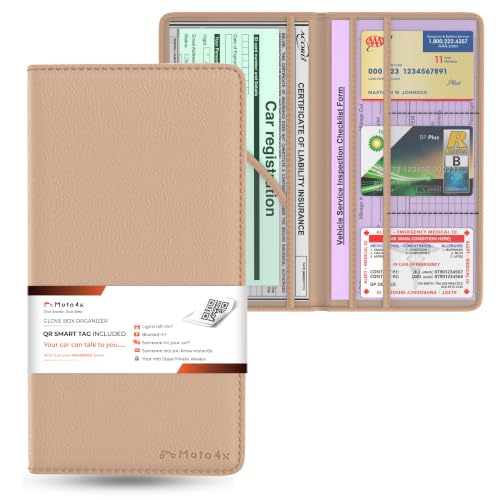
- Vehicle Registration Certificate: You must provide a valid registration document for your vehicle. This proves ownership or legal right to operate the car and must match your details.
- Roadworthiness Certificate (Inspection Report): Your car needs a current certificate proving it has passed a technical inspection, confirming its safety and roadworthiness. This is often an annual requirement.
- Vehicle Insurance: A comprehensive insurance policy is mandatory. Crucially, you will often need specific commercial or ride-hailing insurance, which covers you for transporting paying passengers. Standard private car insurance is usually insufficient for ride-hailing operations.
- Operating License/Permit (if applicable): Depending on your country or city, your vehicle might require a special taxi or private hire vehicle (PHV) operating license or permit issued by local transport authorities. This ensures compliance with local ride-hailing regulations.
Gathering these vehicle documents beforehand will streamline your application. Each document must be valid and clearly legible for Bolt’s review process.
Navigating the Bolt Driver Application Process
After you’ve meticulously prepared your documents and ensured your vehicle meets all the initial requirements, you’re ready to officially present yourself to Bolt. This stage is crucial and often digital, requiring careful attention to detail to ensure a smooth progression towards becoming an approved driver.
Submitting Your Application with Precision
The core of the application process involves submitting your prepared documents through Bolt’s online platform or mobile app. Think of this as your digital portfolio, where every piece of information and every document upload speaks to your readiness and professionalism. It’s vital that every document uploaded is clear, legible, and accurate. For example, a dimly lit photo of your vehicle registration or an out-of-focus image of your professional driver’s permit could easily lead to delays, or even a request for resubmission, extending your waiting time. Bolt needs to clearly see all details to verify your eligibility and compliance with local regulations. Always double-check expiry dates – an expired document is as good as no document.
- Clarity is King: Ensure all document photos are bright, sharp, and show the entire page without shadows or glare.
- Data Match: Double-check that all information you type into the application matches your official documents precisely, down to every digit and letter.
- Timely Updates: If any document has an expiration date, make sure it’s current and will remain valid for a reasonable period.
- Follow Guidelines: Adhere to specific file format or size requirements Bolt might specify to avoid upload issues.
Understanding Verification and Approval
Once submitted, Bolt begins its internal verification process, which is designed to ensure safety and compliance for everyone using the platform. This typically includes a thorough background check, reviewing your driving record and any criminal history, which is fundamental for passenger safety and building trust within the Bolt community. Alongside this, your vehicle will likely undergo an inspection to confirm its roadworthiness and adherence to local transport regulations. This could involve checking essential safety features like seatbelts, brakes, lights, and tire tread depth, as well as the overall cleanliness and mechanical condition of the car. These comprehensive checks are non-negotiable and designed to ensure both you and your vehicle meet Bolt’s stringent safety and quality standards before you hit the road. Be prepared for potential follow-up questions or requests for additional information during this phase.
- Safety First: Background and vehicle checks are paramount for everyone’s security and peace of mind on the road.
- Patience Pays: Verification can take some time depending on local regulations and application volume; ensure all contact details are correct for any follow-ups.
- Be Responsive: Promptly respond to any queries from Bolt to keep your application moving forward efficiently.
Maximizing Your Success as a New Bolt Driver
Once you’ve successfully completed the application and approval process, the real journey begins: driving with Bolt. To truly thrive and make the most of this opportunity, it’s not just about turning on the app; it’s about employing smart strategies and consistently delivering exceptional service.
Strategic Driving for Better Earnings
Becoming a successful Bolt driver involves more than just picking up passengers; it means understanding your city’s pulse and the patterns of demand. Identifying peak hours – such as morning and evening commutes, weekend evenings, or major event times like concerts or sports matches – allows you to strategically position yourself to maximize your earning potential. Similarly, knowing ‘hot spots’ like business districts, entertainment venues, shopping malls, or transport hubs (airports, train stations) can lead to more consistent and higher-paying ride requests. While Bolt’s app often provides real-time heatmaps to guide you, supplementing this with your local knowledge of traffic flow and popular areas is an invaluable asset that can significantly boost your income.
- Time It Right: Prioritize driving during high-demand periods for better earning potential and surge pricing opportunities.
- Know Your Map: Familiarize yourself with busy areas, popular destinations, and efficient routes, especially during peak traffic.
- Utilize In-App Tools: Pay attention to demand zones and incentives shown on the Bolt driver app to guide your movements effectively.
- Track Your Earnings: Keep an eye on your daily and weekly income to understand what works best for you and refine your strategy.
Delivering Exceptional Passenger Experiences
Your reputation as a Bolt driver is intrinsically built on the experiences you provide to each passenger. A clean, comfortable, and well-maintained vehicle is the absolute foundation – no one wants to ride in a dirty or poorly kept car. Beyond that, professionalism, politeness, and clear communication go a long way. Greet your passengers warmly, confirm their destination politely, and ensure a smooth, safe, and pleasant ride. Small gestures like offering to help with luggage, asking about their preferred music or temperature, or simply having a bottle of water available can significantly enhance their journey. These thoughtful touches often lead to better ratings, positive feedback, and potentially higher tips. Remember, positive ratings are crucial for maintaining your driver status and attracting more rides in the long run.
- Sparkling Clean Car: Regularly clean your vehicle, inside and out, ensuring a fresh and inviting environment for every passenger.
- Polite and Professional: A friendly demeanor, respectful language, and safe driving habits make a significant difference in passenger satisfaction.
- Go the Extra Mile: Simple courtesies or amenities can elevate the passenger experience and set you apart.
- Safety First, Always: Prioritize passenger safety by adhering strictly to traffic laws and maintaining your vehicle in top condition.
- Learn and Adapt: Actively seek and respond to passenger feedback to continuously improve your service and enhance your ratings.
Your Journey to Becoming a Bolt Driver
Embarking on a career as a Bolt driver offers a fantastic opportunity for flexible earnings, independence, and being your own boss. We’ve explored the essential requirements, the diligent application process, and key strategies to help you not just start, but truly succeed from day one. Remember, it’s about meeting the necessary standards, preparing thoroughly for the application, and then consistently delivering a top-notch, professional service to every passenger.
Ready to take the wheel and drive your own income? Your first actionable step is to begin compiling all your necessary documents and familiarize yourself with the specific Bolt requirements in your local area. Download the Bolt driver app, and begin your application with confidence when you’re fully prepared. A rewarding journey filled with flexibility, independence, and excellent earning potential awaits you!
❓ Frequently Asked Questions
What specific documents are required to apply as a Bolt driver?
To apply, you’ll typically need your valid driver’s license (held for 3+ years), vehicle registration, proof of insurance, a clear criminal record check, and sometimes a professional driving permit. Ensure all documents are current and clearly legible for smooth processing.
What are the common reasons an application might be rejected?
Applications are often rejected due to not meeting the minimum age or driving experience requirements, submitting expired or unclear documents, or if the vehicle doesn’t comply with Bolt’s age, model, or condition standards. Failing the background check is also a direct cause for rejection.
Are there any vehicle age or model restrictions?
Yes, Bolt generally requires vehicles to be less than 15 years old, though this can vary by city and service type. Specific vehicle models are often listed as acceptable or unacceptable, and the car must be in excellent mechanical and cosmetic condition, passing a mandatory inspection.
What kind of insurance do I need to drive for Bolt?
Drivers must have comprehensive vehicle insurance that covers ride-hailing services, often referred to as commercial or ride-share insurance, in addition to standard personal insurance. Proof of this specific coverage is a mandatory document for activation.
How does the vehicle inspection process work?
After initial document submission, your vehicle will need to undergo a mandatory safety and compliance inspection at an approved center. This inspection verifies the car’s condition, safety features, and adherence to Bolt’s operational standards before activation.
Can I use a rented or leased car to drive for Bolt?
Yes, in many regions, you can use a rented or leased car, provided you have the necessary documentation from the rental company granting permission to use the vehicle for commercial ride-hailing. The vehicle itself must still meet all of Bolt’s standard requirements.