How Many Lumens for Car Headlights? Halogen, HID, LED Brightness
Last Updated on September 1, 2026 by Ryan
Car headlight lumen output varies significantly by technology, with Halogen bulbs typically offering 700-1500 lumens, HID/Xenon 2800-3500 lumens, and LED systems ranging from 2000-4000+ lumens per assembly. Low beams are designed for close-range visibility without blinding others, while high beams provide maximum illumination for open roads. Factors like bulb age, voltage, and optics greatly influence perceived brightness.
🎯 Key Takeaways
Recommended Best Deal Products


- Halogen headlights provide 700-1500 lumens per bulb.
- HID/Xenon systems offer 2800-3500 lumens per bulb.
- LED headlight assemblies yield 2000-4000+ lumens.
- Low beams prevent glare; high beams maximize distance.
- Optics, bulb age, and voltage impact effective brightness.
When you consider how bright your car’s headlights actually are, you’re essentially asking about lumens. Simply put, lumens measure the total amount of visible light emitted from a source. A typical halogen headlight bulb outputs anywhere from 700 to 1500 lumens. High-Intensity Discharge (HID) or Xenon systems are significantly brighter, generally producing 2800 to 3500 lumens per bulb. Modern LED headlight setups offer the widest range, often delivering between 2000 and 4000+ lumens per complete assembly.
Understanding these numbers is practical. It helps you grasp the differences in visibility and safety offered by various headlight technologies, especially when driving at night or in adverse weather conditions. Higher lumens generally mean more light on the road, but the effectiveness also depends heavily on how that light is directed and focused.
Understanding Car Headlight Lumens: What They Mean for Visibility
Lumens quantify the total light output from a bulb or a lighting system. For car headlights, this figure tells you the raw amount of light available to illuminate the road ahead. However, simply having more lumens doesn’t automatically mean better visibility; the design of the headlight housing, reflector, and lens plays a critical role in directing that light efficiently and safely.
Lumens Per Bulb vs. Per Assembly
It is crucial to distinguish between lumen measurements. Older technologies like halogen and HID often quote lumens per individual bulb. For example, a car might have two halogen low beam bulbs, each producing 1000 lumens, for a theoretical total of 2000 lumens from the front of the car. Modern LED headlight systems, especially those integrated into newer vehicles, often provide a lumen rating for the entire headlight assembly, which includes multiple LED emitters and optics. Always check whether a given lumen figure refers to a single bulb or a complete headlight unit.
Low Beam vs. High Beam Lumens
Your car’s low beams and high beams serve different purposes, reflected in their lumen output and beam patterns. Low beams are designed for general driving, providing a broad, shorter spread of light without blinding oncoming drivers. Their lumen output is typically lower, using perhaps 60-70% of the maximum potential light. High beams, conversely, project a much longer, more intense beam of light, maximizing visibility far down the road. They utilize the full lumen potential of the bulb or system and are intended for use only when no other vehicles are present. For instance, a halogen bulb might be 1000 lumens on low beam and 1200 lumens on high beam.
Lumen Output by Headlight Technology: Halogen, HID, and LED
Recommended Best Deal Products


The lumen output varies significantly across different headlight technologies, reflecting their design, efficiency, and light-generating mechanisms. Knowing these differences helps you understand what to expect from your vehicle’s lighting system.
Halogen Headlights: Standard Brightness
Halogen bulbs are the most common and longest-standing headlight technology. They work by heating a tungsten filament inside a gas-filled glass capsule.
- Lumen Range: A standard halogen bulb typically produces between 700 to 1200 lumens for low beam. For high beam, output can reach 1000 to 1500 lumens per bulb.
- Per Bulb: These figures are almost always per individual bulb.
- Degradation: Halogen bulbs gradually lose brightness over their lifespan, which is relatively short compared to other technologies.
Their light output is sufficient for most driving conditions but often pales in comparison to newer options.
HID/Xenon Headlights: High Intensity Discharge
HID, or Xenon, headlights produce light by generating an electrical arc between two electrodes inside a glass chamber filled with Xenon gas. This process creates a much brighter, whiter light.
- Lumen Range: HID bulbs typically produce a robust 2800 to 3500 lumens per bulb.
- Per Bulb: These numbers are per individual HID bulb, whether used for low beam, high beam, or in a bi-xenon projector setup (which handles both functions).
- Performance: They offer a significant upgrade in brightness and light distribution compared to halogen bulbs, making them popular in many mid-to-high-end vehicles.
While very bright, they require a warm-up period to reach full intensity.
LED Headlights: Modern Efficiency
LED (Light Emitting Diode) technology is the newest mainstream option, offering superior efficiency and flexibility in design. LEDs generate light when an electric current passes through a semiconductor material.
- Lumen Range: LED headlight systems show the widest variability, ranging from approximately 2000 lumens for simpler setups to over 4000 lumens for advanced, multi-emitter assemblies.
- Per Assembly: Often, the quoted lumen output for LED headlights refers to the entire low beam assembly, which might contain several individual LED chips.
- Advantages: LEDs offer instant full brightness, excellent longevity, and very precise control over beam patterns. Their efficiency also means less power draw.
The flexibility of LED design allows manufacturers to create highly optimized and powerful lighting solutions.
Low Beam vs. High Beam Lumens: Performance Differences
While we often talk about a single lumen rating for a headlight bulb, the actual light projected onto the road varies significantly between low beams and high beams. It’s not always about a raw difference in bulb lumen output, but more crucially, how that light is shaped and directed by your vehicle’s headlight assembly.


Understanding Beam Patterns
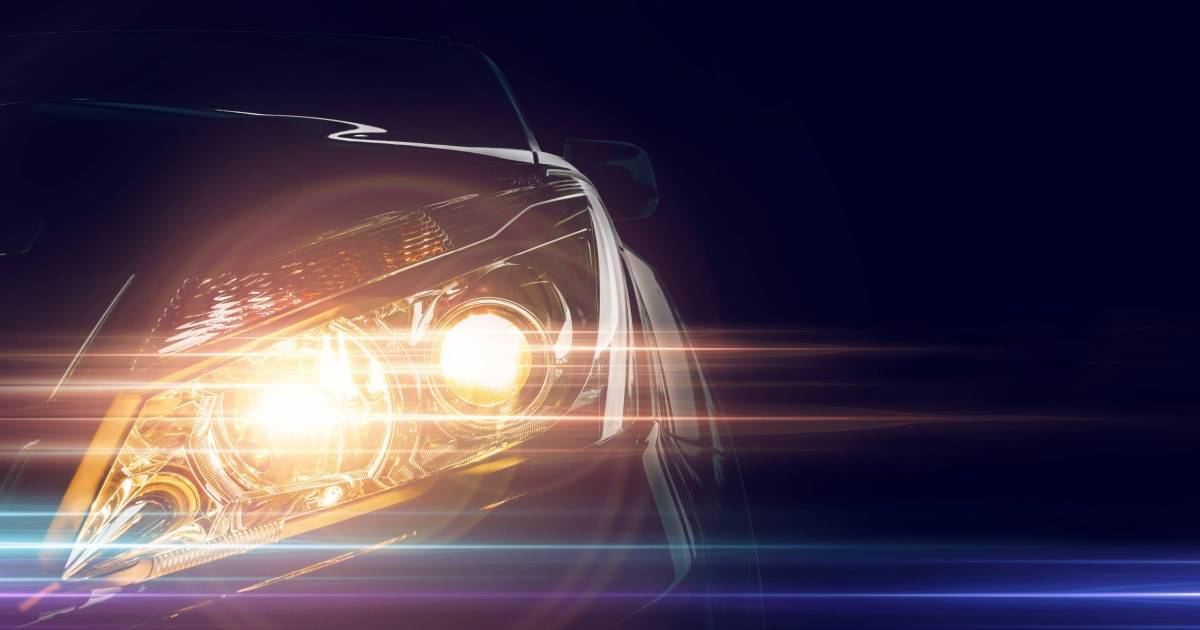
Low beams are engineered for everyday driving, particularly when other vehicles are present. Their beam pattern is wide and short, specifically designed to illuminate the road directly in front of and to the sides of your car without blinding oncoming drivers. This focused, non-glare pattern means that while the bulb might be capable of a high lumen output, only a specific portion of that light is directed where you need it, and crucially, away from other drivers’ eyes. This is why a low beam, even with high lumen bulbs, won’t appear as “bright” or far-reaching as a high beam.
- Low Beam Focus: Short, wide, and downward-angled to illuminate your immediate path and road edges. Prevents glare for others.
- High Beam Focus: Long, narrow, and forward-projecting. Maximizes visibility far down the road, making obstacles visible sooner.
When to Use Which for Optimal Visibility
High beams, on the other hand, unleash the full potential of your headlights. They direct a much larger percentage of the available light further down the road, providing maximum forward visibility. This wider and longer throw is invaluable for driving on unlit roads, in rural areas, or when there’s no oncoming traffic. However, their power comes with the responsibility of switching back to low beams as soon as you see another vehicle approaching or when following another car closely, to prevent dangerous glare.
Think of it less as a different bulb brightness, and more about how the vehicle’s optics distribute the light. Some systems even use separate bulbs or light sources for high beams, which might have higher individual lumen ratings, but the primary distinction is the beam’s purpose and pattern.
- Tip: Always ensure your headlights are properly aimed. Incorrect aim can drastically reduce the effectiveness of both low and high beams, potentially blinding others or failing to illuminate your path adequately.
Factors Influencing Actual Headlight Brightness and Performance
Recommended Best Deal Products


The stated lumen rating on a headlight bulb’s packaging is an ideal scenario, often measured in a lab. However, the light you actually experience on the road can be significantly different due to several real-world factors. Understanding these can help you maintain optimal visibility and safety.
Age, Condition, and Maintenance
Headlights are exposed to the elements, and over time, their performance degrades. This isn’t just about the bulb; the entire assembly plays a crucial role. For instance, plastic headlight lenses can oxidize and “yellow” or become cloudy due to UV exposure, dramatically scattering and dimming the light output. Even a powerful LED or HID bulb won’t perform well through a hazy lens.
- Bulb Lifespan: All bulbs dim with age. Halogen bulbs lose brightness and can change color temperature; HID bulbs dim and can shift towards a pinkish hue; even LEDs can experience lumen depreciation over their lifespan.
- Dirty Lenses: Mud, dust, and grime on the exterior of the headlight lens can block a significant amount of light. Regular cleaning is a simple yet effective maintenance step.
- Internal Reflectors: Over time, the reflective surfaces inside the headlight housing can degrade, reducing their efficiency in directing light forward.
Electrical System and Installation
The electrical system of your car is another critical factor. A bulb might be rated for a certain lumen output at a specific voltage (e.g., 13.2V), but if your car’s wiring or alternator isn’t delivering consistent power, the bulb will operate at a lower output. For instance, voltage drops in old wiring can lead to noticeably dimmer lights.
Proper installation is also key. Aftermarket bulbs, especially HID conversion kits or some LED kits, need to be installed correctly to ensure they are seated properly and the beam pattern is maintained. An incorrectly seated bulb can scatter light erratically, creating glare for others and reducing effective illumination for you.
- Voltage Drop: Ensure your vehicle’s electrical system is in good health. Low voltage supplied to the bulbs means less light output.
- Proper Installation: Always follow manufacturer guidelines for bulb installation. Incorrect fitting can lead to poor beam patterns and reduced visibility.
- Component Quality: When upgrading to aftermarket solutions, choose reputable brands. Cheap kits might promise high lumens but deliver inconsistent performance or have poor thermal management, leading to premature dimming or failure.
Conclusion
When considering “how many lumens is a car headlight,” it’s clear that there’s no single, simple answer. Lumens vary dramatically by bulb type—Halogen, HID, and LED—each offering distinct brightness levels and characteristics. Furthermore, the effective illumination you experience isn’t solely about the raw lumen number; it’s also about the critical differences between low and high beam patterns, and a host of practical factors like lens clarity, bulb age, and the health of your vehicle’s electrical system.
To ensure optimal visibility and safety on the road, consider your driving environment, understand the legal requirements for your area, and make informed choices about your headlights. Regular maintenance, such as cleaning your lenses and checking for proper aim, will go a long way in maximizing the performance of any headlight system. Drive confidently, knowing your path is well-lit and you’re not inadvertently creating a hazard for others.
❓ Frequently Asked Questions
What are the typical lumen ranges for different car headlight types?
Halogen bulbs usually produce 700-1500 lumens per bulb, HID/Xenon systems average 2800-3500 lumens per bulb, and modern LED headlight assemblies can range from 2000-4000+ lumens. These figures are often for a single bulb or a full assembly and can differ between low and high beam settings.
How does raw lumen output relate to actual road visibility and safety?
Raw lumen output is the total light emitted at the source, but actual road visibility also depends critically on the headlight’s optical design, reflector efficiency, lens clarity, and beam pattern. Properly directed light, even with fewer raw lumens, can be safer and more effective than a high-lumen light scattered inefficiently.
Is there a legal limit to how many lumens car headlights can have?
Yes, regulatory bodies like the DOT in the US and ECE in Europe set strict standards for headlight brightness, beam pattern, and glare. These regulations aim to ensure adequate road illumination for the driver while preventing excessive glare that could blind oncoming traffic, indirectly limiting maximum effective lumen output.
Do headlight lumens decrease over time, and if so, by how much?
All types of headlight bulbs experience lumen depreciation over their lifespan. Halogen bulbs dim noticeably as they age, HID bulbs can shift color and reduce output, and while LEDs are more durable, they also gradually lose brightness. This degradation can reduce effective light output by 20-50% or more over their service life.
What’s the functional difference in lumen output between low and high beams?
Low beams are engineered with a sharp cutoff to direct light down and forward, illuminating the immediate road without blinding others, thus utilizing a focused portion of the total lumens. High beams remove this cutoff, using the full, unrestricted lumen potential of the bulb to project light further and wider for maximum visibility on open roads.
How do headlight optics (reflectors and lenses) impact the effective lumen performance?
Headlight optics, including reflectors and lenses, are crucial for translating raw lumen output into usable light on the road. An efficient reflector gathers and projects light effectively, while a clear, properly designed lens shapes the beam. Damaged, hazy, or poorly designed optics can significantly waste lumens, reducing the light’s reach and intensity even with a bright bulb.