How Long Do Hondas Last? Expected Miles & Maximizing Life
Last Updated on September 1, 2026 by Ryan
Hondas are renowned for their exceptional longevity, often lasting well over 200,000 miles and frequently exceeding 250,000 to 300,000 miles with proper care. This impressive lifespan is influenced by consistent maintenance, driving habits, and initial model quality. Understanding these factors can help owners significantly extend their vehicle’s life.
🎯 Key Takeaways
Recommended Best Deal Products


- Hondas commonly reach 200,000+ miles.
- Proper, consistent maintenance is crucial for longevity.
- Driving habits significantly impact lifespan.
- Specific Honda models boast exceptional durability.
- Preventative care extends your Honda’s life.
If you own a Honda or are considering buying one, you’re likely asking a critical question: “How long do Hondas last?” The good news is that Honda vehicles are renowned for their exceptional longevity and reliability. With proper care, you can realistically expect your Honda to reach and often exceed 200,000 to 250,000 miles, with many models easily surpassing the 300,000-mile mark. This remarkable durability isn’t just a point of pride for Honda owners; it translates directly into significant practical benefits for you. A long-lasting vehicle means fewer costly replacements, sustained resale value, and the peace of mind that comes with dependable transportation for years.

Audible — Listen Free for 30 Days
One free credit a month and thousands of titles included.
Listen Free for 30 Days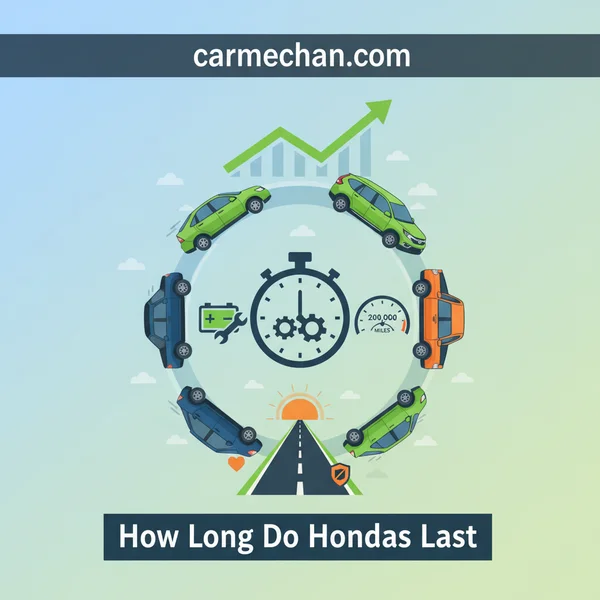
Understanding the typical lifespan and the factors that influence it allows you to make informed decisions. It helps you protect your investment, extend your vehicle’s service life, and maximize its reliability. Let’s dive into what you can truly expect from your Honda and how to ensure it stays on the road for as long as possible.
Understanding the Average Lifespan of Honda Vehicles
Honda’s reputation for building durable and reliable vehicles is well-earned. When people ask how long Hondas last, the answer consistently points to high mileage figures that often impress even seasoned car enthusiasts. This isn’t just anecdotal; it’s backed by years of consumer data and countless examples on the road.

Common Mileage Expectations
For most Honda models, including popular ones like the
The consistent engineering philosophy across Honda’s lineup, focusing on balance, efficiency, and durability, underpins these impressive mileage expectations. Owners often report minimal major mechanical issues when following the manufacturer’s recommended service schedule. This inherent quality gives you a strong foundation for longevity, distinguishing Hondas as a sound long-term investment rather than a short-term purchase.
Exceeding the Averages: The 250k+ Club
While 200,000 to 250,000 miles is a strong average, many Honda owners routinely push their vehicles far beyond these numbers. It’s not at all uncommon to see Hondas on the road with 275,000, 300,000, or even more miles on their odometers. This “250k+ club” is a testament to the brand’s potential for truly exceptional longevity. Models like the Accord and Civic, in particular, are frequent flyers in this high-mileage category, often outlasting many competitors.
Achieving these remarkable mileages isn’t just luck; it’s a direct result of combining Honda’s inherent build quality with diligent owner practices. The engine blocks, transmissions, and electrical systems are generally well-designed and robust. With attentive care, these core components can continue functioning reliably for decades. This potential for extreme longevity is a key reason why Hondas consistently hold strong resale values, reflecting the market’s confidence in their ability to keep going long after many other brands have retired.
Key Factors Influencing Honda’s Longevity
Recommended Best Deal Products


While Hondas are built to last, their ultimate lifespan isn’t predetermined solely by their badge. Several critical factors, largely within your control, significantly influence how many miles and years your specific Honda will faithfully serve you. Understanding and actively managing these elements can be the difference between an average lifespan and an exceptionally long one.
The Critical Role of Consistent Maintenance
Hands down, the single most impactful factor in extending your Honda’s life is

Prime Gaming — Free In-Game Loot
Free monthly games, in-game content and a Twitch channel sub.
Claim Free Loot- Regular Oil Changes: Adhere to Honda’s recommended oil change intervals, typically every 5,000-7,500 miles or as indicated by your Honda’s Maintenance Minder system. Clean oil is vital for engine health.
- Fluid Checks and Changes: Don’t overlook transmission fluid, brake fluid, coolant, and power steering fluid. These fluids lubricate, cool, and enable critical systems. Changing them as recommended prevents costly damage.
- Filter Replacements: Air filters, filter location featured.png”>cabin filters, and fuel filters (if applicable) keep contaminants out of your engine and cabin, ensuring optimal performance and efficiency.
- Tire Rotations and Pressure Checks: Proper tire care not only improves safety and fuel economy but also reduces strain on your suspension components.
- Brake Inspections: Regular checks of your brake pads and rotors prevent excessive wear and ensure safe stopping power.
Using genuine Honda parts or high-quality aftermarket equivalents also plays a role. These components are designed to meet Honda’s strict specifications, ensuring proper fit and function, which contributes to overall system longevity. Timely addressing of small issues, like a strange noise or a dashboard warning light, prevents them from escalating into expensive, life-shortening problems.
Driving Habits and Environmental Impact
How you drive your Honda and the environment it operates in also significantly impact its lifespan. Your daily habits can either preserve or accelerate wear on vital components.
- Driving Style: Aggressive driving, characterized by rapid acceleration, hard braking, and high-speed cornering, puts immense stress on your engine, transmission, brakes, and suspension. A gentle, smooth driving style minimizes wear, conserves fuel, and extends component life.
- Highway vs. City Driving: Highway driving, where your engine operates at a consistent speed, is generally less taxing on a vehicle than stop-and-go city driving. Frequent short trips in the city don’t allow the engine to reach optimal operating temperature, leading to increased wear and condensation buildup.
- Climate and Environment: Exposure to harsh weather conditions, especially road salt in winter climates, can lead to rust and corrosion on the undercarriage and body panels. Parking your Honda in a garage protects it from extreme temperatures and environmental elements. Extreme heat can degrade fluids faster, while extreme cold puts extra strain on batteries and starting systems.
- Payload and Towing: Consistently overloading your vehicle or towing beyond its specified capacity places excessive strain on the engine, transmission, and suspension, severely shortening their lifespans.
By being mindful of these factors, you can actively contribute to your Honda’s long-term health. Combine Honda’s inherent durability with your good driving habits and consistent maintenance, and you’ll have a vehicle that truly stands the test of time.
Honda Models Known for Exceptional Durability
Sedans & Compacts: The Enduring Workhorses
When you think of a Honda that just keeps going, chances are the Civic or Accord come to mind. These models have been the bedrock of Honda’s reputation for reliability for decades, consistently delivering impressive longevity to their owners.

- Honda Civic: This compact icon is celebrated for its low cost of ownership and remarkable durability. Owners frequently report their Civics sailing past the 200,000-mile mark with only routine maintenance, often exceeding even that. It’s a testament to its robust engineering.
- Honda Accord: As a mid-size sedan, the Accord is often found racking up well over 250,000 miles. Its strong VTEC engines and solid chassis are designed to endure years of daily driving, making it a favorite for those seeking a highly dependable, long-lasting vehicle.
SUVs & Minivans: Family Haulers Built for the Long Haul
Honda’s commitment to reliability extends beyond its sedans to its popular SUVs and minivans, which are built to handle the rigors of family life and diverse driving conditions with impressive endurance.
- Honda CR-V: This compact SUV consistently earns accolades for its impressive reliability, excellent resale value, and ability to achieve high mileage. It’s a versatile vehicle that proves you don’t need to sacrifice longevity for utility and comfort.
- Honda Pilot: Known for its powerful and reliable V6 engine, the Pilot is a go-to choice for larger families needing ample space and unwavering dependability. Many Pilots serve their owners faithfully for hundreds of thousands of miles, truly built for the long haul.
- Honda Odyssey: Despite being a minivan, the Odyssey stands out with its robust powertrain and durable build quality. It’s engineered to withstand the demands of active families, frequently seen transporting kids and cargo for many years and significant mileage.
Expert Tips for Maximizing Your Honda’s Lifespan
While Hondas are inherently durable, their true potential for longevity is unlocked through proactive care and smart ownership. Adopting good habits can significantly extend your vehicle’s life and save you money in the long run.
Don’t Skimp on Routine Maintenance
The single most important factor in your Honda’s lifespan is adhering to its prescribed maintenance schedule. Think of it as preventative medicine for your car.
- Follow the Maintenance Minder: Honda’s sophisticated onboard system is your best guide for when to perform services like oil changes, tire rotations, and fluid checks. It adapts to your driving style and conditions, ensuring timely care.
- Use Quality Fluids & Parts: Always opt for the recommended engine oil, transmission fluid, and coolant. These are specific to your Honda’s engineering. Using genuine Honda parts or high-quality aftermarket equivalents ensures optimal performance and fit.
- Regular Inspections: Beyond scheduled services, have a trusted mechanic perform periodic checks on critical components like brakes, tires, belts, hoses, and suspension. Catching minor issues early prevents them from escalating into costly major repairs.
Smart Driving Habits & Environmental Protection
How you drive and where you park also play a significant role in your Honda’s long-term health and appearance.
- Smooth Driving: Avoid aggressive acceleration, sudden braking, and excessive idling. Gentle driving reduces wear and tear on the engine, transmission, brakes, and tires, preserving components for longer.
- Protect from the Elements: Regular washing, waxing, and promptly addressing paint chips protect your Honda’s body from rust and corrosion, especially if you live in areas with road salt, harsh sun, or frequent inclement weather. Parking in a garage helps too.
- Address Warning Lights Promptly: Never ignore a check engine light or any other warning indicator on your dashboard. These are crucial alerts from your vehicle; getting them diagnosed and resolved quickly can prevent minor issues from becoming catastrophic failures.
The Road Ahead: Your Honda’s Enduring Journey
Ultimately, the question of “how long do Hondas last” has a clear answer: a very long time, especially with the right care. Honda’s consistent commitment to engineering excellence means their vehicles are built for durability, with many models easily surpassing the 200,000-mile mark and even reaching 300,000 miles or more.

Prime for Young Adults — 6 Months Free
Students and 18–24s get six months of Prime free, then half price.
Start 6 Months FreeTo ensure your Honda delivers on its promise of longevity, prioritize its maintenance schedule, drive it thoughtfully, and address any issues promptly. Treat your Honda as the valuable investment it is, and it will serve you faithfully for an enduring journey down countless roads.
❓ Frequently Asked Questions
What factors contribute most to a Honda’s impressive longevity?
Regular, timely maintenance, careful driving, and minimizing exposure to harsh elements are key factors for Honda’s long lifespan. High-quality initial engineering and reliable powertrain components also play a significant role in their inherent durability.
Is mileage or age more important for a Honda’s lifespan?
While both matter, mileage is often a better indicator of actual wear and tear on mechanical components, especially if the car has been driven consistently. However, age can lead to issues with rubber components, seals, and electronics, even on low-mileage vehicles that haven’t been regularly exercised.
How important are oil changes for maximizing a Honda’s life?
Oil changes are critically important, as they prevent engine wear by lubricating components, dissipating heat, and removing contaminants like dirt and metal particles. Following Honda’s recommended oil change intervals, or even slightly more frequently with synthetic oil, can significantly extend engine life and prevent costly repairs.
Do hybrid Hondas last as long as gasoline models?
Modern hybrid Hondas are designed with similar longevity goals as their gasoline counterparts, with their battery systems often covered by long warranties (typically 8-10 years or 100,000-150,000 miles). The overall lifespan primarily depends on consistent maintenance and good driving habits, similar to conventional models, with the hybrid components often proving very reliable.
What are common major repairs for high-mileage Hondas?
Common major repairs on high-mileage Hondas can include transmission overhauls or replacements, suspension component replacements (e.g., control arms, struts), or timing belt/chain services (if applicable). These are often preventable or predictable with routine inspection and proactive maintenance, and may still be less frequent than with other brands.
How does climate affect how long a Honda lasts?
Harsh climates, especially those with heavy road salt usage during winter, can significantly accelerate rust on the undercarriage, brake lines, and body panels, reducing a Honda’s structural integrity and lifespan over time. Extreme heat or cold can also stress fluids, batteries, and rubber components if not properly maintained, necessitating more vigilant fluid checks and battery testing.