Honda Pilot Emissions System Problem Recall: Identification And Resolution Strategies
Last Updated on September 1, 2026 by Ryan
Honda Pilot Emissions System Problem Recall: Identification And Resolution Strategies


📤 Share Image
The Honda Pilot, renowned for its reliability and family-friendly utility, can sometimes present owners with a perplexing challenge: an emissions system problem. When the Check Engine Light illuminates due to an emissions system fault, or worse, a recall surfaces, navigating the complexities of diagnosis and repair can be daunting, often raising questions about vehicle safety, environmental impact, and repair costs. This comprehensive guide will demystify Honda Pilot emissions system issues and recalls, providing authoritative insights into identifying symptoms, understanding diagnostic codes, exploring official recall campaigns, and detailing effective troubleshooting and repair strategies to restore your vehicle’s optimal performance and compliance.

Understanding the Honda Pilot Emissions System and Its Critical Role


The modern automotive emissions control system is a sophisticated network designed to mitigate the release of harmful pollutants into the atmosphere. For Honda Pilot owners, understanding these intricate components is the foundational step in comprehending potential issues and their resolution. These systems are not merely regulatory compliance mechanisms; they are integral to vehicle performance, fuel economy, and engine longevity.
At its core, a Honda Pilot’s emissions system typically comprises several key components:
- Catalytic Converter: This device, often the most expensive component, is situated in the exhaust system. It employs precious metals (platinum, palladium, rhodium) to catalyze chemical reactions, converting harmful pollutants like hydrocarbons (HC), carbon monoxide (CO), and nitrogen oxides (NOx) into less toxic substances like carbon dioxide (CO2), water vapor (H2O), and nitrogen (N2). For instance, a functioning catalytic converter transforms highly toxic CO into relatively harmless CO2. Replacement costs for catalytic converters can range from $800 to $2500+, depending on the vehicle and specific configuration.
- Oxygen Sensors (O2 Sensors): Positioned both upstream (before) and downstream (after) the catalytic converter, these sensors measure the oxygen content in the exhaust gases. The upstream sensor helps the Engine Control Module (ECM) adjust the air-fuel mixture for optimal combustion and catalytic converter efficiency, while the downstream sensor monitors the converter’s performance.
- Evaporative Emission Control (EVAP) System: This system prevents gasoline vapors from escaping into the atmosphere. Key components include the charcoal canister (which stores vapors), the purge valve (which directs vapors into the engine to be burned), and the vent valve (which controls airflow into the canister). A common issue is a leaking EVAP system, which releases unburnt fuel vapors, contributing to smog.
- Exhaust Gas Recirculation (EGR) Valve: The EGR system diverts a small portion of exhaust gases back into the engine’s combustion chambers. This process lowers combustion temperatures, effectively reducing the formation of NOx, which are prevalent at high temperatures.
- Positive Crankcase Ventilation (PCV) System: This system vents unburnt fuel and exhaust gases (blow-by) from the crankcase back into the intake manifold to be re-combusted, preventing their release into the atmosphere and maintaining engine health.
The collective function of these components is to ensure the Honda Pilot adheres to stringent environmental regulations, such as the EPA’s Tier 2 Bin 5 emission standards. Failure within any part of this system can lead to severe consequences:
- Increased Pollutants: Directly contravening environmental laws and contributing to air quality degradation.
- Reduced Fuel Efficiency: An improperly functioning system, such as a faulty O2 sensor causing an incorrect air-fuel ratio, can significantly increase fuel consumption.
- Potential Engine Damage: Issues like a clogged catalytic converter can create excessive backpressure, leading to engine overheating, reduced power, and eventually, severe internal damage.
- Failure of Vehicle Inspections: Most jurisdictions require vehicles to pass emissions tests, which a faulty system will prevent.
Specific to Honda Pilot models, particularly those equipped with the Variable Cylinder Management (VCM) system (common in V6 engines from roughly 2008 onwards), a known design consideration involves excessive oil consumption. This can lead to spark plug fouling and premature degradation of the catalytic converter due to oil entering the exhaust stream, illustrating a critical interaction between engine design and emission controls. Understanding these common failure points is crucial for owners.
Diagnosing Honda Pilot Emissions System Problems: Common Symptoms and Codes
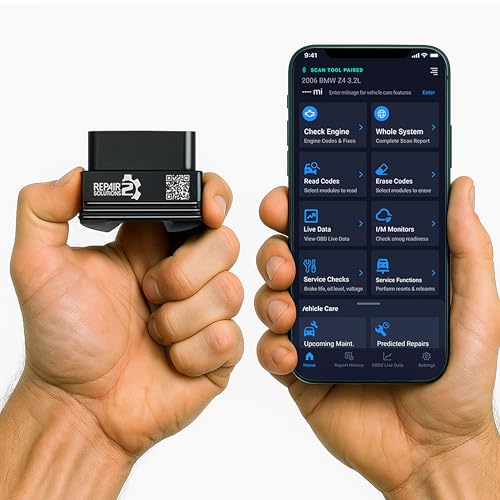


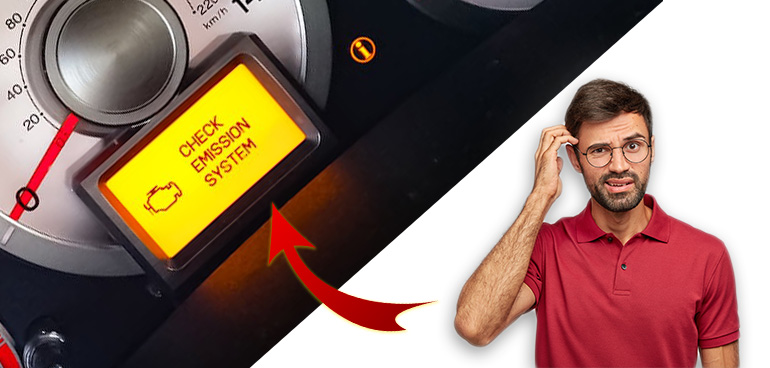
For any Honda Pilot owner, identifying the early signs of an emissions system malfunction is paramount to prevent escalating issues and costly repairs. The most conspicuous indicator is almost always the Check Engine Light (CEL), but other observable symptoms can provide valuable clues even before a scan tool is connected.
Decoding the Check Engine Light (CEL)
The CEL’s illumination pattern offers immediate insight into the severity of the issue:
- A solid CEL typically indicates a non-critical but persistent problem that requires attention soon. While it might not demand immediate roadside assistance, it should not be ignored.
- A flashing CEL, however, signals a severe issue, often a misfire, that could be causing catastrophic damage to the catalytic converter by dumping raw fuel into it. In this scenario, immediate action is necessary – reduce driving, minimize engine load, and seek professional diagnosis without delay.
Other Observable Symptoms
Beyond the CEL, pay attention to these practical symptoms that can help you troubleshoot the problem:
- Noticeable Decrease in Fuel Economy: A faulty O2 sensor or an inefficient catalytic converter can lead to a significant drop in MPG, often in the range of 5-15% or more.
- Unusual Odors: A strong smell of sulfur or rotten eggs from the exhaust typically points to a failing catalytic converter that can no longer process sulfur compounds effectively. A distinct gasoline smell, especially near the rear of the vehicle, suggests an EVAP system leak, releasing fuel vapors.
- Rough Idling or Engine Misfires: Issues with the EGR valve (stuck open or closed), PCV valve, or even severe catalytic converter backpressure can disrupt engine smooth operation.
- Decreased Engine Performance: A noticeable loss of power or hesitation during acceleration can be a sign of a restricted exhaust flow due to a clogged catalytic converter.
Leveraging OBD-II Diagnostic Scanners
The most effective way to diagnose emissions system problems is by retrieving Diagnostic Trouble Codes (DTCs) using an OBD-II (On-Board Diagnostics II) scanner. These devices connect to your vehicle’s diagnostic port and communicate directly with the ECM. Common emissions-related codes fall into specific ranges:
- P0420 / P0430 (Catalyst System Efficiency Below Threshold): These codes indicate that the catalytic converter is not operating efficiently enough. For example, a Honda Pilot owner experiencing a sudden drop in MPG with a P0420 code almost certainly has a catalytic converter issue.
- P0440 / P0441 / P0442 / P0446 (EVAP System Malfunction): These codes point to issues within the EVAP system, ranging from a general malfunction (P0440) to a small leak detected (P0442). A strong fuel odor combined with a P0442 code is a classic sign of an EVAP leak, possibly from a loose fuel cap or a cracked hose.
- P0133 / P0171 / P0172 (O2 Sensor & Fuel Trim Issues): Codes like P0133 (O2 Sensor Circuit Slow Response) indicate a sluggish oxygen sensor. P0171 (System Too Lean) or P0172 (System Too Rich) suggest that the ECM is struggling to maintain the proper air-fuel ratio, often influenced by O2 sensor readings or vacuum leaks.
- P03xx (Misfire Codes): While not directly emissions codes, misfires (e.g., P0301 for cylinder 1) can severely impact emissions and catalytic converter health, often triggering a flashing CEL.
- P040x (EGR System Codes): These codes indicate problems with the Exhaust Gas Recirculation system, such as a clogged or faulty EGR valve.
Interpreting these codes correctly is crucial for effective troubleshooting. While a code points to a specific system or component, it doesn’t always pinpoint the exact cause. Further investigation, often involving live data analysis and visual inspections, is necessary to accurately debug the root problem.
Honda Pilot Emissions System Recalls: What Owners Must Know
Beyond general wear and tear, specific design or manufacturing defects can lead to widespread emissions system problems, prompting official recall campaigns. For Honda Pilot owners, being aware of and addressing these recalls is not only a matter of compliance but also crucial for vehicle integrity and safety.
Notable Emissions-Related Recalls for Honda Pilot
Over the years, Honda has issued recalls impacting the emissions performance of various Pilot generations. One of the most significant and widely discussed issues relates to the Variable Cylinder Management (VCM) system, particularly affecting V6 engines in 2008-2017 Honda Pilot models. This system, designed to improve fuel economy by deactivating cylinders, has been associated with:
- Excessive Oil Consumption: The VCM system’s operation can lead to piston ring wear, resulting in significant engine oil consumption.
- Spark Plug Fouling: Excess oil can foul spark plugs, leading to misfires and a flashing Check Engine Light.
- Catalytic Converter Degradation: Unburnt oil and fuel entering the exhaust system due to misfires or excessive consumption can prematurely damage and degrade the catalytic converter, leading to P0420/P0430 codes.
While not always a formal “recall” for the VCM system itself in all instances, Honda has addressed related issues through warranty extensions and technical service bulletins (TSBs), with some campaigns specifically targeting oil consumption and spark plug fouling that directly impacts emissions. For example, NHTSA Campaign Number 13V001000 addressed certain VCM-related oil consumption issues for specific Honda models, affecting thousands of vehicles.
Another common area for recalls has been the EVAP system. Certain model years of the Honda Pilot have seen recalls related to the charcoal canister or purge valve, which can fail and cause fuel vapor leaks, triggering EVAP system codes (e.g., P0442, P0455). These defects, while seemingly minor, directly compromise the vehicle’s ability to control evaporative emissions.
How to Check for Recalls
Determining if your Honda Pilot is affected by an active emissions-related recall is straightforward and essential. You will need your Vehicle Identification Number (VIN), which is typically located on the driver’s side dashboard (visible through the windshield) or on the driver’s side door jamb.
- NHTSA Website: The official National Highway Traffic Safety Administration (NHTSA.gov/recalls) website allows you to enter your VIN to check for any open recalls from any manufacturer. This is the definitive federal resource.
- Honda Official Recall Checker: Honda maintains a dedicated section on its corporate website where owners can enter their VIN to check for recalls specific to Honda vehicles.
- Contact a Dealership: Your local authorized Honda dealership can also check for open recalls using your VIN and schedule an appointment for repair if necessary.
Always keep your contact information updated with Honda after purchasing a vehicle. Manufacturers are legally obligated to notify registered owners of recalls via mail, but this relies on accurate address records.
The Recall Process and Its Implications
Once an active recall is confirmed, the process is straightforward:
- You will typically receive a notification letter from Honda detailing the specific issue, the affected components, and instructions on how to proceed.
- Contact your nearest authorized Honda dealership to schedule a service appointment.
- Crucially, recall repairs are performed free of charge to the owner. This is a legal obligation for manufacturers to rectify safety or compliance defects.
Failing to address a known emissions recall can have significant long-term implications. Unresolved issues can lead to increased pollution, poor fuel economy, and potential cascading damage to other engine components. Moreover, it can prevent your vehicle from passing mandatory inspections and potentially devalue your vehicle if not rectified prior to resale. Prioritizing recall remedies is a critical aspect of responsible vehicle ownership.
By The Numbers
Vehicles potentially affected by VCM-related issues (across various Honda models).
Cost coverage for recall repairs (no cost to owner).
Troubleshooting and Resolving Honda Pilot Emissions Issues
When the Check Engine Light illuminates, or other symptoms of an emissions issue arise, a systematic troubleshooting approach is essential to accurately diagnose the root cause and implement an effective solution. While some initial checks can be performed by owners, professional expertise and specialized tools often become necessary.
📋
Step-by-Step Troubleshooting Guide
Before diving into complex diagnostics, verify simple potential culprits. Ensure your fuel cap is securely tightened; a loose cap is a very common cause of EVAP system codes (P044x series). Perform a visual inspection under the hood for any disconnected or cracked vacuum hoses, loose wiring, or obvious damage. Check your battery condition and terminals, as low voltage can sometimes trigger spurious codes.
Use an OBD-II scanner to read any stored Diagnostic Trouble Codes (DTCs). Record these codes. As discussed, a P0455 (Large EVAP Leak) might lead you to inspect the EVAP system more closely, while a P0420 (Catalytic Converter Efficiency) suggests evaluating the converter and related O2 sensors. Remember, a code indicates a system failure, not necessarily the component that failed.
For precise diagnosis, especially with complex P044x or P0420 codes, professional tools are invaluable. A smoke test can be performed on the EVAP system to visibly locate leaks in hoses, lines, or the charcoal canister. Live data monitoring with an advanced OBD-II scanner allows technicians to observe O2 sensor voltage fluctuations and fuel trim adjustments in real-time, helping to pinpoint issues like a failing sensor or vacuum leak. For catalytic converter issues (P0420), a backpressure test can identify blockages. Checking resistance and voltage for components like the EVAP purge valve or EGR valve can confirm their operational integrity.
Once diagnostic tests are complete, the data must be interpreted. For instance, if live O2 sensor data shows both upstream and downstream sensors mirroring each other (oscillating similarly), it indicates the catalytic converter is not efficiently storing oxygen, confirming a P0420 code. If a smoke test reveals smoke escaping from a specific EVAP hose, that points to a simple hose replacement to resolve the P0455 code. Professional diagnostic services typically cost between $100-$200, a worthwhile investment given the complexity.
It’s important to recognize when DIY troubleshooting reaches its limits. Many emissions system components are integrated with complex engine management, and misdiagnosis can lead to unnecessary parts replacement or even further damage. Referring to Honda-specific Technical Service Bulletins (TSBs) can also aid in advanced troubleshooting, as these documents highlight known issues and recommended workarounds or fixes from the manufacturer.
Never ignore a flashing Check Engine Light. This typically signifies an engine misfire that can rapidly cause irreversible damage to the catalytic converter, leading to significantly higher repair costs.
Repair and Maintenance Strategies for Honda Pilot Emissions Systems
Once an emissions system problem in your Honda Pilot has been accurately diagnosed, the next crucial step is implementing the correct repair and establishing a robust preventative maintenance regimen. The right solution can not only fix the immediate issue but also safeguard against future malfunctions.
Targeted Repair Solutions
Based on the specific diagnosis, repair options typically include:
- Oxygen Sensor Replacement: If an O2 sensor is determined to be faulty (e.g., P0133), replacing it is straightforward. Costs typically range from $150-$400 per sensor, including labor.
- EVAP System Component Repair: For EVAP leaks, repairs can vary from simply replacing a worn fuel cap, repairing a cracked vacuum hose, to replacing the charcoal canister, purge valve, or vent valve. An EVAP purge valve replacement might cost $100-$300.
- Catalytic Converter Replacement: If a P0420 or similar code persists after addressing upstream issues, the catalytic converter may need replacement. This is typically the most expensive repair, as mentioned, often exceeding $1000-$2500+, particularly if multiple converters are present.
- EGR Valve Service/Replacement: A clogged or stuck EGR valve can often be cleaned, but sometimes full replacement is necessary to resolve persistent EGR flow issues.
- PCV Valve Replacement: The PCV valve is a relatively inexpensive component that should be checked and replaced if clogged or malfunctioning. This simple repair can prevent oil sludge buildup and maintain proper crankcase ventilation.
OEM vs. Aftermarket Parts
When considering parts for emissions system repairs, owners face a choice:
OEM (Original Equipment Manufacturer)
Generally offers superior durability, guaranteed compatibility, and often comes with a better warranty. Higher upfront cost but typically provides peace of mind and long-term reliability.
Aftermarket
More budget-friendly and widely available. Quality can vary significantly. For critical components like catalytic converters or O2 sensors, choosing a reputable aftermarket brand that meets CARB or EPA compliance is essential to avoid recurring issues.
Preventative Maintenance Practices
The best defense against emissions system problems is consistent, proactive maintenance. Regular care can extend the life of emissions components by an estimated 20-30%.
- Regular Oil Changes: Adhere to Honda’s recommended oil change intervals and use the specified oil viscosity. Clean engine oil prevents sludge buildup and reduces oil consumption, which is particularly relevant for VCM-equipped Pilots.
- High-Quality Fuel: Using top-tier gasoline helps keep fuel injectors clean and minimizes carbon deposits, which can affect O2 sensors and catalytic converter efficiency.
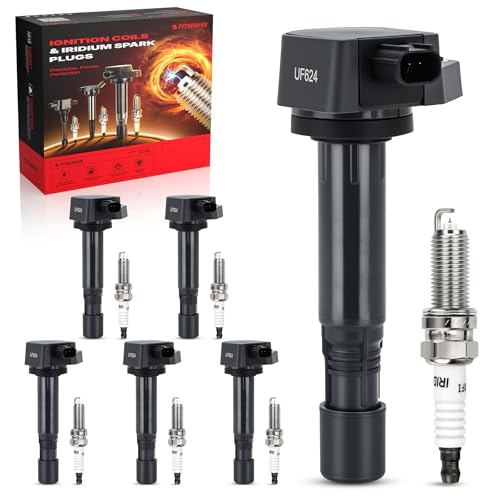
- Spark Plug Replacement: Follow the manufacturer’s schedule for spark plug replacement (e.g., typically every 100,000 miles for iridium plugs, but sooner if VCM issues are present). Fresh spark plugs ensure efficient combustion, reducing unburnt fuel reaching the catalytic converter.
- Air Filter Inspection/Replacement: A clean air filter ensures proper air-fuel mixture, directly impacting emissions and engine performance.
- Avoid Prolonged Idling: Excessive idling can lead to carbon buildup and can reduce the efficiency of emissions components over time.
Addressing VCM-Related Issues
For Honda Pilot models with VCM, proactive measures can significantly mitigate emissions-related issues caused by oil consumption:
- VCM Disabling Devices (Muzzlers): Aftermarket devices, often referred to as VCM muzzlers or disablers, trick the ECM into believing the engine is not at operating temperature, thereby preventing the VCM system from activating. This can effectively eliminate the oil consumption cause, reducing spark plug fouling and catalytic converter stress. This is a popular workaround that many owners utilize.
- More Frequent Maintenance: If VCM disabling is not an option, more frequent oil changes and spark plug inspections can help manage the symptoms of oil consumption.
By understanding these strategies and acting decisively, Honda Pilot owners can effectively repair and maintain their emissions systems, ensuring their vehicle remains reliable, efficient, and environmentally compliant.
Conclusion
The intricate emissions system of your Honda Pilot is vital for environmental compliance and optimal vehicle performance; understanding its components and their functions is undeniably key. Early identification of problems through symptom recognition and precise OBD-II code diagnosis is crucial for timely resolution, preventing minor issues from escalating into major, costly failures. Actively checking for and promptly addressing official Honda Pilot emissions recalls is equally essential, safeguarding your vehicle’s integrity and ensuring repairs are performed free of charge under manufacturer obligation. Ultimately, effective troubleshooting, targeted repair, and adherence to preventative maintenance, whether performed DIY or professionally, are critical for resolving current issues and fortifying your Pilot against future emissions system problems.
Do not ignore an illuminated Check Engine Light or overlook potential recall notices. Consult this guide, utilize a diagnostic scanner, and consider professional evaluation to ensure your Honda Pilot’s emissions system functions correctly and efficiently. Proactive maintenance is your best defense against future problems, ensuring your beloved SUV continues its reliable journey on the road while minimizing its environmental footprint.
Frequently Asked Questions
What does ’emissions system problem’ typically mean for my Honda Pilot?
An emissions system problem in your Honda Pilot generally indicates that one or more components responsible for controlling vehicle exhaust pollutants are not functioning correctly. This could range from a simple loose gas cap to a failing catalytic converter or a leak in the Evaporative Emission Control (EVAP) system. Ignoring these issues can lead to increased emissions, reduced fuel efficiency, and potential damage to other engine components, along with failing state inspections.
How do I know if my Honda Pilot is part of an emissions system recall?
To determine if your Honda Pilot is affected by an emissions system recall, the most reliable method is to enter your Vehicle Identification Number (VIN) into the official National Highway Traffic Safety Administration (NHTSA) recall lookup tool or Honda’s dedicated recall checker on their website. You can also contact your local Honda dealership directly with your VIN. Manufacturers are legally obligated to notify owners of recalls, but checking periodically is a good proactive measure.
Is it safe to drive my Honda Pilot with an illuminated Check Engine Light for an emissions problem?
Driving with an illuminated Check Engine Light (CEL) indicating an emissions problem can be risky. While some issues might be minor, others, like a flashing CEL, signal a severe engine misfire that could rapidly damage the catalytic converter. Continued driving can lead to reduced fuel economy, increased pollution, and potentially costly repairs if the underlying issue is left unaddressed. It’s always best to diagnose and resolve the problem promptly.
What are the most common fixes for Honda Pilot emissions issues?
Common fixes for Honda Pilot emissions issues vary by the specific problem. Frequently, it involves replacing faulty oxygen sensors, repairing leaks in the EVAP system (e.g., replacing a purge valve, vent valve, or charcoal canister), or, in more severe cases, replacing a catalytic converter. Addressing Variable Cylinder Management (VCM) related oil consumption and subsequent catalytic converter damage is also a common repair, sometimes involving VCM disabler devices.
Can I fix a Honda Pilot emissions problem myself, or do I need a professional?
Some basic emissions problems, like a loose fuel cap, can be easily resolved by owners. With an OBD-II scanner, you can retrieve trouble codes, which might point to simple fixes like replacing an oxygen sensor if you have mechanical experience. However, complex issues involving the EVAP system, catalytic converter, or advanced diagnostics often require specialized tools and expertise. For accurate diagnosis and proper repair, especially with recalls, consulting a certified professional is highly recommended.