How Often Do You Need to Change Brakes? Lifespan & Signs
Last Updated on September 1, 2026 by Ryan
Brake pad replacement typically ranges from 25,000 to 70,000 miles, heavily depending on driving style and vehicle type. Regular professional inspections are crucial to accurately determine wear, as wear rates vary significantly. Always address warning signs promptly for safety.
🎯 Key Takeaways
- Brake pads last 25,000-70,000 miles, rotors 50,000-70,000 miles.
- Aggressive driving significantly shortens brake component lifespan.
- Listen for squealing, grinding; feel for vibrations or spongy pedal.
- Schedule professional brake inspections annually or at oil changes.
- Don’t ignore dashboard brake warning lights for safety.
Generally, brake pads last between 25,000 and 70,000 miles, while brake rotors typically endure for 50,000 to 100,000 miles. These ranges are wide because your driving habits, vehicle type, and the quality of your brake components significantly impact their longevity. Understanding these lifespans helps you anticipate maintenance needs and ensure your vehicle remains safe and reliable.

Knowing when your brakes need attention is not just about mileage; it’s about paying attention to signs of wear and understanding the factors that accelerate it. Proactive brake maintenance prevents more extensive, costly repairs down the line and, most importantly, keeps you and your passengers safe on the road. We’ll break down realistic expectations for brake component life and crucial warning signals.
Average Lifespan of Brake Pads and Rotors
Brake Pads – The Primary Wear Item
Brake pads are designed to be the primary sacrificial component in your braking system. They bear the brunt of friction, converting kinetic energy into heat to slow your vehicle. Most drivers can expect their brake pads to last anywhere from 25,000 to 70,000 miles, which usually translates to 2 to 5 years of typical driving. However, this range can vary dramatically.
- City Driving: Frequent stop-and-go traffic, common in urban environments, puts immense stress on pads. You might see wear closer to the 25,000-mile mark.
- Highway Driving: Sustained highway speeds with fewer stops allow pads to last much longer, potentially pushing into the 60,000-70,000-mile range.
- Vehicle Type: Heavier vehicles like trucks, SUVs, or performance cars often have more aggressive braking needs, leading to quicker pad wear.
Always consider the manufacturer’s recommendations for your specific vehicle, as some high-performance or heavy-duty vehicles might have different expectations.
Brake Rotors – Secondary Wear
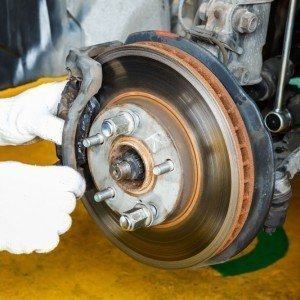
Brake rotors are the metal discs that your brake pads clamp down on to create friction. Because they are more robust, they typically last longer than pads, often surviving through two sets of brake pads. A common lifespan for rotors is between 50,000 and 100,000 miles, or approximately 4 to 8 years.
Rotors don’t wear out in the same way pads do; they can become too thin, develop grooves, or warp from excessive heat. While some rotors can be “resurfaced” (machined down slightly to create a smooth, even surface), this is only possible if they still meet the manufacturer’s minimum thickness specifications. More often, especially with modern thinner rotors, they are simply replaced when worn beyond limits or show signs of warping.
Everything You Need to Know About Brake Lifespan
Understanding when to change your car’s brakes is crucial for your safety and the longevity of your vehicle. This comprehensive guide will walk you through the essential steps to monitor your brake system, recognize common warning signs, and make informed decisions about maintenance. By following these practical instructions, you’ll gain the confidence to assess your brakes like a pro, ensuring a safer and smoother driving experience for yourself and others on the road.
Step 1: Understanding Your Brakes: Pads, Rotors, and Their Roles
What you need: A basic understanding of your vehicle’s braking system, specifically the difference between brake pads and rotors.
Instructions: Your car’s braking system primarily relies on two key components for friction: brake pads and brake rotors. Brake pads, made of a friction material, press against the rotors to slow your wheels. Rotors are the large metal discs that the pads clamp onto. Brake pads typically wear out faster than rotors due to direct friction. While pads might need replacement every 25,000 to 70,000 miles, rotors often last twice as long, sometimes through two sets of pads. However, severe wear or warping can necessitate earlier rotor replacement.
Pro Tip: Don’t assume both pads and rotors need replacement simultaneously. Always assess each component individually based on its condition. Uneven wear between inner and outer pads can indicate caliper issues.
Step 2: Listen Up: Identifying Auditory Warning Signs
What you need: A quiet environment to listen to your brakes, and the ability to differentiate between various sounds.
Instructions: Your ears are often the first line of defense against failing brakes. A high-pitched squealing or chirping sound, particularly when you apply the brakes, typically indicates that the brake pads’ wear indicators (small metal tabs) are contacting the rotor, signaling they are nearing their minimum thickness. If you hear a low grinding or rumbling sound when braking, especially a metallic one, this is a serious warning that the brake pads are completely worn down, and the metal backing plate is scraping against the rotor. This can cause significant damage to your rotors.
Pro Tip: Light squealing can sometimes be normal, especially in damp conditions or with performance pads. However, persistent squealing that stops when you brake usually means the pads are worn. Persistent grinding is an immediate call to action.
Step 3: Feel the Difference: Interpreting Performance Cues
What you need: Experience driving your vehicle and an awareness of its normal braking characteristics.
Instructions: How your car feels under braking can reveal critical issues. If you experience vibrations or pulsations through the brake pedal or steering wheel when braking, this often points to warped or unevenly worn rotors. A spongy or soft brake pedal that goes closer to the floor than usual, or requires more pressure for less stopping power, could indicate air in the brake lines, low brake fluid, or a failing master cylinder. If your vehicle pulls to one side during braking, it might signify a stuck caliper, uneven pad wear, or even a tire issue.
Pro Tip: Pay attention to changes in stopping distance. If your car takes longer to stop than it used to, even with normal pedal pressure, your braking system’s efficiency is compromised and needs immediate inspection.
Step 4: The Visual Inspection: Checking Brake Pad Thickness
What you need: A flashlight, a safe place to park, and optionally a jack and jack stands for a more thorough view. A ruler or a brake pad measuring tool is helpful.
Instructions: Park your car on a level surface, put it in park (or gear with manual), and engage the parking brake. For the front wheels, you can often turn the steering wheel sharply to one side to get a better view through the wheel spokes. Shine your flashlight onto the brake caliper and locate the brake pads. Observe the friction material thickness. Most new pads have about 10-12mm (0.4-0.5 inches) of material. When the pad thickness is less than 3-4mm (about 0.12-0.16 inches) – roughly the thickness of a stack of two pennies – it’s time for replacement. If it’s below 2mm, it’s critical.
Pro Tip: Inspect both the inner and outer pads, as they can wear unevenly. If one side is significantly thinner, it could indicate a seized caliper or other hydraulic issues that need professional attention.
Step 5: Assessing Your Rotors: Surface Condition and Runout
What you need: A flashlight, your hands (wearing gloves), and keen eyes. A micrometer or rotor runout gauge for professional-level inspection.
Instructions: With the wheel still on or removed for a better view (following safe jacking procedures), visually inspect the rotor surface. Look for deep grooves, scoring, or significant rust. A smooth, even surface is ideal. Run your finger (carefully!) over the rotor surface; if you feel distinct ridges or a significant “lip” at the edge, this indicates substantial wear. Discoloration, such as dark spots or blueish hues, suggests overheating. While minor imperfections are normal, heavy scoring or warping (which causes the pedal pulsation) means the rotors need to be resurfaced (machined) or replaced, as they are likely below their minimum thickness specification.
Pro Tip: Always check the minimum thickness stamped on the rotor’s edge. Never use rotors below this specification, even if they appear smooth, as they may overheat and warp easily.
Step 6: Considering Your Driving Habits and Environment
What you need: An honest assessment of your typical driving style and conditions.
Instructions: Your driving habits significantly impact brake wear. Aggressive driving, such as frequent hard braking, stop-and-go city traffic, and driving in mountainous terrain, will cause your brakes to wear out much faster than gentle, highway cruising. Vehicles that regularly tow heavy loads or carry significant cargo also experience accelerated wear due to increased stress on the braking system. Hot, humid climates or areas with significant road salt exposure can also contribute to rust and wear on brake components, potentially reducing their lifespan.
Pro Tip: Practicing defensive driving and anticipating stops can extend the life of your brakes by reducing unnecessary hard braking. Leave ample following distance to allow for gradual deceleration.
Step 7: Consulting Your Car’s Manual and Service Intervals
What you need: Your vehicle’s owner’s manual or access to its digital version.
Instructions: Your car’s manufacturer provides specific maintenance schedules and recommendations for brake inspections and service. While these are general guidelines, they offer a good starting point. Most manufacturers recommend having your brakes inspected every 10,000 to 15,000 miles, or at least once a year. This regular inspection allows a qualified technician to catch wear and tear before it becomes a safety hazard or leads to more costly repairs. Always refer to your specific vehicle’s manual for the most accurate information tailored to its design and components.
Pro Tip: Don’t just rely on mileage. If you hear or feel anything unusual, get your brakes checked immediately, regardless of the last inspection date or recommended interval.
Step 8: Beyond Pads and Rotors: Brake Fluid and Caliper Health
What you need: Knowledge of your engine bay layout, potentially a flashlight, and a professional technician for complex checks.
Instructions: The braking system is more than just pads and rotors. Brake fluid transmits pressure from your pedal to the calipers, which then squeeze the pads. Check your brake fluid reservoir level; if it’s consistently low, it could indicate a leak or severely worn pads. The fluid itself should be a clear, amber color; dark or cloudy fluid suggests contamination and warrants a brake fluid flush, typically every 2-3 years. Also, ensure your calipers are functioning correctly; a seized caliper can cause a wheel to drag, excessive heat, and extremely rapid wear on one side’s pads. These components are vital for overall braking effectiveness.
Pro Tip: Never mix different types of brake fluid. Always use the specific DOT fluid recommended by your vehicle manufacturer. Brake fluid is hygroscopic (absorbs moisture), which reduces its boiling point and can lead to rust in the system.
✅ Final Checklist
- All wheels inspected for pad thickness (inner and outer pads).
- Rotors checked for deep grooves, warping (pulsation), and minimum thickness.
- No persistent squealing, grinding, or rubbing noises during braking.
- Brake pedal feels firm and responsive, with no sponginess or excessive travel.
- Vehicle maintains a straight line when braking firmly on a level surface.
Important Notes:
- Safety considerations or warnings: Always work on a level surface. If you plan to remove wheels, use proper jack stands and never rely solely on a jack. Wear appropriate safety gear, including gloves and eye protection. Brake dust can contain hazardous materials.
- When to seek professional help: If you’re unsure about any aspect of brake inspection, hear severe grinding, experience a soft brake pedal, or notice persistent pulling, seek professional mechanic help immediately. Complex repairs like caliper replacement or master cylinder issues require specialized tools and expertise.
- Estimated time and cost range: A typical brake pad replacement can take 1-3 hours per axle for a DIYer, or 30-60 minutes for a professional. Costs vary widely:
- DIY (Parts only): Brake pads typically cost $30-$100 per axle, rotors $50-$150 each. Total per axle: $130-$400.
- Professional (Parts & Labor): For pads and rotors on one axle, expect $250-$600, potentially more for premium parts or complex systems. A full four-wheel brake job can range from $500-$1500+. Brake fluid flush typically adds $80-$150.
Key Factors Influencing Brake Wear and Longevity
Driving Habits and Environment
Your personal driving style is arguably the single biggest determinant of how long your brake components will last. Every stop you make causes friction and heat, contributing to wear.
- Aggressive Braking: Drivers who frequently accelerate quickly and then brake hard will wear their pads and rotors much faster than those who practice smooth, gradual stops.
- Stop-and-Go vs. Highway: As mentioned, city driving with constant braking cycles is far harsher on brakes than steady highway cruising.
- Heavy Loads and Towing: Regularly carrying heavy loads or towing trailers significantly increases the braking effort required, accelerating wear on all components.
- Terrain: Driving in mountainous or hilly areas, where you often use your brakes to control descent, will also shorten their lifespan.
- Climate: While not a direct wear factor, exposure to road salt in winter climates can contribute to rotor corrosion, affecting performance and lifespan.
Critical Warning Signs Your Brakes Need Attention
Ignoring warning signs can lead to dangerous situations and more expensive repairs. Pay close attention to these indicators:
- Squealing or High-Pitched Screeching: This is often the sound of a small metal wear indicator tab built into your brake pads. It’s designed to make noise when the pad material is getting low, signaling it’s time for replacement soon.
- Grinding or Metal-on-Metal Noise: A harsh, coarse grinding sound indicates that the brake pads are completely worn out, and the metal backing plate is scraping against the rotor. This is an urgent issue that requires immediate attention to prevent severe rotor damage.
- Pulsing or Vibration Through the Pedal: If you feel a pulsating sensation through the brake pedal or a vibration in the steering wheel when braking, it’s typically a sign of warped brake rotors.
- Spongy or Low Brake Pedal: If your brake pedal feels unusually soft, travels further to the floor than usual, or requires more pressure to stop, it could indicate air in the brake lines, a fluid leak, or a failing master cylinder.
- Dashboard Warning Lights: Your vehicle’s dashboard might illuminate a “BRAKE” light or an ABS (Anti-lock Braking System) warning light. These indicators demand immediate investigation by a professional.
<h2>Critical Warning Signs Your Brakes Need Attention</h2>

<p>While mileage and driving habits offer a general guideline, your car's brakes often send clear signals when they're nearing the end of their life or developing a problem. Learning to recognize these critical warning signs is paramount for your safety and for preventing more extensive, expensive damage to your braking system.</p>
<h3>Auditory Cues: Listen to Your Brakes</h3>
<p>Your ears are excellent diagnostic tools when it comes to brakes. Don't dismiss unusual sounds; they're often the first indicator something is amiss.</p>
<ul>
<li><strong>High-Pitched Squealing:</strong> This is typically the sound of a built-in wear indicator – a small metal tab designed to rub against the rotor once your brake pads are worn down to a certain point. It's a gentle reminder, but one you shouldn't ignore.</li>
<li><strong>Grinding or Growling:</strong> If you hear a harsh, metallic grinding noise when braking, it's a serious red flag. This usually means your brake pads are completely worn through, and the metal backing plate of the pad is now scraping directly against the metal brake rotor. <em>This situation requires immediate professional attention</em>, as it severely compromises braking performance and rapidly damages your rotors.</li&
<li><strong>Clicking:</strong> Less common, but a clicking sound could indicate a loose caliper, a brake pad that isn't properly seated, or even a worn-out component within the caliper assembly. It warrants investigation.</li>
</ul>
<h3>Tactile & Visual Indicators: Feel and See the Problem</h3>
<p>Beyond what you hear, your other senses can also pick up on brake issues. Pay attention to how the pedal feels, how your car reacts, and even subtle smells.</p>
<ul>
<li><strong>Vibration or Pulsation:</strong> If you feel a shuddering or pulsating sensation through the brake pedal or steering wheel when braking, it often points to warped brake rotors. Uneven rotor surfaces cause the pads to grab inconsistently.</li>
<li><strong>Soft or Spongy Brake Pedal:</strong> A brake pedal that feels "mushy" or sinks too easily might indicate air in the brake lines, a brake fluid leak, or even a problem with the master cylinder. You'll have to push the pedal further to get the car to stop, which is extremely dangerous.</li>
<li><strong>Car Pulls to One Side:</strong> If your vehicle consistently pulls to the left or right when you apply the brakes, it could mean uneven brake pad wear, a sticking caliper, or an issue with the brake hose on one side, causing unequal braking force.</li>
<li><strong>Burning Smell:</strong> A strong, chemical burning odor, especially after heavy braking or descending a long hill, suggests your brakes are overheating. This can lead to "brake fade," where braking effectiveness is significantly reduced.</li>
<li><strong>Visual Inspection:</strong> While not always easy without removing the wheel, you might be able to visually check your brake pads through the wheel spokes. If the pad material looks very thin (less than a quarter-inch, roughly the thickness of a few pennies stacked), it’s time for a change.</li>
</ul>
<h2>The Importance of Regular Brake Inspections and Maintenance</h2>
<p>Waiting for obvious warning signs means you're already reacting to a problem. A proactive approach through regular inspections is key to ensuring brake reliability, extending component life, and ultimately, saving you money and stress.</p>
<h3>Proactive Care Saves Time and Money</h3>
<p>Think of brake inspections as preventative medicine for your car. Catching minor issues early can prevent them from snowballing into major, more costly repairs. For instance, replacing worn pads before they grind into your rotors saves you the expense of replacing the rotors as well. Similarly, addressing a slightly sticky caliper before it causes uneven pad wear or overheating can prevent a whole cascade of problems. A mechanic can also check your brake fluid, which can absorb moisture over time, compromising braking efficiency and potentially damaging internal components. Fresh fluid ensures optimal performance.</p>
<ul>
<li><strong>Early Detection:</strong> Identify worn pads, warped rotors, or sticky calipers before they become critical safety hazards or cause secondary damage.</li>
<li><strong>Cost Efficiency:</strong> Avoid paying for new rotors or calipers by addressing pad wear promptly. Preventative maintenance is almost always cheaper than reactive repairs.</li>
<li><strong>Extended Lifespan:</strong> Proper maintenance, like cleaning and lubricating caliper pins, ensures all brake components work smoothly, maximizing their operational life.</li>
</ul>
<h3>Beyond Pads: A Holistic Approach</h3>
<p>Your braking system is a complex network, not just pads and rotors. A comprehensive inspection looks at the entire system to ensure every component is functioning as it should. This holistic view is crucial for overall braking integrity and responsiveness.</p>
<ul>
<li><strong>Rotor Condition:</strong> Beyond visual checks for severe scoring or grooves, a technician can measure rotor thickness to ensure it meets manufacturer specifications and hasn't been resurfaced too many times.</li>
<li><strong>Caliper Functionality:</strong> Calipers must move freely. Sticking calipers can lead to uneven pad wear, pulling, and reduced braking power. A technician will check for smooth operation and proper lubrication.</li>
<li><strong>Brake Fluid & Lines:</strong> The color and level of your brake fluid are important indicators. Old fluid or low levels can signal issues. Brake lines and hoses are checked for cracks, leaks, or bulges that could indicate a failure point.</li>
<li><strong>Hardware & Mounting:</strong> All nuts, bolts, clips, and springs are inspected to ensure they are secure and free from corrosion, which can impact brake performance and create noise.</li>
</ul>
<p>Aim to have your brakes inspected at least once a year, or every 10,000 to 12,000 miles, whichever comes first. This often coincides with other routine maintenance, making it convenient to bundle.</p>
<h2>Conclusion</h2>
<p>The lifespan of your vehicle's brakes is a dynamic equation influenced by numerous factors, from your daily commute to your driving style. While there's no single magic number, understanding the variables at play and staying vigilant for warning signs are your best defense against unexpected brake failures.</p<p>Prioritize regular professional inspections to catch issues early and maintain your brake system's peak performance. Don't wait for a grinding sound or a spongy pedal to remind you. Your brakes are your car's most critical safety feature; investing in their maintenance is an investment in your safety and peace of mind. If you notice any of the warning signs discussed, or if it's simply been a while since your last check-up, schedule an inspection with a trusted mechanic today.</p>
❓ Frequently Asked Questions
What are the main factors that determine how often I need to change my brakes?
Driving habits (aggressive vs. gentle), vehicle type (heavier vehicles wear brakes faster), terrain (hilly areas increase wear), and brake pad material quality all significantly impact lifespan. City driving with frequent stops also shortens brake life compared to highway driving.
What’s the difference between replacing brake pads and rotors, and which lasts longer?
Brake pads are the friction material that presses against the rotors to slow your vehicle, and they are the primary wear item, typically lasting 25,000-70,000 miles. Rotors are the metal discs that pads clamp onto; they are more durable but can warp or wear thin, often needing replacement around 50,000-70,000 miles or with every other pad change.
Are there any warning signs I should never ignore when it comes to my brakes?
Yes, definitely. Immediate attention is needed if you hear a grinding noise, feel significant vibrations or pulsations in the pedal, experience a ‘spongy’ brake pedal, or if a brake warning light illuminates on your dashboard. These indicate critical wear or potential system failure.
Can I prolong the life of my brakes?
Practicing smooth, anticipatory driving by minimizing rapid accelerations and hard braking can greatly extend brake life. Utilizing engine braking where appropriate, maintaining proper tire pressure, and ensuring regular brake system inspections also contribute to longevity.
Why do my brakes squeal sometimes, but other times they are fine?
Squealing can be caused by various factors, including brake pad wear indicators, moisture or rust on the rotors after rain, or simply dusty conditions. If the squealing is persistent and accompanied by other symptoms, it’s a strong indicator that an inspection is due to rule out excessive wear.
What role does brake fluid play in brake maintenance and how often should it be changed?
Brake fluid transmits the force from your pedal to the brake calipers, but it’s hygroscopic, meaning it absorbs moisture over time, which lowers its boiling point and can lead to corrosion. Most manufacturers recommend flushing and replacing brake fluid every 2-5 years, regardless of mileage, to maintain optimal braking performance and system integrity.