2025 Hyundai Santa Fe TPMS Reset: Expert Tips & Troubleshooting
Last Updated on September 1, 2026 by Ryan
📋 Table of Contents
- 🎯 Key Takeaways
- Understanding the 2025 Santa Fe TPMS Technology
- Master 2025 Hyundai Santa Fe TPMS Reset in 7 Simple Steps
- Factors Influencing Tire Pressure Sensor Accuracy
- Interpreting Different TPMS Warning Light Patterns
- Maintenance Benefits of a Calibrated Monitoring System
- Conclusion
- 💬 Quick Questions & Answers
- ❓ Frequently Asked Questions
The 2025 Hyundai Santa Fe features an automatic TPMS reset system that recalibrates after driving for several miles at consistent speeds. Ensuring proper tire inflation to the PSI listed on the door jamb is critical for system accuracy and safety. Understanding these digital monitoring alerts helps prevent premature tire wear and optimizes fuel efficiency.
🎯 Key Takeaways
Recommended Best Deal Products

- Takeaway 1:Check the driver-side door jamb for specific recommended PSI levels.
- Takeaway 2:Drive at 15+ mph for 20 minutes to trigger automatic recalibration.
- Takeaway 3:Inspect tires for physical damage if the light persists after inflation.
- Takeaway 4:Cold weather often triggers false low-pressure alerts due to air contraction.
- Takeaway 5:Use a high-quality digital gauge for the most accurate pressure readings.
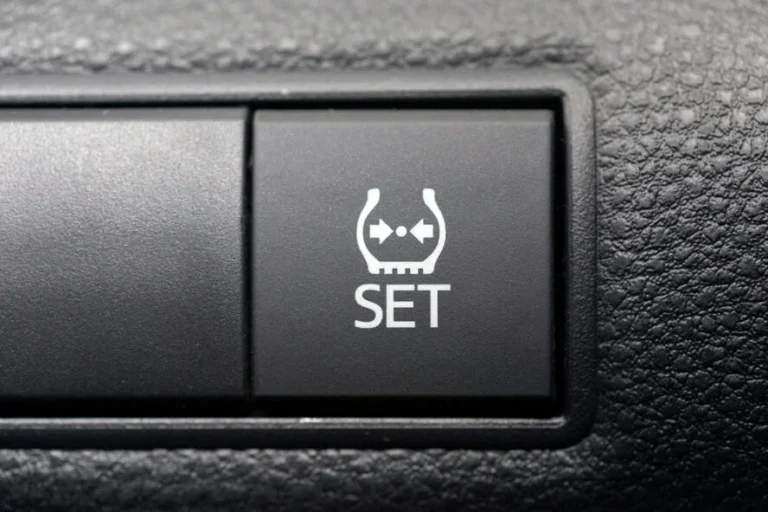
Imagine you are cruising down the highway in your brand-new 2025 Hyundai Santa Fe. The cabin is quiet, the ride is smooth, and then a bright orange icon pops up on your digital dashboard. This little symbol, which looks like a horseshoe with an exclamation point, is your Tire Pressure Monitoring System (TPMS). It is your car’s way of talking to you, and it usually means one of your tires needs attention. Understanding this system is about much more than just making a light go away; it is about keeping your family safe on the road.

Audible — Listen Free for 30 Days
One free credit a month and thousands of titles included.
Listen Free for 30 DaysWhen your tires are at the correct pressure, your Santa Fe performs at its absolute best. You will notice better handling in tight corners and a much smoother ride over bumps. Most importantly, proper inflation saves you money at the gas pump and helps your tires last for years instead of months. This guide will help you understand the sophisticated technology inside your 2025 model. We want to ensure you feel confident whenever that light decides to make an appearance on your dash.
Understanding the 2025 Santa Fe TPMS Technology
The 2025 Hyundai Santa Fe uses a “direct” TPMS. This is the gold standard for modern SUVs. Unlike older “indirect” systems that just guess based on how fast your wheels spin, your Santa Fe has actual sensors located inside each wheel. These sensors are attached to the back of the tire valves. They act like tiny weather stations, constantly measuring the exact pounds per square inch (PSI) inside your tires. This data is then beamed wirelessly to your car’s central computer every few seconds while you drive.

The Power of Real-Time Digital Feedback
One of the best features of the 2025 Santa Fe is the detailed information screen in your instrument cluster. You do not have to guess which tire is low anymore. By scrolling through your steering wheel menus, you can see a live top-down view of your vehicle. It shows the specific pressure for every single tire individually. This high-tech approach offers several benefits for the modern driver:
- Instant Awareness: You can see a slow leak developing before the tire actually goes flat.
- Precision Filling: You know exactly when to stop adding air without constantly pulling out a handheld gauge.
- Balance Tracking: You can ensure all four tires are even, which prevents your car from pulling to one side.
- Safety Alerts: The system can distinguish between a minor pressure drop and a rapid blowout.
Advanced Receiver Integration
The 2025 model features a highly sensitive receiver hub. This hub is designed to filter out “noise” from other electronics. In the past, things like phone chargers or nearby radio towers could sometimes confuse a car’s computer. Hyundai has refined the 433MHz signal frequency in the Santa Fe to ensure the connection is rock-solid. This means fewer “ghost” lights and much more reliable data. When that light turns on, you can be almost certain it is reacting to a real physical change in your tire’s environment.
Master 2025 Hyundai Santa Fe TPMS Reset in 7 Simple Steps
The 2025 Hyundai Santa Fe is a marvel of modern automotive engineering, featuring a sophisticated Tire Pressure Monitoring System (TPMS) designed to keep you safe and optimize your fuel efficiency. However, even the most advanced systems can be triggered by seasonal temperature shifts, new tire installations, or minor pressure leaks. Understanding how to reset this system is crucial because driving with an active TPMS warning not only compromises your safety but can also lead to uneven tire wear and decreased gas mileage. This comprehensive guide walks you through the “auto-learn” process specific to the 2025 model year, ensuring your vehicle’s digital brain is perfectly synced with its physical rubber.
Step 1: Ensure Tires are “Cold” for Accurate Measurement
What you need: A flat, level parking surface and at least three hours of vehicle inactivity.
Instructions: Before you attempt any reset or pressure adjustment, your tires must be in a “cold” state. In automotive terms, this means the vehicle has been parked for at least three hours or has been driven less than one mile. As tires roll, friction generates heat, which causes the air inside to expand and provides a falsely high pressure reading. Park your Santa Fe on a level surface to ensure the weight of the vehicle is distributed evenly across all four contact patches. If you have just finished a long highway drive, wait for the rubber to become cool to the touch before proceeding to the next step. This patience ensures that the baseline data you provide to the TPMS computer is accurate and stable.
Pro Tip: Never bleed air out of a hot tire to reach the recommended pressure, as you will likely end up with under-inflated tires once they eventually cool down.

Prime for Young Adults — 6 Months Free
Students and 18–24s get six months of Prime free, then half price.
Start 6 Months FreeStep 2: Locate the Manufacturer’s Recommended PSI
What you need: Access to the driver-side door pillar (jamb).
Instructions: Every 2025 Hyundai Santa Fe has a specific “Tire and Loading Information” placard. Open the driver’s door and look at the B-pillar (the metal frame where the door latches). You will see a white and yellow sticker that lists the “Cold Tire Pressure” for the front and rear tires. For the 2025 model, this is typically around 33 to 35 PSI, though it can vary based on your specific trim level (SE, SEL, XRT, Limited, or Calligraphy) and wheel size (ranging from 18 to 21 inches). It is vital to use the numbers on this sticker rather than the “Max Pressure” listed on the sidewall of the tire itself. The sidewall number represents the maximum pressure the tire can physically hold, not the ideal pressure for your vehicle’s handling and suspension tuning.
Pro Tip: Take a photo of this sticker with your smartphone so you have a permanent reference in your gallery for future maintenance.
Step 3: Adjust Tire Pressure to Specifications
What you need: A high-quality digital tire pressure gauge and an air compressor (at home or at a service station).
Instructions: Remove the valve stem caps from all four tires. Using your digital gauge, check the current pressure of each tire. If the pressure is low, add air in small bursts, re-checking with your gauge after each addition. If you accidentally over-inflate, use the small nipple on the back of the pressure gauge or a flathead screwdriver to gently depress the valve pin and release air. Ensure all four tires are within +/- 0.5 PSI of the target number found in Step 2. Do not forget to check the spare tire if your Santa Fe is equipped with a full-size spare, as some 2025 trims include sensors in the spare that can trigger a system-wide warning if they are low.
Pro Tip: For every 10-degree drop in ambient temperature, your tires will lose approximately 1 PSI. If you are performing this reset in late autumn, consider adding 1-2 extra PSI to account for the coming winter chill.
Step 4: Inspect for External Hazards and Damage
What you need: A flashlight and a spray bottle with soapy water (optional).
Instructions: Before initiating the electronic reset, you must verify that the TPMS light wasn’t triggered by a legitimate puncture. Use a flashlight to inspect the tread of each tire for nails, screws, or shards of glass. If you see a foreign object, do not pull it out, as it may be acting as a plug. Look for any bulges in the sidewall, which could indicate internal structural damage. If you suspect a slow leak but cannot see a puncture, spray the valve stem and the tread with soapy water; look for growing bubbles which indicate escaping air. If a tire is damaged, the TPMS will never successfully reset, as the pressure will continue to drop during the “auto-learn” driving phase.
Pro Tip: Pay close attention to the valve stems; older rubber stems can develop micro-cracks that leak air only when the vehicle is in motion.

Prime Gaming — Free In-Game Loot
Free monthly games, in-game content and a Twitch channel sub.
Claim Free LootStep 5: Navigate the Digital Instrument Cluster
What you need: The vehicle’s ignition in the “ON” position or the engine running.
Instructions: Sit in the driver’s seat and start the engine. Locate the “Menu” or “Page” button on the right side of your steering wheel. Press this button to cycle through the different menus on the 12.3-inch digital instrument cluster until you reach the “Information” or “Vehicle Diagnostics” tab (often represented by a small car icon or a document icon). Use the scroll wheel to find the “Tire Pressure” screen. On the 2025 Santa Fe, this screen will likely display a message saying “Drive to display” rather than showing immediate live numbers. This is normal, as the 2025 model utilizes “Direct TPMS” sensors that require wheel rotation to broadcast their current frequency and pressure data to the central receiver.
Pro Tip: If the screen shows a specific tire in red or orange even after you have filled it, the system simply hasn’t registered the new pressure yet; do not keep adding air.
Step 6: Execute the “Auto-Learn” Drive Cycle
What you need: A clear stretch of road allowing for speeds between 15 and 50 mph.
Instructions: Unlike older vehicles that had a physical “Reset” button under the dash, the 2025 Santa Fe uses an automatic calibration process. To trigger this, you must drive the vehicle. Drive at a steady speed of at least 15-20 mph for a duration of 10 to 20 minutes. The TPMS sensors are centrifugal; they “wake up” when the wheels spin and begin transmitting data. Try to avoid aggressive cornering or heavy braking during this period, as the system is looking for consistent data. Usually, within the first 5 miles of driving, the TPMS warning light on the dashboard will flicker and then disappear, and the digital display will replace the “Drive to display” message with the actual PSI readings for each tire.
Pro Tip: Avoid stop-and-go city traffic for this step if possible. A steady cruise on a suburban road is the fastest way to get the system to sync.
Step 7: Verify System Calibration and Persistence
What you need: Observation of the dashboard display after the drive cycle.
Instructions: Once the pressure numbers appear on your screen, compare them to the readings you took with your manual gauge in Step 3. They should be within 1-2 PSI of each other (digital sensors may vary slightly from manual gauges). If the TPMS light remains on or begins to flash after 20 minutes of driving, the system has failed to “auto-learn.” This usually happens for one of three reasons: the pressure is still too low, one of the sensors has a dead battery, or there is electromagnetic interference nearby. If the light flashes for 60 seconds and then stays solid, this indicates a malfunction in the TPMS hardware itself rather than a low-pressure situation.
Pro Tip: If you recently installed aftermarket wheels, ensure that the TPMS sensors were transferred or that the new sensors are compatible with Hyundai’s 433MHz frequency.
✅ Final Checklist
- All four tires (and the spare, if applicable) are inflated to the door-jamb specification.
- Valve stem caps are tightened to prevent debris from entering the valve core.
- The vehicle was driven for at least 10 minutes at speeds above 15 mph.
- The “Tire Pressure” menu on the digital cluster displays active PSI numbers for all wheels.
- The yellow “low tire” icon is no longer visible on the main dashboard.
Important Notes:
- Safety First: Never attempt to adjust tire pressure on the side of a busy highway. Pull over to a safe, well-lit parking lot or gas station.
- Professional Help: If the TPMS light persists after two drive cycles and confirmed correct pressures, visit a Hyundai dealership. The 2025 model’s sensors are covered under the 5-year/60,000-mile new vehicle limited warranty.
- Estimated Time: 25–30 minutes (including the drive cycle).
- Estimated Cost: $0 – $5 (depending on if you use a free air pump or a paid station pump).
Factors Influencing Tire Pressure Sensor Accuracy
Even the most advanced sensors can be influenced by the world around them. It is important to remember that your TPMS sensors are measuring physics, and physics changes depending on your environment. Sometimes your sensors are working perfectly, but the air inside your tires is behaving strangely. Understanding these factors will help you troubleshoot why your light might be flickering on and off during your morning commute.
The Impact of Temperature and Seasons
Temperature is the most common reason for a TPMS light to activate. You might notice that your light comes on during the first cold morning of autumn. This is because air molecules shrink when they get cold. For every 10 degrees Fahrenheit the temperature drops, your tires can lose about one pound of pressure. This is not necessarily a leak; it is just the air becoming more dense. Conversely, on a hot summer day or after a long drive on the highway, the friction creates heat. This causes the air to expand, which might make your pressure readings look higher than they actually are when the car is “cold” or parked.
Altitude and External Pressure Changes
If you are taking your 2025 Santa Fe on a mountain adventure, the altitude can play a role in your readings. As you climb higher, the atmospheric pressure around the car decreases. This can cause the internal pressure of the tire to “push out” more against the sensor. While the sensors are designed to compensate for this, extreme changes in elevation can sometimes trigger a warning. Here are some key environmental factors to keep in mind:
- The Morning Effect: Tires are always lowest in the morning after sitting in the cold overnight.
- Driving Friction: Driving for just 15 minutes can increase your PSI by 2 or 3 points due to heat.
- Seasonal Shifts: You should check your pressure manually at the start of every new season.
- Sensor Battery Life: These sensors run on tiny internal batteries that usually last 5 to 10 years.
Electronic and Chemical Interference
Your sensors are tough, but they are still delicate electronic components. Certain factors can interfere with their ability to send a clear signal to the Santa Fe’s computer. For example, using “fix-a-flat” or other liquid tire sealants can be a major problem. These sticky chemicals can coat the sensor’s intake port, either breaking the sensor entirely or causing it to give false readings. Additionally, heavy mud or ice buildup inside the wheel well can occasionally block the wireless signal briefly. Always keep your wheels relatively clean to ensure the sensors can communicate clearly with the vehicle’s receiver hub.
Interpreting Different TPMS Warning Light Patterns
The dashboard of the 2025 Hyundai Santa Fe is a high-tech command center, but seeing a yellow horseshoe icon can still be unsettling. Understanding exactly what that light is trying to tell you is the first step in effective troubleshooting. Not every warning signifies a flat tire; sometimes, the system is reporting its own health status.
Solid vs. Flashing Warning Lights
In the 2025 Santa Fe, the behavior of the TPMS icon provides an immediate diagnosis of the situation. A solid light typically indicates that one or more of your tires has dropped significantly below the recommended PSI (usually 20-25% below the door placard value). This requires immediate attention to air levels but usually doesn’t indicate a system malfunction.
Conversely, if the light flashes for about 60 to 90 seconds when you start the vehicle and then remains solid, the system has detected a fault. This could mean:
- A sensor battery has reached the end of its life.
- Radio frequency interference is blocking the signal.
- A sensor was damaged during a recent tire change or rotation.
- The vehicle is using a spare tire that does not contain a sensor.
The Impact of Seasonal Temperature Shifts
Modern Hyundai owners often see the TPMS light appear on the first cold morning of autumn. This is rarely a sign of a puncture. For every 10-degree drop in ambient temperature, your tire pressure can drop by approximately 1 PSI. In the 2025 Santa Fe’s advanced digital cluster, you can actually watch these fluctuations in real-time. If your light pops on during a cold snap, the air hasn’t “leaked” out; it has simply become denser and lost pressure. Often, driving for a few miles to warm up the tires will expand the air enough to turn the light off, though a manual top-off is always the safer bet.
Maintenance Benefits of a Calibrated Monitoring System
Keeping your TPMS accurately calibrated on your Santa Fe isn’t just about making an annoying light go away. It is a fundamental part of your vehicle’s preventative maintenance schedule that affects your wallet and your driving experience.
Optimizing Fuel Economy and Tire Longevity
The 2025 Hyundai Santa Fe is designed for efficiency, but under-inflated tires are the enemy of good gas mileage. When your tires are low, their “rolling resistance” increases, forcing the engine to work harder and consume more fuel. By ensuring your TPMS is calibrated and your tires are at the correct PSI, you are maximizing every gallon of fuel. Furthermore, consistent pressure ensures even tread wear. This is particularly crucial for Santa Fe models equipped with HTRAC All-Wheel Drive, as uneven tire diameters caused by varying pressures can put unnecessary strain on the drivetrain components over time.
Safety and Handling Performance
A properly calibrated TPMS is your first line of defense in high-speed driving scenarios. Proper inflation ensures that the tire’s contact patch—the small area of rubber actually touching the road—is exactly the shape the engineers intended. This directly influences:
- Braking Distance: Correct pressure allows for shorter, more predictable stops.
- Hydroplaning Resistance: Properly inflated tires channel water away more effectively.
- Cornering Stability: It prevents the “mushy” steering feel that occurs when sidewalls flex too much due to low air.
Conclusion
The TPMS in your 2025 Hyundai Santa Fe is a sophisticated piece of safety technology designed to keep you informed and protected. By learning to distinguish between a simple low-pressure alert and a system malfunction, you can approach maintenance with confidence. Remember that while the digital readout is incredibly convenient, it works best when paired with regular physical inspections and an understanding of how external factors like weather play a role.
As a next step, make it a habit to check your tire pressure manually once a month with a high-quality gauge to verify the accuracy of your sensors. If your TPMS light persists after you have corrected the pressure, it may be time to visit a professional to check for sensor health. Stay proactive with your tire maintenance, and enjoy the peace of mind that comes with a perfectly calibrated ride!
💬 Quick Questions & Answers
Does the 2025 Santa Fe have a physical reset button?
No, the 2025 model uses an automatic reset system that initiates while driving.
What speed is required for the TPMS to update?
You typically need to drive above 15-20 mph for the sensors to transmit new data.
Can cold weather trigger the TPMS light?
Yes, dropping temperatures cause air to contract, lowering the internal tire pressure.
Where is the recommended PSI located?
You can find the specific pressure requirements on the sticker inside the driver’s door frame.
Do I need to reset TPMS after a tire rotation?
The system should automatically recognize the new sensor positions after a short drive.
❓ Frequently Asked Questions
Why does my TPMS light stay on even after filling the tires?
It often takes up to 20 minutes of continuous driving for the computer to register the new pressure. If it stays on longer, you may have a faulty sensor or a slow leak.
Is there a difference between a blinking and solid TPMS light?
A solid light indicates low pressure in one or more tires that needs immediate attention. A blinking light usually signifies a malfunction within the TPMS system itself.
How does the 2025 Santa Fe TPMS improve vehicle safety?
It provides real-time data to the driver, allowing for early detection of punctures or slow leaks. This prevents high-speed blowouts and ensures optimal braking performance.
Should I inflate my tires to the Max PSI listed on the sidewall?
No, you should always follow the Hyundai-recommended PSI found on the vehicle placard. The Max PSI on the tire is the limit the tire can hold, not the ideal setting for your car.
Will using a spare tire affect the TPMS system?
Most compact spare tires do not have a TPMS sensor, so the warning light will likely stay on while the spare is in use. The light should clear once the original tire is restored.
How often should I manually check my tire pressure despite having TPMS?
It is best practice to manually check your tires once a month with a reliable gauge. Sensors can sometimes fail or provide slightly inaccurate readings due to environmental factors.