Why Red Light Blinks in Car After Locking: Security Explained
Last Updated on September 1, 2026 by Ryan
The blinking red light after locking your car almost always indicates your vehicle’s security system or immobilizer is armed and active. This is normal and serves as a visual deterrent to potential thieves, confirming your car is protected and working as intended.
🎯 Key Takeaways


- Normal:It signifies your car’s security system is armed.
- Deterrent:The blinking light visually deters potential thieves.
- Immobilizer:Often linked to engine immobilizer functionality.
- Consult manual:Check your car’s owner’s manual for specifics.
- Rarely problematic:Only concerning if behavior changes.
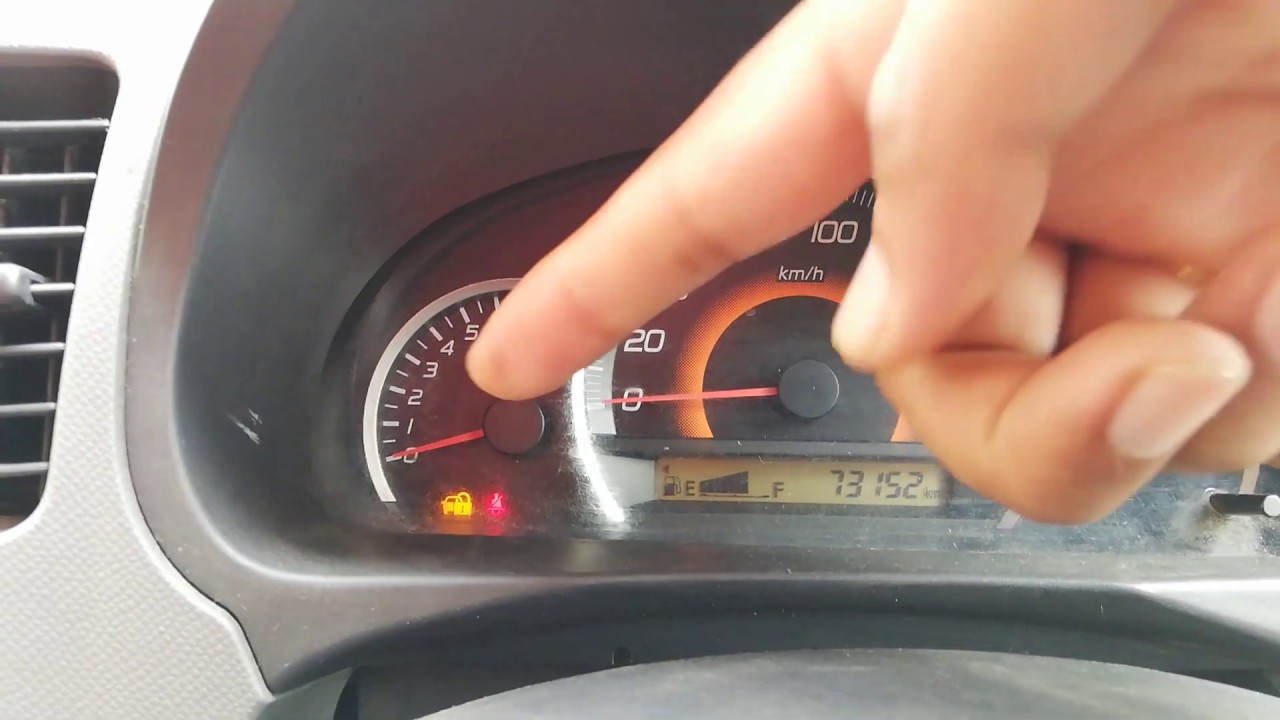
That subtle, blinking red light you see on your dashboard or door panel after locking your car isn’t a malfunction or a leftover diagnostic. In almost every modern vehicle, it’s a clear, intentional signal: your car’s security system, whether an alarm or an immobilizer, is fully armed and active. It’s designed to be noticed.

This blinking light is actually a very important, multi-functional indicator. It provides you with immediate visual confirmation that your vehicle is protected, and perhaps more crucially, it serves as a powerful deterrent to potential thieves. Understanding its purpose can offer peace of mind, knowing your car is doing its job to stay secure.
Understanding the Purpose of a Blinking Red Light Post-Locking


When you lock your car and observe that steady, rhythmic flash of a small red light, you are witnessing a deliberate design choice by automotive manufacturers. This isn’t just a random indicator; it’s a core component of your vehicle’s integrated security architecture. Its primary purpose revolves around two critical aspects: deterrence and confirmation.
A Visual Deterrent in Action
The blinking red light acts as an immediate, undeniable warning to anyone approaching your vehicle with ill intent. Think of it as a small, silent guard constantly on duty. Thieves, especially opportunists, are always looking for the easiest targets. A car openly signaling its active security system becomes significantly less appealing.
- First Line of Defense: It instantly communicates that the vehicle is not an “easy target.” This visual cue often makes a thief reconsider and move on to an unprotected car.
- Psychological Impact: The constant flash implies active monitoring and a potential audible alarm, increasing the perceived risk for anyone attempting to break in.
- Universal Recognition: Most people, including those with criminal intent, understand what this light signifies – an armed security system. It’s a universally recognized symbol of protection.
Studies and anecdotal evidence from law enforcement consistently show that vehicles with visible security indicators, like a blinking light, are statistically less likely to be targeted for theft or vandalism compared to those that show no signs of protection. It’s a low-cost, high-impact security feature that leverages human psychology to protect your asset effectively.
Confirmation of System Engagement
Beyond deterring others, the blinking red light provides you, the owner, with crucial reassurance. It’s your visual confirmation that when you pressed that lock button on your key fob or manually locked the doors, the car’s integrated security systems properly engaged. There’s no guesswork involved.
- Immediate Feedback: Within moments of locking, you get tangible proof that the alarm and/or immobilizer has transitioned from a disarmed state to an active, protective mode.
- Normal Operation: This blinking is not a fault or a warning. It is, in fact, the expected and correct behavior of your car’s security features working as intended. If you don’t see the light blink after locking, that might actually be a cause for concern, suggesting the system didn’t arm properly.
- Peace of Mind: Knowing that your vehicle is actively protecting itself against unauthorized entry or starting allows you to leave it parked with greater confidence. You’re not just locking doors; you’re activating a sophisticated defense mechanism.
This blinking light typically indicates that various sensors (door, hood, trunk sensors) are now active, ready to trigger an alarm, and that the engine immobilizer is engaged, preventing the car from being started without the correct transponder key. It’s an integral part of modern vehicle security, designed for both practical protection and owner assurance.
The Role of Car Security Systems and Immobilizers in Modern Vehicles


Modern cars are far more complex than their predecessors, and their security systems have evolved dramatically beyond simple sirens. The blinking red light is the visible tip of an advanced iceberg, signifying the activation of sophisticated layers of protection, primarily the car alarm and, more importantly, the engine immobilizer.
Beyond a Simple Alarm
While many people use the term “car alarm” broadly, today’s vehicle security systems encompass much more than just a loud siren. An alarm typically triggers an audible warning when unauthorized entry is detected (doors opened, glass broken, impact sensed). However, the real game-changer in preventing theft has been the widespread integration of the engine immobilizer.
- Engine Immobilizer Defined: This is an electronic security device that prevents the engine from running unless the correct key or key fob, with its unique transponder chip, is present and recognized by the car’s computer system. Even if a thief manages to pick a lock or hotwire the ignition, the immobilizer will prevent the engine from starting.
- Integrated Protection: Most modern cars, especially those built in the last two decades, combine an alarm system with an immobilizer as standard equipment. The blinking red light often confirms that both of these critical systems are armed.
- Government Mandates: Many countries have made engine immobilizers mandatory for new vehicles due to their proven effectiveness in reducing car theft rates significantly. This highlights their importance beyond just an optional extra.
Therefore, when you see that light blink, you’re not just confirming an alarm is armed; you are confirming a far more robust system that actively prevents the car from being driven away, even if entry is gained. This multi-layered approach to security provides a much higher level of protection than a siren alone could ever offer.
How the Blinking Light Connects
The blinking red light is the simplest and most direct line of communication from your car’s sophisticated security brain to you. It’s the visual testament that all these advanced systems have indeed entered their armed state and are actively protecting your vehicle. It directly signifies the successful engagement of preventative measures.
- Direct System Status: The light directly indicates that the car’s Electronic Control Unit (ECU) has received the “lock” command and has subsequently activated the alarm sensors and, critically, engaged the engine immobilizer circuit.
- Universal Indicator: Regardless of your car’s make or model, this blinking light almost universally points to the same thing: active security. Some cars might have different blink patterns (e.g., rapid blink for a few seconds then slow, steady blink), but the core message remains consistent.
- Beyond an Audible Confirmation: While some cars chirp or flash their exterior lights upon locking, the sustained blinking red light is your ongoing visual proof, especially if you’re out of earshot or visual range of the external lights. It’s a continuous reminder of your car’s protected status.
So, the next time you glance back at your parked car and see that small red light flashing, you can rest assured. It’s not a warning; it’s your car diligently communicating that its multi-faceted security system is fully engaged, doing its vital job to deter theft and keep your vehicle safe from unauthorized use.
Distinguishing Normal Blinking Behavior from Potential Issues
Understanding your car’s security light means recognizing its typical patterns. Most of the time, that red blink is a sign of a job well done. But sometimes, it can be a subtle messenger pointing to a less-than-ideal situation. Knowing the difference empowers you to act appropriately.

When Blinking is Good News
A consistent, rhythmic blink is almost always a positive indicator. This means your car’s immobilizer or alarm system is fully engaged and protecting your vehicle. Think of it as a silent sentinel, ever-vigilant. After you lock your doors and walk away, the light should typically start its steady pulse within a few seconds. There might be a brief flurry of blinks immediately after locking as the system arms itself, but then it should settle into a predictable rhythm. This regular pattern is what provides that comforting sense of security.
- Steady, predictable rhythm: Often a one-second on, one-second off pattern.
- Starts promptly after locking: The system arms itself almost immediately.
- No other dashboard warnings: The security light is the only unusual indicator.
If your car exhibits these traits, you can rest assured your vehicle is likely well-protected against unauthorized starts or entry.
Signs That Something Might Be Amiss
While a normal blink is reassuring, deviations from this pattern warrant attention. If the red light blinks erratically, too quickly, too slowly, or not at all when it usually does, it could be signaling an underlying problem. This isn’t necessarily an emergency, but it’s an invitation to investigate further. For instance, a very rapid blink often suggests that a door, trunk, or hood sensor believes something is ajar, preventing the system from fully arming. Alternatively, if the light used to blink and now doesn’t, the security system might not be engaging at all.
Keep an eye out for these potential red flags:
- No blinking at all: If the light normally blinks but is now completely dark after locking.
- Erratic or inconsistent blinking: Patterns that change randomly, or very rapid, non-stop flashing.
- Blinking accompanied by other warnings: Check if other dashboard lights are illuminated or if a chime sounds.
- Car fails to start: If the blinking light accompanies an inability to start the engine, it points directly to an immobilizer issue.
- System disarms unexpectedly: The alarm goes off without a clear trigger.
These deviations suggest that the security system isn’t functioning as intended, and it might be less effective at protecting your car.
Leveraging Your Owner’s Manual and When to Seek Professional Advice
When in doubt, your car’s owner’s manual is an invaluable resource. It’s specifically tailored to your vehicle’s make and model, offering the most accurate information on its security features and what its various indicator lights mean. Don’t underestimate its power to demystify complex vehicle behaviors.
Your Owner’s Manual: The Ultimate Guide
Every car is a little different, and what’s normal for one vehicle might be an alert for another. Your owner’s manual contains sections dedicated to the security system, immobilizer, and dashboard warning lights. It will typically explain the exact blinking patterns for armed, disarmed, or fault conditions specific to your car. You might find a physical copy in your glove compartment, or often, a digital version can be downloaded from the manufacturer’s website. A quick search for terms like “security light,” “immobilizer,” or “anti-theft system” can usually lead you straight to the relevant information.
Consider these tips when using your manual:
- Locate relevant sections: Look for “Security System,” “Immobilizer,” “Indicator Lights,” or “Troubleshooting.”
- Understand model-specific details: The manual explains unique features and blinking codes for your car.
- Check online if physical copy is missing: Most manufacturers provide PDF versions of their manuals on their websites.
A few minutes spent with your manual can often clear up any confusion and help you determine if the blinking is normal or a cause for concern.
When to Call in the Experts
While your owner’s manual is a great starting point, there are times when professional expertise is genuinely needed. If the blinking pattern indicates a problem that the manual doesn’t clearly address, or if you’re experiencing other symptoms like difficulty starting the car, unexpected alarm activations, or persistent warning lights alongside the blinking, it’s time to consult with professionals. Attempting to fix complex electrical or security system issues without proper training and tools can lead to further damage or even compromise your vehicle’s safety features.
Seek professional advice if:
- Owner’s manual doesn’t resolve the issue: The problem persists despite consulting the guide.
- Persistent irregular blinking: The light consistently shows an abnormal pattern.
- Car won’t start: This is a strong indicator of an immobilizer fault.
- Other warning lights appear: Multiple warning indicators suggest a broader issue.
- Unexplained alarm activations: The car alarm frequently triggers without a clear cause.
- Lack of confidence in self-diagnosis: If you’re unsure, it’s always better to be safe.
A certified mechanic or dealership technician has the diagnostic tools and specialized knowledge to accurately identify and repair issues with your car’s security system, ensuring your peace of mind and your vehicle’s safety.
Conclusion
The blinking red light in your car after locking is far more than just a decorative flash; it’s a vital communication from your vehicle’s security system. Understanding whether this blink is a normal sign of protection or a subtle alert to a potential issue is key to maintaining your car’s safety and your peace of mind. By familiarizing yourself with your car’s normal blinking patterns and knowing when to consult your owner’s manual or a professional, you empower yourself to react appropriately and keep your vehicle secure.
So, the next time you lock up and see that red light blink, you’ll know exactly what message it’s sending. Drive confidently, knowing your car’s vigilant guardian is watching over it.
❓ Frequently Asked Questions
Why do cars have a red light that blinks after being locked?
The blinking red light is a crucial component of most modern car security systems, including alarms and immobilizers. Its primary function is to visually signal that the vehicle’s anti-theft measures are active, deterring potential thieves and confirming to the owner that their car is protected.
Is it always a good sign when the red light blinks after locking?
In almost all cases, a blinking red light after locking is a good sign, indicating your car’s security system is armed and functioning correctly. It’s a standard feature designed to provide peace of mind and act as a deterrent.
What is the difference between a security system and an immobilizer regarding the blinking light?
While often working together, a security system (alarm) typically monitors for forced entry, whereas an immobilizer prevents the engine from starting without the correct key or transponder. The blinking light can indicate either or both systems are armed and ready to protect the vehicle.
When should I be concerned about the red light blinking pattern?
You should only be concerned if the blinking pattern suddenly changes (e.g., blinks much faster, slower, or in a different sequence than usual) or if it remains constantly on or off when it should be blinking. Such changes might indicate a fault or issue with the security system.
Can the blinking light prevent car theft effectively?
While no security measure is foolproof, the blinking light is a recognized visual deterrent. It signals to potential thieves that the car is not an easy target due to an active security system, often prompting them to seek an easier mark.
Should I check my owner’s manual for specific details about the blinking red light?
Absolutely. Your car’s owner’s manual will provide specific details about your model’s security system, including the exact meaning of different blinking patterns, their functions, and any troubleshooting advice unique to your vehicle.