Freightliner Columbia Cruise Control Not Working: Diagnosed & Fixed
Is your Freightliner Columbia refusing to hold speed on the long haul? Few things are more frustrating for an owner-operator or fleet driver than a cruise control system that refuses to engage, especially when you are thousands of miles from home. When your Freightliner Columbia cruise control is not working, it is rarely just a “bad button.” It is almost always a system-wide safety interlock or signal failure that prevents the Engine Control Module (ECM) from fulfilling your request. This guide covers how to diagnose and fix the electrical, sensor, and ECM-related issues causing your cruise control failure.
Understanding the Freightliner Columbia Cruise Control Logic


📤 Share Image

ECM Parameters and Speed Governing Logic
The cruise control system in a Freightliner Columbia is not a standalone component; it is a software-driven function embedded within the Engine Control Module (ECM). The ECM governs speed by monitoring a set of rigid parameters. When you toggle the “Set/Coast” or “Resume/Accel” switches, you are sending a low-current request to the ECM. If the ECM sees the vehicle speed is within a programmed range (typically between 30 and 80 mph) and receives no “interrupt” signals, it maintains the throttle position to hold your speed.

The Role of Brake and Clutch Interlock Switches
The system relies on an “interlock” signal to immediately disengage cruise control for safety. The brake pedal and clutch pedal are equipped with air or electrical switches. If the ECM detects even a micro-second of activation from either switch, it kills the cruise function. A “lazy” or misadjusted clutch switch is a common culprit; if the switch clearance is too tight, engine vibrations can create intermittent signal drops, causing the cruise control to “kick out” unexpectedly.

How Fault Codes and ABS Disrupt Cruise Functionality
The Freightliner Columbia uses the J1939 data link to communicate between the ABS module and the ECM. Research indicates that if the ABS/Traction Control system detects a sensor failure—such as a wheel speed sensor outputting erratic data—it broadcasts a “fault active” status. Because the ECM cannot verify vehicle speed reliably without this data, it automatically inhibits cruise control. A common scenario involves a damaged ABS tone ring; while the truck may drive normally, the ECM disables cruise control to prevent unintended acceleration based on flawed velocity telemetry.
Diagnosing Freightliner Columbia Cruise Control Not Working Faults
Before you begin replacing parts, you must approach the failure systematically. Randomly swapping switches is a costly and often ineffective workaround.
- Reading Diagnostic Trouble Codes (DTCs): Always connect a diagnostic tool to the OBDII or Deutsch diagnostic port first. Look for “inactive” codes related to clutch or brake switches, as these often point to intermittent electrical shorts.
- Testing Steering Column Switch Continuity: The cruise switches on the dashboard or steering column are often low-current triggers. Use a multimeter to verify that when the switch is depressed, it provides the required ground or signal voltage to the ECM.
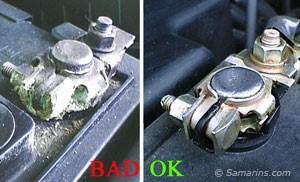
- Identifying Ground Wire Corrosion: Inspect the Freightliner chassis harness ground points, particularly those near the firewall and the transmission bellhousing. Corrosion here can increase resistance, leading to signal degradation that causes intermittent cruise failure.
- Visual Harness Inspection: Trace the harness from the brake/clutch switches back to the main chassis harness. Look for rubbed-through insulation or chafing, which is common in high-vibration heavy-duty applications.
Industry Data: Common Failure Points
Brake/Clutch Switch Faults
Wiring Harness/Ground Issues
Step-by-Step Fixes for Freightliner Cruise Control Failures
📋
Step-by-Step Guide
If the pedal has play, the sensor may be triggered by vibrations. Adjust the lock nut on the clutch pedal linkage to ensure the switch plunger is fully depressed when the pedal is at rest. A gap of more than 1/8 inch is typically too loose.
A “lazy” switch often leaks internal air pressure, failing to signal the ECM that the brakes are released. Replace the switch located near the treadle valve. Always test for proper contact closure using a continuity setting on your multimeter.
The Vehicle Speed Sensor (VSS) sits on the transmission tailshaft. Road grime and oil buildup in the connector cause erratic VSS pulses. Use contact cleaner to thoroughly flush the pins, then apply dielectric grease to prevent future oxidation.
Advanced Troubleshooting for Complex Cruise Issues
Navigating J1939 Data Link Communication Issues
If your hardware checks out, the issue likely lies within the digital communication loop. The J1939 data link is a twisted-pair network. If one of these wires is frayed, the “data noise” can prevent the ECM from receiving the cruise control signal. You may need to check the termination resistors at the ends of the J1939 backbone to ensure the network is balanced. Without a stable 120-ohm resistance across the link, communication will be corrupted.
Updating ECM Parameters and Settings
Sometimes, the fix is purely digital. If the truck underwent a recent transmission swap or an ECM flash, the cruise control parameters might be set to “disabled.” Using professional-grade diagnostic software like Freightliner ServiceLink, you can view the live parameters. Look for the “Cruise Enable” status—if the ECM is not seeing the “On/Off” switch toggle even when you press the button, you have successfully isolated the problem to the switch or its immediate wiring path.
Avoid bypassing safety switches like the clutch or brake switches. These are essential safety interlocks. Bypassing them removes the ECM’s ability to kill engine power during a braking event, which poses a severe risk to driver safety and vehicle control.
Summary and Final Recommendations
When your Freightliner Columbia cruise control is not working, do not fall into the trap of replacing sensors without verification. Always start with an active code scan rather than guessing at parts. Most cruise issues are rooted in signal interruptions from the brake or clutch sensors, and electrical grounds or harness wear are frequently overlooked in older, high-mileage units.
If your cruise control remains non-functional after these checks, take your vehicle to a certified Freightliner facility to perform a deep J1939 diagnostic scan. This will help you identify if the issue is a deeper communication failure or a hidden fault within the Engine Control Module itself, preventing further damage to your safety systems.
✅ Successful Repair Pro-Tips
- Use dielectric grease on all switch replacements.
- Check harness integrity at the frame rail clips.
- Ensure battery voltage is stable (low voltage can trigger false ECM faults).
❌ Avoid These Mistakes
- Replacing parts before scanning for DTCs.
- Bypassing or bridging safety sensors.
- Ignoring “inactive” engine codes during diagnosis.
Freightliner Columbia Cruise Control Not Working: Frequently Asked Questions
Why does my cruise control only work intermittently?
Intermittent operation is typically caused by a loose wire or a failing brake pedal switch that is overly sensitive to road vibrations. If the system detects even a momentary signal from the brake circuit, it will immediately cancel the cruise command. Inspect the wiring harness for signs of wear or chafing, particularly near the pedal assembly and steering column tilt mechanism.
Does a faulty brake switch disable the cruise control?
Yes, the brake light switch is a primary safety circuit for the cruise control system. The system requires a ‘normally closed’ circuit to remain active. If the switch fails or is misaligned, the cruise system assumes the brake is depressed and prevents the feature from engaging. Checking the gap and electrical integrity of this switch is the first step in any diagnostic procedure.
Can a low coolant sensor cause the cruise to shut off?
In some Freightliner Columbia configurations, if the engine control module receives a critical fault—such as an engine protection trigger from a low coolant sensor—it may inhibit certain features, including cruise control, to prevent overheating. While this is less common than switch failures, checking for engine-related dashboard warning lights is vital to rule out active engine protection protocols.
Do I need a diagnostic tool to reset the cruise function?
Not necessarily for basic mechanical faults. If you replace a faulty brake switch, the system will usually recognize the repair immediately. However, if the cruise function is disabled due to a software-locked error code within the VECU, you will need a heavy-duty scan tool capable of accessing the J1939 communication protocol to clear the codes and restore system functionality.
Why does my cruise control disengage when I hit a bump?
Disengagement on impact is a classic symptom of an electrical ‘open’ or ‘short’ in the circuit. When you hit a bump, physical vibration causes a loose connector, a worn wire harness, or a misadjusted brake switch to momentarily trigger a ‘brake active’ signal. This signals the ECU to drop the cruise control for safety. Focus on securing connectors and checking for wire continuity.