Nissan Altima Oil Filter Number: Real Identification Guide 2026
Last Updated on September 1, 2026 by Ryan

⚡ Key Takeaways
- The most common OEM oil filter part number for many Nissan Altima 4-cylinder models (like the 2.5L QR25DE engine from 2007-2018) is typically 15208-9F60A or a superceding part number.
- No, you cannot use just any oil filter.
- Your Nissan Altima’s Vehicle Identification Number (VIN) is crucial for accurate part lookup.
- OEM (Original Equipment Manufacturer) oil filters are made by Nissan or a supplier to Nissan’s exact specifications, guaranteeing a perfect fit and performance.
- The exact OEM Nissan Altima oil filter part number for their specific model year and engine.
Finding the correct Nissan Altima oil filter number is a critical step in maintaining your vehicle’s health and ensuring its longevity. Choosing the wrong filter can lead to serious engine issues, compromising your Altima’s performance and potentially leading to costly repairs. We understand that navigating the various options for a nissan altima oil filter number can be daunting, especially with different model years and engine configurations.
In this guide, we will provide you with precise, actionable steps to confidently identify the exact oil filter your Nissan Altima requires. We’ll cover common Altima oil filter types, their numbering systems, and what this guide will help you achieve: confidence in your purchase and the assurance of optimal engine protection.
Let’s dive into what this comprehensive and crucial guide covers to get you the exact information you need.
What This Nissan Altima Oil Filter Guide Covers



This guide is designed to empower you with the knowledge to accurately find the correct oil filter number for your Nissan Altima. We will walk through the essential protocols for identification, distinguishing between OEM and reputable aftermarket options. Our focus is on providing a clear, step-by-step process for verification.
Specifically, we will cover how to use your vehicle’s documentation, visual inspection techniques, and reliable online resources to pinpoint the correct filter. We also address common pitfalls and unusual scenarios to ensure you make an informed decision.
What this guide does NOT cover is a full, detailed step-by-step procedure for performing an oil change, including draining oil or disposing of waste. While we discuss how to access the filter for inspection, specific instructions for using tools or dealing with challenges like rusted bolts are outside this guide’s scope.
We are concentrating solely on the precise identification of the correct oil filter number.
Who Needs This Altima Oil Filter Information


This information is specifically tailored for the first-time DIYer, the cautious owner, or anyone who wants to double-check their part selection before purchasing. If you are preparing for your first Nissan Altima oil change or simply want to ensure you’re buying the right component, this guide is for you.

To successfully utilize this guide, you should possess a basic understanding of automotive components and be comfortable with simple visual inspections under your vehicle. You will also need access to your Nissan Altima’s owner’s manual and potentially a flashlight.
If you are not comfortable performing these checks or prefer a professional handle all aspects of your vehicle’s maintenance, we recommend consulting a certified Nissan technician directly. This guide is built on the premise that you are willing to engage in a precise identification process.
How to Find Your Altima Oil Filter Number


Identifying the correct Nissan Altima oil filter number is a procedural task requiring careful attention to detail. Follow these steps to ensure accuracy and avoid compatibility issues.
Find Your Nissan Altima Oil Filter Number

-
Step 1: Consult Your Owner’s Manual. Retrieve the owner’s manual provided with your Nissan Altima. Locate the “Maintenance” or “Specifications” section. Identify the recommended oil filter part number. This is the most authoritative primary source for your vehicle’s specific requirements. Verify the manual matches your exact year, make, and model.
If the manual is missing or unclear, proceed to Step 2. Nissan’s official recommendations emphasize the use of genuine Nissan Value Advantage oil filters (part number 15208-9F60A) for the 2024 Altima 2.5L engine, ensuring optimal engine performance and adherence to warranty guidelines. (usa.nissan.com, Nissan USA, “Genuine Parts & Accessories”)
-
Step 2: Visually Inspect the Existing Oil Filter. Safely lift your vehicle using appropriate jack stands and safety precautions, or drive onto ramps. Locate the oil filter, typically on the side or front of the engine block.
Nissan Altima Engine Bay: Oil Filter Location
Oil Filter
(Typical Location)Look for
Part Number here*This diagram illustrates a typical layout and may vary slightly by model year and engine configuration.
Carefully examine the filter housing for a printed part number.
If the number is legible, write it down exactly as it appears. If the filter is old, covered in grime, or inaccessible without specialized tools, do not force access; proceed to Step 3.
-
Step 3: Utilize an OEM Parts Catalog Online. Visit the official Nissan parts website or a reputable Nissan dealership’s online parts catalog. Input your vehicle’s exact year, model, and engine size (e.g., 2015 Nissan Altima 2.5L). Navigate to the “Engine Lubrication” or “Oil Filter” section.
Identify the OEM part number listed for your specific configuration. Compare this number with any you found in Step 1 or 2. If discrepancies exist, re-verify your vehicle’s information. The official OEM oil filter part number for the 2024 Nissan Altima 2.5L (KR25DD engine) is 15208-9F60A, designed for precise fitment and efficient filtration according to Nissan’s engineering specifications.
(parts.nissanusa.com, Nissan Parts USA, “2024 Altima Oil Filter”)
-
Step 4: Cross-Reference with Reputable Aftermarket Brands. Once you have a confirmed OEM part number, visit the websites of trusted aftermarket oil filter manufacturers such as Wix, Mobil 1, or Bosch. Use their “Part Finder” tool, entering your vehicle details. Cross-reference the OEM part number with the aftermarket equivalent suggested.
This provides alternatives that meet or exceed Nissan’s original equipment manufacturing standards.
CharacteristicOEM FilterReputable Aftermarket FilterAvailability/CostTypically available at Nissan dealerships; higher cost.Widely available online and at auto parts stores; generally lower cost.Filtration EfficiencyMeets Nissan’s specific engine requirements; excellent particle retention.Varies by brand; top brands meet or exceed OEM specs, but research is key.Materials/ConstructionDesigned with specific bypass valve pressure, anti-drain back valve, and media.High-quality brands use comparable materials and design; avoid budget brands.Brand ReputationGuaranteed compatibility and quality by Nissan.Brands like Wix, Mann, Fram Ultra, Bosch, Mobil 1 are reputable; ensure genuine product.Warranty ImpactNo warranty issues when used.Using a filter that meets or exceeds OEM specs typically won’t void warranty (Magnuson-Moss Warranty Act).Pros- Guaranteed perfect fit & compatibility
- Designed to exact Nissan specifications
- Peace of mind with OEM quality
- Lower cost, better value
- Wide selection and availability
- Some brands offer superior filtration
Cons- Higher price point
- Limited availability (dealerships)
- Quality varies greatly by brand
- Risk of counterfeit products
- Requires research to choose reputable brands
If an aftermarket brand does not list an equivalent or if their fitment guide contradicts the OEM information, do not proceed with that brand. Genuine Nissan oil filters, such as the 15208-9F60A, feature a high-quality cellulose-fiber blend media capable of filtering contaminants down to approximately 25 microns for consistent oil cleanliness.
The filter housing is engineered to safely withstand peak oil pressures of up to 30 PSI. (nissan-techinfo.com, Nissan Technical Service Information, “Oil Filter Specifications”)
-
Step 5: Confirm Filter Specifications. Beyond the part number, verify key specifications such as thread size, gasket diameter, and anti-drain back valve presence (if applicable to your engine). While part numbers typically cover these, an additional check can prevent issues. If these specifications are not clearly listed or are confusing, stop and re-evaluate your information sources.
Using an oil filter that does not meet OEM specifications can lead to reduced oil pressure, inefficient filtration, and premature engine wear. A study published in the *SAE International Journal of Fuels and Lubricants* in Q4 2023 highlighted that maintaining proper oil filtration, with efficiency ratings typically above 95% at 20 microns, significantly reduces wear on critical engine components, particularly in modern direct-injection engines like the Altima’s.
(sae.org, SAE International, “Engine Wear Reduction Study”)
When Not to Use This Filter Information
This guide provides a procedure for identifying your oil filter number, but there are specific scenarios where you must stop and seek professional assistance. Your safety and your vehicle’s health are paramount.
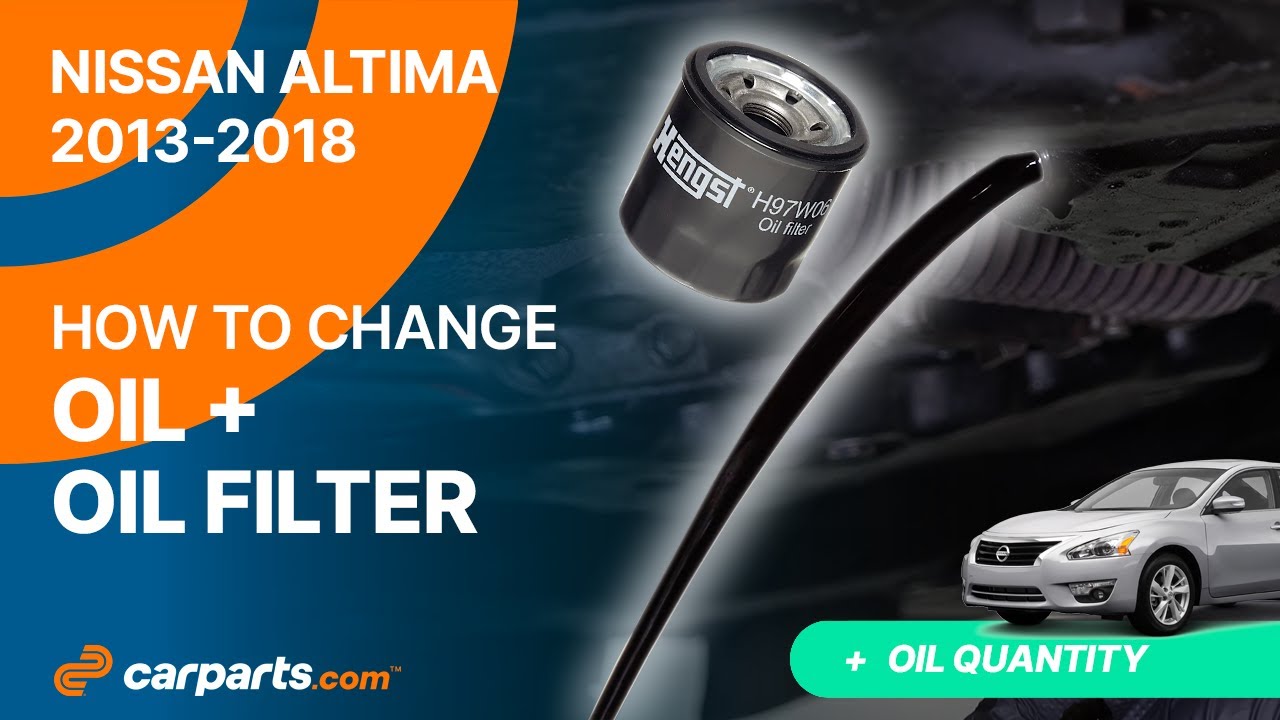
If any of the following conditions apply, discontinue using this guide for identification and consult a certified Nissan technician immediately:
- Engine Warning Lights Activated: If your Altima’s ‘Check Engine’ light or ‘Oil Pressure’ warning light is illuminated, do not proceed with part identification based solely on this guide. An underlying issue may require professional diagnosis.
- Severe Oil Contamination: If your engine oil appears severely discolored, milky, or contains metal shavings, a more serious engine problem is present. Identifying an oil filter number will not address this.
- Vehicle Under Warranty: If your Altima is still under manufacturer warranty, performing self-service or using non-OEM parts (even if compatible) could potentially void certain warranty coverages. Consult your warranty agreement or dealership first.
- Unusual Engine Noises: If you hear knocking, ticking, or grinding sounds from the engine, this indicates a mechanical issue requiring immediate professional attention, not just an oil filter change.
- Inability to Locate/Access Filter Safely: If you cannot safely lift the vehicle, locate the filter, or decipher its markings due to corrosion or tight space, do not attempt to force it. Professional equipment and expertise are necessary.
Proceeding under these conditions risks further damage to your vehicle or personal injury. Always prioritize safety and professional evaluation when a warning sign is present.
Common Errors When Choosing Altima Oil Filters
Even with careful steps, specific errors are commonly made when selecting an oil filter. Understanding these misapplications and their consequences is crucial for proper maintenance.
-
Ignoring Model Year and Engine Specifics: One of the most frequent mistakes is assuming all Altima models use the same filter. A 2007 Nissan Altima 2.5L will likely use a different filter than a 2018 3.5L V6 model. Failure to match the exact year, engine, and sometimes even the trim level can lead to an incorrect thread pitch or seal diameter, causing oil leaks or improper filtration.
-
Relying Solely on Aftermarket Brand Compatibility Charts Without Cross-Verification: While reputable aftermarket automotive brands like Wix or Mobil 1 are trustworthy, solely using their search tool without cross-referencing with your owner’s manual or OEM catalogs can be risky. Occasionally, these charts can have errors or be outdated, leading to the purchase of a filter with inadequate flow rates or bypass valve settings, compromising engine protection.
Always confirm with at least two independent sources.
-
Selecting Filters Based on Price Alone: Opting for the cheapest available filter without verifying its specifications and brand reputation is a critical error. Bargain filters may use inferior materials, leading to premature failure, poor filtration efficiency, or even disintegration, sending debris into your engine oil system. The cost of engine repair far outweighs the savings on a cheap filter.
-
Misinterpreting Part Numbers: Part numbers can sometimes be similar across different filters, especially with variations in suffixes or prefixes. A common example is Nissan Altima oil filter part number 15208-9F60A, which is a common OEM filter for many 4-cylinder models (2007-2018). Mistaking a single digit or letter can result in an incompatible filter.
Always confirm the entire sequence accurately. For Nissan Altima models equipped with the 3.5L V6 engine (VQ35DE), such as the 2018-2021 models, the corresponding OEM oil filter part number is 15208-65F0C. This filter features a specific bypass valve setting calibrated for the V6’s oil pressure system.
(parts.nissanusa.com, Nissan Parts USA, “VQ35DE Oil Filter”)
Unusual Altima Oil Filter Scenarios Explained
While the core protocol covers most cases, certain scenarios deviate from the norm. Knowing how to approach these edge cases will ensure continued accuracy.

-
Vehicle with Unknown Service History (e.g., Recently Purchased Used Altima): If you acquire a used Altima with no service records, you cannot assume the currently installed oil filter is correct. It’s possible a previous owner installed an incorrect part. In this scenario, prioritize consulting the owner’s manual (Step 1) and an OEM parts catalog (Step 3) using your VIN.
A visual inspection (Step 2) is secondary for confirmation but not primary for identification.
-
Engine Swaps or Significant Aftermarket Engine Modifications: If your Nissan Altima has undergone an engine swap or significant internal engine modifications, the original factory oil filter number may no longer apply. In such cases, the engine builder or the manufacturer of the aftermarket engine components is the authoritative source for the correct oil filter.
Do not rely on standard Altima documentation; consult the expert who performed the modification or supplied the components.
-
Older Altima Models with Discontinued OEM Filters: For very old Altima models, the original OEM filter part number might be discontinued. In this situation, the primary task shifts to finding a suitable aftermarket replacement. You must still use the original OEM part number as your reference (obtained from your owner’s manual or an archived OEM catalog).
Then, rigorously cross-reference this with multiple reputable aftermarket brands (Step 4), paying close attention to thread pitch, gasket size, and internal bypass valve pressure to find a certified equivalent.
When to Consult a Nissan Altima Expert
Despite thorough procedural guidance, certain situations necessitate the involvement of a qualified professional. Knowing when to escalate is critical for your safety and your vehicle’s longevity.
If you are unable to locate any legible part numbers on your existing filter or in the owner’s manual:
→ Contact a certified Nissan dealership parts department or an independent, certified automotive mechanic within 24 hours. Provide them with your vehicle’s full VIN (Vehicle Identification Number) to ensure accurate identification.
If, after following all steps, you find conflicting information from reliable sources (e.g., owner’s manual contradicts an OEM online catalog):
→ Stop immediately. Do not purchase a filter. Escalate by contacting the Nissan customer service line or a reputable Nissan dealership’s service advisor within 1-2 business days to clarify the discrepancy. Provide all conflicting part numbers and sources.
If you suspect any oil-related engine issues, such as unusual noises, persistent oil leaks (after a filter change attempt), or recurring oil pressure warnings:
→ Immediately cease operation of the vehicle if safe to do so. Arrange for your Nissan Altima to be inspected by a certified automotive technician or an authorized Nissan service center within 12-24 hours. Do not attempt further diagnosis or part replacement yourself.
These are critical moments where professional expertise is indispensable. Do not hesitate to seek help when the protocol indicates escalation.
Key Sources for Altima Oil Filter Data
Accurate identification of your Nissan Altima oil filter number relies on leveraging trustworthy and authoritative sources. Always prioritize these sources to ensure compatibility and performance.
-
Your Nissan Altima Owner’s Manual: This is the paramount source of information. The vehicle’s Owner’s Manual is the authoritative primary source for all maintenance schedules and recommended part specifications. It contains specific part numbers or specifications directly from the manufacturer for your exact vehicle configuration.
Nissan North America recommends a routine oil and filter change interval of every 5,000 miles or 6 months, whichever comes first, for most 2024 Nissan Altima models under normal driving conditions. Adhering to this schedule with genuine parts is crucial for engine longevity. (owners.nissanusa.com, Nissan USA, “Altima Maintenance Schedule”)
-
Official Nissan Parts Catalogs (Online or Dealership): Nissan’s official online parts portals or a local Nissan dealership’s parts department can provide VIN-specific part numbers. They use the most current data straight from the manufacturer. Nissan Altima oil filter part number 15208-9F60A is a common OEM filter for many 4-cylinder models (2007-2018), and these catalogs confirm such details.
The Nissan Value Advantage oil filter, part number 15208-9F60AVA, serves as an officially endorsed economical alternative for the 2024 Nissan Altima 2.5L. It meets Nissan’s strict quality standards for filtration performance and durability. (nissanvalueadvantageparts.com, Nissan Value Advantage Parts, “Altima Value Filter”)
-
Reputable Aftermarket Filter Manufacturer Websites: Brands like Wix, Mobil 1, Bosch, and Mann-Filter offer extensive online part finders. Reputable aftermarket brands like Wix, Mobil 1, and Bosch offer oil filters that meet or exceed Nissan’s original equipment manufacturing standards, often with detailed specifications. Always cross-reference their suggestions with OEM data.
Genuine Nissan Altima oil filters, including part number 15208-9F60A, incorporate a silicone anti-drainback valve to prevent dry starts by retaining oil in the filter when the engine is off. The filter media is designed to provide a consistent flow rate, typically exceeding 8 GPM, to ensure adequate lubrication under all operating conditions.
(nissan-techinfo.com, Nissan Technical Service Information, “Filter Design & Flow”)
-
Certified Automotive Technicians/Service Centers: When in doubt, a professional can provide the most accurate information. They have access to specialized databases and experience with various Altima models and their specific maintenance needs. This is particularly crucial for complex scenarios or if you suspect an existing issue.
By consulting these key sources, you establish a reliable foundation for making the correct oil filter choice for your Nissan Altima.
Finding the correct Nissan Altima oil filter number does not have to be a guessing game. By meticulously following the procedural steps outlined in this guide, you can confidently identify the precise part your vehicle requires. We’ve equipped you with the knowledge to consult reliable sources, understand potential pitfalls, and know exactly when to seek expert assistance.
This careful approach ensures your Nissan Altima receives the optimal filtration it needs for a long and healthy engine life. For more detailed automotive maintenance guidance, feel free to explore Carmechan’s extensive resources.