Chrysler 200 TPMS Reset Button Location: Clarified & Solved
Seeing a Tire Pressure Monitoring System (TPMS) warning light on your Chrysler 200 dashboard can be stressful, especially when you are searching for a solution and cannot locate a reset button. Many owners waste valuable time scouring the glove box, footwell, and owner’s manual for a physical button that simply does not exist. This guide clarifies how the Chrysler 200 TPMS system functions and provides the exact steps required to clear the warning light using the built-in auto-learn procedure.
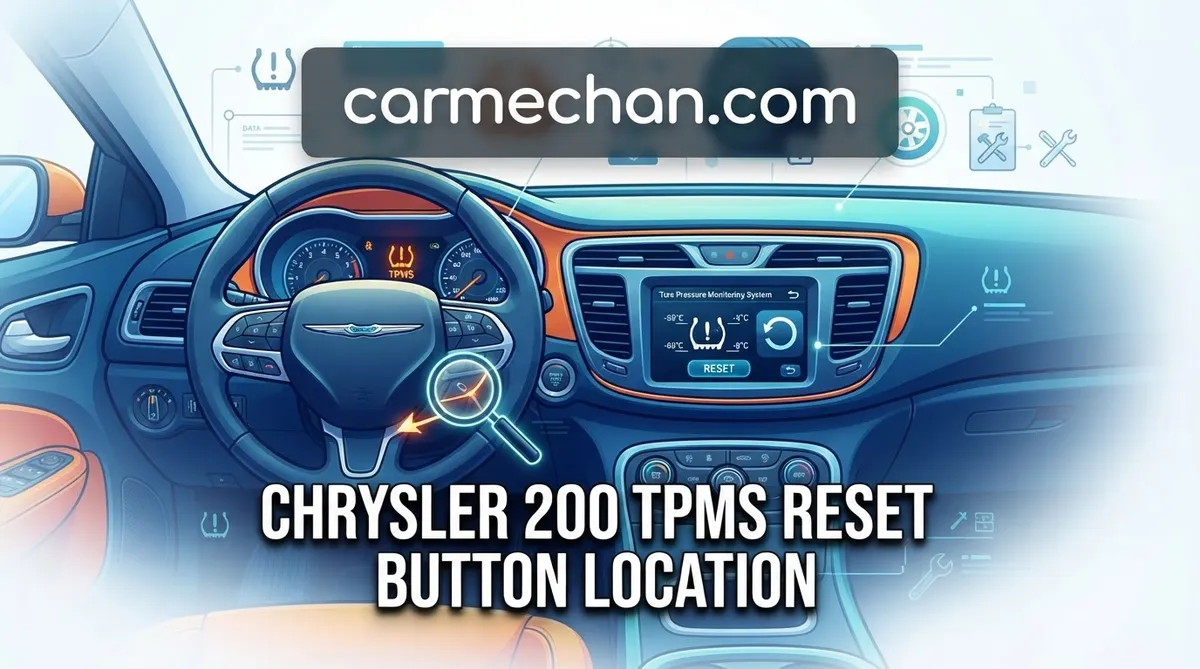
Debunking the Chrysler 200 TPMS Reset Button Location Myth


📤 Share Image

Why No Physical Reset Button Exists
In the automotive world, confusion often stems from legacy vehicle designs. Many older vehicles or specific import models utilize a physical reset button located under the steering column or inside the glove box to initialize the sensors. However, the Chrysler 200 is engineered with an advanced, fully automated TPMS architecture. The manufacturer opted for a “set and forget” design, which eliminates the possibility of human error during the initialization process. There is no hidden switch, pinhole, or menu toggle that triggers a manual reset because the system is constantly polling the sensors for real-time data.

How the Body Control Module Monitors Sensors
The TPMS in your Chrysler 200 functions through a sophisticated network. Each wheel contains a radio-frequency pressure sensor mounted to the valve stem. These sensors transmit data to the Body Control Module (BCM) and the instrument cluster. The BCM acts as the central brain, comparing current PSI readings against the factory-specified “default” values programmed into the system. If the BCM detects a variance—typically a drop of 20% or more below the recommended pressure—it triggers the warning light. Because the system is dynamic, it does not require a manual “reboot” to accept new data; it is designed to perform a fresh start as soon as it recognizes that all four tires are back within the safe operating range.
How to Properly Trigger the Chrysler 200 Auto-Learn Procedure

📋
Step-by-Step Guide
Use a high-quality manual tire pressure gauge to check each tire individually. Do not rely on the reading from a gas station pump. Refer to the sticker on the driver’s side door jamb for the manufacturer’s recommended PSI. Inflate tires to these exact specifications, as even a 2-3 PSI difference can prevent the system from clearing.
Once the tires are properly inflated, drive your Chrysler 200 for at least 10–15 minutes at speeds above 15–20 mph. The sensors require centrifugal force to wake up from their sleep mode and transmit the updated pressure data to the BCM. A simple “key on, engine off” cycle will not suffice; the vehicle must be in motion to initialize the system.
Why the Drive Cycle Matters
The TPMS sensors are battery-operated devices designed to conserve power. When the vehicle is stationary, the sensors transition into a low-power mode. By driving the vehicle at consistent highway or city street speeds, you satisfy the initialization requirements of the BCM. This “fresh start” allows the system to poll all four corners of the vehicle. If all sensors report pressure values within the factory-set parameters, the light will extinguish automatically.
Troubleshooting Common Chrysler 200 TPMS Warning Light Failures
If you have verified that all tires are at the correct pressure and the light remains illuminated after a long drive, you are likely dealing with a hardware fault rather than a simple pressure issue.
Interpreting the Flashing Warning Light Indicator
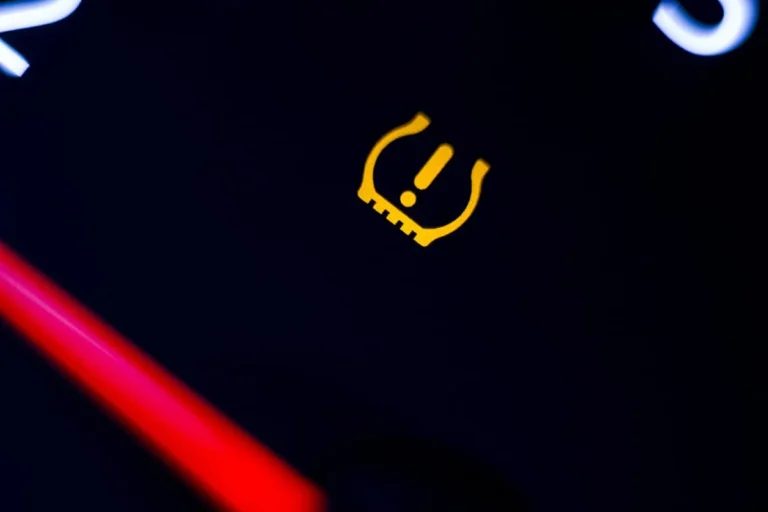
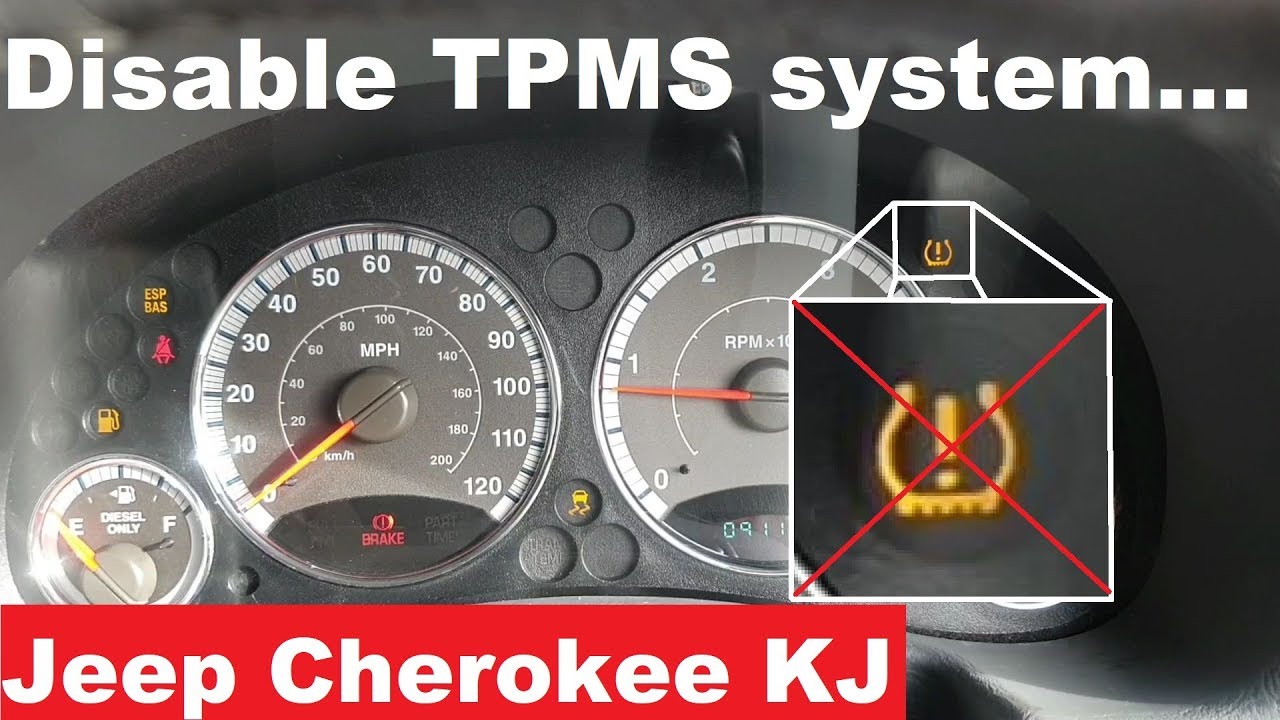
Solid Light: This indicates that one or more tires are low on air pressure. This is a maintenance prompt.
Flashing Light (for 60–90 seconds): This is the industry-standard sign for a system fault. It indicates that the BCM cannot communicate with one or more of the wheel sensors. In most cases, this means the internal lithium-ion battery inside the sensor has reached the end of its service life (typically 7–10 years).
* Spare Tire Considerations: If your specific Chrysler 200 trim includes a full-size spare tire equipped with a sensor, that tire must also be inflated to the correct pressure. If the spare is low, it can keep the fault light active even if your road tires are perfect.
If the light continues to flash, an OBD-II scan tool capable of reading TPMS data is the only way to identify exactly which sensor has failed. This prevents the “guesswork” of replacing all four sensors when only one has stopped transmitting.
Essential Maintenance Tips for Chrysler 200 Sensor Health
Managing Tire Pressure During Seasonal Temperature Drops
Physics dictates that tire pressure drops approximately 1 PSI for every 10 degrees Fahrenheit decrease in ambient temperature. In colder months, it is common to see a surge of TPMS warning lights. Avoid the mistake of over-inflating your tires to compensate for these fluctuations. Over-inflation can cause premature tire wear and negatively affect braking performance. Always check your pressures during the coldest part of the morning to ensure an accurate, “cold” baseline measurement.
Replacing Sensors: DIY vs Professional Service
While you can check and maintain tire pressure yourself, replacing a TPMS sensor is not a standard DIY task. It requires breaking the bead of the tire from the rim, removing the old sensor, installing the new one, and re-balancing the wheel. Attempting this without a tire changing machine and a specialized sensor programming tool is likely to result in damage to your rims or the new sensors. Professional tire shops have the tools to calibrate the new sensor to your vehicle’s specific ID, ensuring the system can restore full functionality immediately upon installation.
Industry Data: TPMS Reliability
Avg Sensor Battery Life
Trigger Threshold
The Chrysler 200 TPMS is a robust safety feature designed for convenience and reliability. It does not require a manual reset button, as it constantly communicates with the vehicle’s BCM to provide real-time updates. If the warning light appears, treat it as a genuine request for a tire pressure check. Correct the pressure to the factory-recommended PSI, perform a standard drive cycle, and the system will clear itself.
If the warning light flashes for an extended period or remains solid despite correct tire pressures, it is likely that a sensor battery has failed. In such instances, do not attempt a workaround; consult a tire professional to diagnose the specific sensor fault. By maintaining your tire pressure according to the door placard, you ensure the safety of your vehicle and the longevity of your TPMS components.
Chrysler 200 Tpms Reset Button Location: Frequently Asked Questions
Why won’t my TPMS light go off after inflating tires?
The Chrysler 200 requires a ‘drive cycle’ to reset. Simply filling the tires is not enough to update the computer. You must drive the vehicle at speeds above 20 mph for approximately 10 to 20 minutes. This movement allows the sensors to re-sync with the Body Control Module and confirm that the tire pressure is now within the specified factory range.
Do I need to go to the dealer to reset the tire pressure light?
No, a dealer visit is rarely required if your tires are healthy. If you have inflated the tires to the correct pressure and driven the vehicle as instructed, the system should reset itself. However, if the light remains on after a proper drive cycle, it may indicate a failed sensor battery or a damaged sensor, which would require professional replacement or a scan tool.
How do I trigger the TPMS auto-learn mode?
The auto-learn mode is not a manual setting you ‘trigger’ through the infotainment screen. Instead, the system is designed to be ‘always on.’ It enters discovery mode automatically when it detects wheel rotation combined with a change in pressure. Simply correcting the tire pressure and driving the vehicle is the only way to facilitate this automatic learning process in a Chrysler 200.
Can a cold climate cause my TPMS light to turn on?
Yes, ambient temperature drops directly affect tire pressure. For every 10-degree Fahrenheit drop in temperature, tire pressure typically drops by about 1 PSI. This decrease is often enough to dip below the threshold programmed into the TPMS, triggering the warning light even if the tire is not physically punctured. Ensuring your tires are filled to the correct PSI when cold is essential.
Does my spare tire have a sensor?
Yes, many Chrysler 200 trims include a TPMS sensor inside the spare tire assembly. If your primary tires are correctly inflated but the warning light persists, it is highly likely that your spare tire has lost air pressure. Checking the pressure of your spare tire is a critical step in troubleshooting a persistent dashboard warning light that refuses to clear.