Cadillac Adaptive Cruise Control Temporarily Unavailable: Resolved
Your Cadillac is equipped with highly sophisticated driver-assistance sensors, but even a small amount of road grime can lead to the “Cadillac Adaptive Cruise Control Temporarily Unavailable” warning. Drivers often panic when this message appears on the Driver Information Center (DIC), fearing expensive hardware failure or compromised vehicle safety. In reality, this notification is a safeguard designed to protect you, acting as a functional “pause” rather than a permanent fault. This guide provides a professional, authoritative look at why this error occurs, how to perform basic troubleshooting, and when you truly need to seek expert diagnostic assistance.
Environmental and System Triggers for Cadillac Adaptive Cruise Control Temporarily Unavailable


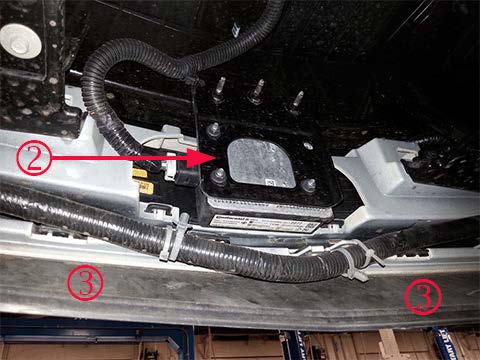
Modern Cadillac safety suites rely on a complex interplay between the Front Radar Sensor, the forward-facing camera, and the Electronic Brake Control Module (EBCM). When these components cannot communicate or “see” correctly, the system defaults to a disabled state to ensure driver safety.
📤 Share Image
Environmental Obstructions and Sensor Blinding
The most common culprit is physical obstruction. A build-up of ice, heavy road salt, mud, or even thick bugs on the front Cadillac emblem—which houses the radar sensor—effectively “blinds” the system. Research indicates that external environmental conditions like heavy rain or snow cause the radar to lose signal integrity, forcing the system to alert the driver.

Electronic Module Voltage Requirements
Your Cadillac’s sensors are sensitive to power stability. The system operates within a strict range of 12 to 14.8 Volts. If your vehicle battery is aging or terminal connections are loose, the momentary voltage drop during heavy electrical loads (like seat heaters or window defrosters) can cause the EBCM to briefly drop communication, triggering the “temporarily unavailable” warning.
Sensor Data Disagreement Logic
The onboard computer constantly cross-references data. If the forward-facing camera detects a clear lane but the radar detects a stationary object that doesn’t exist, the system experiences a “data disagreement.” This logical conflict disables the feature to prevent erratic braking maneuvers.
By The Numbers
Required Voltage Range
Est. Alerts Caused by Debris
How to Resolve Cadillac Adaptive Cruise Control Temporarily Unavailable Alerts
Before scheduling a service appointment, follow this systematic process to clear the error. Most issues are resolved at home using basic cleaning supplies.
Use a microfiber cloth and mild automotive cleaner to clear the front emblem (radar) and the upper windshield area (camera). Avoid abrasive paper towels, which can micro-scratch the sensor lenses.
Pop the hood and ensure battery terminals are tight and free of corrosion. A loose ground connection frequently triggers spurious electronic warnings across the instrument cluster.
Perform a “hard” system reboot by turning the engine off, opening the driver’s door, and waiting for the interior lights to cycle off completely (about 5-10 minutes). This forces the electronic modules to re-initialize upon the next restart.
Expert Diagnostics for Cadillac Driver Assistance Systems
If the warning persists, professional intervention is required. Relying on an expert technician who uses the GM Global Diagnostic System (GDS2) is the only way to pinpoint the exact failure point.
The Necessity of Diagnostic Trouble Codes (DTCs)
Avoid the temptation to replace expensive sensors on a hunch. Always insist on having the DTCs pulled. These codes tell the technician whether the fault lies in the sensor itself, the wiring harness, or a communication error within the CAN bus network.
Wheel Alignment and Radar Accuracy
A common, overlooked cause is poor wheel alignment. If a vehicle pulls slightly to the left, the radar sensor—which is calibrated to a “center” path—can interpret the lane markers incorrectly. This misalignment triggers the “temporarily unavailable” message because the system detects that the vehicle’s physical path is inconsistent with its radar trajectory data.
Comparing Adaptive Cruise vs. Standard Cruise Systems
Understanding the difference between legacy systems and modern ACC is vital for managing expectations. ACC is a convenience feature, not an autonomous driving system.
Resolving Persistent Cadillac Adaptive Cruise Control Issues
When basic home fixes fail, the problem likely resides within the module software or internal sensor hardware.
Warranty and Professional Repair Pathways
If your vehicle is within the bumper-to-bumper warranty period, these repairs are almost always covered. Do not attempt to open the radar housing or manipulate the camera mount, as this voids factory coverage. Authorized service centers use specialized GDS2 tools to recalibrate the sensors after any potential module update.
Ignoring the “temporarily unavailable” message can sometimes mean that your vehicle’s Automatic Emergency Braking (AEB) system is also compromised. Treat this alert as a loss of a primary safety feature.
Navigating When Hardware Replacement Is Necessary
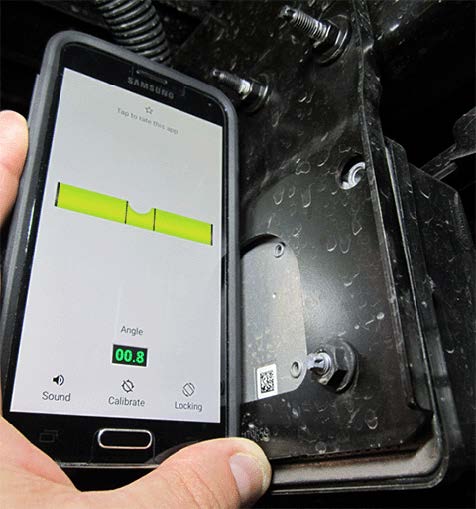
Hardware failure is rare but possible, particularly in vehicles involved in minor front-end collisions. Even a slight “nudge” to the front bumper can move the radar unit enough to prevent it from reaching its operational calibration parameters. In these instances, a professional service center must perform a physical re-aiming of the radar sensor followed by a software calibration sweep.
✅ Why It Is Reliable
- Self-diagnostic protection
- Clear, actionable alerts
- Easy sensor cleaning access
- Robust dealer support network
❌ Potential Challenges
- Sensitivity to heavy weather
- Requires precise alignment
- Complex software calibration
- Professional scanning required
To summarize: most “Cadillac Adaptive Cruise Control Temporarily Unavailable” alerts are simple environmental reactions to winter weather or debris. Always begin your assessment by cleaning your front sensors and verifying your battery voltage. If these simple steps do not resolve the issue, consult a professional to pull specific Diagnostic Trouble Codes. Understanding that these systems are separate from your core vehicle operations will help you maintain your Cadillac’s safety features with confidence. Should the light persist, visit your authorized service center immediately to ensure the safety systems remain in fully operational condition.
Cadillac Adaptive Cruise Control Temporarily Unavailable: Frequently Asked Questions
Is it safe to drive if the ACC is unavailable?
Yes, it is safe to drive. The ‘Temporarily Unavailable’ message indicates that the adaptive cruise control feature itself is disabled, not that the vehicle’s braking, steering, or engine systems are compromised. You will simply need to operate the vehicle using manual cruise control or standard throttle control until the radar sensors regain a clear, consistent view of the road.
Can a dirty windshield trigger this warning?
Absolutely. Cadillac vehicles use a combination of grille-mounted radar and a camera located behind the rearview mirror for object detection. If the windshield camera area is blocked by mud, ice, or a sticker, the system cannot process lane markings or distance data effectively, which frequently triggers the cruise control error. Keeping this specific zone clean is essential for system reliability.
Will a wheel alignment fix my ACC error?
Generally, no. A wheel alignment fixes steering geometry and tire wear, whereas ACC errors are almost exclusively related to radar/camera sensor obstruction or electronic calibration. However, if your vehicle has been involved in a collision that caused significant frame damage, a professional may recommend an alignment alongside a sensor recalibration to ensure all vehicle systems operate within their factory-specified parameters.
Is this issue covered under the factory powertrain warranty?
Typically, no. The adaptive cruise control system is considered an electronic convenience and safety feature, not a component of the powertrain (engine, transmission, or drivetrain). While it may be covered under the 3-year/36,000-mile bumper-to-bumper warranty, repairs for software issues or sensor failures occurring outside this period are usually considered out-of-pocket expenses unless a specific recall or extended warranty program has been issued.
Does extreme heat cause the cruise control to fail?
Yes, extreme environmental temperatures can trigger this warning. When the radar sensor or the camera housing reaches its thermal limit in direct, intense sunlight, the hardware may temporarily shut down to prevent electronic damage. In such scenarios, the system is designed to automatically resume operation once the internal component temperature stabilizes, usually within minutes of moving into shade or lower ambient temperatures.