Does Ac Use Gas In Car Does AC Use Gas In Your Car? 2026
Last Updated on September 1, 2026 by Ryan
Yes, using your car’s air conditioning does consume fuel. This happens because the AC system draws power directly from the engine to operate its compressor and circulate refrigerant, leading to a measurable impact on your vehicle’s gas mileage.
Yes, using your car’s air conditioning does consume fuel. This happens because the AC system draws power directly from the engine to operate its compressor and circulate refrigerant, leading to a measurable impact on your vehicle’s gas mileage.
When considering whether your car’s AC uses gas, the straightforward answer is yes; operating the air conditioning system invariably consumes fuel. This fuel consumption results from the engine diverting power to run the AC compressor, a vital component of the cooling system.
The demand for engine power directly correlates with increased gas usage. This means your car’s AC is not a free comfort feature. Understanding the mechanics behind this consumption allows you to make informed decisions about its use, which we will explore next.
Key Takeaways


- Car AC uses engine power, consuming fuel.
- Fuel impact varies by vehicle and conditions.
- Maintenance directly affects AC efficiency.
- Strategic AC use can reduce gas costs.
- Modern AC systems are more efficient.
How Does Your Car AC Specifically Consume Fuel?


The fundamental reason your car’s AC uses gas is its reliance on the engine for power. Unlike electric vehicles, traditional gasoline cars do not have a separate power source for their climate control. The AC system is integrated directly with the engine’s operation.
This connection means that every time you switch on your AC, you are asking your engine to work harder. This increased effort requires more fuel to maintain performance. Understanding these mechanics is crucial for appreciating the impact on your car’s efficiency.
Powering the Compressor
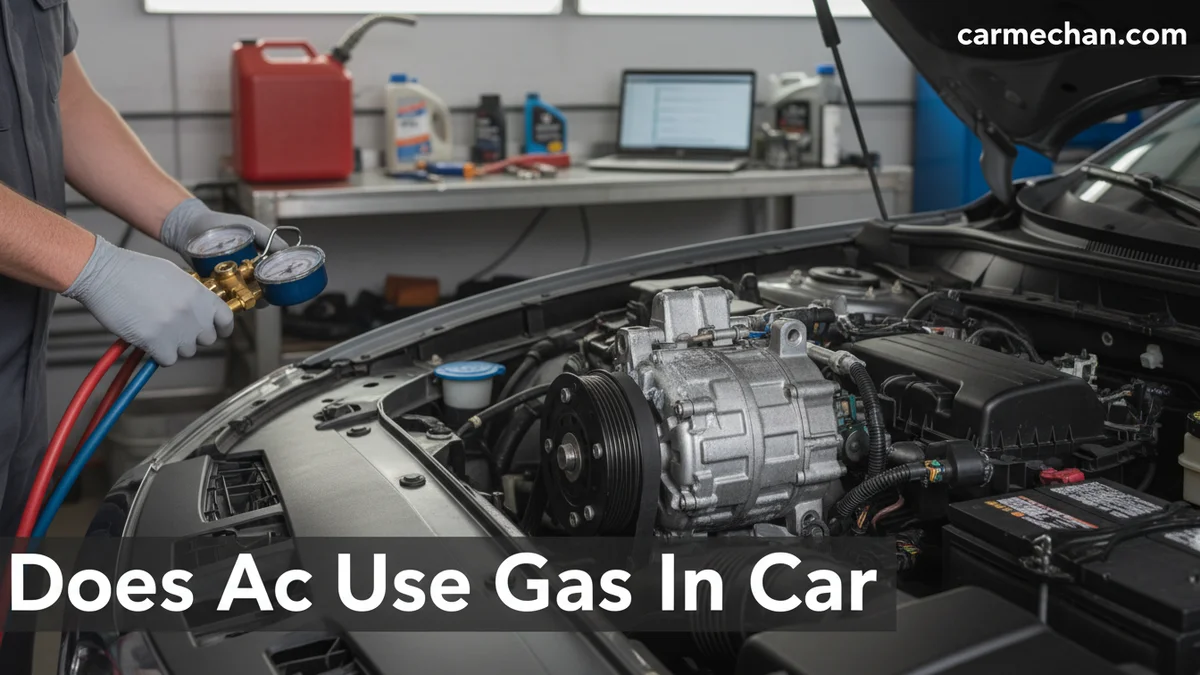
The compressor is the heart of your car’s AC system. It pressurizes the refrigerant, which is essential for the cooling process. This component is typically driven by the engine’s serpentine belt.
When the AC is active, the compressor engages, placing an additional mechanical load on the engine. The engine must burn more fuel to overcome this resistance. This direct power draw is the primary way AC consumes gas.
Refrigerant Circulation Demands
Beyond the compressor, the AC system continuously circulates refrigerant throughout its various components. This process involves moving the refrigerant through evaporators, condensers, and expansion valves. Each stage contributes to the overall energy demand.
Maintaining this flow and pressure requires sustained effort from the compressor. The system works harder to cool a hot cabin, meaning higher fuel consumption initially. It also works harder if the system is not efficiently handling the refrigerant.
Engine Load Generation
Ultimately, the operation of the AC system translates into an increased “engine load.” Engine load refers to the amount of work the engine is doing to overcome resistance and generate power. A higher load means the engine needs more fuel.
For example, on a hot day, the AC system might demand significant power to cool the cabin. This demand forces the engine to burn more gas. The concept of engine load is central to understanding AC’s effect on fuel efficiency. Now that we understand the mechanics, let us examine what influences this fuel usage most.
What Key Elements Affect AC Fuel Usage Most?



The amount of fuel your AC consumes is not a fixed number; several key factors play a significant role. These elements interact to determine the actual impact on your gas mileage. Everything from your vehicle’s design to the day’s weather can influence this consumption.
Being aware of these variables allows you to better predict and manage your car’s fuel economy. We can then make more informed decisions about AC use. Understanding these elements is key to optimizing your driving habits for 2026.
Vehicle Design Differences
Different car models exhibit varying levels of AC efficiency. Compact cars generally have smaller cabins, requiring less cooling power. Larger SUVs or trucks, conversely, need more AC systems. Their larger compressors and greater cooling capacity naturally demand more engine power.
Therefore, the AC fuel consumption percentage can vary significantly; for instance, a compact sedan might see a 5-10% reduction in MPG, while a large SUV could experience a . The engineering of the specific AC system also plays a role in its inherent efficiency.
Outside Temperature Impact
Ambient temperature and humidity levels are major determinants of AC fuel usage. On extremely hot and humid days, your AC system must work considerably harder to cool and dehumidify the cabin. This intense effort places a greater load on the engine.
Conversely, on milder days, the AC operates less strenuously, consuming less fuel. The initial cooling period from a hot parked car will also demand more energy than maintaining a cool cabin. Drivers should consider the outside temperature when deciding on AC usage.
Maintenance Condition Effects
The overall health and maintenance of your AC system directly affect its fuel efficiency. A poorly maintained system, perhaps with low refrigerant or a dirty cabin air filter, will struggle to cool effectively. This struggle means the compressor runs longer and harder.
Regular AC servicing, including refrigerant checks and filter replacements, ensures the system operates optimally. An inefficient AC system will inevitably lead to higher fuel consumption. Neglecting maintenance costs you more at the gas pump. Knowing these influencing factors is the first step; next, we explore tangible strategies to keep your AC costs down.
7 Practical Ways to Reduce Car AC Gas Costs
Despite its fuel usage, you can significantly reduce your car AC’s impact on your wallet with several smart habits. Implementing these strategies in 2026 will help you save money and improve your vehicle’s overall fuel efficiency. Small changes in how you use your AC can lead to noticeable savings over time.
These practical tips are easy to adopt and require minimal effort. They focus on minimizing the workload on your AC system and, consequently, your engine. By following these guidelines, you can enjoy a comfortable ride without breaking the bank on fuel.
-
Pre-Cool Vehicle Cabin
Before driving, particularly on hot days, open your car windows to vent hot air. Starting the AC with a cooler cabin reduces the initial strain on the system. This allows the AC to reach the desired temperature more quickly and efficiently.
-
Use Recirculation Mode
Once your cabin is cool, switch your AC to recirculation mode. This setting cools the air already inside the car, which is more efficient than constantly cooling hot outside air.
-
Maintain Tire Pressure
Properly inflated tires reduce rolling resistance, which improves your car’s overall fuel economy. While not directly related to AC, better MPG means less overall gas consumption. This helps offset the fuel used by the AC system.
-
Combine Driving Trips
Plan your errands to combine multiple short trips into one longer journey. Your AC system uses more fuel initially to cool down a hot car. Fewer cold starts for the AC mean less energy expenditure.
-
Service System Regularly
Ensure your AC system receives regular maintenance, including refrigerant checks and filter replacements. A well-maintained system operates more efficiently and requires less energy. This directly reduces its impact on fuel consumption.
-
Drive With Windows Down
At lower speeds, driving with your windows down can be more fuel-efficient than using the AC. The aerodynamic drag is minimal at city speeds. Only use AC when comfort truly requires it or at higher speeds.
-
Avoid Excessive Idling
Idling with the AC on consumes fuel without moving your vehicle anywhere. If you anticipate a long stop, it is more fuel-efficient to turn off your engine and AC. Restarting uses less fuel than prolonged idling.
While these tips optimize AC use, a common question arises about when AC is truly better than simply opening your windows.
When Is AC Use More Fuel Efficient Than Windows Down?
The belief that driving with windows down always saves more gas than using AC is not entirely accurate; it depends heavily on your speed. While it might seem intuitive that no AC equals better fuel economy, aerodynamics play a significant role at higher speeds. This nuanced understanding helps drivers make the most fuel-efficient choices for their journey.
We need to consider the trade-off between engine load from the AC and aerodynamic drag from open windows. Each scenario presents a different challenge to your car’s efficiency. Understanding these dynamics is essential for optimizing your driving in 2026.
High Speed Driving
At highway speeds, driving with your windows open creates significant aerodynamic drag. This resistance forces your engine to work harder to maintain speed. Above approximately 45-50 miles per hour, the increased drag from open windows can consume more fuel than running the AC.
In such conditions, running the AC and keeping windows closed is often the more fuel-efficient option. This applies to most modern vehicles on the road today.
Hot Weather Conditions
In extremely hot and humid weather, the AC system is often the only practical way to maintain driver comfort and alertness. Discomfort can lead to fatigue, which affects driving safety. While AC uses fuel, the benefits of clear-headed driving often outweigh the marginal fuel cost.
Attempting to cool down a scorching interior with only open windows can be ineffective. The AC’s ability to dehumidify also contributes significantly to comfort. In these conditions, AC use is often justified for safety and well-being.
Allergen Protection Benefits
Beyond fuel efficiency, AC systems offer practical benefits like filtering out pollen, dust, and pollutants. For allergy sufferers or those driving through congested areas, keeping windows closed and using AC can significantly improve cabin air quality. This enhances comfort and health.
Modern cars often feature advanced cabin air filters designed to trap microscopic particles. While not directly a fuel efficiency consideration, this aspect adds to the overall value of AC use. It helps create a healthier environment for occupants during their commute. These traditional considerations are also evolving, as automotive AC systems themselves have become far more advanced.
How Have Modern AC Systems Improved Efficiency?
Automotive air conditioning has come a long way; modern systems are significantly more efficient than their predecessors. Engineers continually strive to reduce the energy demands of AC without compromising cooling performance. These technological advancements mean today’s AC systems have a lesser impact on fuel economy than those from even a decade ago.
The focus on efficiency is driven by both environmental concerns and consumer demand for better gas mileage. These innovations benefit car owners by reducing operating costs. It also contributes to a greener automotive future as we head into 2026.
Variable Displacement Compressors
Many modern vehicles utilize variable displacement compressors instead of older fixed-displacement units. Fixed compressors are either on or off, always running at maximum capacity when engaged. Variable compressors, however, can adjust their output based on cooling demand.
This means they only use the precise amount of engine power necessary to maintain the desired cabin temperature. This intelligent operation significantly reduces wasted energy. It results in noticeable fuel savings.
Electric AC Systems
Hybrid and electric vehicles (EVs) often feature electric AC compressors. These compressors run independently of the engine, powered by the vehicle’s high-voltage battery. This setup completely eliminates the parasitic drag on the gasoline engine.
For hybrid vehicles, this means the gasoline engine can shut off at stops or low speeds while the AC continues to operate. EVs, by design, cool their cabins using only battery power. This innovation is a major leap in AC efficiency for electrified powertrains.
Smart Climate Controls
Modern cars are equipped with sophisticated automatic climate control systems. These systems use sensors to monitor cabin temperature, humidity, and even outside sunlight. They then precisely manage the AC, fan speed, and vent settings.
This intelligent management prevents overcooling and reduces unnecessary energy consumption. Such systems proactively optimize performance. They offer both enhanced comfort and improved fuel efficiency.
How to Optimize Your Car’s AC Fuel Use
Understanding that your car’s AC uses gas is the first step toward becoming a more fuel-efficient driver. As we have explored, the impact varies based on your vehicle, driving conditions, and how you manage the system. Modern AC technologies are improving efficiency, but user habits still play a crucial role.
By implementing smart strategies like pre-cooling, using recirculation wisely, and maintaining your system, you can significantly reduce the “does ac use gas in car” question’s impact on your wallet. Consider the speed at which you drive to determine whether open windows or AC is truly more economical. Small, consistent efforts will yield the best results for your fuel economy in 2026.
Does Running the AC Really Make a Significant Difference in Gas Mileage?
Yes, using the AC can noticeably impact gas mileage, typically reducing it by 5-20% depending on the vehicle, outside temperature, and AC system efficiency. The compressor draws power directly from the engine, increasing fuel consumption. This reduction can be more pronounced in city driving than on highways.
Is It Better to Drive With Windows Down or Use the AC in the City?
In the city at lower speeds (typically below 45 mph), driving with windows down generally uses less fuel than the AC. At these speeds, aerodynamic drag from open windows is minimal, and the AC compressor’s continuous operation consumes more energy. Open windows promote ventilation without engine strain.
How Much Horsepower Does a Car’s AC Compressor Use?
A car’s AC compressor can draw between 3 to 10 horsepower from the engine, depending on its size, the ambient temperature, and the cooling demands. This power draw directly translates to increased fuel consumption. Modern variable compressors often use less power than older models.
Can Low Refrigerant Cause My AC to Use More Gas?
Yes, low refrigerant levels can make your AC system work harder to cool the cabin, as the compressor must run longer and more frequently to achieve the desired temperature. This increased workload translates directly into higher fuel consumption. Regular checks ensure optimal refrigerant levels.
Does Turning Off the AC Just Before Stopping Save Gas?
Turning off the AC a minute or two before your destination can save a negligible amount of gas during that short period. However, the most significant savings come from strategic long-term use and maintenance, not from micro-managing it just before stopping. Focus on overall efficient operation.