Chevy Trax Years to Avoid: Your Used Car Reliability Guide
Last Updated on September 1, 2026 by Ryan
The first generation (2015-2019) Chevy Trax models are often cited for significant reliability concerns, particularly regarding transmission and engine issues. While not all years are equally problematic, prospective buyers should exercise caution and thorough inspection for models within this range.
🎯 Key Takeaways
Recommended Best Deal Products


- Avoid 2015-2019 Chevy Trax models if possible.
- Prioritize pre-purchase inspections for any used Trax.
- Watch for transmission and engine problems indicators.
- Check all recall statuses for the specific VIN.
- Newer Trax models (2020+) show improved reliability.
If you’re considering a used Chevrolet Trax, you’re looking for an affordable, compact SUV. However, not all model years are created equal when it comes to reliability. Certain Trax model years are plagued with significant mechanical and safety issues that could turn your budget-friendly purchase into a costly nightmare, draining your savings with unexpected repair bills.

Our goal here is to steer you clear of those specific problematic years. By understanding which Trax models consistently underperform and why, you can make an informed decision, save yourself thousands in potential repairs, and ultimately find a more dependable used vehicle.
Identifying Problematic Chevy Trax Model Years
When searching for a used Chevrolet Trax, you absolutely need to know which years to approach with extreme caution, or better yet, avoid entirely. The first generation of the Trax, particularly its early to mid-life span, presents the most significant and recurring reliability headaches for owners. These years are marked by numerous complaints across critical components, leading to substantial repair costs and frustration.

The Critical First Generation: 2015-2019
While the Chevy Trax was introduced in the U.S. for the 2015 model year, its initial iterations struggled significantly. You’ll find a consistent pattern of severe issues, especially in the earliest models. Our recommendation is to specifically avoid the 2015-2017 model years due to their high incidence of major mechanical failures. The subsequent 2018-2019 models show some slight improvements but still carry notable risks, particularly concerning the powertrain. These are the years you should scrutinize most heavily:
- 2015-2017 Chevrolet Trax: These years consistently rank as the worst for reliability. Owners frequently report catastrophic transmission failures, serious engine problems including stalling and misfires, and premature turbocharger issues. Heating and air conditioning system malfunctions are also common, contributing to a poor ownership experience.
- 2018-2019 Chevrolet Trax: While slightly better than their predecessors, these years continue to exhibit a higher-than-average number of engine and turbocharger complaints. You might also encounter persistent sensor failures and various electrical glitches, which can be difficult and expensive to diagnose and fix.
Steering clear of these specific model years dramatically reduces your risk of inheriting a money pit. The 1.4L Ecotec turbocharged engine found in these vehicles is a particular point of concern across this range.
Common Reliability Issues and Their Impact
The problems associated with the identified problematic Trax years are not minor annoyances; they are significant mechanical failures that directly impact the vehicle’s safety, drivability, and your wallet. Understanding the core issues will highlight why avoiding these specific models is crucial for your peace of mind and financial security.
Transmission Woes: Costly & Dangerous
The automatic transmissions in the 2015-2017 Trax models, whether the 6-speed automatic or the less common CVT in some international variants, are a primary source of severe reliability complaints. You’ll find many owners reporting symptoms such as harsh shifting, hesitation, slipping gears, and in numerous cases, complete transmission failure. This isn’t just an inconvenience; a sudden loss of power or ability to shift gears can be a serious safety hazard on the road.
- Symptoms: Jerking during acceleration, difficulty shifting into drive or reverse, illuminated check engine light, complete loss of forward motion.
- Underlying Causes: Suspected faulty solenoids, valve body issues, and premature wear within the transmission unit. GM has issued Technical Service Bulletins (TSBs) related to transmission performance for these vehicles.
- Estimated Repair Costs: Replacing or rebuilding a Trax transmission can easily cost you anywhere from $3,000 to over $5,000, often exceeding the value of the vehicle itself in some cases.
Engine & Turbocharger Vulnerabilities
The 1.4L turbocharged Ecotec engine, standard in most U.S. Trax models during these years, is another major trouble spot. This engine is prone to several critical issues that lead to costly repairs and potential breakdowns. The turbocharger unit itself is often a victim of these underlying engine problems.
- PCV System Failure: A notorious weakness is the positive crankcase ventilation (PCV) system. A failing PCV valve or associated components can lead to excessive oil consumption, oil leaks, pressure build-up, and even severe engine damage. This issue often manifests as whistling noises or significant oil consumption.
- Turbocharger Failure: Directly linked to the engine’s design and lubrication issues, the turbocharger unit itself frequently fails prematurely. This results in a noticeable loss of power, a whining noise, and often, a distinct burning oil smell as oil leaks into the exhaust.
- Symptoms: Excessive oil consumption, persistent check engine light, reduced engine power (limp mode), blue or white smoke from the exhaust, whistling noise from the engine bay.
- Estimated Repair Costs: A PCV system repair can range from $500 to $1,000 depending on the extent of damage. Turbocharger replacement typically runs from $1,500 to $2,500. If these issues lead to further engine damage, you could be looking at an engine replacement costing upwards of $4,000 to $6,000.
Factors to Consider When Buying a Used Trax
Beyond the Year: What Else Matters?
Even if you sidestep the model years often flagged for issues, the individual history of any used car is profoundly important. A meticulously maintained 2015 Trax, for instance, could easily offer more reliable service than a neglected 2018 model. This highlights that a “good year” isn’t a guarantee without proper care.
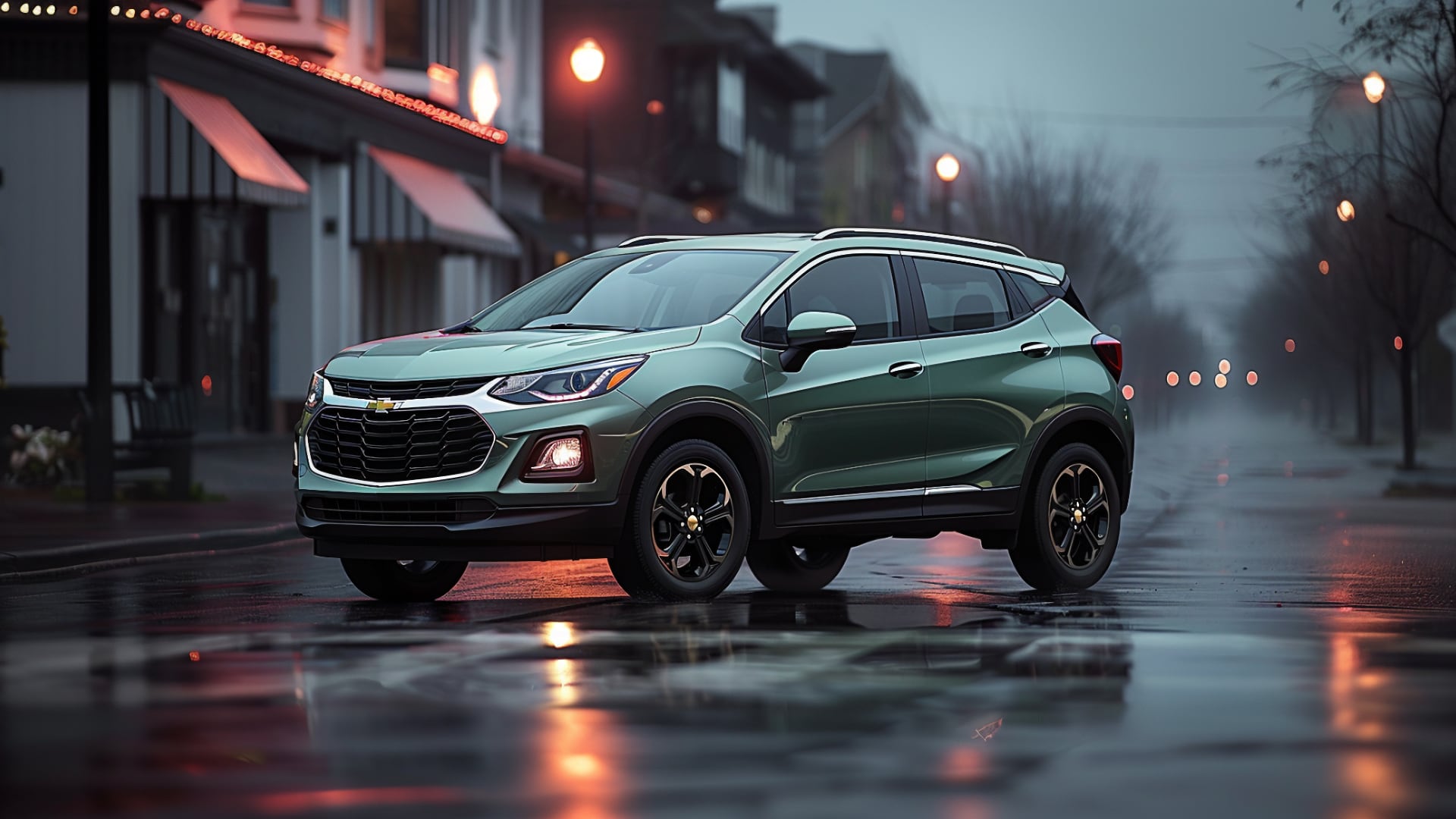
Always scrutinize the service records with a fine-tooth comb. Look for tangible evidence of consistent oil changes (especially critical for the 1.4L turbo engine), routine fluid flushes, and records of any significant repairs or recalls being addressed. A car with an incomplete or patchy service history should be viewed as a major red flag, regardless of its perceived “good” model year.
While mileage certainly plays a role, it’s not the sole indicator of wear. High highway mileage can sometimes be less taxing on a vehicle’s components than lower mileage accumulated exclusively in demanding stop-and-go city traffic, which causes more wear on brakes and transmissions. Understand the typical driving conditions.
Pay specific attention to components frequently associated with Trax issues. This includes thoroughly checking the transmission for smooth, timely shifts and any unusual noises, inspecting the engine for visible oil leaks or peculiar sounds during startup and idle, and verifying all electronic systems, from infotainment to power windows, function flawlessly.
Crucial Pre-Purchase Inspections
A comprehensive test drive is absolutely non-negotiable. Don’t just drive around the block; take it on various roads – city streets, highway speeds, and perhaps even some bumps. Listen intently for any unusual sounds from the engine, transmission, or suspension. Pay attention to how the car handles – does it pull to one side, or is the steering loose? Test every button and knob you can find.
The single best investment you can make when buying a used car is an independent pre-purchase inspection (PPI) by a trusted, third-party mechanic. They possess the expertise and diagnostic tools to identify underlying issues that might be invisible to the average buyer, such as hidden frame damage, significant rust, or components nearing failure. This unbiased assessment can save you thousands in future repairs.
Always insist on running a vehicle history report from services like Carfax or AutoCheck. These reports can uncover vital information including accident history, previous ownership details, reported service intervals, and any odometer discrepancies. It’s an indispensable tool for building a complete picture of the car’s past.
Comparing Trax Generations: Improvements and Alternatives
Evolution of the Trax: Later Model Enhancements
While the first generation Trax (sold in the U.S. from 2015-2022) faced its share of reliability criticisms, Chevrolet consistently worked on refinements throughout its production run. You’ll generally find that later years within this generation, for example, 2019-2022 models, tend to have benefited from ongoing engineering updates and addressed common failure points, particularly concerning the 1.4L turbocharged engine and transmission.
The most significant leap comes with the second-generation Trax, introduced for the 2024 model year. This complete redesign features a new 1.2-liter three-cylinder turbo engine, offering a different performance profile and potentially improved efficiency. It also boasts a significantly larger, more modern interior and a suite of advanced technology and safety features. While it’s too new to accumulate long-term reliability data, early impressions suggest a more sophisticated and potentially more durable platform.
If your budget allows, opting for one of the final years of the first generation or embracing the entirely new 2024+ model could provide a more worry-free ownership experience, as these models often incorporate lessons learned from earlier iterations. This might mean a higher purchase price, but potentially lower ownership costs in the long run.
Considering Alternatives in the Subcompact SUV Segment
If persistent reliability concerns surrounding older Trax models give you pause, it’s wise to remember that the subcompact SUV segment is brimming with strong, competitive contenders. Many vehicles from rival manufacturers have built robust reputations for long-term dependability over the years.
For instance, consider the Honda HR-V, consistently praised for its strong resale value, practical interior, and overall Honda reliability. The Mazda CX-30 (or its predecessor, the CX-3) offers a more upscale interior, engaging driving dynamics, and often solid reliability ratings, appealing to those who prioritize driving enjoyment.
Other excellent options include the Hyundai Kona and Kia Seltos. Both brands have made significant strides in recent years, offering modern features, attractive designs, competitive pricing, and industry-leading warranties, often backed by strong reliability scores. Exploring these alternatives can ensure you find a vehicle that perfectly balances your needs for space, features, and crucial long-term dependability, providing peace of mind.
Conclusion
Navigating the used car market for a Chevy Trax requires a discerning eye, especially for earlier models. While the 2015-2017 years often appear on “to avoid” lists due to common powertrain issues, it’s crucial to remember that individual vehicle history matters immensely. A thorough pre-purchase inspection by a trusted mechanic, coupled with a detailed vehicle history report, remains your strongest defense against unexpected repairs. Look beyond just the model year and delve into the specifics of maintenance and condition. Ultimately, an informed decision today leads to a happier driving experience tomorrow. Drive confidently and stay safe on the road!
❓ Frequently Asked Questions
Which specific Chevy Trax model years are most frequently flagged for reliability concerns, and why?
The 2015-2017 Chevy Trax models are most often cited for reliability issues, largely due to common complaints about transmission failure, engine performance problems like stalling, and turbocharger defects that can lead to costly repairs.
What are the primary mechanical failures reported in the problematic Chevy Trax years, and what are their typical symptoms?
Key failures include rough or delayed shifting transmissions, engine misfires or stalling, and noticeable power loss from turbocharger issues. Symptoms often involve warning lights, unusual noises, and reduced vehicle performance during driving.
How do repair costs for common Trax issues compare to the vehicle’s value, especially for older models?
Repair costs for major issues like transmission replacement or significant engine work can easily range from $3,000 to over $5,000, which might exceed a substantial portion of the market value for older, higher-mileage Trax models, making repairs economically unfeasible.
Were there any recalls issued for the problematic Chevy Trax years that buyers should be aware of?
Yes, several recalls were issued for early Trax models, covering issues like potential lower control arm separation, seat belt anchor bolts, and specific software updates. Always check a vehicle’s VIN for open recalls with the manufacturer or NHTSA before purchasing.
What improvements did Chevrolet make in later Trax models that addressed earlier reliability concerns?
Chevrolet introduced various refinements over the years, including potential powertrain updates, revised manufacturing processes, and improved component quality. Models from 2020 onwards generally benefit from these improvements, showing better reliability trends than their predecessors due to these design and engineering changes.
Besides avoiding specific years, what steps can a buyer take to ensure they purchase a reliable used Chevy Trax?
Beyond year avoidance, always prioritize a comprehensive pre-purchase inspection by an independent, trusted mechanic, thoroughly review detailed service records for consistent maintenance, and obtain a vehicle history report (like CarFax) to check for accident history, flood damage, and mileage discrepancies, ensuring transparency about the car’s past.