Proven Fix Car Has No Power But Battery Is Good 2026
Last Updated on September 1, 2026 by Albert Duke
When your car has no power but the battery is good, the problem usually stems from an electrical connection issue or a failed component preventing power from reaching critical systems. Common culprits include loose or corroded battery terminals, blown main fuses, a faulty ignition switch, or a compromised ground wire.
You can often diagnose and fix these issues yourself by systematically checking these components with basic tools.
When your car has no power but the battery is good, it signals an electrical interruption elsewhere in the system, demanding systematic troubleshooting. This frustrating situation, where your vehicle remains unresponsive despite a healthy power source, points to a fault in the electrical path.
A good battery means the fault lies in the way electricity flows from the battery to your car’s critical components. This comprehensive 2026 guide offers a step-by-step approach to diagnose and resolve these issues safely and effectively. Many common causes are fixable right at home, saving you time and money.
You do not need advanced mechanical skills to identify many of these problems. We will walk you through the process, equipping you with the knowledge to get your vehicle running again. Now, let us begin our journey by ensuring your battery is truly good with the first essential check.
Key Takeaways



- Verify battery health accurately.
- Inspect terminals for tightness and corrosion.
- Check main fuses and relays first.
- Test ignition switch for power flow.
- Understand when to seek professional help.
5 Initial Checks When Your Car Has No Power


Before diving into complex diagnostics for a car with no power but a good battery, perform these 5 initial checks to pinpoint common culprits. These quick examinations can often reveal simple, easily rectifiable issues.


Verify Battery Charge
Even if you believe your battery is good, re-verify its charge and overall health. Use a multimeter to check the voltage across the terminals; a fully charged 12V battery should read around 12.6V or higher. Anything below 12.4V suggests a discharged battery, requiring a jump-start or recharge, which might indicate a deeper charging system issue if it keeps happening.
You can also use a battery load tester for a more comprehensive assessment. A healthy battery should maintain voltage under load. For insights into battery health over time, consult our guide on car battery maintenance tips.
Examine Terminal Connections
Loose or corroded battery terminals are a leading cause of power loss. Visually inspect the positive (+) and negative (-) terminals for fuzzy blue-green corrosion or rust. Attempt to twist them by hand; they should be rock-solid. A loose connection prevents electricity from flowing correctly, even with a fully charged battery.
[VISUAL AID NEEDED: Image of corroded battery terminal] Compare this to a [VISUAL AID NEEDED: Image of properly tightened battery terminal].
Even slight corrosion can create significant resistance, hindering current flow. Always disconnect the negative terminal first before cleaning. Ensure both terminals are clean and tightly fastened for optimal conductivity.
Scan Main Fuses
Your car has several fuse boxes, typically one under the hood and one inside the cabin. A blown main fuse, often labeled “MAIN,” “BATT,” or “IGN,” can cut off power to the entire vehicle. Locate the fuse box diagram, usually on the cover, and identify these critical fuses. [VISUAL AID NEEDED: Photo of blown vs. good fuse]
Visually inspect them for a broken wire inside. Use a fuse puller to remove and inspect each main fuse. If you suspect an issue, replace it with a fuse of the exact same amperage. Learn more about understanding car fuses and their crucial role in protecting circuits.
Confirm Ground Integrity
A poor ground connection is a common electrical nightmare. The battery’s negative terminal connects to the car’s chassis, providing the return path for all electrical circuits. Check the main ground strap running from the battery to the chassis and engine block. It should be clean, tight, and free from corrosion or damage.
[VISUAL AID NEEDED: Diagram showing common ground strap location]
A compromised ground can prevent power from circulating, causing a complete system shutdown. Ensure all ground points are secure and conductive. You can also test continuity with a multimeter between the negative terminal and the chassis. [EXTERNAL LINK: A practical guide from AutoZone on finding vehicle ground points].
Look for Damaged Wires
Perform a quick visual inspection of all visible wiring around the battery and engine bay. Look for frayed, chewed, burnt, or disconnected wires. Rodents often cause significant damage by gnawing on insulation. Pay close attention to the large battery cables themselves, checking for any signs of damage or wear that could impede current flow.
Even small breaks can lead to intermittent or complete power loss.
If these initial checks do not reveal the problem, the next step involves delving into specific electrical components that commonly fail.
How to Pinpoint Faulty Electrical Components

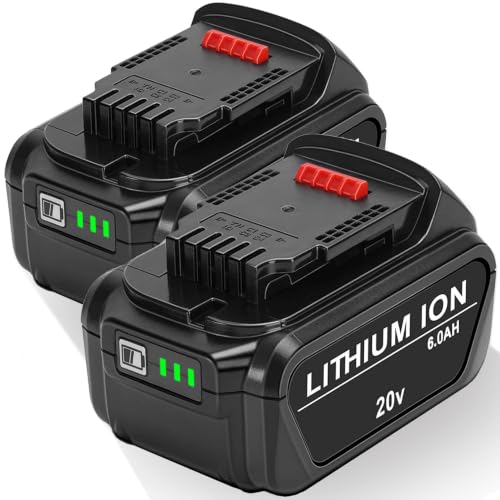

When your car has no power despite a good battery, pinpointing the specific faulty electrical component requires systematic testing beyond basic visual checks. These components are frequently responsible for cutting off power flow.
Evaluate Ignition Switch
A failing ignition switch can prevent power from reaching essential systems, even if the battery is good. When you turn the key, you might get absolutely nothing, or perhaps very dim dashboard lights. To test, use a multimeter to check for voltage at the main power wire connecting to the ignition switch, then again at the output wires as you turn the key.
[VISUAL AID NEEDED: Diagram of ignition switch wiring for common car models]
No power coming out when the key is turned indicates a faulty switch. This often requires professional intervention or specific repair skills due to complex wiring. For further troubleshooting, refer to this detailed Chilton’s repair manual section on ignition systems.
Inspect Starter Solenoid
The starter solenoid is a high-current relay that engages the starter motor. If you hear a single click when turning the key, but no crank, the solenoid might be faulty, or it may not be receiving enough power. Locate the starter solenoid, often mounted on the starter motor itself. [VISUAL AID NEEDED: Photo of starter solenoid location]
With the car off and in park/neutral, use a test light or multimeter to check for voltage at the small signal wire when the key is turned to ‘start.’ Then, check for voltage across the main terminals. A good solenoid typically has resistance values between 0.2 and 0.5 ohms between the terminals when disengaged .
Test Main Power Relay
Modern vehicles use various relays to control power to different systems. The main power relay (or main relay) supplies electricity to the engine control unit (ECU) and other crucial circuits upon ignition. A faulty main relay can result in a completely dead car.
Find the main relay in your fuse box, typically labeled “MAIN” or “ECM.” [VISUAL AID NEEDED: Diagram showing main power relay location in fuse box] You can often test a relay by swapping it with an identical, non-critical relay (like for the horn) to see if the problem resolves.
Listen for an audible click from the relay when the ignition is turned on, indicating it’s attempting to engage.
Assess Charging System
While your battery might be good now, a failing alternator or voltage regulator could have caused it to drain during previous use, leading to a no-power situation. Once jump-started, if the car immediately dies or struggles, the charging system is suspect. Use a multimeter to check the voltage across the battery terminals with the engine running.
A healthy charging system should produce 13.5V to 14.5V. Anything outside this range suggests an alternator problem, which can lead to a dead battery and no power. Addressing alternator replacement promptly is vital for preventing future issues.
Once you have identified a potential culprit, understanding how to address it safely is the next crucial step.
3 Actionable Solutions for No Power Issues
After diagnosing the root cause of your car having no power but a good battery, these 3 actionable solutions address the most frequent issues directly. Performing these fixes correctly can restore power and prevent future breakdowns.

Clean Corroded Terminals
Cleaning corroded battery terminals is a simple yet effective fix. First, disconnect the negative battery cable, then the positive. Use a wire brush and a battery terminal cleaner solution (or a mixture of baking soda and water) to scrub away all corrosion from both terminals and the battery posts.
[VISUAL AID NEEDED: Photo of tools for cleaning battery terminals (wire brush, terminal cleaner)]
Rinse with water and dry thoroughly. Reconnect the positive cable first, then the negative, ensuring both are tight. Applying a dielectric grease can help prevent future corrosion. This ensures a clean, conductive path for electricity.
Replace Blown Fuses
Replacing a blown fuse is straightforward but requires matching the amperage. First, identify the correct fuse from your vehicle’s fuse box diagram. Use a fuse puller, often found in the fuse box lid, to carefully remove the blown fuse. [VISUAL AID NEEDED: Photo demonstrating how to use a fuse puller]
Insert a new fuse of the exact same amperage rating; never use a higher-rated fuse, as this can cause severe electrical damage or fire. If the new fuse blows immediately, a short circuit exists elsewhere in the system, requiring further diagnosis.
Secure Ground Wires
A secure ground connection is paramount for your car’s electrical system. Locate the main ground strap from the battery to the chassis and engine block. Disconnect the ground wire from its connection points. Use a wire brush or sandpaper to clean any rust, paint, or corrosion from both the cable’s terminals and the metal surfaces where it attaches.
Ensure these contact points are bright and shiny. Reattach the ground wire securely with the appropriate wrench, making sure it is tight and firm. This restores a reliable return path for electricity, often resolving power issues immediately.
While many issues are DIY-friendly, certain circumstances warrant professional intervention for your safety and vehicle’s integrity.
When to Seek Professional Car Mechanic Help
Even after diligent troubleshooting, knowing when to call a professional mechanic is crucial for issues where your car has no power but the battery is good. Complex electrical problems can be dangerous and costly to mishandle.
Persistent Problem Signs
If you have followed all troubleshooting steps and your car still has no power, or if the issue is intermittent and reoccurs frequently, it is time for professional help. Persistent electrical gremlins often point to deeper, more complicated faults like a failing wiring harness, problematic ECU, or a complex short circuit. These are beyond most DIY capabilities.
Complex Diagnostic Needs
Many modern vehicles rely heavily on intricate electronic control units and sensors. Diagnosing these components often requires specialized diagnostic tools and software that only a professional shop possesses. If your issue involves strange error codes, or if component testing yields inconclusive results, a mechanic can perform advanced diagnostics.
Safety Risk Indicators
Never hesitate to call a professional if you observe burning smells, smoke, melting wires, or excessive heat from any electrical component. These are serious safety hazards that could lead to a vehicle fire. Similarly, if you are uncomfortable working with high-current electrical systems, or if the problem involves airbags or ABS systems, defer to an expert.
Understanding Repair Costs
Professional electrical diagnostics can range from $100 to $200, depending on your region and the complexity . Full repairs, if they involve major components like an ECU or wiring harness, could be several hundred to over a thousand dollars.
Obtain a clear estimate before any work begins. Sometimes, the cost of expert repair outweighs the time and risk of DIY attempts.
Understanding these critical steps for diagnosing a car with no power but a good battery empowers you to address problems effectively.
How to Prevent Future Electrical Power Loss
Preventing future occurrences of your car having no power but a good battery involves consistent maintenance and proactive electrical system care. A little vigilance now can save significant frustration later.
Follow Service Schedule
Adhering to your vehicle’s manufacturer-recommended service schedule is fundamental. Regular inspections can catch potential electrical issues before they escalate. Mechanics check battery health, terminal condition, and overall system integrity during routine maintenance. Timely check-ups can identify corroding components or fraying wires that might eventually cause a no-power scenario. We recommend checking your owner’s manual for specific maintenance intervals.
Maintain Battery Health
The battery is the heart of your electrical system. Regularly inspect its terminals for corrosion and clean them as needed, even if they appear fine. Ensure the battery is securely fastened to prevent vibration damage to internal components. If your car sits for extended periods, consider using a trickle charger to maintain optimal charge, preventing deep discharge cycles that shorten battery life.
Check Electrical Connections
Periodically, visually inspect easily accessible electrical connections under the hood and in the fuse boxes. Look for any loose wires, signs of wear, or corrosion on connectors. Gently wiggle connections to ensure they are snug. Pay particular attention to ground straps, ensuring they remain clean and tightly bolted to the chassis.
A quick visual check can identify potential problems before they lead to a complete power loss.
Get Periodic Inspections
Consider a professional electrical system inspection every 2-3 years, especially as your vehicle ages. An automotive electrician can perform specialized tests to check for subtle shorts, parasitic drains, or failing components that are not immediately obvious. These preventative checks can identify weaknesses in your charging or starting systems before they leave you stranded.
The recommended frequency for such inspections varies but typically aligns with major service intervals .
By systematically addressing these common issues and implementing preventative measures, you can avoid the frustration of a car that has no power but a good battery.
What to Do Next Keep Your Car Reliable
Experiencing your car with no power but a good battery can be a daunting situation, yet it’s often a solvable problem. We have guided you through the most common diagnostic steps and actionable solutions, from inspecting terminals and fuses to evaluating more complex components like the ignition switch or starter solenoid.
safety is paramount when working with your vehicle’s electrical system.
By taking a systematic approach, you can identify and often rectify these issues yourself. However, we have also emphasized the critical importance of knowing when to seek professional help. Complex electrical problems, safety concerns, or persistent issues are best left to qualified mechanics. Preventative maintenance, like regular battery checks and terminal cleaning, remains your best defense against future power loss.
Empower yourself with this knowledge for a more reliable driving experience in 2026 and beyond.
5 Common Questions About No Car Power
Why Does My Car Have No Power but the Battery Is Still Good?
Your car likely has no power despite a good battery due to a break in the electrical circuit, preventing current flow. Common causes include loose or corroded battery terminals, a blown main fuse, a faulty ground connection, or a failing ignition switch or main power relay. The battery might be charged, but power cannot reach necessary components.
How Can I Check If a Fuse Is Blown Without a Tester?
You can visually inspect many fuses by pulling them out and looking for a broken wire or blackened area inside the plastic casing. If the metal strip inside the fuse is separated or burnt, it is blown. This method works for common blade or glass tube fuses, but a fuse tester is more reliable.
Can a Bad Starter Motor Cause No Power at All?
A bad starter motor itself usually will not cause the entire car to have absolutely no power. If the starter is the sole issue, you might hear a click or dim lights, but the dashboard and other electrical accessories would still function. A short within the starter circuit could potentially drain power, but this is less common.
What Does a Car’s Main Relay Do?
A car’s main relay acts as a master switch, supplying power to crucial systems like the engine control unit (ECU), fuel pump, and ignition system when the key is turned on. If this relay fails, it can prevent power from reaching these essential components, leading to a complete lack of power or a no-start condition.
When Should I Call a Tow Truck for an Electrical Problem?
Call a tow truck if your car remains completely dead after performing basic troubleshooting steps, if you suspect a major electrical fault that could damage the vehicle further, or if you are uncomfortable working with high-voltage components. Any signs of smoke, burning smells, or extreme heat also warrant immediate professional assistance and towing.