Real Signs Your Car Battery Is Dying 2026 Step-by-Step Guide
Last Updated on September 1, 2026 by Ryan
Recognizing the signs your car battery is dying can save you from being stranded. Common indicators include slow engine cranking, dim lights, clicking noises, or a battery warning light appearing on your dashboard.
Knowing the signs your car battery is dying is crucial for every driver, preventing unexpected breakdowns. A failing battery can leave you stranded at the most inconvenient times, impacting your daily commute or a planned road trip. Early detection allows you to address the problem proactively, saving you time, money, and stress.
This comprehensive guide for 2026 will equip you with the knowledge to identify common symptoms, accurately test your battery’s health, and understand factors that shorten its life. We empower you to make informed decisions about maintenance and replacement. We will explore these critical indicators, ensuring you know exactly what to look for.
Key Takeaways


- Slow cranking is a primary warning.
- Electrical issues point to low power.
- Corrosion and swelling are visual cues.
- Testing voltage confirms battery health.
- Replace old batteries proactively.
9 Unmistakable Symptoms of a Failing Car Battery
Recognizing the initial signs your car battery is dying can prevent being stranded. These indicators range from subtle changes in your car’s behavior to more obvious electrical malfunctions. Paying attention to these warnings can help you act before your battery gives out completely.


Slow Engine Crank
One of the most common indicators of a failing battery is a slow engine crank. When you turn the key, the engine struggles to turn over, sounding sluggish and labored. This happens because the battery lacks sufficient power to deliver the strong burst of current needed to start the engine efficiently. This often worsens in cold weather.
Clicking Sounds Heard
If you hear a rapid clicking sound when trying to start your car, it typically points to an underpowered battery. The starter motor requires a specific voltage to engage properly. When the battery’s voltage is too low, it can only send enough power to activate the starter solenoid, causing the clicking, but not enough to actually crank the engine.
Dim Lights Inside
Noticeably dim headlights or interior cabin lights, especially when the engine is off or cranking, signal insufficient battery power. A healthy car battery maintains a steady voltage. A dying battery struggles to supply consistent power, causing electrical components like lights to appear dimmer than usual due to lower voltage output.
Warning Light On
Your dashboard’s battery warning light illuminates when your vehicle’s charging system detects an issue. This light does not necessarily mean the battery itself is bad. It can indicate a problem with the alternator, loose battery cables, or the battery failing to hold a charge. Always investigate this warning promptly for proper car diagnostics.
Foul Odor Present
A rotten egg or sulfur-like smell originating from under the hood often indicates a leaking or overcharged battery. Overcharging can cause the battery’s internal components to heat up, leading to the release of hydrogen sulfide gas. This corrosive gas is a serious warning sign and requires immediate attention to prevent further damage.
Corroded Battery Terminals
White, blue, or greenish powdery substance building up on your battery terminals signifies corrosion. This buildup hinders the flow of electricity between the battery and the vehicle’s electrical system, making it harder to start the car and reducing the battery’s charging efficiency. Regular cleaning of terminals is crucial for battery health.
Battery Case Swollen
A swollen or bulging battery case is a clear sign of internal damage, often caused by excessive heat, overcharging, or freezing. This can lead to internal short circuits or even rupture. If you observe a swollen battery, it is unsafe and needs immediate replacement by a qualified professional due to potential acid leaks or explosion risks.
Electrical Glitches Observed
Intermittent electrical problems, such as a radio losing presets, power windows operating slowly, or dashboard lights flickering, can be attributed to a weak battery. A struggling battery provides inconsistent voltage, which can confuse or underpower various electronic control units and accessories throughout your vehicle.
Frequent Jump Starts Needed
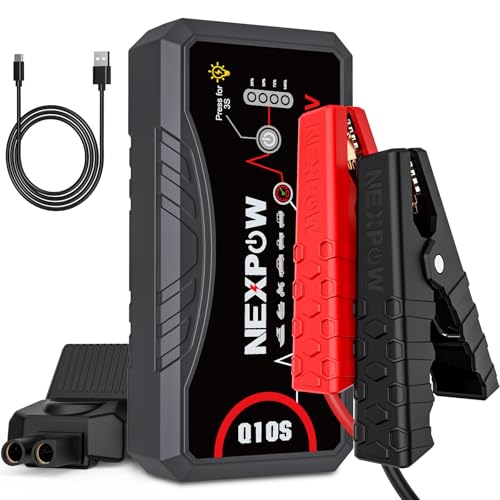
If you find yourself needing to jump-start your car regularly, it’s a definitive sign your battery is on its last legs. A healthy battery should hold a charge reliably. Frequent jump-starts indicate the battery can no longer retain enough power to start the engine on its own, signaling its imminent failure and the need for replacement.
Once you’ve identified potential symptoms, the next crucial step involves confirming your suspicions with concrete tests.
How to Accurately Test Your Car Battery’s Health
Confirming a dying car battery requires a few straightforward diagnostic steps you can perform yourself. These tests help to differentiate between a weak battery and other potential automotive problems, guiding you toward the correct solution without guesswork.
Check Voltage Output
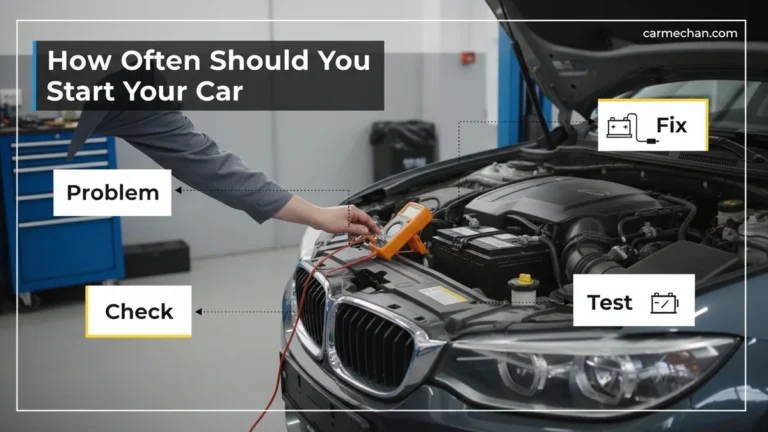
You can check your battery’s voltage with a multimeter. Connect the red probe to the positive terminal and the black probe to the negative terminal. A fully charged, healthy battery should read around 12.6 volts or higher when the engine is off .
If the reading is below 12.4 volts, your battery needs a charge. A reading at or below 12.0 volts indicates a battery that is only 50% charged or less, suggesting a deeper problem.
Perform a Load Test
A load test assesses how well your battery maintains voltage under demand. While professional mechanics use specialized load testers, you can perform a basic check at home. Turn on your headlights for about 10-15 minutes with the engine off. Then, try to start the car.
If the engine cranks slowly or the lights dim significantly, the battery likely struggles under load, indicating a weakened state.
Inspect Physical Condition
Beyond checking for corrosion, a thorough visual inspection is vital. Look for any cracks, bulges, or leaks on the battery casing. Ensure the battery is securely mounted in its tray, as excessive vibration can shorten its life. Check that the battery cables are tight and free of damage, ensuring optimal connection. Any physical damage usually warrants immediate replacement.
While these tests help diagnose battery health, it’s equally important to distinguish battery problems from other common car issues.
Battery or Alternator Which Component Is Faulty?
Distinguishing between a dying battery, a failing alternator, or a faulty starter motor is critical for correct diagnosis. These components work together in your car’s starting and charging system, but their failure symptoms differ significantly.

Identify Battery Problems
Battery-specific issues often manifest when trying to start the car after it has been sitting for a while. A common sign is a slow crank or a series of rapid clicks without the engine turning over. If the car starts fine with a jump but then struggles again after being off, it points to the battery’s inability to hold a charge.
Dim lights before starting also indicate a weak battery.
Spot Alternator Issues
The alternator charges the battery while the engine runs and powers electrical components. If your car dies while driving or experiences significant electrical issues like dimming lights, a malfunctioning radio, or flickering dashboard lights while the engine is running, it’s often an alternator problem. The battery warning light staying illuminated after the car has started is a strong indicator of a failing alternator, as it signifies a charging system fault.
Understand Starter Symptoms
The starter motor is responsible for rotating the engine to begin the combustion process. If you turn the key and hear a single, loud click followed by nothing, or no sound at all, even with bright dashboard lights, the problem might be with the starter motor rather than the battery.
A starter issue means the battery is supplying power, but the starter unit itself cannot engage the engine effectively.
Understanding these distinctions also helps in recognizing what factors contribute to your battery’s overall lifespan.
7 Key Factors Shortening Car Battery Lifespan
Multiple factors contribute to the eventual decline and failure of a car battery. Understanding these influences can help you take preventative measures to extend your battery’s life and avoid unexpected issues.
Extreme Weather Conditions
Both extreme heat and cold significantly impact battery health. High temperatures accelerate the chemical reactions inside the battery, leading to quicker degradation and evaporation of electrolytes. Cold weather reduces the battery’s cranking power, making it harder to start the engine and increasing the strain on the battery, especially in winter 2026.
Frequent Short Trips
Taking many short drives, particularly those under 20 minutes, prevents the alternator from fully recharging the battery. This consistent state of undercharging leads to sulfation, where sulfate crystals build up on the battery plates, reducing its capacity and lifespan. Longer drives are needed to maintain a full charge.
Accessory Drain Left
Leaving accessories like headlights, interior lights, or the radio on when the engine is off can quickly drain the battery. Even small parasitic drains from devices plugged into the accessory port can slowly discharge the battery over time. This deep discharge shortens the battery’s overall life and can prevent it from recharging fully.
Loose Cable Connections
Loose or corroded battery cable connections impede the proper flow of electricity. This not only makes it harder for the car to start but also prevents the battery from receiving a full charge from the alternator. Regularly checking and cleaning these connections ensures efficient power transfer and charging.
Lack of Maintenance
For conventional lead-acid batteries, a lack of maintenance, such as not checking electrolyte levels or failing to clean corrosion from terminals, can severely shorten its life. While many modern batteries are “maintenance-free,” keeping terminals clean remains a universal good practice for all battery types.
Battery Age Old
All car batteries have a finite lifespan. On average, most car batteries last between three to five years . Beyond this age, the internal components naturally degrade, making the battery less efficient and more prone to failure.
Proactive replacement is often recommended as batteries approach this age limit.
Faulty Charging System
Problems with your car’s charging system, particularly a malfunctioning alternator or voltage regulator, can either undercharge or overcharge the battery. Undercharging leads to sulfation, while overcharging can cause internal damage, excessive heat, and premature failure. Regular checks of your charging system are essential for battery longevity.
Knowing these contributing factors helps you consider when the ideal time might be to replace your car battery proactively.
When to Replace Your Car Battery for Safety
Deciding when to replace your car battery involves evaluating its age, performance, and overall condition. Proactive replacement can prevent inconvenient breakdowns and ensure your vehicle remains reliable, especially in critical driving situations.
Assess Battery Age
Most car batteries have a lifespan of three to five years. If your battery is approaching or has exceeded this age, consider proactive replacement, even if it seems to be working fine. This is particularly important before the onset of extreme weather, such as winter in 2026, when battery performance is most challenged.
A fresh battery provides peace of mind and reliable starting.
Note Performance Decline
Pay close attention to recurring symptoms like slow engine cranking, dimming lights, or needing frequent jump-starts. These are definitive signals that your battery’s performance is declining significantly. Ignoring these signs can lead to being stranded at an inopportune moment. A battery that struggles consistently is likely nearing the end of its functional life.
Consult a Technician
When in doubt, consult a professional automotive technician. They possess specialized tools to perform comprehensive diagnostic tests, including advanced load tests and charging system checks, which offer a more precise assessment of your battery’s health. They can confirm if a replacement is necessary or if another component, like the alternator, is the actual culprit.
Basic car battery care, including keeping terminals clean, also helps extend its life.
Understanding these critical junctures ensures your vehicle remains reliable, and we will now address some frequently asked questions about battery performance.
Identifying the signs your car battery is dying early is a smart move for any car owner in 2026. From subtle electrical glitches to obvious starting problems, these indicators provide crucial warnings. Taking proactive steps, whether it’s performing simple tests or understanding factors that shorten battery life, empowers you to maintain your vehicle’s reliability.
Don’t wait until you’re stranded; a little awareness goes a long way in keeping you safely on the road.
Five Common Questions About Car Battery Health
How Long Does a Car Battery Usually Last?
A typical car battery lasts between three to five years, though this can vary. Factors like driving habits, climate, and maintenance significantly impact its lifespan. Regular checks can help extend its utility beyond the average, but proactive replacement is often advised after four years.
Can I Jump-start a Completely Dead Car Battery?
Yes, you can often jump-start a completely dead car battery, assuming it’s not physically damaged. However, a completely drained battery might indicate an underlying issue, such as an alternator problem or the battery’s end of life. Seek professional assessment afterward to avoid future issues.
What Does a Car Battery Warning Light Mean?
A car battery warning light on your dashboard typically indicates an issue with your vehicle’s charging system, not just the battery itself. This could mean a faulty alternator, loose battery cables, or a failing battery unable to hold a charge. It warrants immediate inspection by a mechanic.
Is It Bad to Let My Car Battery Die Completely?
Yes, letting your car battery die completely is detrimental to its lifespan. Each deep discharge cycle reduces the battery’s overall capacity and ability to hold a charge effectively. Repeated deep discharges accelerate internal damage, making it harder for the battery to recover fully, and shorten its total functional life.
What Maintenance Extends a Car Battery’s Life?
Regular maintenance can extend your car battery’s life significantly. Keep the terminals clean and free of corrosion. Ensure the battery is securely mounted to prevent vibrations. For traditional batteries, check and maintain electrolyte levels. Avoiding frequent short trips and keeping the battery charged are also key.