Nissan Rogue Years to AVOID: Reliability Warnings & CVT Issues
Last Updated on September 1, 2026 by Ryan
The Nissan Rogue model years from 2007-2015 and 2017-2018 are frequently cited for significant reliability issues, primarily related to their Continuously Variable Transmissions (CVT). These specific years often experience premature CVT failure, expensive engine problems, and significant electrical glitches, making them potentially costly to own and challenging to maintain.
🎯 Key Takeaways


- Avoid 2007-2015 & 2017-2018 Rogues due to widespread CVT problems.
- CVT transmission failure is the most common and costly issue.
- Always demand service records showing CVT replacement/maintenance.
- Newer Nissan Rogue models (2019+) generally offer improved reliability.
- Get a pre-purchase inspection by a trusted mechanic for any used Rogue.
If you’re considering a used ROGUE” target=”_blank” rel=”noopener noreferrer” title=”Nissan Rogue Recalls and Complaints Data from NHTSA”>Nissan Rogue, understanding its reliability track record based on the model year is absolutely critical. Certain years are notorious for significant, costly reliability issues that can quickly turn a good deal into a financial headache. Specifically, the 2008-2016 models, along with several years within the 2014-2018 range, stand out as having widespread problems, primarily centered around their continuously variable transmissions (CVTs).

Knowing which Nissan Rogue years to avoid can literally save you thousands in unexpected repairs and a great deal of personal frustration. This guide will equip you with the essential knowledge to make an informed purchasing decision, focusing directly on the specific model years and the primary, high-cost mechanical failures that plague them, preventing you from inheriting someone’s expensive, underlying problems.
The Most Problematic Nissan Rogue Years and Their Core Issues


First-Generation Woes: 2008-2013
The inaugural years of the Nissan Rogue, from 2008 to 2013, are consistently flagged by owners and automotive experts alike as having major reliability shortcomings. The defining Achilles’ heel for these models is undeniably the first-generation CVT transmission. You’re not just looking at minor inconveniences; these are often catastrophic failures that can leave you stranded.
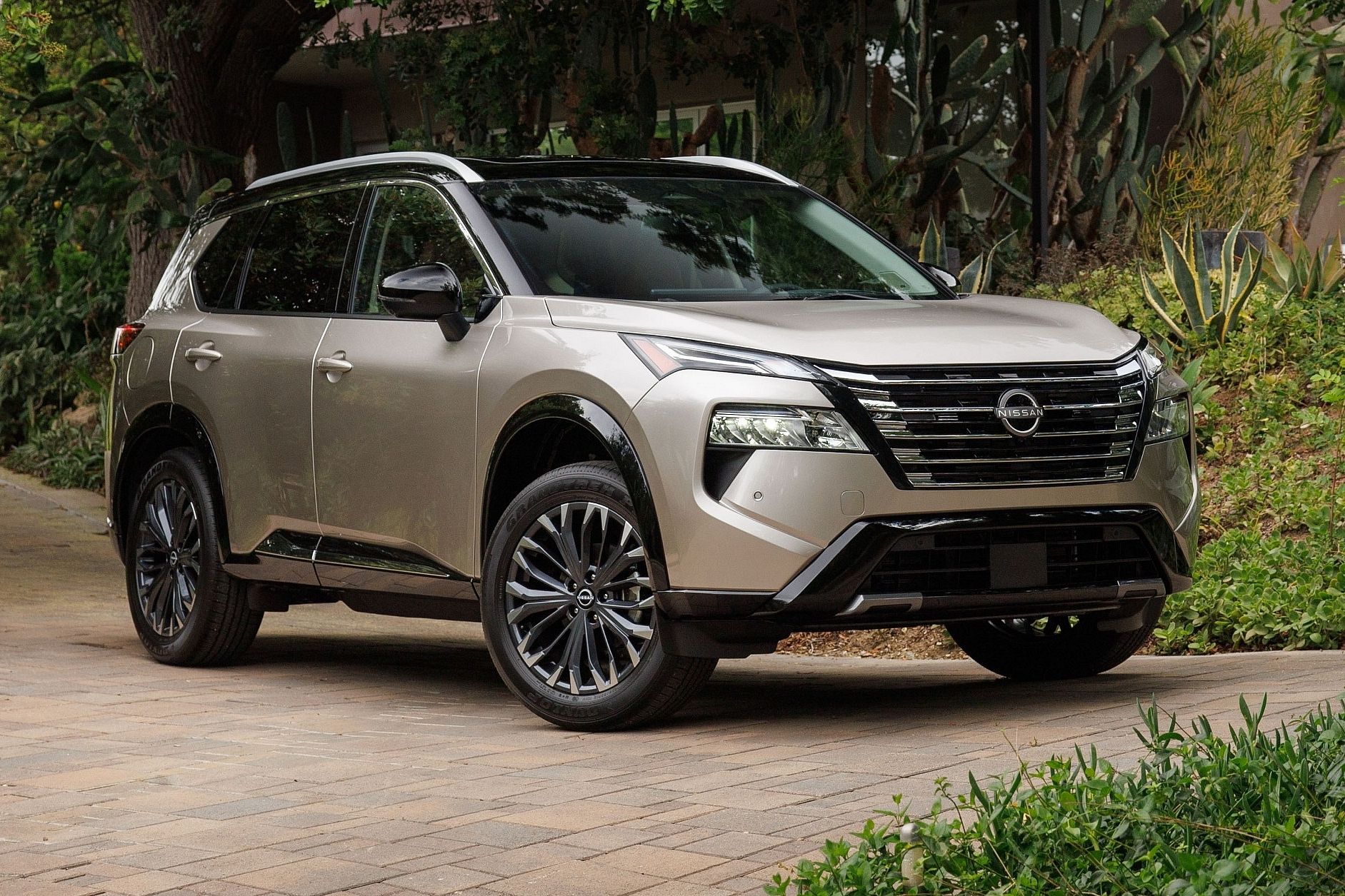
- 2008-2013 Nissan Rogue: Exhibits a very high incidence of catastrophic CVT failure, frequently requiring a complete and expensive unit replacement.
- Engine Problems: Reports of excessive engine oil consumption emerge, particularly in later years of this generation, which can lead to premature engine wear and potential damage if not rigorously monitored.
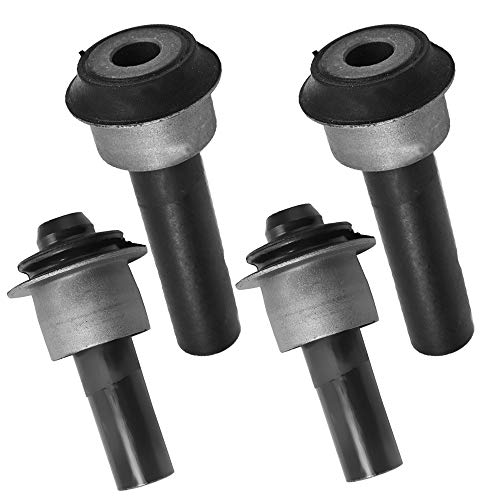
- Suspension Issues: Owners often face premature wear of key suspension components, such as control arms, struts, and wheel bearings, adding unexpected and significant repair bills.
Second-Generation Headaches: 2014-2018
While Nissan introduced a redesigned second generation in 2014, aiming for improved reliability, the shadow of the problematic CVT continued to loom large. Despite internal revisions, the fundamental design weaknesses persisted, leading to widespread transmission problems similar to the first generation. This era also saw an uptick in various electrical glitches.
- 2014-2016 Nissan Rogue: The CVT remained a primary concern, with many owners reporting distinct failure symptoms well before reaching 100,000 miles. These model years are especially plagued by complaints of transmission shuddering, slipping, and complete breakdowns.
- 2017-2018 Nissan Rogue: Though perhaps marginally improved, the CVT issues were not fully resolved. You will still find numerous owner reports of transmission faults and failures, often occurring around the 80,000 to 120,000-mile mark.
- Electrical System Problems: These years frequently exhibit frustrating issues with the HVAC system, navigation screens freezing or becoming unresponsive, and premature power window motor failures, indicating broader electrical system vulnerabilities.
Deep Dive into Common Reliability Problems: CVT, Engine, and Electrical

The Costly CVT Catastrophe
The Continuously Variable Transmission (CVT) is, without question, the most significant financial risk when considering a problematic Nissan Rogue year. Unlike traditional geared automatics, Nissan’s specific CVT design proved particularly prone to overheating and premature internal wear, especially under strenuous driving conditions or if fluid maintenance was neglected. The warning signs are often clear and almost always precede a complete, debilitating failure.
- Common Symptoms You Might Encounter:
- Noticeable shuddering or jerking sensations during acceleration or at consistent speeds.
- A distinct hesitation or feeling of slipping, as if the transmission is struggling to engage.
- Unusual whining, grinding, or buzzing noises emanating from the transmission area.
- Sudden and unexpected loss of power, often forcing the vehicle into a restricted “limp mode” for safety.
- Catastrophic and complete transmission failure, rendering the vehicle utterly undrivable.
- Exorbitant Repair Costs: A full CVT replacement is an exceptionally expensive repair. You can typically expect to pay anywhere from $3,500 to $5,500 or even more for parts and labor, depending on the specific shop, your location, and whether you opt for a new or remanufactured unit. Simply flushing the fluid offers no solution for worn internal components.
- Significant Safety Implications: The potential for sudden loss of power or complete transmission failure poses a serious safety hazard, particularly when driving at highway speeds or attempting to merge into traffic.
Engine Oil Consumption and Electrical Gremlins
Beyond the infamous CVT, certain Rogue years are plagued by other significant issues that can quickly drain your wallet and patience. Excessive engine oil consumption, primarily affecting the 2.5L QR25DE engine, is a widely documented concern. This isn’t merely about adding oil; it strongly indicates internal engine wear, specifically related to piston rings, and if left unaddressed, can lead to severe and irreparable engine damage.
- Excessive Oil Consumption: What to Watch For:
- You might find yourself needing to add oil frequently, often several quarts between scheduled oil changes.
- Visible blue smoke emitting from the exhaust pipe, especially during acceleration or after idling.
- The low oil pressure warning light illuminates prematurely, indicating a dangerous lack of lubrication.
- Repairing this issue typically involves complex engine work, ranging from a costly engine rebuild to a full engine replacement, which can easily exceed $4,000-$7,000.
- Persistent Electrical System Issues: Owners of 2014-2018 models frequently report a frustrating array of electrical glitches. These can include malfunctioning infotainment systems, unresponsive touchscreens, erratic air conditioning and heating controls, and unreliable power windows. While perhaps less critical than a CVT failure, these problems can be both expensive and notoriously difficult to accurately diagnose and repair, significantly diminishing your ownership experience.
Identifying Symptoms: What to Look Look For During Inspection and Test Drive
Even if you’re looking at a Nissan Rogue from a generally “better” year, vigilance is key. CVTs, in particular, can be tricky, and their problems often manifest in subtle ways before becoming catastrophic. Knowing what to listen and feel for can save you a world of trouble and expense.

Warning Signs of CVT Trouble
During your test drive, pay extremely close attention to how the transmission behaves. The CVT should operate smoothly, without any noticeable “shifts” or hesitations. Here are critical symptoms of a failing or problematic CVT:
- Sluggish Acceleration: Does the car struggle to gain speed, even when you press the gas pedal firmly? It might feel like it’s slipping or simply lacking power.
- High RPMs Without Speed Gain: Watch the tachometer. If the engine revs unusually high (e.g., 4,000+ RPM) but the car isn’t accelerating proportionally, that’s a classic sign of CVT slippage.
- Grinding, Whining, or Hissing Noises: A healthy CVT should be relatively quiet. Any unusual mechanical noises, especially a distinct whine that changes with speed, could indicate internal wear.
- Shuddering, Jerking, or Hesitation: The car shouldn’t vibrate or “judder” when accelerating or at a stop. Likewise, any hesitation or lurching is a red flag.
- "Limp Mode" Activation: While rare during a test drive, some Rogues with failing CVTs will enter a "limp home" mode, severely limiting speed and power to prevent further damage.
Beyond the Transmission: Other Red Flags
While the CVT is a primary concern, don’t forget other common issues that can plague any used vehicle, including the Rogue. A thorough inspection goes beyond just the drivetrain:
- Suspension Noises: Listen for clunks, squeaks, or groans when going over bumps or turning. These could indicate worn struts, bushings, or ball joints – common wear items.
- Electrical Glitches: Test all power windows, the infotainment system, air conditioning, and dashboard lights. Rogue owners have reported issues with these systems in various model years.
- Rust Spots: Especially if you live in a region with harsh winters, check wheel wells, rocker panels, and the undercarriage for excessive rust.
- AC Performance: Ensure the air conditioning blows cold and consistently. AC issues can be costly to repair.
A pre-purchase inspection (PPI) by an independent mechanic is your best defense against hidden problems. They can spot issues that even a careful test drive might miss.
Comparing Rogue Generations: Reliable Years vs. Those to Avoid
Understanding the generational differences in the Nissan Rogue can help you narrow down your search. While no car is perfect, some iterations have proven to be more problematic than others, primarily due to evolving (or not evolving fast enough) CVT technology.
The First & Second Generations: A Mixed Bag
The first generation Nissan Rogue (2008-2013) and the early years of the second generation (2014-2020) are where most of the CVT warnings originate. If you’re considering a used Rogue from these periods, approach with extra caution:
- 2008-2016: The Peak of CVT Concerns: These model years, encompassing the entire first generation and the initial years of the second, are most frequently cited for premature CVT failures. The specific CVT unit used during this period proved to be prone to overheating and internal component wear.
- 2017-2020: Some Improvements, Still Vigilant: Nissan did implement revisions to its Xtronic CVT and powertrain management systems in later second-generation models, particularly from 2017 onwards. While these years generally show a decrease in the absolute worst CVT complaints compared to earlier models, issues were not entirely eliminated. It’s still crucial to perform due diligence and consider a professional inspection.
If you find a well-maintained example from these years, especially a later second-gen model, ensure it has a robust service history showing regular CVT fluid changes – this is absolutely vital for longevity.
Looking Ahead: Newer Rogue Models
The third generation Nissan Rogue, introduced for the 2021 model year, brought significant changes that aim to address past reliability concerns:
- 2021-Present: Redesigned and Re-engineered: The 2021 Rogue received a comprehensive redesign, including a new 2.5-liter engine paired with a revised Xtronic CVT. This new generation of CVT is intended to be more robust and efficient than its predecessors. For the 2022 model year, Nissan even introduced a new 1.5-liter variable-compression turbocharged three-cylinder engine, also mated to an updated CVT, promising better performance and fuel economy.
While it’s still relatively early in their lifecycle to definitively declare these newer models completely free of long-term CVT issues, initial reports suggest a much more promising outlook. These generations benefit from Nissan’s continued efforts to improve their CVT technology based on years of feedback and engineering adjustments. If your budget allows, a third-generation Rogue might offer greater peace of mind regarding powertrain reliability.
Making an Informed Decision About Your Nissan Rogue
Navigating the used car market, especially when a specific model has a known Achilles’ heel, can feel daunting. However, armed with the right knowledge, you’re significantly better positioned to make a smart choice about a Nissan Rogue.
Remember, the 2008-2016 model years, and to a lesser extent, up to 2020, carry the most significant risks for CVT-related problems. If you’re considering a Rogue from these years, a meticulous test drive and a comprehensive pre-purchase inspection by a trusted mechanic are not just recommendations—they are necessities. Look for signs of transmission trouble, listen for unusual noises, and always prioritize a complete service history.
By focusing on potentially more reliable later models or ensuring thorough due diligence on earlier ones, you can increase your chances of finding a Nissan Rogue that serves you well for years to come. Your careful research today will pay off with peace of mind on the road tomorrow.
❓ Frequently Asked Questions
Why are 2007-2015 Nissan Rogue models particularly problematic?
These early generations utilized a CVT design prone to overheating and premature failure due to fluid breakdown and internal component wear. Owners frequently reported shuddering, slipping, and complete transmission failure, often leading to costly repairs that sometimes exceeded the vehicle’s value.
What specific engine problems affect the Nissan Rogue ‘years to avoid’?
While CVT issues are dominant, some problematic Rogue years, particularly those with the 2.5L QR25DE engine, have also seen reports of excessive oil consumption, timing chain stretching, and engine knocking. These engine concerns can exacerbate overall reliability woes and contribute to high maintenance costs.
How much does it cost to fix a Nissan Rogue CVT if it fails?
Replacing a Nissan Rogue’s CVT can be very expensive, typically ranging from $3,500 to $5,000 or more, including parts and labor. This significant cost often makes the repair financially unfeasible for older models with lower market values.
Are there any ‘good’ Nissan Rogue years to consider instead for reliability?
Yes, if considering a used Rogue, model years 2019, 2020, and newer generally show improved reliability with revised CVT designs and fewer reported major issues. The 2016 model year also stands out as a relatively better option within its generation.
What should I look for when test driving a potentially problematic Nissan Rogue model year?
During a test drive, pay close attention to the transmission: ensure smooth, consistent acceleration without any shuddering, whining, or jerking. Check for proper response when shifting into drive and reverse, and listen for any unusual engine noises or warning lights on the dashboard.
Does Nissan offer extended warranties or recalls for these known CVT issues?
Nissan has historically offered extended warranty coverage for the CVT on certain models and years (e.g., 10 years/120,000 miles for specific vehicles). It’s crucial to check the specific VIN of any Rogue you’re considering for active recalls or service campaigns related to the transmission or other major components.