2015 Chrysler 200 TPMS Reset Button Location Clarified
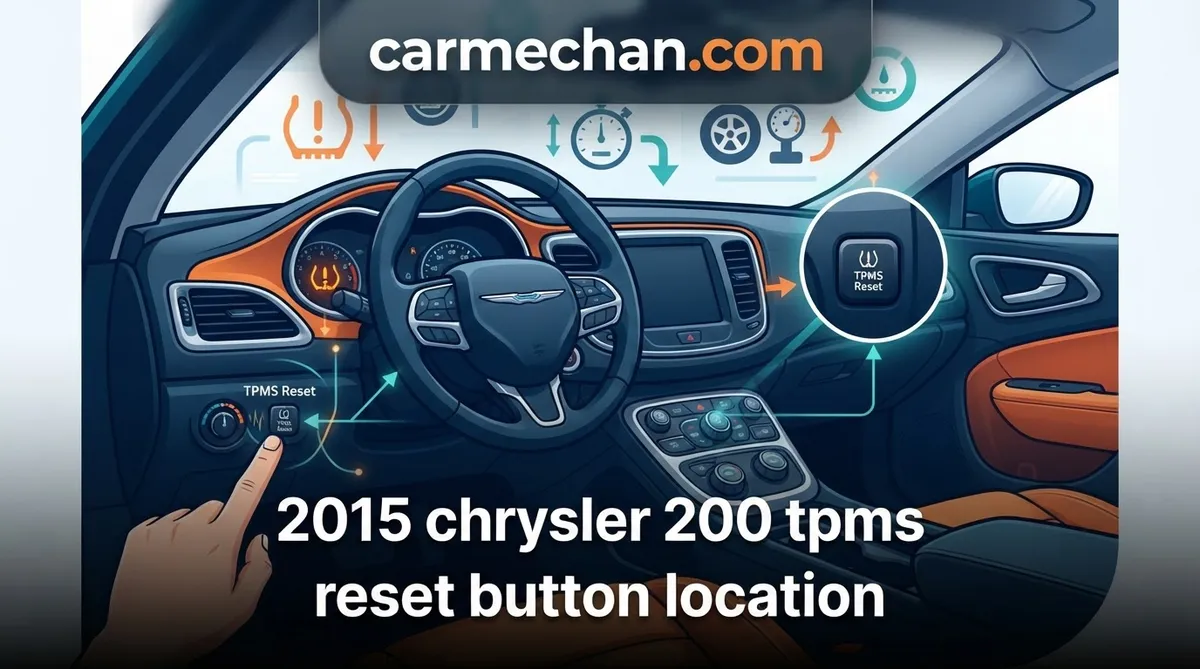
Seeing that annoying tire pressure light on your 2015 Chrysler 200 dashboard can be stressful, especially when you are searching for a reset button that simply isn’t there. Many owners waste valuable time scouring the glove box, dashboard, or center console for a dedicated “TPMS Reset” button that does not exist on this specific model year. In this guide, we will clear up the confusion regarding the 2015 Chrysler 200 TPMS reset button location myth and provide you with the exact, proven steps to clear your warning light through the vehicle’s automatic relearn process.

Understanding the 2015 Chrysler 200 TPMS Reset Button Location Myth
Recommended Best Deal Products


📤 Share Image
Why No Physical Reset Button Exists
The search for a manual trigger is a byproduct of legacy automotive design. In older vehicles, manufacturers often included a physical “set” button to force the system to establish a baseline for tire circumference or pressure. However, the 2015 Chrysler 200 employs a modern, fully integrated Tire Pressure Monitoring System (TPMS). This architecture was designed to be “invisible” to the driver, prioritizing automation over manual intervention. Because the sensors constantly transmit real-time data to the vehicle’s Wireless Control Module, there is no need for a manual reset switch.

How the RF Hub Communicates Tire Pressure
The heart of your tire monitoring system is the Radio Frequency (RF) Hub. This module is responsible for capturing the signal from each individual tire. Once the sensors transmit the pressure data, the RF Hub processes this information and determines whether to trigger an alert on the instrument cluster. Unlike older systems that require a “relearn” tool or manual button sequence, the RF Hub on the 2015 Chrysler 200 is programmed to auto-initialize upon detecting consistent sensor data after a wheel rotation or tire replacement.
The Role of Internal TPMS Valve Sensors
Each wheel on your vehicle is equipped with a battery-powered sensor attached to the valve stem. These sensors transmit pressure and temperature data every 60 seconds while the vehicle is in motion. If the pressure drops below the predetermined threshold, the sensor sends a specific signal that tells the car’s computer to activate the warning light. If you replace these sensors, the system identifies the new “Sensor ID” automatically once the wheels begin to spin at a certain velocity, effectively performing a fresh start without external tools.
How to Properly Initialize the 2015 Chrysler 200 Tire Pressure System
📋
Initialization Procedures
Recommended Best Deal Products


Locate the tire placard on the driver-side door jamb. Inflate all tires, including the spare if applicable, to the exact PSI listed. Never rely on the “Max PSI” printed on the tire sidewall.
Drive the vehicle at speeds above 15–20 mph for at least 10 to 20 minutes. This provides the motion required for the sensors to “awaken” and transmit their IDs to the RF Hub, forcing the system to restore normal operations.
Avoiding Common Pitfalls During Calibration
A common mistake owners make is over-inflating their tires to force the light off. If you exceed the recommended placard pressure, the sensor may still trigger a “high pressure” alert. Stick strictly to the factory specifications—usually 32 PSI for standard trims. Additionally, ensure the vehicle is not parked near other large metal objects or interference sources while trying to initiate the reboot, as this can delay the signal handshake between the sensor and the receiver.
Troubleshooting Persistent TPMS Warnings and Sensor Malfunctions
Solid vs. Flashing Warning Light Indicators
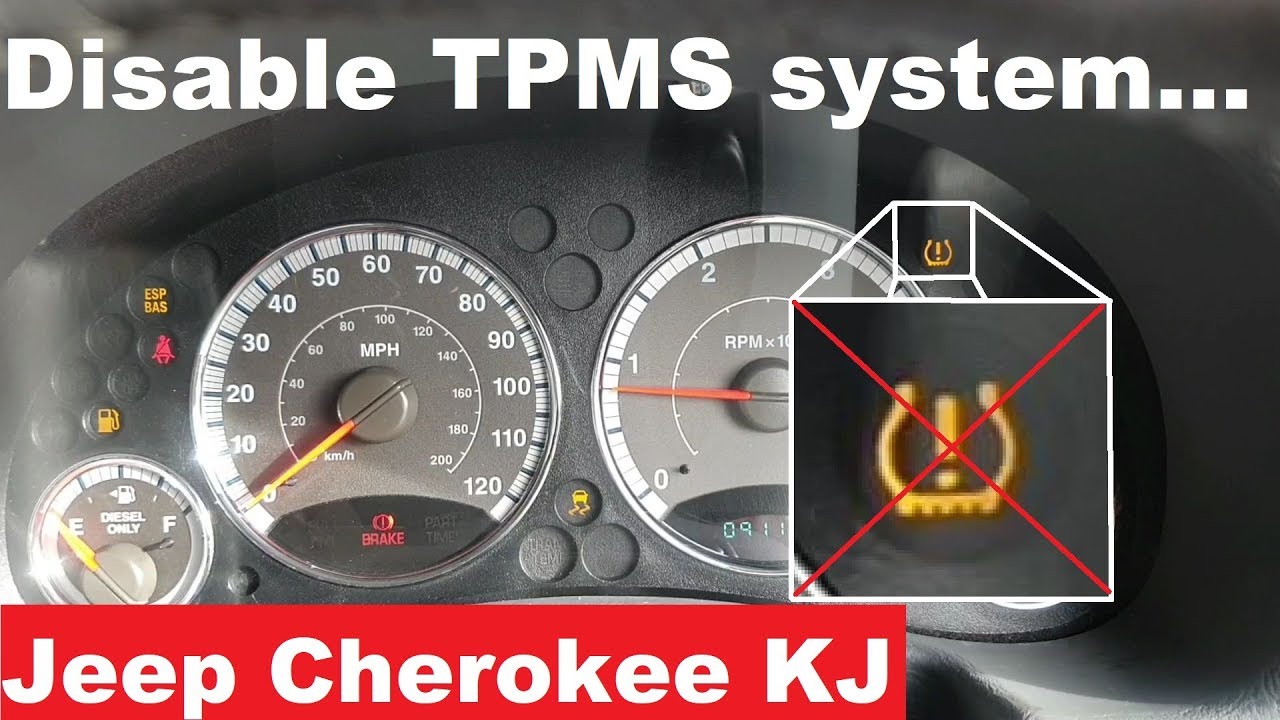
There is a critical distinction between a solid and a flashing TPMS light. A solid light indicates a low-pressure condition (or a need to initialize the system after a pressure change). However, if the light flashes for approximately 60–90 seconds upon starting the vehicle, this is a diagnostic indicator that the system cannot communicate with one or more sensors. This almost always points to a dead sensor battery or a hardware failure within the wheel unit, rather than an air pressure issue.
Diagnosing Faulty Sensors via OBD-II Interface
If the light persists after proper inflation and driving, the next step involves using an OBD-II diagnostic scan tool. While basic readers may only clear engine codes, a professional TPMS scan tool can read the factory-assigned sensor IDs. If a sensor fails to respond to a “wake-up” signal, it indicates that the internal lithium battery has reached its end of life (typically 7–10 years). In this case, no amount of driving will restore the system; the sensor must be physically replaced.

Audible — Listen Free for 30 Days
One free credit a month and thousands of titles included.
Listen Free for 30 DaysTechnical Specifications for 2015 Chrysler 200 TPMS Hardware
Recommended Best Deal Products


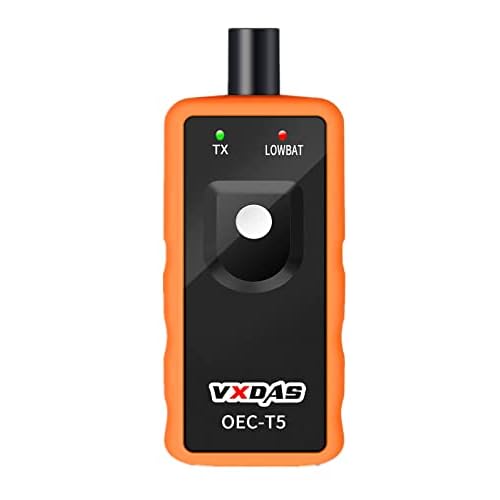
Always use high-quality aftermarket sensors that match OEM frequencies. Cheap generic sensors often fail to maintain a handshake with the Chrysler RF Hub, leading to a backup of error codes in the vehicle’s memory.
Do not attempt to use “hard reset” methods found for other vehicles, such as disconnecting the battery. While this may temporarily clear the light, it does not address the underlying clean signal issues and can erase other important engine adaptive memory settings.
In summary, the 2015 Chrysler 200 does not feature a manual TPMS reset button. The vehicle is engineered to provide a self-calibrating experience that relies on proper tire inflation and a brief driving window to establish sensor synchronization. Owners should prioritize maintaining placard-specific tire pressure to keep the system in its default healthy state. While the system is highly reliable, remember the distinction between a simple pressure alert and a flashing fault signal. If your TPMS light continues to flash after a thorough driving cycle, visit a professional technician to scan your system IDs using an OBD-II diagnostic tool, as this confirms whether you are dealing with a simple pressure drop or a hardware malfunction that requires attention.
2015 Chrysler 200 Tpms Reset Button Location: Frequently Asked Questions
Where is the TPMS reset button located on a 2015 Chrysler 200?
There is no physical TPMS reset button located anywhere on the 2015 Chrysler 200. Unlike older vehicles or specific import brands, Chrysler designed this model to automatically detect pressure changes and recalibrate the system via the vehicle’s onboard computer. You cannot manually force a reset; the system must do it itself once it recognizes correct pressure.
Why is my tire pressure light still on after filling my tires?
The light often stays on because the system has not yet completed a ‘drive cycle.’ After correcting your tire pressure, you must drive the vehicle at speeds consistently above 15 mph for at least 10 to 20 minutes. This gives the wheel sensors enough time to wake up, transmit their updated data to the Body Control Module, and turn the light off.
Do I need a mechanic to reset my TPMS light?
You generally do not need a mechanic to reset a standard low-pressure warning, provided your sensors are functional. Simply ensuring all four tires (and sometimes the spare) are inflated to the manufacturer’s recommended PSI will suffice. However, if the light is flashing rather than solid, it indicates a hardware failure, such as a dead sensor battery, which requires professional diagnostic equipment.
How do I clear the low tire pressure warning?
To clear the warning, verify the pressure in all tires against the placard found on the driver-side door jamb. Use a high-quality manual gauge rather than the dash readout initially. Once tires are properly inflated, drive the vehicle for a standard commute. The system will detect the new pressure readings and automatically clear the dashboard warning light without any manual button presses.
Can cold weather trigger a permanent TPMS alert?
Yes, cold weather frequently triggers TPMS alerts because air contracts in lower temperatures. If the pressure drops below the vehicle’s calibrated threshold, the light will illuminate. While you can reset the light by adding air, you must monitor the pressure closely as temperatures fluctuate, as the light will return if the pressure is not maintained within the specified operating range for your tires.
Audible Premium Plus — Annual Membership
12 audiobook credits up front, plus the full Audible catalogue.
See Annual Plans