Locate 2018 Nissan Sentra TPMS Reset Button: Essential Guide
Last Updated on September 1, 2026 by Ryan
📋 Table of Contents
- 🎯 Key Takeaways
- Understanding the 2018 Nissan Sentra’s TPMS System
- The Ultimate 2018 Nissan Sentra TPMS Reset Button Walkthrough
- Why the 2018 Sentra Lacks a Dedicated TPMS Reset Button
- Factors Influencing TPMS Recalibration in Your Sentra
- When to Seek Professional Assistance for TPMS Issues
- Conclusion
- 💬 Quick Questions & Answers
- ❓ Frequently Asked Questions
The 2018 Nissan Sentra does not feature a dedicated, physical TPMS reset button as many other vehicles do. Instead, the system often recalibrates automatically after resolving the tire pressure issue and driving, or through a specific driving cycle. Understanding this key difference is crucial for addressing your TPMS warning light effectively.
🎯 Key Takeaways


- 2018 Sentra lacks a physical TPMS reset button.
- TPMS reset often happens automatically while driving.
- Ensure correct tire pressure before attempting a reset.
- Consult owner’s manual for specific recalibration steps.
- Professional assistance is crucial for persistent TPMS issues.
Have you ever seen that ominous light pop up on your dashboard, the one shaped like a horseshoe with an exclamation mark? That’s your Tire Pressure Monitoring System (TPMS) warning you. It signals that one or more of your tires might be underinflated. Many drivers, when faced with this light, immediately search for a TPMS reset button. They expect a quick fix, especially in modern vehicles like your 2018 Sentra/2018/2018-Sentra-owner-manual.pdf” target=”_blank” rel=”noopener noreferrer” title=”Official 2018 Nissan Sentra Owner’s Manual (PDF)”>Nissan
Sentra.Understanding how your Sentra handles TPMS warnings is crucial for your safety and peace of mind. Incorrect tire pressure is not just an inconvenience. It impacts your car’s handling, fuel efficiency, and tire longevity. This guide will clarify how your 2018 Sentra’s TPMS system functions and why a dedicated reset button isn’t part of its design. You will gain a clearer understanding of this essential safety feature.
Understanding the 2018 Nissan Sentra’s TPMS System


How Your Sentra’s TPMS Works
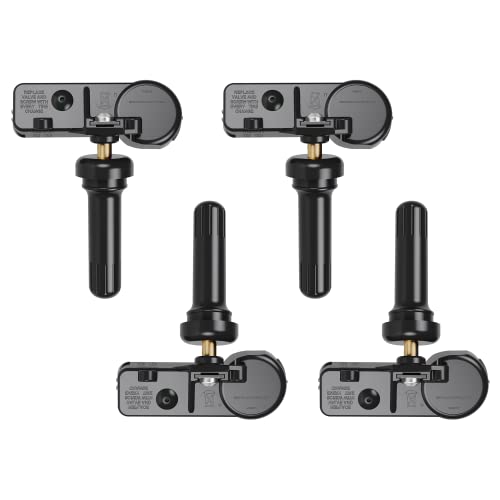
Your 2018 Nissan Sentra uses a sophisticated direct TPMS system. This means it employs individual sensors directly within each tire. These tiny sensors are typically integrated into the valve stem of each tire. They continuously measure the actual air pressure inside your tires. The collected data is then transmitted wirelessly to your Sentra’s onboard computer. This system provides highly accurate and real-time pressure readings. It is a fundamental safety component of your vehicle.

When the pressure in any tire drops below a predetermined safe threshold, the TPMS warning light illuminates on your dashboard. This threshold is usually about 25% below the manufacturer’s recommended pressure. The light serves as an immediate visual alert to you. It indicates a potential issue that needs your attention. This direct monitoring approach is more precise than older, indirect systems. It gives you confidence in your tire’s status. It ensures you are promptly informed of any pressure discrepancies. This is not just a simple light; it is a sophisticated safety feature.
The Importance of Accurate Tire Pressure
Maintaining accurate tire pressure is vital for several reasons, extending beyond just avoiding the dashboard warning light. Firstly, it is critical for your safety. Properly inflated tires provide optimal grip on the road. This improves your vehicle’s braking performance and overall handling. Underinflated tires can lead to premature tire wear or even dangerous blowouts. Secondly, correct tire pressure significantly impacts your fuel efficiency. Tires with low pressure create more rolling resistance. This forces your engine to work harder, consuming more fuel. You will notice the difference in your gas mileage.
Lastly, appropriate inflation extends the lifespan of your tires. Incorrect pressure can cause uneven wear patterns. This means you will need to replace your tires more frequently. Your Sentra’s TPMS helps you manage these aspects effectively. For example, a tire that’s just a few PSI low can significantly impact performance. You might not even feel it immediately. Your Sentra’s system catches these subtle but important changes. Regular checks complement the TPMS. Think of the TPMS as your vigilant co-pilot for tire health. It provides real-time data for your peace of mind.
The Ultimate 2018 Nissan Sentra TPMS Reset Button Walkthrough


Welcome to your comprehensive guide on addressing the TPMS (Tire Pressure Monitoring System) light in your 2018 Nissan Sentra. While many vehicles feature a dedicated, physical TPMS reset button, the 2018 Sentra often utilizes an automatic recalibration process after proper tire inflation. This guide will meticulously walk you through checking for a physical button, understanding the system’s behavior, and performing the most common reset procedure to get that pesky light off and ensure your safety on the road. Following these steps carefully is crucial for accurate tire pressure monitoring and overall vehicle health.
Step 1: Preparation and Initial Assessment
What you need: Reliable tire pressure gauge, owner’s manual (optional but recommended), pen and paper (for notes).
Instructions: Before attempting any reset, it’s vital to understand why your TPMS light is on. Is it solid or flashing? A solid light typically indicates low tire pressure in one or more tires. A flashing light, on the other hand, usually signals a malfunction within the TPMS system itself. Begin by checking the cold tire pressure of all four tires, and don’t forget the spare if your vehicle’s system monitors it. Use a high-quality, calibrated tire pressure gauge for accuracy. Consult your owner’s manual or the sticker on your driver’s side door jamb for the manufacturer’s recommended PSI (Pounds per Square Inch) for both front and rear tires. This is usually around 33-36 PSI, but always confirm for your specific model.
Pro Tip: Always check tire pressure when the tires are cold – meaning the car hasn’t been driven for at least three hours or more than a mile. Driving heats up the tires, causing the air inside to expand and giving an artificially high reading. Inaccurate readings can lead to an improper reset or continued illumination of the TPMS light.
Step 2: Inflating Tires to Manufacturer Specifications
What you need: Air compressor or access to a service station with an air pump, reliable tire pressure gauge.
Instructions: Once you’ve determined the correct cold tire pressure, proceed to inflate all four tires (and the spare, if monitored) to precisely these specifications. Do not overinflate or underinflate. For example, if your door jamb sticker recommends 35 PSI for all tires, ensure each tire is inflated to exactly 35 PSI. It’s often helpful to inflate slightly above the target, then slowly release air using the back of your tire gauge until you hit the exact number. Consistency across all tires is key to a successful TPMS reset. After inflation, replace all valve caps securely.
Pro Tip: Even a few PSI difference can sometimes prevent the TPMS system from resetting. Aim for absolute precision. If one tire consistently loses pressure, it might indicate a slow leak, which needs professional attention before attempting a reset.
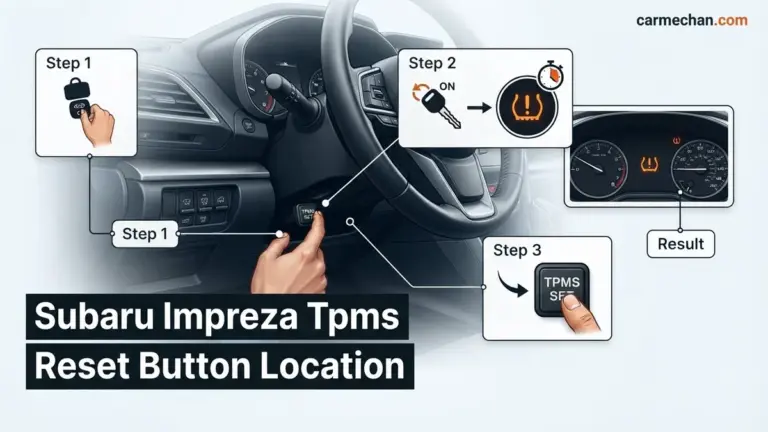
Step 3: Checking for a Manual TPMS Reset Button
What you need: Flashlight (optional).
Instructions: While many earlier Nissan models or other manufacturers might have a dedicated physical TPMS reset button, the 2018 Nissan Sentra typically relies on an automatic drive cycle for reset. However, it’s always good practice to know where one might be located if your specific trim level or regional variant happened to include one. Common locations for a manual TPMS reset button on vehicles that have them include: beneath the steering column, in the glove compartment, near the driver’s side knee bolster, or even integrated into the multi-function display controls. Carefully inspect these areas. Look for a small button, often labeled “TPMS” or “SET,” sometimes recessed. If you find one, pressing and holding it for 3-5 seconds might initiate a reset. However, for most 2018 Sentras, you will likely not find such a button, in which case you should proceed to Step 4.
Pro Tip: If you do locate a button, ensure the vehicle is parked, the ignition is in the “ON” position (engine off), and the parking brake is engaged before attempting to press it. This minimizes any accidental activation of other systems.
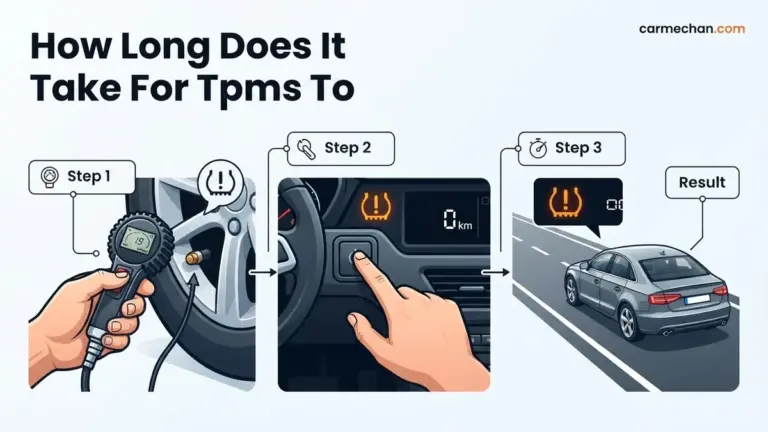
Step 4: Initiating the Automatic Drive Cycle Reset
What you need: Your 2018 Nissan Sentra, an open road or highway.
Instructions: Since a physical reset button is typically absent on the 2018 Sentra, the primary method for resetting the TPMS light after proper inflation is a drive cycle. With all tires correctly inflated, start your engine and drive the vehicle. The system needs to detect consistent wheel rotation and pressure readings to recalibrate. You will typically need to drive for at least 10-20 minutes, maintaining a speed above 25 mph (approximately 40 km/h). Highway driving is ideal for this. During this drive, the TPMS system monitors the tire pressures and should register that all tires are within the correct range. This process allows the system’s sensors to transmit updated data to the vehicle’s computer, which then extinguishes the TPMS warning light.
Pro Tip: Avoid abrupt stops, rapid acceleration, or driving over extremely rough terrain during the drive cycle, as these can interfere with the system’s ability to accurately recalibrate the sensors. A smooth, consistent drive is most effective.
Step 5: Monitoring the TPMS Light After Drive Cycle
What you need: Patience.
Instructions: After completing the recommended drive cycle (10-20 minutes above 25 mph), observe your dashboard. If the TPMS light was on due to low pressure, it should now turn off automatically. This can sometimes take a few minutes into the drive or immediately after the necessary conditions are met. If the light remains on after your initial drive, try driving a bit longer, perhaps another 10-15 minutes. Sometimes, it takes a little more time for the system to fully register and process the new pressure data from all sensors. Pull over safely and turn off the engine, then restart it after a minute or two, and drive again. This can sometimes help the system re-initialize.
Pro Tip: If the TPMS light turns off but then comes back on shortly after, re-check all tire pressures immediately. There might be a slow leak in one of your tires that wasn’t apparent during the initial check.
Step 6: Troubleshooting Persistent TPMS Light Issues
What you need: Diagnostic scanner (optional), professional assistance.
Instructions: If, after inflating your tires correctly and performing multiple drive cycles, the TPMS warning light continues to stay on (solid or flashing), it indicates a more significant issue. A solid light suggests there’s still a perceived low pressure that the system isn’t registering correctly, or a sensor might be malfunctioning. A flashing light strongly points to a TPMS system fault – likely a dead sensor battery (sensors typically last 5-10 years), a damaged sensor, or a problem with the TPMS control module itself. At this point, further DIY attempts without specialized diagnostic tools are usually ineffective. You would need to either use an OBD-II scanner with TPMS capabilities to read diagnostic trouble codes (DTCs) or, more reliably, seek professional help.
Pro Tip: Do not ignore a flashing TPMS light. It signifies a system malfunction, meaning you are no longer receiving accurate tire pressure information, which is a safety concern. Prompt diagnosis and repair are essential.
✅ Final Checklist
- All tires inflated to manufacturer’s recommended PSI (cold).
- Valve caps are securely fastened on all tires.
- Vehicle driven for at least 15-20 minutes above 25 mph.
- Dashboard confirmed TPMS light has extinguished.
- If light persists, checked for flashing indicating a system fault.
Important Notes:
- Safety considerations or warnings: Driving with improperly inflated tires, or with a malfunctioning TPMS system, can compromise vehicle handling, fuel efficiency, and tire longevity, significantly increasing the risk of a tire blowout. Always prioritize correct tire pressure for safety.
- When to seek professional help: If the TPMS light remains on or flashes after following all the steps, or if you suspect a tire leak, it’s time to consult a qualified mechanic or Nissan dealership. They have specialized diagnostic tools to identify faulty sensors, wiring issues, or other system malfunctions that cannot be resolved with a simple reset.
- Estimated time and cost range: This DIY procedure typically takes 20-45 minutes (including driving time) and incurs minimal to no cost if you have your own tire pressure gauge and air compressor. If you need to use a public air pump, it might cost a few dollars. Professional diagnosis and repair for a faulty sensor or module can range from $50 (for diagnosis) to $150-$400+ per sensor replacement (including programming), depending on the specific issue and labor rates.
Why the 2018 Sentra Lacks a Dedicated TPMS Reset Button
The Evolution of TPMS Technology
The absence of a manual TPMS reset button in your 2018 Nissan Sentra might seem counterintuitive. However, it reflects the ongoing evolution of automotive technology. In older vehicle models, a physical button was often necessary to recalibrate the system. This was especially true after tire rotations or pressure adjustments. Modern vehicles, including your Sentra, incorporate more advanced diagnostic capabilities. These systems are designed to be more intelligent and autonomous. Nissan’s approach prioritizes system self-learning. It aims to reduce the need for manual intervention from the driver. This represents a significant shift in design philosophy. It moves towards greater system integration and automation.

The goal is to simplify maintenance and improve reliability. The traditional reset button is gradually becoming a relic of the past. Newer systems are capable of handling recalibration processes automatically. They eliminate a step that many drivers found confusing or tedious. This means less hassle for you. It allows the car’s internal systems to manage tire pressure monitoring more efficiently. It’s designed to be “smarter.” There is no need for you to manually intervene with a button. This technological advancement makes the TPMS system more seamless and user-friendly in the long run.
Nissan’s Automatic Learning Process
Instead of a manual button, the 2018 Nissan Sentra employs an automatic relearn process for its TPMS. This system is designed to detect and register changes in tire pressure or new sensor IDs without your direct input. When you inflate your tires to the correct pressure, the system typically recognizes the change on its own. The TPMS warning light will often turn off after a period of driving. This process usually involves driving your Sentra at speeds above 15-20 mph for 10 to 20 minutes. The car’s computer continuously monitors the sensors during this time. It will then recalibrate itself based on the updated tire pressures.
This automatic feature minimizes driver interaction. It ensures the system is always accurately calibrated. The lack of a button, therefore, is not an oversight. It is a deliberate design choice. It indicates a more advanced, hands-off approach to TPMS management. This approach streamlines maintenance for you. It relies heavily on the car’s internal diagnostics to keep your tire pressure monitoring accurate. This sophisticated self-learning capability is a key characteristic of your Sentra’s TPMS. It provides peace of mind through automation. It makes your ownership experience simpler and more convenient.
Factors Influencing TPMS Recalibration in Your Sentra
Understanding when and why your 2018 Nissan Sentra’s TPMS might need more than just a quick reset is crucial. Several factors can influence the system’s accuracy and signal the need for a full recalibration, which often involves the reset button but also requires a specific driving cycle or professional tool.
Tire Changes and Rotations
Whenever you change your tires, whether for new ones or simply rotating them, the TPMS system needs to re-learn the location and identity of each sensor. Even if the tire pressures are perfect, moving the sensors from one wheel position to another means the system’s internal map is now incorrect. This can trigger a warning light even without an actual pressure issue.
- New Tires: After installing new tires, the system must learn the new sensors or re-establish communication with existing ones.
- Tire Rotations: Swapping tires from front to back or side to side means the TPMS computer no longer knows which sensor belongs to which wheel.
- Tire Repairs: A repair that involves removing the tire from the rim can sometimes dislodge or affect the sensor, requiring a recalibration afterward.
Environmental and Driving Conditions
Your Sentra’s TPMS is sensitive to changes in its environment. While not directly a “recalibration” trigger in the same way tire changes are, these factors often lead to situations where a reset is needed to clear a warning that has been resolved.
- Temperature Fluctuations: Significant drops in ambient temperature can cause tire pressure to decrease, triggering the TPMS light. Once temperatures stabilize or tires are re-inflated, a reset might be necessary to turn off the light.
- Long-Term Parking: A vehicle parked for an extended period might experience a natural slow pressure loss, triggering the light when it’s finally driven again.
- Off-Road Driving: While not common for a Sentra, harsh driving conditions could potentially impact sensor communication, though usually, this would point to a more serious sensor issue rather than just a recalibration need.
When to Seek Professional Assistance for TPMS Issues
While the TPMS reset button in your 2018 Nissan Sentra is a handy tool for many common issues, there are definite times when professional intervention is the safest and most effective course of action. Ignoring persistent TPMS warnings can lead to safety risks and more costly repairs down the road.
Persistent Warning Lights and Diagnostic Codes
If your TPMS warning light remains on even after you’ve checked and corrected tire pressures, and attempted a reset, it signals a deeper problem. This is a clear indicator that the issue isn’t just about low pressure or a simple system glitch that a reset can fix.
- Constant Illumination: A light that stays on after multiple reset attempts and verified correct tire pressure suggests a sensor malfunction or system fault.
- Flashing Light: If the TPMS light flashes for 60-90 seconds upon startup and then stays solid, it typically indicates a problem with the TPMS system itself – like a failing sensor, a low sensor battery, or a control module issue – rather than just low tire pressure.
- Diagnostic Trouble Codes (DTCs): A professional can connect specialized diagnostic equipment to your Sentra’s onboard computer. This tool can read specific codes that pinpoint the exact nature of the TPMS fault, whether it’s a specific sensor failure or a broader system communication problem.
Suspected Sensor Malfunction or Damage
The TPMS sensors themselves are robust but not invincible. They can be damaged by impacts, corrosion, or simply reach the end of their battery life (typically 5-10 years). If you suspect a sensor is faulty, it’s best to let a professional diagnose and replace it.
- Physical Damage: If you’ve recently hit a curb or had a significant impact, a sensor could be physically damaged inside the tire.
- Aging Batteries: TPMS sensors have internal batteries that are not typically replaceable. When these batteries die, the sensor stops transmitting, requiring replacement of the entire sensor.
- Installation Errors: Incorrect installation during a tire change can damage a sensor, leading to immediate or future problems. A technician has the specialized tools and expertise to properly install and program new sensors.
Conclusion
Understanding your 2018 Nissan Sentra’s TPMS and its reset button empowers you to handle common tire pressure alerts with confidence. While the reset button is a powerful tool for clearing minor warnings after adjusting tire pressure, remember that it’s part of a larger system. Always ensure your tire pressures are correct before attempting a reset, and be aware of how factors like tire rotations or temperature changes can affect the system’s behavior.
Don’t hesitate to consult your Sentra’s owner’s manual for specific details related to your model year. For persistent warnings, a flashing light, or any suspicion of sensor damage, seeking professional assistance is always the wisest choice. Drive safely, keeping your tires properly inflated, and enjoy the peace of mind your TPMS provides.
💬 Quick Questions & Answers
Does the 2018 Nissan Sentra have a TPMS reset button?
No, the 2018 Nissan Sentra typically does not have a physical TPMS reset button; the system usually recalibrates automatically.
How do I turn off the TPMS light on a 2018 Sentra?
Ensure all tires are correctly inflated, then drive for a period to allow the system to automatically reset the warning light.
Where would a TPMS reset button usually be located on other vehicles?
On vehicles that have one, a TPMS reset button is often found under the dashboard, near the steering column, or in the glove compartment.
Can low tire pressure cause the TPMS light to stay on?
Yes, persistently low tire pressure in one or more tires is the most common reason for the TPMS warning light to remain illuminated.
What if my TPMS light flashes?
A flashing TPMS light usually indicates a malfunction within the TPMS system itself, requiring inspection by a mechanic.
❓ Frequently Asked Questions
What is the primary method for resetting the TPMS on a 2018 Nissan Sentra since there’s no button?
The primary method involves ensuring all tires are inflated to the recommended PSI, then driving the vehicle for approximately 10-20 minutes at speeds above 15-20 mph. This driving cycle allows the system to recognize the corrected pressures and extinguish the warning light automatically.
Why did Nissan choose not to include a physical TPMS reset button on the 2018 Sentra?
Nissan, like many manufacturers, has moved towards more integrated and automated TPMS systems. These systems often self-calibrate through driving, reducing the need for manual intervention and simplifying the user experience after a tire pressure adjustment.
Are there any specific steps in the owner’s manual for the 2018 Sentra regarding TPMS recalibration?
The owner’s manual for the 2018 Nissan Sentra will detail the recommended tire pressures and typically advise checking tire pressure and then driving to allow for automatic recalibration. It also outlines troubleshooting for a flashing light indicating a system malfunction.
What should I do if the TPMS light stays on after correcting tire pressure and driving?
If the TPMS light remains on despite correcting tire pressures and completing a sufficient driving cycle, it could indicate a faulty sensor, a system error, or a slow leak. It’s advisable to have a qualified technician diagnose the issue.
Can changing tire sizes affect the 2018 Sentra’s TPMS system and its reset process?
Yes, changing to significantly different tire sizes or wheel diameters can sometimes interfere with the TPMS system’s ability to accurately read tire pressures or recalibrate correctly. It might require professional recalibration or specific programming.
Is it possible for an OBD-II scanner to reset the 2018 Sentra’s TPMS light?
While a basic OBD-II scanner can read diagnostic trouble codes, it typically cannot directly reset the TPMS light in vehicles like the 2018 Sentra which rely on automatic calibration. Specialized TPMS diagnostic tools are often required for sensor relearning or system resets, especially if there’s a fault code.