2017 hyundai tucson tpms reset button location: Debunked
Is your dashboard light glowing amber despite your best efforts to find a reset button? Many owners of the 2017 Hyundai Tucson waste valuable time searching through glove boxes, steering columns, and under-dash panels for a physical reset button that simply does not exist. In this guide, we will clear up the confusion regarding the system’s design and explain exactly how to trigger the automatic factory reset to restore your peace of mind.

Why the 2017 Hyundai Tucson TPMS Reset Button Location Is a Myth
Recommended Best Deal Products


📤 Share Image
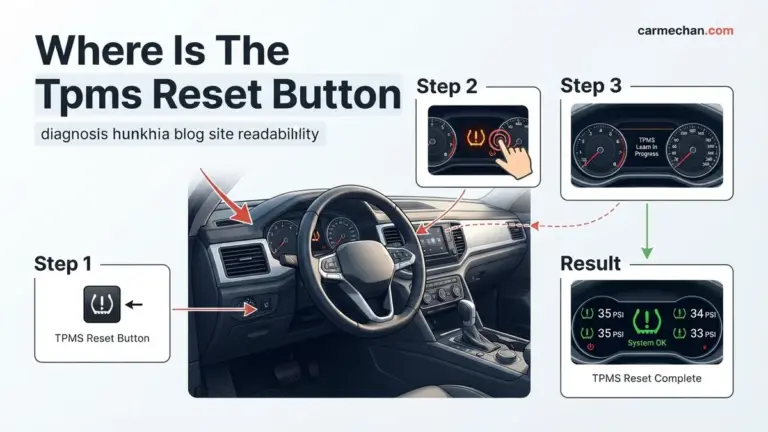
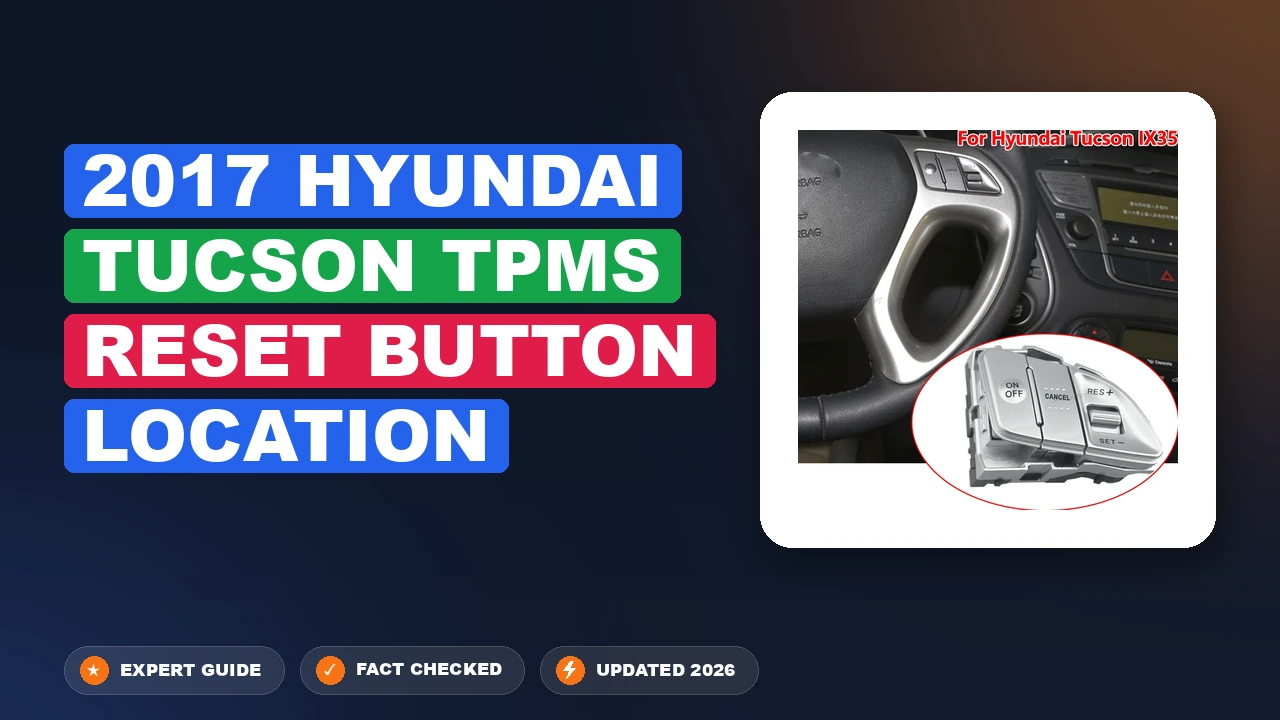
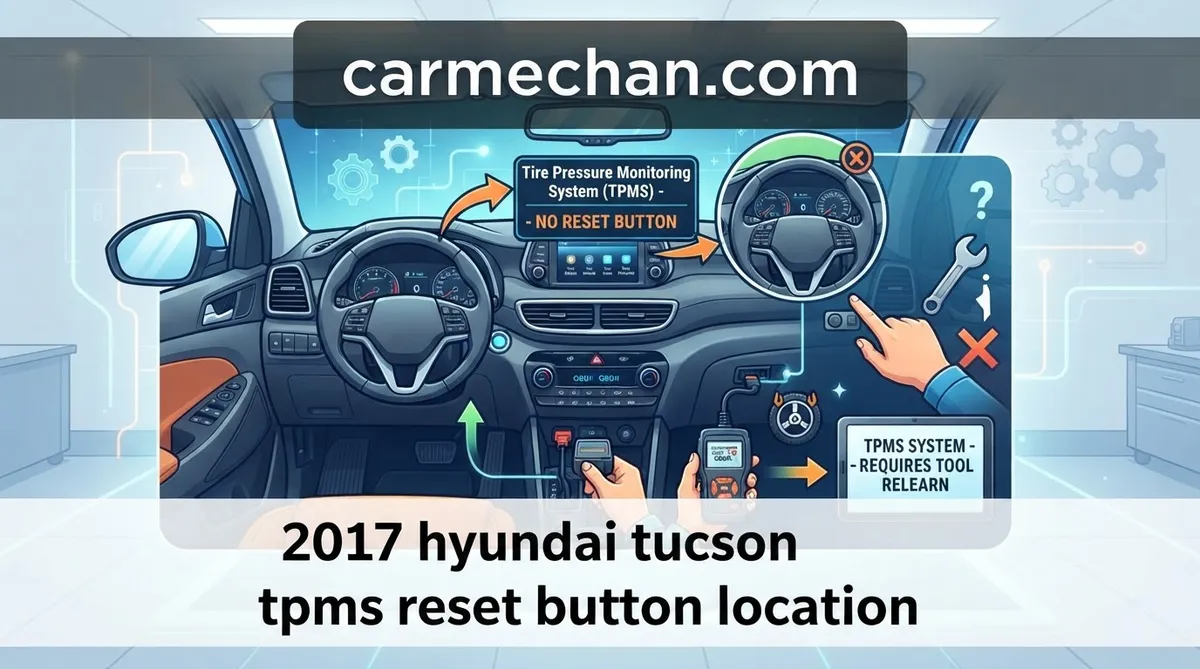
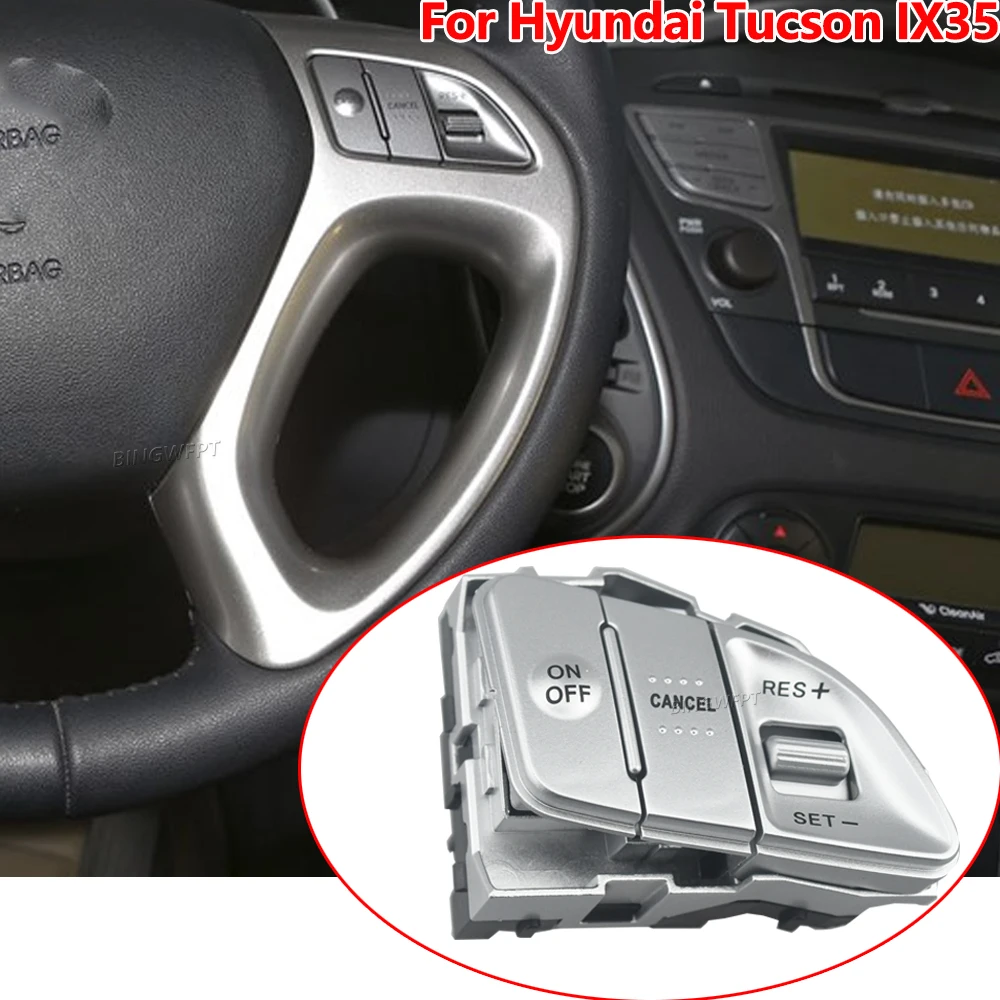
The search for a 2017 Hyundai Tucson TPMS reset button location is a common point of frustration, yet it is entirely unnecessary. The vehicle is engineered with a Direct Tire Pressure Monitoring System (TPMS) that operates independently of manual user intervention. Unlike older or aftermarket systems that might require a “reboot” switch, the Hyundai system is designed to identify and verify tire pressure status in real-time through the TPMS Control Module.
How the Direct TPMS System Monitors Air Pressure
Each wheel on your 2017 Tucson is equipped with a high-precision TPMS sensor attached to the valve stem inside the tire. These sensors transmit radio frequency signals to the central module, providing continuous data regarding pressure and temperature. Because this is a “direct” system, it does not rely on wheel speed sensors (like ABS-based indirect systems) to estimate pressure. When the computer detects a drop in pressure below the factory-defined threshold, it illuminates the amber warning light on your instrument cluster.

Distinguishing Between Solid and Flashing Warning Indicators
Understanding the behavior of the warning light is critical to resolving the issue. A solid light indicates that one or more tires have dropped below the required PSI. However, if the light flashes for approximately one minute and then remains solid, this signifies a system malfunction. This usually points to a dead battery in a sensor, a damaged valve stem sensor, or an electrical failure within the TPMS receiver. If you see a flashing light, a manual reset procedure will be ineffective because the system has flagged an internal hardware fault.
By The Numbers
Cases Resolved by Correct Air Pressure
Miles Required for Calibration
How to Properly Reset Your 2017 Hyundai Tucson TPMS Light
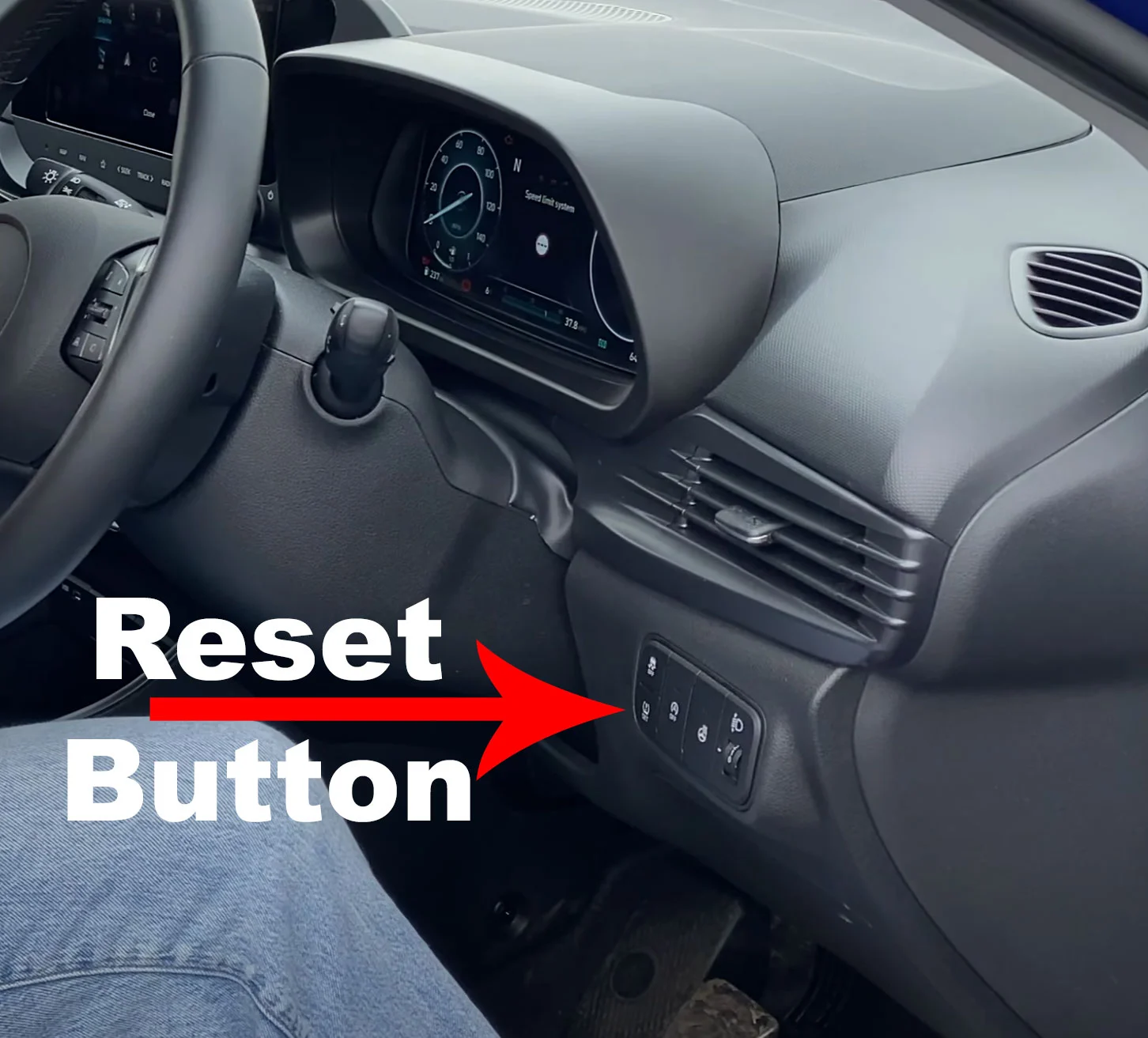
Since there is no button to push, the “reset” is an automated initialization process. You must provide the system with the correct data to allow it to recognize that the fault has been resolved.
📋
Step-by-Step Guide
Recommended Best Deal Products


Refer to the sticker located on the driver-side door jamb. Inflate all tires to the exact PSI specified. Do not rely on the maximum pressure listed on the tire sidewall.
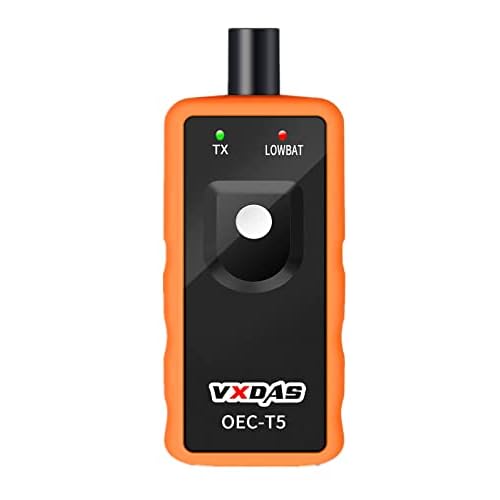
Drive the vehicle at speeds above 20 mph for at least 10–15 minutes. This allows the TPMS receiver to wake up the sensors and verify the new pressure readings.
The Role of the Spare Tire in System Calibration
A common oversight is forgetting the spare tire. While not all 2017 Tucson trims monitor the spare, many are equipped with a sensor that can trigger the warning light if the pressure inside the trunk or under the cargo floor has dropped significantly. Always check the spare when troubleshooting a stubborn light.
Troubleshooting 2017 Hyundai Tucson TPMS System Failures
If the light persists after you have verified the tire pressures, the system may be encountering a hardware bottleneck. Below are the primary diagnostics to perform:

Audible — Listen Free for 30 Days
One free credit a month and thousands of titles included.
Listen Free for 30 Days- Faulty Valve Stem Sensors: If one sensor has a dead internal battery, it cannot transmit data. A professional technician can use a TPMS scanner to ping each wheel individually and identify which sensor is silent.
- OBDII Scanner Usage: Use an advanced OBDII scanner capable of reading TPMS-specific codes. This will distinguish between “Low Pressure” codes and “Sensor Signal Lost” codes.
- Environmental Factors: Rapid temperature drops (common in autumn) can cause tire pressure to drop by 1–2 PSI for every 10-degree decrease in ambient air temperature. This is the most common cause of “phantom” alerts.
- Professional Diagnostic Help: If the warning light remains flashing despite following the driving procedure, seek professional diagnostic assistance. The TPMS threshold may need to be recalibrated through the dealer’s scan tool if the receiver module has lost its memory.
Essential Tire Maintenance for Consistent TPMS Accuracy
Recommended Best Deal Products


Maintaining the system’s accuracy requires a fresh start approach to tire maintenance. By adhering to the factory-recommended pressures, you prevent the system from flagging false alerts.
Always check tire pressure early in the morning when the rubber is “cold.” Driving friction generates heat, which artificially inflates pressure readings and hides the true state of your tire health.
Do not over-inflate your tires to make the light disappear. Always use a high-quality digital pressure gauge rather than the imprecise gauges found at gas station air pumps.
In summary, there is no physical reset button required for your 2017 Hyundai Tucson. The system is designed to provide a default factory-style check whenever the vehicle is in motion. By maintaining the recommended tire pressure and allowing the vehicle to complete its calibration through a short drive, you will keep the TPMS system functioning correctly. If the light remains a constant nuisance despite these efforts, it is time to consult an OBDII scanner or a professional technician to evaluate the health of your sensors.
2017 Hyundai Tucson Tpms Reset Button Location: Frequently Asked Questions
Where is the TPMS reset button located on a 2017 Hyundai Tucson?
There is no TPMS reset button on the 2017 Hyundai Tucson. Unlike older vehicles or different makes that require a physical interaction to recalibrate the system, Hyundai engineered this model with an automated self-learning system. The computer onboard automatically recognizes the tire pressure status once the tires are inflated to the proper specifications and the vehicle has been driven for a sufficient period.
Why is my TPMS light still on after filling my tires?
The TPMS light often remains on because the system has not yet received a new ‘handshake’ signal from the sensors. Simply inflating the tires isn’t enough; the system must observe the new pressure values while the vehicle is in motion. Additionally, if the ambient temperature is very low, the pressure may still be below the threshold, or a sensor battery may have reached its end-of-life.
Do I need to drive the car to reset the TPMS light?
Yes, driving is a mandatory part of the reset process for the 2017 Tucson. The TPMS receiver requires consistent data transmission from the tire sensors to confirm that the pressures have been corrected. You should aim to drive for 15 to 20 minutes at speeds consistently above 20 mph to ensure the system updates the status and turns off the warning light.
Can I use an OBD-II scanner to reset the TPMS light?
While a standard OBD-II scanner can read general engine codes, it typically cannot reset TPMS sensors. You require a specialized TPMS diagnostic tool capable of communicating with the tire pressure sensors via radio frequency. If you suspect a specific sensor is faulty, a technician must use a dedicated TPMS tool to trigger the sensor and determine if it is still broadcasting a valid signal.
Does the spare tire affect the TPMS light on my 2017 Tucson?
The 2017 Hyundai Tucson spare tire does not contain a TPMS sensor. Therefore, a flat or improperly inflated spare tire will not trigger the TPMS dashboard warning light. The system only monitors the four tires currently mounted on the vehicle. Focus your inflation efforts exclusively on the four tires currently in contact with the road to resolve the persistent warning light.
Audible Premium Plus — Annual Membership
12 audiobook credits up front, plus the full Audible catalogue.
See Annual Plans