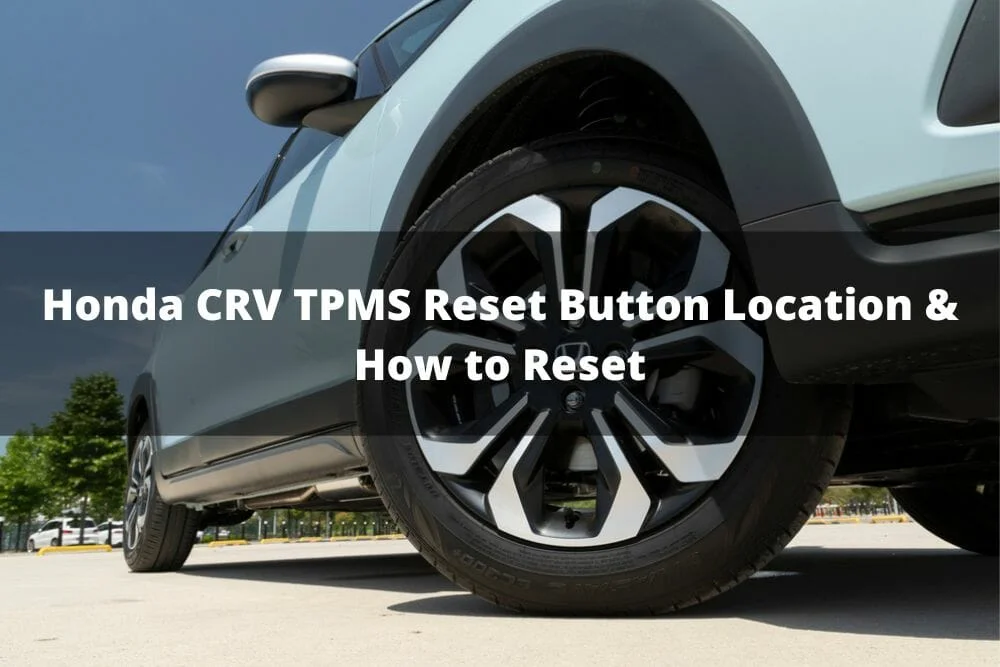
2011 Honda Accord TPMS Reset Button Location Explained
Last Updated on September 1, 2026 by Ryan
📋 Table of Contents
- 🎯 Key Takeaways
- Understanding the 2011 Honda Accord TPMS Architecture
- 2011 Honda Accord TPMS Reset Made Easy: Your Essential Action Plan
- Differences Between ‘TPMS’ and Tire Symbol Lights
- Factors Affecting Sensor Battery Longevity
- Professional Diagnostic Costs for TPMS Issues
- Conclusion: Keeping Your Accord Safe
- 💬 Quick Questions & Answers
- ❓ Frequently Asked Questions
The 2011 Honda Accord does not have a physical TPMS reset button because it utilizes a direct monitoring system with individual wheel sensors. To clear the warning light, you must inflate all tires to the correct PSI and drive the vehicle at speeds over 28 mph for several minutes.

Prime for Young Adults — 6 Months Free
Students and 18–24s get six months of Prime free, then half price.
Start 6 Months Free🎯 Key Takeaways
Recommended Best Deal Products


- No physical reset button exists on the 2011 Honda Accord dashboard.
- The system utilizes direct sensors located inside each tire’s valve.
- Proper inflation to door placard specs is the primary reset method.
- Driving above 28 mph for several minutes initiates the auto-reset.
- A flashing light indicates a sensor malfunction rather than low pressure.
Have you ever been driving your 2011 Honda Accord when a glowing amber light suddenly pops up on your dashboard? It is a moment of instant stress that every car owner knows well. That little light is your Tire Pressure Monitoring System (TPMS) doing its job, but it often leaves drivers feeling confused. Many people start hunting for a reset button immediately, only to find themselves frustrated when they cannot find one on the dash or near the steering wheel.
Understanding how this system works on your specific model year can save you a long and frustrating trip to the mechanic. The 2011 Honda Accord sits in a unique spot in automotive history regarding how it handles tire safety. Unlike newer vehicles that use software-based guesses, this car relies on physical hardware. This guide will help you understand why your car is signaling you and what those specific dashboard lights actually mean for your daily commute.
Understanding the 2011 Honda Accord TPMS Architecture
The 2011 Honda Accord belongs to the eighth generation of this legendary sedan. During this era, Honda utilized a specific type of technology known as a Direct TPMS. This is the most important concept to grasp before you start looking for a reset button. In a direct system, your car does not just guess if a tire is low based on how fast the wheels are turning. Instead, it uses actual hardware located inside the tire assembly to get a real-time reading.

The Role of Internal Sensors
Your 2011 Accord is equipped with four individual sensors. These sensors are attached directly to the base of the valve stems inside each wheel. These tiny devices are marvels of engineering. They are battery-powered and contain a pressure transducer and a radio transmitter. Every few seconds, they measure the air pressure and beam that data to a central control module in the car. This provides a very high level of accuracy compared to older mechanical systems.
Why 2011 is a “Transition” Year
It is helpful to know that Honda changed their system significantly just a few years after your model was built. Later models, starting around 2013, moved to an “Indirect” system. Those newer cars have a dedicated reset button because they need to be told when you have changed the tires. However, your 2011 Accord is designed to be more autonomous. Because it uses direct sensors, it is programmed to look for specific data points rather than relying on a manual calibration button. This design choice is exactly why many drivers find themselves searching for a button that simply does not exist.
- Hardware-Based: Relies on physical sensors in the rims.
- Battery Dependent: Sensors have internal batteries that eventually wear out.
- Signal Transmission: Uses radio frequencies to communicate with the dashboard.
- Direct Measurement: Reads the actual PSI (pounds per square inch) of the air.
2011 Honda Accord TPMS Reset Made Easy: Your Essential Action Plan
Recommended Best Deal Products

Driving with a glowing warning light on your dashboard can be both distracting and nerve-wracking. For owners of the 2011 Honda Accord, the Tire Pressure Monitoring System (TPMS) is a vital safety feature designed to alert you when your tires fall below a safe inflation level. However, many drivers find themselves searching for a physical reset button that simply isn’t there in the way they expect. This guide will walk you through the specific nuances of the 2011 Accord’s TPMS system, clarifying why there is no traditional “button” on most trims and providing the exact driving protocol required to clear that stubborn light from your dash. Following these steps ensures your vehicle remains safe, your fuel economy stays optimized, and your sensors are calibrated correctly.
Step 1: Distinguish Between the Low Pressure Symbol and the TPMS Indicator
What you need: A clear view of your instrument cluster and your vehicle’s owner’s manual for symbol reference.
Instructions: Before attempting a reset, you must identify which light is actually illuminated. The 2011 Honda Accord features two distinct warnings. The first is the “Low Tire Pressure” indicator, which looks like a yellow horseshoe with an exclamation point in the center. This indicates that one or more tires have dropped below the required PSI. The second is the “TPMS” text light. If the “TPMS” letters are glowing, this signifies a fault in the system itself—such as a dead sensor battery or a communication error—rather than a simple pressure issue. Understanding this distinction is crucial because a drive-cycle reset will usually fix the horseshoe icon, but the “TPMS” text light often requires professional diagnostic tools to resolve.

Audible — Listen Free for 30 Days
One free credit a month and thousands of titles included.
Listen Free for 30 DaysPro Tip: If the “TPMS” light flashes for 60 seconds and then stays solid, it is almost certainly a failed sensor battery. Since the 2011 Accord is well over a decade old, sensor failure is the most common cause of persistent lights.
Step 2: Locate the Manufacturer’s Recommended PSI Specifications
What you need: Access to the driver’s side door jamb (the B-pillar).
Instructions: To reset the system, the tires must be inflated to the exact specifications set by Honda, not the “Max PSI” listed on the tire sidewall. Open your driver’s door and look for a white and red sticker located on the door frame. For a 2011 Honda Accord, the recommended cold tire pressure is typically 30 to 32 PSI for the front and rear tires, though this can vary slightly depending on whether you have the LX, EX, or V6 trim. Write these numbers down. The TPMS system is calibrated to trigger if the pressure drops 25% below these specific numbers, so accuracy is paramount for a successful reset. Ensure your tires are “cold”—meaning the car has been parked for at least three hours—for the most accurate reading.
Pro Tip: Never use the PSI number printed on the tire itself; that is the maximum pressure the tire can hold, not the optimal pressure for your Accord’s handling and sensor calibration.
Step 3: Inspect and Adjust All Four Main Tires
What you need: A high-quality digital tire pressure gauge and an air compressor (at home or at a gas station).
Instructions: Use your digital gauge to check the current pressure of all four tires. Even if only one tire looks low, the system requires a balanced reading across the axle. Remove the valve stem caps and press the gauge firmly onto the stem. If the reading is lower than the door jamb sticker, add air in small bursts, re-checking after each fill. If you accidentally over-inflate, use the small nipple on the back of the gauge to bleed out the excess air. It is vital to get all four tires within +/- 1 PSI of each other. The 2011 Accord’s system is sensitive to variances between tires, so achieving uniformity is the secret to getting the dashboard light to extinguish on its own.
Pro Tip: Moisture in air lines at gas stations can sometimes affect sensor longevity. If possible, use a portable oil-free compressor to maintain your tires’ health.
Step 4: Check the “Hidden” Fifth Tire (The Spare)
What you need: Access to the trunk and the tire iron or a hex key to remove the trunk floor panel.
Instructions: While many modern cars have moved to “indirect” TPMS, the 2011 Honda Accord’s specific trim levels sometimes include a sensor in the full-size spare tire if equipped. Even if your spare is a “donut,” a significant number of “unsolvable” TPMS lights are caused by the spare tire losing pressure over several years. Lift the carpet in your trunk, unscrew the retaining bolt, and check the pressure of the spare. Most compact spares require a much higher pressure—typically 60 PSI. If your spare has a TPMS sensor and it is sitting at 20 PSI, your dashboard light will stay on forever regardless of what you do to the four main tires. Ensure this often-overlooked tire is topped off to its specific requirements.
Audible Premium Plus — Annual Membership
12 audiobook credits up front, plus the full Audible catalogue.
See Annual PlansPro Tip: If your Accord uses a compact temporary spare, it likely doesn’t have a sensor, but checking it is still a vital safety habit to perform while you have the air compressor out.
Step 5: Execute the Drive-Cycle Reset Procedure
What you need: A clear stretch of road where you can maintain a steady speed for several minutes.
Instructions: Unlike newer Hondas that have a “Calibrate” button in the settings menu, the 2011 Accord utilizes a drive-cycle reset. Once you have confirmed all tires (including the spare) are at the correct PSI, you must drive the vehicle to “wake up” the sensors and allow them to transmit new data to the ECU. Start your engine and drive the vehicle at a speed of at least 20 mph (32 km/h). You need to maintain a relatively steady speed for about 2 to 10 minutes. During this time, the sensors use centrifugal force to activate and send their updated pressure readings to the receiver. In most cases, the light will simply turn off mid-drive once the computer confirms the pressures are stable.
Pro Tip: If the light doesn’t go off after 10 minutes of city driving, try a short stint on the highway at 50-60 mph, as the higher rotational speed can help “jumpstart” a sluggish sensor signal.
Step 6: Perform a “Soft Reset” via Battery Disconnect
What you need: A 10mm wrench and protective gloves.
Instructions: If your pressures are perfect and the drive cycle failed to clear the light, you may have a “glitch” in the TPMS control module. You can attempt a soft reset of the vehicle’s entire computer system. With the ignition off, use your 10mm wrench to loosen the nut on the negative (black) battery terminal. Remove the cable and set it aside so it doesn’t touch any metal. Wait for approximately 15 minutes to allow the capacitors in the ECU to fully discharge. Reconnect the terminal and tighten the nut. Note that this will reset your clock and radio presets, and you may need your radio anti-theft code. Start the car and repeat the drive cycle from Step 5. This often clears “ghost” codes that prevent the TPMS light from turning off.
Pro Tip: Before doing this, ensure you have your 5-digit radio code handy, usually found on a small card in the glovebox or on a sticker inside the glovebox door.
Step 7: Address Persistent Faults with an OBD-II Scanner
What you need: A basic OBD-II scan tool with TPMS diagnostic capabilities (or a visit to a local auto parts store).
Instructions: If the light remains on after all previous steps, you likely have a hardware failure. Many auto parts stores will scan your car for free. Ask them to check for TPMS codes specifically. The scanner can tell you exactly which sensor is failing (e.g., “Left Rear Sensor No Signal”). Because TPMS sensors are powered by non-replaceable internal batteries with a lifespan of 7–10 years, a 2011 model is in the prime “failure zone.” If the scanner shows a “Low Battery” or “No Signal” code for a specific wheel, the sensor itself must be replaced by a tire shop, as it requires breaking the tire bead to access the unit inside the rim.
Pro Tip: When replacing one sensor on a vehicle this old, it is often more cost-effective to replace all four at once, as the other three batteries are likely to fail shortly after the first one.
✅ Final Checklist
- All four main tires are inflated to the PSI listed on the driver-side B-pillar sticker.
- The spare tire has been checked and inflated to its specific pressure (usually 60 PSI for donuts).
- The vehicle was driven for at least 10 minutes at speeds above 20 mph.
- The distinction between the “Horseshoe” symbol and the “TPMS” text light has been verified.
- The radio code is available if a battery disconnect was performed.
Important Notes:
- Safety Warning: Never ignore a TPMS light; under-inflated tires can lead to blowouts, poor braking performance, and increased hydroplaning risk.
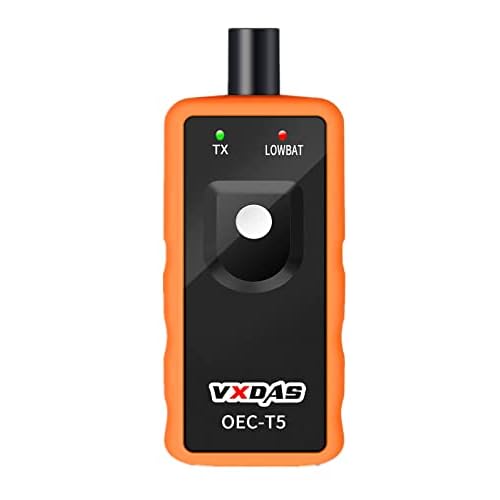
- Professional Help: If the “TPMS” light is blinking, a specialized TPMS reset tool (like those from Autel or Bartec) is required to “relearn” sensor IDs to the ECU. This cannot be done through dashboard menus on the 2011 model.
- Estimated Time: 15–30 minutes for pressure checks and driving; 1 hour if a battery reset is required.
- Estimated Cost: $0 for a DIY air fill and drive; $50–$100 per wheel if a sensor requires replacement.
Differences Between ‘TPMS’ and Tire Symbol Lights
One of the most confusing parts about the 2011 Honda Accord is that it features two different warning indicators. You might see a symbol that looks like a horseshoe with an exclamation point, or you might see the literal letters TPMS glowing in yellow. Many drivers assume these mean the same thing, but they actually signal two very different problems. Distinguishing between them is the first step in solving your dashboard mystery.
The Low-Pressure Warning Icon
The icon that looks like a cross-section of a tire with an exclamation point is the Low Pressure Indicator. When this light stays solid, it means the system is working perfectly, but it has detected that one of your tires is at least 25% below the recommended inflation level. This often happens on the first cold morning of the year. When the temperature drops, the air inside your tires becomes denser, which lowers the pressure. This light is a simple “maintenance required” signal telling you to add some air.
When the Letters ‘TPMS’ Appear
If you see the actual letters TPMS illuminated on your dash, the situation is different. This light does not necessarily mean your tires are low on air. Instead, it indicates a fault within the monitoring system itself. Think of it as the car saying, “I have stopped monitoring your tires because I am broken.” This is a common occurrence as the 2011 models age because the hardware is subject to wear and tear. Several factors can cause this specific light to stay on:
- Sensor Battery Failure: The batteries inside the wheel sensors typically last 7 to 10 years.
- Electronic Interference: Certain mobile chargers or electronic devices can disrupt the sensor signal.
- Physical Damage: A technician might have bumped a sensor during a recent tire change.
- System Glitch: The central receiver may have lost its connection to one or more wheels.
By identifying which light you are seeing, you can narrow down your search. If the “horseshoe” icon is on, your tires need air. If the “TPMS” letters are on, your car likely needs a diagnostic tool or a hardware replacement. Being able to tell your mechanic exactly which light is showing will save you time and money on labor costs.
Factors Affecting Sensor Battery Longevity
Recommended Best Deal Products


The Tire Pressure Monitoring System in your 2011 Honda Accord relies on small, battery-powered sensors located inside each wheel. These lithium-ion batteries are sealed within the sensor unit, meaning when the battery dies, the entire sensor must be replaced. While most sensors are designed to last between five and ten years, several real-world factors can significantly shorten that lifespan.
Environmental Temperature Extremes
Weather plays a massive role in how long your TPMS sensors remain functional. Since these sensors are mounted on the wheel, they are directly exposed to the elements. Extreme cold is particularly taxing on battery chemistry, often causing a voltage drop that might trigger a false “low battery” warning in the winter. Conversely, excessive heat from high-speed driving or hot climates can degrade the internal components over time. If you live in a region with dramatic seasonal shifts, you might find your sensors failing sooner than a vehicle kept in a temperate, climate-controlled garage.
Driving Frequency and Mileage
TPMS sensors are designed to be “smart” to preserve energy. Most sensors enter a sleep mode when the vehicle is stationary for an extended period. Once the wheels start spinning, an internal centrifugal switch “wakes” the sensor up to begin transmitting data to the Accord’s ECU. Because of this, high-mileage drivers who spend many hours on the road will naturally deplete their sensor batteries faster than occasional drivers. Key factors influencing battery drain include:
- Constant Transmission: Driving long distances at high speeds keeps the sensor in high-output mode.
- Stop-and-Go Traffic: Frequent transitions between sleep and active modes can occasionally wear on the internal switching mechanism.
- Sensor Age: For a 2011 model, original factory sensors are likely reaching the end of their chemical life regardless of mileage.
Professional Diagnostic Costs for TPMS Issues
Because the 2011 Honda Accord lacks a physical reset button for its direct TPMS system, persistent warning lights often require a professional touch. When the light stays on despite correct tire pressure, a technician must use a specialized OBD-II scan tool to communicate with the vehicle’s computer and identify which specific sensor is malfunctioning.
Labor Charges and Diagnostic Fees
Most automotive repair shops or dealerships charge a flat diagnostic fee to “hook up” the car to their computer. This fee generally ranges from $50 to $150 depending on your location and the shop’s hourly rate. This cost covers the technician’s time to scan for fault codes, check the battery life of each individual sensor, and verify that the TPMS control module is receiving signals correctly. While it may seem steep just to identify a light, these tools provide data that a standard handheld tire gauge simply cannot.
Sensor Replacement and Programming Costs
If the diagnosis confirms a dead sensor, you will face costs for the part, the labor to install it, and the “relearn” procedure. Unlike a simple light bulb replacement, a TPMS sensor requires the tire to be partially dismounted from the rim. You can expect the following price breakdown:
- The Part: OEM Honda sensors usually cost between $80 and $120, while high-quality aftermarket alternatives may run $30 to $60.
- Installation Labor: Since the tire must be broken down and re-balanced, expect $20 to $40 per wheel in labor.
- System Relearn: Some shops include the digital “handshake” between the new sensor and the car in the labor fee, while others may charge an additional $20 to $40 to program the new ID into the system.
Conclusion: Keeping Your Accord Safe
Understanding the TPMS in your 2011 Honda Accord is essential for both safety and peace of mind. While the lack of a physical reset button can be frustrating, the system is designed to be self-sufficient and highly accurate. By monitoring your tire pressure manually and recognizing the signs of sensor battery failure, you can avoid the annoyance of a persistent dashboard light. Remember that your tires are the only part of your vehicle touching the road, making the TPMS one of your most valuable safety features.
If your TPMS light is currently on, start by checking your tire pressure with a reliable manual gauge while the tires are cold. If the light persists even after adding air and driving for ten miles, it is time to schedule a professional diagnostic. Stay proactive with your maintenance to ensure your Accord remains reliable for years to come!
💬 Quick Questions & Answers
Where is the 2011 Honda Accord TPMS reset button?
This specific model year does not feature a physical reset button; the system is designed to auto-reset once pressure is corrected.
Does the 2011 Honda Accord use sensors or ABS for TPMS?
It uses direct sensors mounted inside each wheel to monitor actual air pressure rather than wheel speed.
Will the TPMS light turn off on its own?
Yes, once tires are inflated to the recommended PSI and the vehicle is driven for a short distance.
Can I reset the TPMS via the dashboard menu?
No, the 2011 model lacks the digital calibration menu found in newer Honda generations.
What is the recommended PSI for a 2011 Honda Accord?
Standard models typically require 32 PSI, but always verify using the sticker on the driver-side door jamb.
❓ Frequently Asked Questions
Why can’t I find a reset button in my 2011 Honda Accord?
Unlike newer Honda models that use indirect TPMS, the 2011 version uses direct sensors that communicate wirelessly with the car’s computer. Since it detects actual pressure rather than wheel speed variations, it does not require a manual recalibration button.
What does it mean when the TPMS light flashes before staying solid?
A flashing light usually indicates a system malfunction, such as a dead sensor battery or a faulty receiver. If the light is solid from the start, it simply means at least one tire is significantly underinflated.
Do I need a special tool to reset the TPMS after a tire rotation?
A standard tire rotation does not require a reset on this model because the system tracks the sensors regardless of their position. However, if you replace a sensor, a TPMS relearn tool is required to sync the new ID to the car.
How long do the batteries in the 2011 Accord TPMS sensors last?
Most original equipment sensors have a battery life of roughly 7 to 10 years. Given the age of 2011 models, sensor failure due to battery depletion is the most common reason for a persistent warning light.
Will overinflating the tires turn off the warning light faster?
No, overinflating tires is unsafe and can lead to uneven tread wear or a different type of system error. You should strictly follow the PSI levels listed on the driver’s door pillar for the system to function correctly.
Can cold weather trigger the TPMS light in my Honda?
Yes, air contracts in cold temperatures, and for every 10-degree drop, your tires can lose about 1 PSI. This often causes the TPMS light to illuminate on the first cold morning of the season even if there are no leaks.