2017 Nissan Altima Oil Filter Location Guide And Maintenance
Maintaining the integrity of your 2017 Nissan Altima’s powertrain relies heavily on consistent oil changes, a process fundamentally linked to the oil filter’s accessibility. Many Altima owners or DIY enthusiasts encounter difficulty precisely locating the oil filter, a crucial component for engine longevity and performance, leading to maintenance delays or frustration. This comprehensive guide will meticulously detail the exact oil filter location on your 2017 Nissan Altima, provide a step-by-step access procedure, and offer invaluable maintenance insights, ensuring a smooth and effective oil change experience.

Deciphering the 2017 Nissan Altima’s Oil Filtration System
Recommended Best Deal Products



📤 Share Image
The engine oil filter, while often overlooked, is a cornerstone of your 2017 Nissan Altima’s lubrication system. Its fundamental role is to prevent contaminants—such as dirt, metal particles, carbon deposits, and unburned fuel—from circulating within the engine’s lubricating oil. These abrasive particles, if left unchecked, can lead to accelerated wear on critical internal components like crankshaft bearings, camshafts, and cylinder walls, severely compromising engine integrity.
A properly functioning oil filter directly impacts engine longevity, fuel efficiency, and overall performance. By maintaining clean oil, the filter ensures optimal lubrication, reducing friction and heat. Conversely, a neglected or clogged oil filter can starve the engine of adequately filtered oil, leading to premature wear and potential mechanical failure. Consider a hypothetical scenario: a 2017 Altima owner consistently bypasses filter changes, only adding fresh oil. Over time, the accumulated debris in the old filter bypasses the filtration medium, causing the engine to operate with dirty oil, eventually leading to reduced oil pressure, unusual engine noises, and ultimately, extensive damage requiring costly repairs. This stands in stark contrast to a vehicle meticulously maintained according to Nissan’s recommended schedule, where the engine delivers consistent performance for hundreds of thousands of miles.
For the 2017 Nissan Altima, OEM (Original Equipment Manufacturer) specifications for oil filters ensure a balance of filtration efficacy and flow rate. These filters typically utilize synthetic or cellulose media designed to capture particles as small as 10-20 microns, which is critical for protecting the precision-machined engine components. Nissan recommends oil and filter changes typically every 5,000 miles or 6 months for conventional oil, or longer intervals when using full synthetic lubricants, always emphasizing that the filter must be replaced with the oil. Warning signs of a failing or clogged oil filter can include a flickering or illuminated low oil pressure indicator on the dashboard, reduced engine performance, or unusual ticking or knocking sounds emanating from the engine, signaling inadequate lubrication.

Precise Location Guide: Accessing the 2017 Nissan Altima Oil Filter
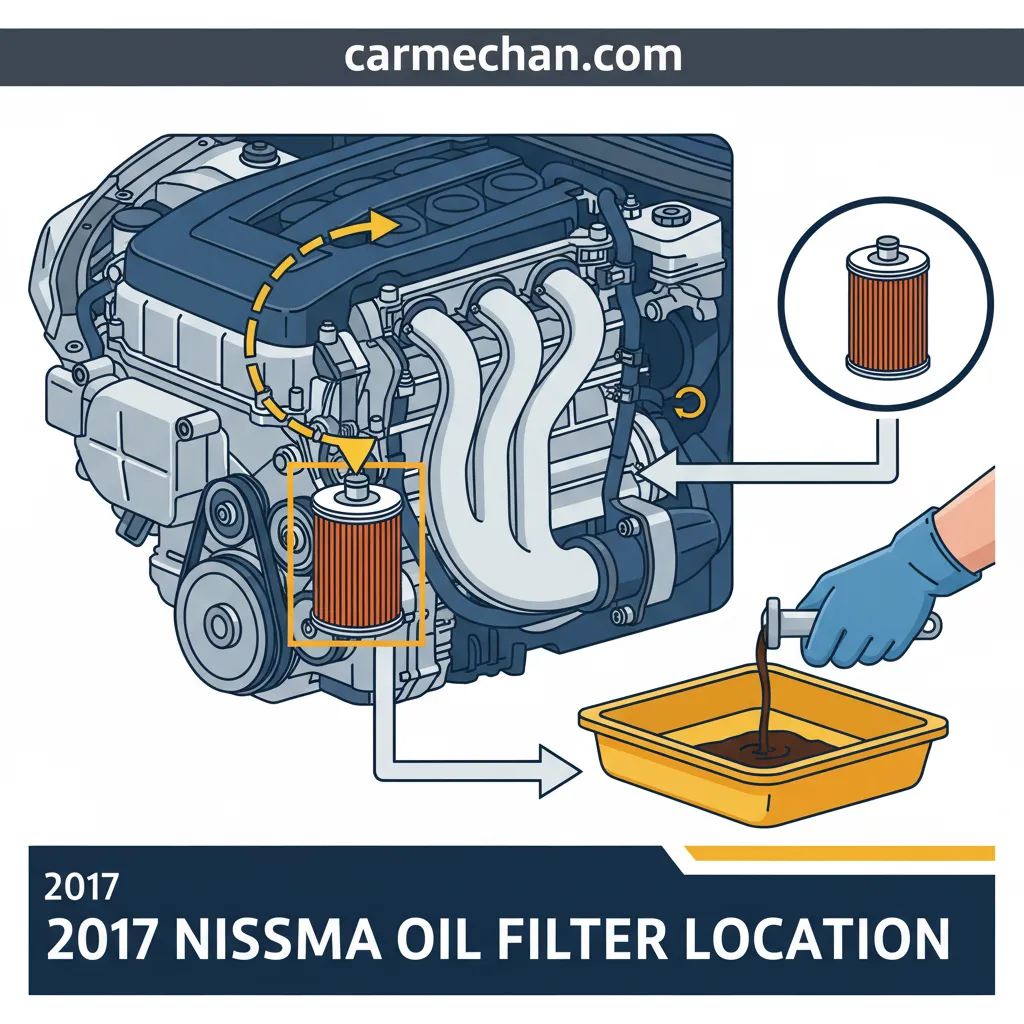
Locating the oil filter on your 2017 Nissan Altima is the critical first step in any oil change procedure. Regardless of whether your Altima is equipped with the 2.5L 4-cylinder or the 3.5L V6 engine, the filter’s general position remains consistent. It is typically situated on the lower front passenger side of the engine block, often near the oil pan. However, accessing it safely and efficiently requires proper preparation.
Safety First: Lifting the Vehicle
Before attempting to locate the filter, you must safely lift the vehicle to gain adequate clearance. This necessitates appropriate lifting equipment, such as robust automotive ramps or a hydraulic jack paired with sturdy jack stands. Improper vehicle lifting accounts for a significant percentage of DIY maintenance injuries, so extreme caution is paramount. Drive the Altima onto ramps, ensuring it is centered and stable, or use a hydraulic jack to lift the front of the vehicle, placing jack stands securely under designated frame points. Never rely solely on a jack for support.
Pinpointing the Filter’s Position
Once the vehicle is safely elevated, slide underneath towards the front passenger side. The 2017 Altima models commonly utilize a spin-on canister-type oil filter, a widely recognized and easily identifiable design. For the QR25DE 2.5L 4-cylinder engine, the filter is usually situated near the front of the oil pan, often slightly recessed. It’s connected directly to the engine block, sometimes adjacent to or integrated with an oil cooler assembly.
For the VQ35DE 3.5L V6 engine, while the general vicinity is similar (lower front passenger side), slight variations in exhaust manifold routing or heat shield placement might alter the immediate approach. You will still find the cylindrical filter protruding from the engine block in this general area. Common visual cues for the oil filter include its distinct cylindrical shape and common colors such as blue, black, or white, depending on the brand installed. It’s usually metal, with a textured grip area or flutes for a wrench.
Removing the Splash Shield (If Applicable)
On many 2017 Nissan Altima trims, a plastic engine undertray or splash shield may partially obstruct direct access to the oil filter and drain plug. If present, this shield must be removed to gain clear, unhindered access. It is typically secured by several 10mm bolts or plastic clips. Carefully remove these fasteners and set the shield aside. This step is crucial for both convenience and to prevent oil spills onto the shield during removal and installation.

Audible — Listen Free for 30 Days
One free credit a month and thousands of titles included.
Listen Free for 30 Days
Essential Tools and Safety Protocols for Oil Filter Replacement
Recommended Best Deal Products


Performing an oil filter replacement on your 2017 Nissan Altima, while a routine task, demands specific tools and strict adherence to safety protocols. This isn’t merely about convenience; it’s about preventing injury and ensuring the longevity of your vehicle.
Comprehensive Tool List
To execute this task efficiently, ensure you have the following:
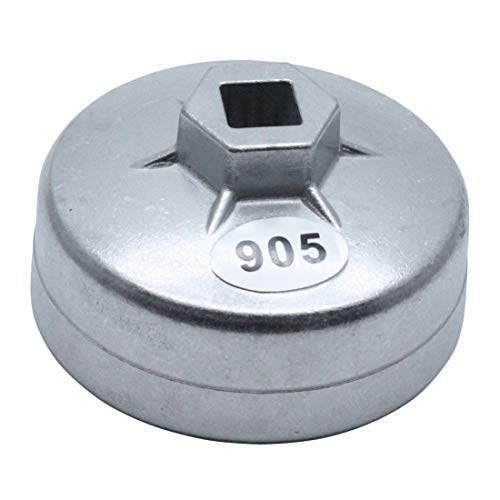
- Oil Filter Wrench: A 64-65mm 14-flute cap-style oil filter wrench is commonly ideal for OEM filters on the 2.5L Altima. Alternatively, strap or claw-type wrenches offer versatility.
- Drain Pan: A large, appropriately sized drain pan (minimum 6-8 quart capacity) to collect used oil.
- Socket Wrench Set: For the oil drain plug, typically a 14mm or 17mm socket is required. Confirm this for your specific model.
- Torque Wrench: Absolutely critical for tightening the oil drain plug and oil filter to manufacturer specifications, preventing leaks or damage.
- New Oil Filter: Ensure it’s the correct part number for your 2017 Altima engine type.
- New Engine Oil: Nissan recommends API certified 5W-30 engine oil.
- Funnel: To prevent spills when refilling engine oil.
- Clean Rags or Shop Towels: For wiping up spills.
- Wheel Chocks: To further secure the vehicle.
Non-Negotiable Safety Protocols
- Personal Protective Equipment (PPE): Always wear robust work gloves to protect your hands from hot oil and sharp edges, and eye protection to shield against splashes. Appropriate long-sleeved clothing also helps prevent chemical exposure.
- Safe Vehicle Lifting: If using a hydraulic jack, always secure the vehicle with sturdy jack stands rated for at least 3 tons (6,000 lbs) for stable support. Position them on solid, level ground under the vehicle’s designated frame or pinch weld points. Once the vehicle is on stands, gently shake it to confirm stability before sliding underneath. If using ramps, ensure the vehicle is fully engaged and centered.
- Engine Cool-Down: Allow the engine to cool for at least 15-30 minutes before starting. While a slightly warm engine helps oil drain more easily, extremely hot oil can cause severe burns.
Never work under a vehicle supported only by a jack. Jack stands are essential for safety. Approximately 180 million gallons of used oil are improperly disposed of annually in the US, contributing to environmental pollution. Proper disposal is crucial.
Proper Disposal Protocols
Properly handling and disposing of used motor oil and the old oil filter is a critical step often overlooked. Never pour used oil down drains or onto the ground. Most automotive fluid spills are preventable with proper precautions. Transfer the used oil from your drain pan into sealable, labeled containers. The old oil filter also contains residual oil and should be placed in a sealed bag or container. Adhere to environmental regulations and local community guidelines for recycling; most automotive parts stores, service centers, and municipal recycling facilities accept used motor oil and filters free of charge. The torque specification for the oil drain plug on a 2017 Nissan Altima typically ranges from 25-30 ft-lbs (34-41 Nm).
Step-by-Step Oil Filter Replacement Procedure for 2017 Altima Owners
With the vehicle safely secured and all tools at hand, you are ready to perform the oil and filter change. Follow these steps meticulously to ensure a successful and leak-free replacement.
📋
Step-by-Step Guide
Recommended Best Deal Products

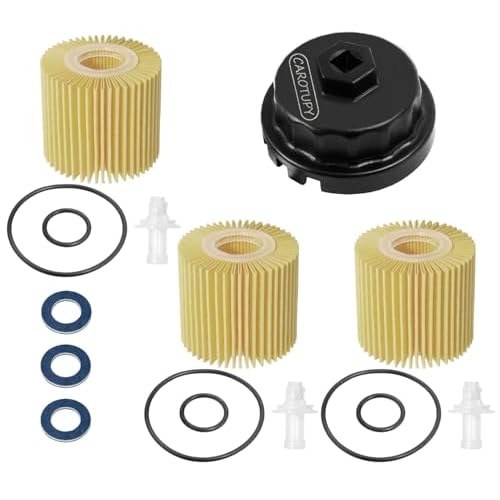

Position your drain pan directly underneath the oil drain plug, which is located at the bottom of the oil pan. Using the correct socket wrench, carefully loosen the drain plug counter-clockwise. Once it’s loose enough to turn by hand, remove it quickly to allow the old oil to stream into the pan. Ensure complete oil evacuation; this typically takes 10-15 minutes. While the oil drains, inspect the drain plug gasket and replace it if it shows any signs of wear or compression. Once drained, reinstall the drain plug and tighten it to the specified torque of 25-30 ft-lbs (34-41 Nm).
Move the drain pan directly under the oil filter location. Use your oil filter wrench to loosen the filter by turning it counter-clockwise. Once it loosens, be prepared for residual oil to spill out. Continue to unscrew the filter by hand. Once completely free, let it drain briefly into the pan, then carefully remove it, keeping it upright to minimize spills, and place it in a separate container for disposal. Wipe down the oil filter mounting surface on the engine block with a clean rag to remove any old oil or debris.
Audible Premium Plus — Annual Membership
12 audiobook credits up front, plus the full Audible catalogue.
See Annual PlansBefore installing the new filter, apply a thin film of fresh engine oil to the new rubber gasket. This ensures a good seal and prevents the gasket from tearing or sticking during installation. For certain filter types and applications, some technicians advocate pre-filling the filter with new oil to minimize the duration of a “dry start” (when the engine runs momentarily without full oil pressure immediately after an oil change). However, due to the Altima’s filter orientation, pre-filling is often impractical and can lead to spills; simply lubricating the gasket is sufficient for most applications.
Carefully thread the new oil filter onto the engine block by hand, turning clockwise. Ensure it engages correctly and isn’t cross-threaded. Once the gasket makes contact with the mounting surface, hand-tighten the filter until snug. Then, use the oil filter wrench to give it an additional quarter to half a turn, or tighten to the manufacturer’s specified torque, which typically ranges from 11-14 ft-lbs (15-19 Nm). Over-tightening is a common mistake that can lead to gasket damage or a seized filter, making future removal difficult.
Lower the vehicle from the jack stands or ramps. Locate the engine oil fill cap on the top of the engine and remove it. Using a clean funnel, carefully add the new engine oil. For the 2.5L QR25DE engine, the capacity is approximately 4.88 quarts (4.62 liters) with filter replacement. For the 3.5L VQ35DE engine, it’s approximately 5.13 quarts (4.86 liters) with filter replacement. Start the engine and let it run for a few minutes, allowing the oil to circulate and the filter to fill. Check for any leaks around the new filter and drain plug. Turn off the engine, wait 5-10 minutes for the oil to settle, then check the oil level on the dipstick and add more if necessary to reach the “full” mark. Reinstall the oil fill cap and dipstick.
Troubleshooting Common Issues and Local Support for Your 2017 Altima
Even with the best preparation, unexpected challenges can arise during oil filter replacement. Knowing how to troubleshoot common issues and where to find reliable support can save time and prevent further complications.
Dealing with a Stubborn Oil Filter
A common frustration is a stuck or over-tightened oil filter. Over time, heat cycles and corrosion can bond the filter to the engine, making removal difficult. If your cap-style wrench slips, consider alternative wrench types such as a sturdy strap wrench or a pliers-style wrench, which can often provide a more secure grip. In extreme cases, a large screwdriver carefully driven through the filter body (close to the base, avoiding damage to the engine block) can provide leverage, but this should be a last resort and performed with extreme caution, as a seized oil filter can require up to 50 ft-lbs of breaking torque, significantly higher than its installation torque. Always have a large drain pan ready for potential spills.
Navigating Awkward Access
The tight clearances around the 2017 Altima’s oil filter, particularly with exhaust components or heat shields, can present awkward access angles. If you’re struggling, try reaching from different vantage points, or consider investing in specialized flexible filter wrenches or those with longer handles, which can be available at any well-stocked automotive parts store. Sometimes, a slight adjustment to the vehicle’s position on the ramps can also open up a better angle.
Leveraging Local Resources and Professional Expertise
For purchasing the correct oil filter, engine oil, or specialized tools, numerous reliable local resources are typically available in most communities. Chains like AutoZone, Advance Auto Parts, and O’Reilly Auto Parts are easily accessible and usually have knowledgeable staff who can help you identify the right parts for your 2017 Nissan Altima. These stores are often nearby and provide a convenient solution for parts acquisition.
If you encounter complex issues, such as a stripped drain plug, or if your DIY confidence is low for any reason, it’s prudent to seek professional assistance. Certified Nissan service centers or reputable independent mechanics serving your area are well-equipped with the specialized tools and expertise to handle such situations safely and effectively. Engaging a trusted local mechanic ensures the work is done correctly, preserving your Altima’s performance and potentially avoiding costlier repairs down the line.
Over 90% of U.S. communities have access to used oil recycling facilities. Always check with your local municipality or automotive parts store for designated drop-off points for used motor oil and filters. Proper disposal protects our environment.
Optimizing Your 2017 Altima’s Filtration: Maintenance Best Practices
Beyond the basic oil and filter change, implementing specific maintenance best practices can significantly enhance your 2017 Nissan Altima’s engine protection and longevity. The oil filter is not merely a component; it’s a crucial guardian of your engine’s health.
OEM vs. High-Quality Aftermarket Filters
While OEM filters meet Nissan’s strict specifications, high-quality aftermarket oil filters often offer superior performance. Brands like Mobil 1, Wix, or Fram Ultra Guard are renowned for their enhanced filtration efficiency, robust construction, and extended lifespan. These filters often incorporate cellulose-synthetic blend media, which provides superior contaminant capacity and finer particle capture compared to standard cellulose filters. This translates to cleaner oil over longer intervals, especially beneficial when paired with synthetic oils. Choosing a premium filter can offer a marginal but significant advantage in protecting your engine from abrasive wear.
Synthetic vs. Conventional Oil and Filter Lifespan
The type of engine oil you use directly influences filter lifespan. Synthetic oils can maintain viscosity and lubrication properties for up to 10,000-15,000 miles, significantly longer than conventional oils (typically 3,000-5,000 miles). This extended longevity, however, relies heavily on a high-performing filter capable of maintaining its filtration efficiency throughout the extended interval. Nissan often recommends 5W-30 synthetic blend or full synthetic for the 2017 Altima, and coupling this with a premium, long-life oil filter is the optimal strategy for maximizing engine protection and extending service intervals.
✅ Pros of Synthetic Oil with Premium Filter
- Superior engine protection
- Extended oil change intervals
- Better performance in extreme temperatures
- Reduced engine wear
❌ Cons of Neglecting Filter Quality
- Premature engine wear
- Reduced fuel efficiency
- Potential for mechanical failure
- Increased maintenance costs over time
Driving Conditions and Inspections
Severe driving conditions, such as heavy stop-and-go city traffic, extreme hot or cold temperatures, frequent short trips, or towing, can accelerate oil degradation and filter loading. A vehicle primarily used for short city drives in dusty conditions, for example, might benefit from a filter change at 3,000-mile intervals, even if using synthetic oil. Between oil changes, regularly inspect the oil filter housing and surrounding components for any signs of leaks or damage. Early detection of a weeping filter gasket can prevent significant oil loss and potential engine damage.
Maintaining accurate service records and adhering to a consistent maintenance schedule are paramount. This diligent approach ensures the optimal performance, reliability, and longevity of your 2017 Nissan Altima, safeguarding your investment and providing peace of mind.
By The Numbers
Microns Filtered
Miles (Conventional Oil Change)
ft-lbs (Drain Plug Torque)
Quarts (2.5L Oil Capacity)
Accurate identification of the oil filter location is paramount for successful DIY maintenance on your 2017 Nissan Altima. Employing appropriate tools and adhering to strict safety protocols are non-negotiable for a secure and effective filter replacement. Utilizing local resources for parts and professional assistance can streamline the maintenance process and address complex challenges. Empower your vehicle’s longevity by confidently performing or overseeing your next oil filter replacement. Consult your owner’s manual for specific torque specifications and consider professional assistance for any complex procedures, ensuring your 2017 Altima remains in peak operational condition.
Frequently Asked Questions
What is the typical lifespan of an oil filter on a 2017 Nissan Altima?
For a 2017 Nissan Altima, the oil filter lifespan is generally tied to the oil change interval. With conventional oil, it’s typically recommended every 5,000 miles or 6 months. If using synthetic oil, some manufacturers and filter brands suggest intervals up to 10,000-15,000 miles, but always adhere to your vehicle’s owner’s manual and the specific filter manufacturer’s recommendations for optimal engine health.
Are there different types of oil filters recommended for the 2017 Nissan Altima?
Yes, while the 2017 Nissan Altima typically uses a spin-on canister filter, there are variations in quality and design. OEM (Original Equipment Manufacturer) filters are always a safe choice. Aftermarket options from reputable brands like Wix, Mobil 1, Fram, or K&N offer standard and extended-life filters, often with enhanced filtration media for synthetic oils. Always ensure the filter meets or exceeds Nissan’s specifications for your specific engine (2.5L or 3.5L).
What specific tools are required to access and replace the 2017 Altima oil filter?
To access and replace the oil filter on your 2017 Altima, you will primarily need an oil filter wrench (a cap-style 64-65mm 14-flute wrench is common), a correctly sized socket or wrench for your oil drain plug (often 14mm or 17mm), a torque wrench for precise tightening, an oil drain pan, jack stands or ramps for vehicle elevation, and personal protective equipment like gloves and safety glasses. A funnel is also helpful for refilling.
Is it advisable to use aftermarket oil filters or stick to OEM for the 2017 Altima?
Both OEM and high-quality aftermarket oil filters can be excellent choices for your 2017 Altima. OEM filters guarantee fit and performance as designed by Nissan. Reputable aftermarket brands often offer filters with superior filtration efficiency, capacity, or durability, particularly useful with synthetic oils. It’s crucial to select aftermarket filters from trusted manufacturers that meet or exceed Nissan’s original equipment specifications to ensure proper engine protection and warranty compliance.
When should I consider professional help if I encounter difficulties changing my 2017 Altima’s oil filter?
You should consider professional help if you encounter significant difficulties, such as a severely stuck or seized oil filter, if the drain plug is stripped, if you lack the necessary tools or proper vehicle lifting equipment, or if you are uncomfortable with any step of the process. Certified Nissan service centers or reputable independent mechanics have specialized tools and expertise to handle these challenges safely and efficiently, preventing potential damage to your vehicle.