2024 Kia Sportage TPMS Reset Button Location & Tips
Last Updated on September 1, 2026 by Ryan
📋 Table of Contents
- 🎯 Key Takeaways
- Understanding the 2024 Kia Sportage TPMS Architecture
- Master 2024 Kia Sportage TPMS Calibration in 6 Simple Steps
- Factors Influencing Automatic Tire Pressure Calibration
- Comparing Indirect vs. Direct TPMS in Modern SUVs
- Maintenance Benefits of Integrated Tire Pressure Monitoring
- Conclusion
- 💬 Quick Questions & Answers
- ❓ Frequently Asked Questions
The 2024 Kia Sportage does not feature a physical TPMS reset button because it utilizes an advanced automatic calibration system. To reset the warning light, you must inflate tires to the correct PSI and drive the vehicle at consistent speeds to trigger the sensors.

Audible — Listen Free for 30 Days
One free credit a month and thousands of titles included.
Listen Free for 30 Days🎯 Key Takeaways
Recommended Best Deal Products


- The 2024 Sportage uses an automatic self-resetting TPMS instead of a manual button.
- Correct tire pressure is found on the driver-side door jamb placard.
- Driving above 15-20 mph for several minutes is required to clear warnings.
- Temperature changes are the most common cause for TPMS alerts in new models.
- A flashing TPMS light indicates a system malfunction rather than low pressure.
Have you ever started your morning only to see that dreaded low tire pressure light on your 2024 Kia Sportage? It is a common sight, especially when the seasons change and the air turns crisp. This light is part of your Tire Pressure Monitoring System (TPMS). It serves as a vital safety feature that keeps you and your family safe while you are out on the road. Knowing how to handle this alert is part of being a modern car owner.
Understanding how your Sportage tracks air pressure can save you plenty of time and money. Many drivers search for a physical reset button, but modern technology has changed the game for the 2024 model year. Instead of a simple switch, your car uses smart sensors to manage its own health. Knowing the “why” behind the system helps you maintain your vehicle more effectively and keeps your tires lasting longer than ever before.
Understanding the 2024 Kia Sportage TPMS Architecture
The 2024 Kia Sportage utilizes a sophisticated direct TPMS architecture. This means each tire has its own battery-powered sensor. These sensors live inside the wheel assembly, usually attached to the back of the valve stem. They measure the actual air pressure and temperature inside the tire in real-time. This is much more accurate than older, indirect systems that guessed pressure based on how fast the tires were rotating. You get a precise look at what is happening inside your rubber.

How the System Communicates
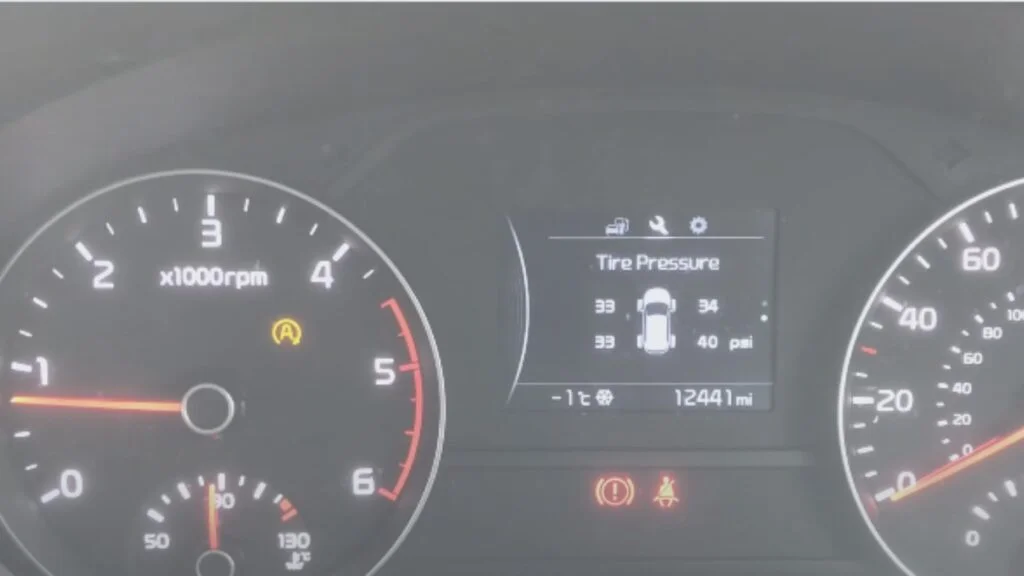
Your Sportage acts like a mini-computer network. Each sensor sends a wireless signal to a central receiver hidden within the car. This receiver passes the data to the Electronic Control Unit (ECU). If the pressure drops below a certain threshold, the car triggers the alert on your dashboard. It is a seamless process that happens entirely in the background while you focus on driving. You can even see the live PSI for each tire on your digital instrument cluster.
- Active Monitoring: The sensors check pressure levels even when the car is parked for a short time.
- Real-Time Data: You can view the exact pressure of each individual tire through the settings menu.
- Long-Life Battery: These internal sensors are built to last for many years without needing maintenance.
- Unique Identification: Each sensor has a specific code so the car knows exactly which tire is low.
The Role of the Digital Display
In the 2024 model, the digital display is your primary source of information. It replaces the need for old-fashioned gauges. If one tire is low, the display will often highlight that specific wheel in amber or red. This removes the guesswork and tells you exactly where to add air. The architecture is designed to be automated, meaning the car is always looking for the most accurate data to keep your ride smooth and efficient.
Master 2024 Kia Sportage TPMS Calibration in 6 Simple Steps
Recommended Best Deal Products


If you have recently noticed a glowing horseshoe-shaped icon on your 2024 Kia Sportage dashboard, your Tire Pressure Monitoring System (TPMS) is alerting you to an inconsistency in air pressure. Unlike older vehicles that featured a physical “Set” button hidden under the steering column, the 2024 Kia Sportage utilizes an advanced digital interface and an automated “auto-learn” system. This guide provides a comprehensive walkthrough on how to locate the digital reset functions, properly inflate your tires to factory specifications, and trigger the system to clear the warning light. Following these steps correctly ensures your vehicle remains fuel-efficient, your tires wear evenly, and your safety systems function at peak performance.
Step 1: Locate the Tire and Loading Information Placard
What you need: Access to the driver’s side door frame and a basic understanding of your vehicle’s specific load requirements.
Instructions: Before you can reset the TPMS light, you must know the exact pressure your 2024 Kia Sportage requires. Open the driver’s side door and look at the “B-pillar” (the metal frame where the door latches). You will find a white and red sticker known as the Tire and Loading Information placard. For most 2024 Sportage trims, the recommended cold tire pressure is typically between 33 and 35 PSI (pounds per square inch). Do not use the “Max Pressure” listed on the sidewall of the tire itself, as that is the bursting limit, not the operational recommendation. Take a photo of this sticker with your phone so you have the reference ready for the next step.

Prime for Young Adults — 6 Months Free
Students and 18–24s get six months of Prime free, then half price.
Start 6 Months FreePro Tip: Always check your tire pressure when the tires are “cold,” meaning the car has been parked for at least three hours or has been driven less than a mile. Driving heats the air inside the tires, causing an expansion that leads to an artificially high pressure reading on your gauge.
Step 2: Inspect and Inflate Tires to Specification
What you need: A high-quality digital tire pressure gauge and an air compressor (available at most gas stations or as a portable unit).
Instructions: Remove the valve stem caps from all four tires. Using your gauge, check the current pressure of each tire, including the spare if your trim level includes a full-sized one. Even if only one tire triggered the light, a variance of just a few PSI across the axle can prevent the system from resetting. Inflate each tire precisely to the PSI noted on your door placard. If you overinflate, use the small nipple on the back of the pressure gauge to release air until you hit the exact number. Once all tires are balanced and correctly pressurized, securely replace the valve stem caps to prevent dirt and moisture from entering the sensor mechanism.
Pro Tip: If you are inflating your tires in extreme winter temperatures, add 1-2 PSI above the placard recommendation. Cold air is denser, and as the temperature drops overnight, the pressure will dip, often re-triggering the TPMS light the following morning.
Step 3: Accessing the Instrument Cluster Menu
What you need: Your vehicle key fob and a seat in the driver’s position.
Instructions: Sit in the driver’s seat and close all doors. Press the “Start” button twice without pressing the brake pedal to put the vehicle into “Accessory” or “ON” mode, or simply start the engine if you are in a well-ventilated area. Look at the steering wheel controls on the right-hand side. You will see a button that looks like a stack of pages (the Menu button) and a toggle switch (the OK/Selection button). Press the Menu button repeatedly until you see the “Tire Pressure” display appear on the multi-information display located between your tachometer and speedometer. On higher trims with the panoramic curved display, this information may appear in the center “User Settings” or “Information” widget.
Pro Tip: If you cannot find the menu, ensure you are not in the “Drive Info” or “Navigation” tabs. The TPMS data is usually nested within the “Service” or “Convenience” sub-menus on the digital cluster.
Step 4: Navigating the Infotainment System for TPMS Data
What you need: Interaction with the 12.3-inch central touchscreen (if equipped).
Instructions: While the 2024 Kia Sportage does not have a physical reset button, you can often view more detailed sensor data through the main infotainment screen. Tap the “Setup” icon on the home screen, then select “Vehicle.” From there, navigate to “Cluster” or “Convenience.” Some regional software versions allow you to view a “Tire Pressure” graphic that shows the live PSI of each individual wheel. If the screen shows “Drive to Display,” it means the system is currently in a “sleep” state and requires movement to wake up the sensors. This digital interface serves as your confirmation that the car is actively looking for new pressure data after your manual inflation in Step 2.

Prime Gaming — Free In-Game Loot
Free monthly games, in-game content and a Twitch channel sub.
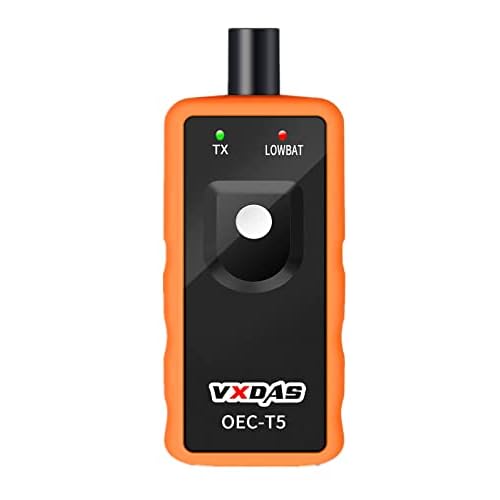
Claim Free LootPro Tip: If you have recently rotated your tires or replaced a sensor, this menu is where you would verify that the car recognizes the new positions of the wheels. If the pressures don’t match the wheels they are on, a professional “relearn” tool may be required.
Step 5: Initiating the “Auto-Learn” Drive Cycle
What you need: A clear stretch of road and approximately 10–15 minutes of driving time.
Instructions: The 2024 Sportage uses a direct TPMS system with sensors inside each wheel that transmit data via radio frequency. To “reset” the system, you must drive the vehicle. Once you have confirmed all tires are at the correct PSI, drive the vehicle at a steady speed of at least 16 mph (25 km/h) for a minimum of 10 to 20 minutes. During this time, the TPMS module receives updated signals from the sensors and compares them against the factory-set thresholds. As the module confirms that all four sensors are reporting stable, correct pressures, the dashboard warning light will automatically extinguish. You do not need to press any further buttons during this phase.
Pro Tip: Avoid stop-and-go traffic during this drive cycle. The system learns most efficiently at a consistent speed. If the light stays on after 20 minutes of highway driving, it suggests one of the sensors may be faulty or the battery in the sensor is dead.
Step 6: Troubleshooting Persistent TPMS Alerts
What you need: Observation skills and a secondary pressure check.
Instructions: If the light remains on or flashes for 60 seconds before staying solid, the system has detected a malfunction rather than just low pressure. First, re-check your pressures with your manual gauge to ensure you don’t have a “slow leak” from a nail or a faulty valve stem. If the pressures are still perfect, try the “Power Cycle” method: turn the car off, open the driver’s door to kill all accessory power, wait 60 seconds, and restart. If the light persists, the 2024 Sportage’s computer may have a stored “Hard Code” that requires an OBD-II scanner to clear, or a sensor may have been damaged during a recent tire change.
Pro Tip: Modern Kia sensors are sensitive to electronic interference. If you have aftermarket USB chargers or dashcams plugged in, try unplugging them during your reset drive, as they can sometimes emit frequencies that jam the TPMS signal.
✅ Final Checklist
- Tire pressures match the door placard (typically 33-35 PSI).
- All four valve stem caps are tightly replaced.
- The vehicle was driven for at least 15 minutes above 16 mph.
- The instrument cluster display no longer shows a low-pressure warning for any specific wheel.
- The “Check TPMS” system error message is absent from the infotainment “Vehicle Health” report.
Important Notes:
- Safety First: Never ignore a TPMS light; low tire pressure significantly increases braking distances and the risk of a high-speed blowout.
- Professional Help: Seek a technician if the light flashes for one minute upon startup, as this indicates a failed sensor or module.
- Estimated Time: 20–30 minutes (including inflation and driving).
- Estimated Cost: $0 – $2 (for air at a gas station).
Factors Influencing Automatic Tire Pressure Calibration
Your 2024 Kia Sportage is very sensitive to its environment. Because the TPMS is automatic, it relies on specific conditions to calibrate itself correctly. It does not just look at a single moment in time. Instead, it looks for consistent data over several miles of driving. This prevents the warning light from turning off and on every time you hit a small bump or a pothole. It is designed to be smart and stable.
The Impact of Temperature and Weather
Temperature is the biggest factor in tire pressure changes. When the air gets cold, it becomes denser, and the pressure inside your tires naturally drops. For every 10-degree drop in temperature, your tires can lose about one PSI. This is why many Kia owners see the TPMS light on chilly autumn mornings. Once the tires warm up from the friction of driving, the pressure may rise back to normal levels on its own.
- Cold Starts: Pressure is usually at its lowest after the car has been sitting overnight in a garage or driveway.
- Friction Heat: Driving at highway speeds creates heat, which expands the air inside your tires.
- Seasonal Shifts: Moving from summer to winter usually requires adding a little air to compensate for the cold.
- Altitude Changes: If you drive into the mountains, the change in atmospheric pressure can cause the system to react.
Driving Consistency and Sensor Activation
To calibrate the system properly, the car needs to see a steady speed. If you are stuck in heavy stop-and-go traffic, the sensors might not update the computer immediately. The system usually prefers a steady pace of over 20 miles per hour. This speed allows the sensors to wake up from their battery-saving mode and transmit their latest readings. Consistent speed helps the system confirm that the new pressure levels are stable and safe for your journey. Being patient while the car “thinks” is key to a successful calibration.
Comparing Indirect vs. Direct TPMS in Modern SUVs
Recommended Best Deal Products


The 2024 Kia Sportage utilizes a sophisticated Tire Pressure Monitoring System that sets it apart from many older vehicles. Understanding the technology behind your dashboard alerts helps you appreciate why the “reset” process has shifted from a physical button to a digital menu interface. Most modern SUVs transition between two main types of technology: Direct and Indirect TPMS.
The Hardware Difference
In a direct system, like the one found in the 2024 Sportage, each wheel is equipped with a physical pressure sensor attached to the inner side of the valve stem. These sensors transmit real-time data wirelessly to the car’s computer. Conversely, indirect systems don’t measure air pressure at all; instead, they use the Anti-lock Braking System (ABS) wheel speed sensors to calculate if a tire is spinning faster than others, which suggests it has a smaller diameter due to low air.
Why It Matters for Your Sportage
Because your Sportage uses a direct system, you get much higher accuracy. This setup allows the vehicle to display the exact PSI for each individual tire on your digital instrument cluster. Some key advantages of this specific system include:
- Immediate Feedback: You don’t have to drive for miles to get a reading; the sensors detect changes almost instantly.
- Pinpoint Accuracy: You can see exactly which tire is low, rather than guessing which corner of the car needs attention.
- Temperature Compensation: High-end sensors can account for air expanding as tires heat up during highway driving.
Maintenance Benefits of Integrated Tire Pressure Monitoring
The TPMS in your 2024 Kia Sportage is more than just a safety warning; it is a vital tool for long-term vehicle maintenance. By paying attention to the digital readout in your settings menu, you can significantly lower your total cost of ownership. Proper inflation is the foundation of vehicle health, and the Sportage makes it easier than ever to track.
Optimizing Fuel Efficiency
One of the most immediate benefits of a well-calibrated TPMS is better gas mileage. When your tires are even slightly under-inflated, the “rolling resistance” increases. This means your engine has to work harder and burn more fuel to move the vehicle forward. By using your Sportage’s integrated display to keep your tires at the manufacturer-recommended PSI, you ensure that your SUV remains as aerodynamic and efficient as possible on the road.
Extending Tire Lifespan
Tires are one of the most expensive consumables on any modern SUV. The TPMS helps protect this investment by preventing uneven tread wear. When a tire is low, the “shoulders” of the tread wear down prematurely. If it is over-inflated, the center wears out. Staying within the “sweet spot” identified by your Kia’s monitoring system ensures:
- Balanced Handling: Consistent pressure across all four wheels provides more predictable steering response.
- Heat Reduction: Under-inflated tires generate excessive heat, which can lead to structural failure or blowouts.
- Fewer Replacements: Maintaining the correct pressure can add thousands of miles to the life of a premium tire set.
Conclusion
Navigating the 2024 Kia Sportage TPMS doesn’t require a search for a hidden physical button, but rather a quick dive into your digital settings. By moving the reset and monitoring functions to the steering wheel controls and infotainment screen, Kia has provided owners with a more precise and informative way to manage vehicle safety. Remember that your TPMS is a high-tech partner designed to save you money at the pump and keep your tires on the road longer.
For your next steps, take a moment to check your driver-side door jamb for the recommended PSI and scroll through your instrument cluster to ensure your tires are currently within that range. Keeping a small, high-quality pressure gauge in your glovebox is always a great backup to your digital sensors. Drive safely, and enjoy the peace of mind that comes with a perfectly monitored ride!
💬 Quick Questions & Answers
Where is the physical TPMS reset button on the 2024 Kia Sportage?
There is no physical button; the system is designed to reset automatically once correct pressure is detected during driving.
What is the recommended PSI for 2024 Kia Sportage tires?
Check the sticker on your driver’s side door frame, which typically lists 33 to 35 PSI depending on the trim.
How long do I need to drive to reset the TPMS light?
Usually, 10 to 20 minutes of continuous driving at speeds over 15 mph will clear the indicator.
Can I reset the TPMS through the infotainment screen?
No, there is no manual reset option in the digital menus for the 2024 model year.
Why does my TPMS light come on every morning?
Cold morning temperatures cause air density to drop, often triggering the sensor until the tires warm up during travel.
❓ Frequently Asked Questions
Why did Kia remove the physical TPMS reset button in the 2024 Sportage?
Kia transitioned to a smart monitoring system that uses wheel speed sensors or direct pressure data to self-calibrate. This automated approach ensures the system only resets when the tires are at a safe operating pressure, reducing the risk of manual error.
What should I do if the TPMS light remains on after inflating the tires?
First, verify that all four tires are inflated to the exact specifications on the door jamb. If the light persists after 20 minutes of driving, there may be a faulty sensor or a puncture that is causing a slow leak.
Is there a way to view real-time tire pressure in the 2024 Sportage?
Yes, you can navigate to the ‘Tire Pressure’ menu on the instrument cluster display using the steering wheel controls. Note that the vehicle must be moving for several minutes before the individual PSI readings will appear.
Does the 2024 Kia Sportage spare tire have a TPMS sensor?
Most trims come with a tire mobility kit or a temporary spare that does not include a sensor. If you are using a spare tire, the TPMS light will likely stay illuminated until the full-size tire is repaired and reinstalled.
Will idling the car reset the tire pressure monitoring system?
No, the sensors require the centrifugal force of the wheels spinning to activate and transmit data to the car’s computer. You must drive the vehicle to complete the reset process.
What is the difference between a solid TPMS light and a flashing one?
A solid light indicates that at least one tire has low air pressure. A light that flashes for about a minute and then stays solid indicates a malfunction in the TPMS system itself, which requires professional diagnostic service.