Nissan Armada Cruise Control Not Working: Diagnosed & Fixed
Is your Nissan Armada no longer holding speed on the highway? Few things are as frustrating during a long drive as a cruise control system that refuses to activate or intermittently drops out. Whether you drive a classic first-generation model or the latest tech-heavy iteration, a non-functional cruise system is often a symptom of a larger safety interlock trigger rather than a failed button. In this guide, we’ll walk you through the most likely causes—from simple blown fuses to sensor failures—and show you how to safely troubleshoot the issue at home.
Why Is My Nissan Armada Cruise Control Not Working?
Recommended Best Deal Products



📤 Share Image
The cruise control system in a Nissan Armada is not an isolated component. It relies on a complex network of data sharing facilitated by the vehicle’s CAN bus (Controller Area Network). When you engage cruise control, the Engine Control Module (ECM) and the Body Control Module (BCM) must “handshake” to ensure it is safe to maintain speed. If any piece of the puzzle—like the electronic throttle control or a speed sensor—reports a discrepancy, the system immediately shuts down.
The Link Between Check Engine Lights and Cruise Failure
A common misconception is that cruise control issues are mechanical. In reality, modern Nissans are programmed to disable cruise control the moment a Diagnostic Trouble Code (DTC) is stored in the ECM. Even a minor misfire or an EVAP system leak that triggers a Check Engine Light (CEL) will automatically inhibit the cruise control. This is a safety protocol designed to prevent the cruise system from working against a struggling engine.
How Intelligent Cruise Control Differs From Standard Systems
Higher-trim Armadas equipped with Intelligent Cruise Control (ICC) utilize a front-mounted radar sensor to maintain distance from vehicles ahead. Unlike standard systems, ICC is hyper-sensitive to alignment and obstruction. If the radar sensor detects dirt, debris, or a minor misalignment, the system will signal a fault and disable itself entirely to prevent erratic braking or acceleration behavior.

Understanding Fail-Safe Mode in Nissan Armada Electronics
When the system enters “fail-safe” mode, it essentially locks out the cruise function to protect the driver. This state is often accompanied by a “Service Required” warning on the dash. Because the cruise control system is a safety-critical feature linked directly to the electronic throttle control, the vehicle errs on the side of caution. If the ECM cannot guarantee the throttle body is responding correctly to commands, it will cut the cruise link immediately.
By The Numbers
Cases triggered by secondary DTCs
Required voltage for switch operation
Common Causes of Nissan Armada Cruise Control Not Working
To narrow down the specific cause, prioritize these frequent failure points. Most diagnostics can be narrowed down through basic observation of dashboard indicators and exterior lights.
- Faulty Brake Light Switch: This is arguably the #1 culprit. The brake light switch serves a dual purpose: it turns on your brake lights and sends a “stop” signal to the cruise control module. If this switch is loose or failing, the car may think you are tapping the brakes, causing the cruise system to cut out immediately.
- Wheel Speed Sensor Interference: Your Armada’s cruise system needs precise speed data. If one of the four wheel speed sensors is faulty, the vehicle’s ABS system will also trigger. Because cruise control relies on ABS data to calculate velocity, it will disable automatically when an ABS light is present.
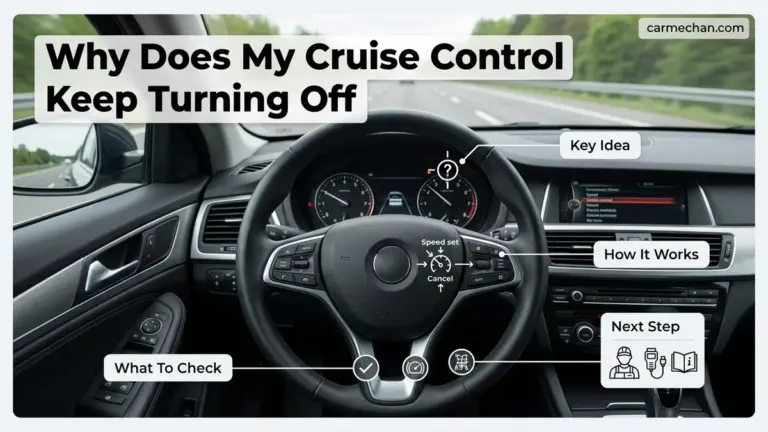
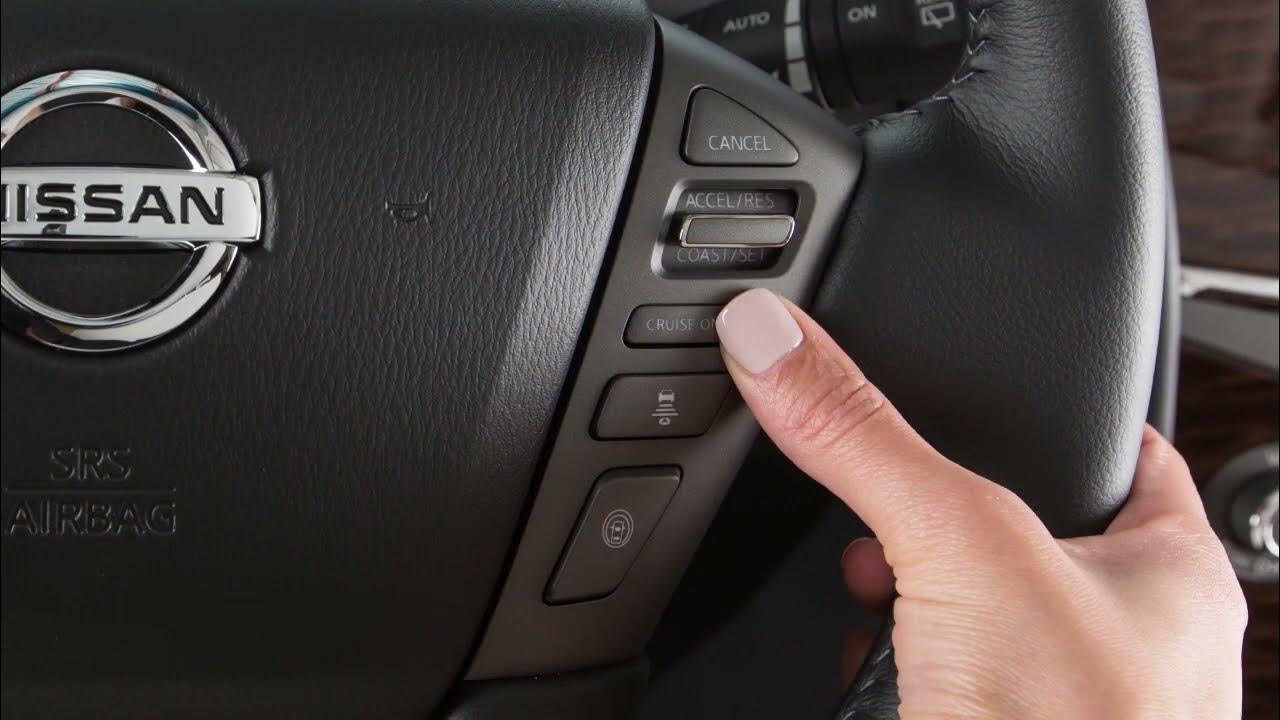
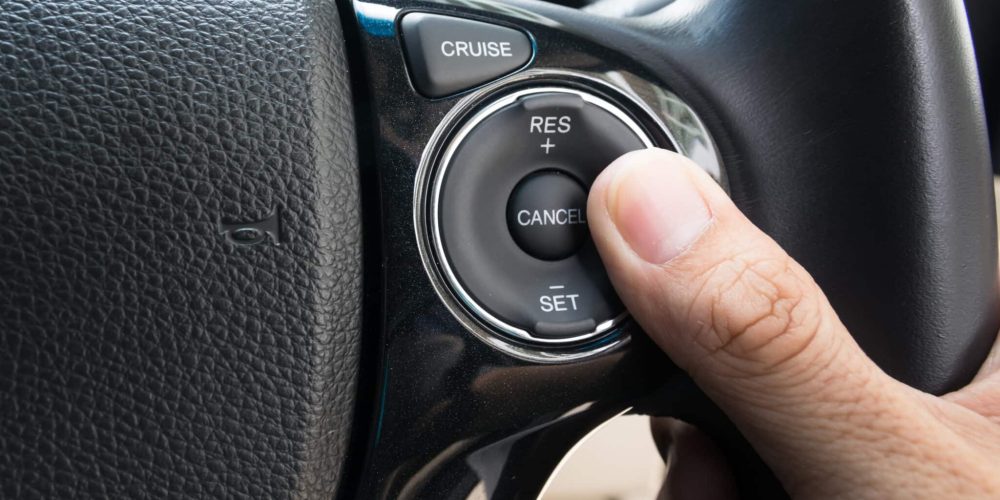
- Steering Wheel Switch Wear: Over time, the contacts behind the cruise control buttons on the steering wheel bezel can wear out or suffer from oxidation. If the button has a “mushy” feel or fails to click, a physical switch failure may be the issue.
- Radar Sensor Obstruction: For models with ICC, heavy rain, mud, or even a heavy layer of frost over the front emblem (where the sensor is located) can cause the system to “blind” itself and disengage.
How to Diagnose and Fix Nissan Armada Cruise Control Issues
Recommended Best Deal Products


📋
Step-by-Step Troubleshooting
Locate the interior fuse box (typically near the driver’s left knee). Use a test light or multimeter to check the “Cruise” or “Engine Control” fuses. A blown fuse often points to a short circuit in the wiring harness near the brake pedal.
Observe your rear brake lights. If they remain on even when the pedal is released, or if they don’t light up at all, your brake switch is misaligned or broken. Use a multimeter to verify 12-14 volts at the connector when the pedal is at rest.
Use an OBD-II scanner to read and record all codes. Even if the cruise control is the primary complaint, a “P0300” (random misfire) or “C1109” (ABS voltage issue) provides the actual diagnostic trail. Clear the codes and see if the system resets.

Prime for Young Adults — 6 Months Free
Students and 18–24s get six months of Prime free, then half price.
Start 6 Months FreeAlways verify the cruise control minimum engagement speed. Most Nissan Armadas require the vehicle to be traveling at least 25-30 MPH before the system will allow you to “Set” the speed. Attempting to test it at lower speeds is a common user error.
When to Seek Professional Help for Cruise Control Problems
Recommended Best Deal Products



While many fixes are straightforward, some issues demand professional-grade diagnostic equipment. Attempting to bypass these sensors can result in accidental airbag deployment or permanent damage to the electronic control units.
Why Radar Calibration Requires Professional Equipment
If your Armada features ICC, the radar sensor is a precision instrument. If it is replaced, it must be “aimed” or calibrated using a specific laser alignment tool at a Nissan dealership. This is not a DIY task; without proper calibration, the system may phantom-brake or ignore obstacles entirely.
When to Consult a Mechanic for Throttle Actuator Errors
If your OBD-II scan reveals codes related to the Throttle Actuator Control (TAC), do not attempt to clean or manually manipulate the butterfly valve. This component is part of a delicate motorized assembly. If the system is not communicating with the ECM, you need a specialist who can perform a “relearn” procedure using high-end scan tools.
Never attempt to bridge pins on the brake light switch connector. This can send a 12V spike into the BCM, potentially frying the circuit board and costing thousands in repairs. Always use proper testing probes.
Final Considerations for Restoring Cruise Functionality
Restoring your Nissan Armada cruise control usually comes down to methodical elimination. By understanding that the system is a slave to other safety protocols, you can avoid wasting time chasing phantom hardware failures. Always verify that no Check Engine Lights are present, as these act as a master kill-switch for the cruise system. Similarly, a visual check of your brake lights is a five-minute task that can save you a diagnostic fee. If you’ve confirmed your fuses are intact, the brake switch is functioning, and the radar sensor is clear of debris, but the system still refuses to engage, the issue likely resides in a deeper communication error within the CAN bus or the electronic throttle body.
When DIY diagnostic steps have been exhausted, it is time to visit a qualified Nissan specialist. They possess the proprietary software necessary to read deep-level DTCs that standard scanners miss, allowing them to pinpoint the specific sensor or module that has tripped the system into its protective state. For ICC-equipped vehicles, professional calibration is mandatory to ensure the vehicle remains safe to drive on highways. Do not settle for a “workaround” that compromises the safety features of your SUV; diagnosing the root cause is the only way to ensure reliable, long-term performance.
Nissan Armada Cruise Control Not Working: Frequently Asked Questions
Why is my cruise control light flashing?
A flashing cruise control indicator usually signifies an electrical fault within the system’s logic loop. It often indicates that the Engine Control Module (ECM) or Intelligent Cruise Control (ICC) sensor has detected a ‘sanity check’ failure, such as inconsistent speed data or a stuck brake signal. This is the system’s way of informing you that it has entered a fail-safe mode to prevent unintended acceleration.
Can a blown fuse cause the cruise control to stop working?
Yes. The cruise control system relies on dedicated circuits in the Power Distribution Module. If the fuse labeled ‘ASCD’ or ‘Cruise’ blows, the control module loses power, rendering the steering wheel buttons completely unresponsive. Always check your owner’s manual fuse diagram to locate the relevant circuit; a blown fuse is often a symptom of a larger short, so inspect the wiring as well.

Audible Premium Plus — Annual Membership
12 audiobook credits up front, plus the full Audible catalogue.
See Annual PlansDoes a bad brake light switch affect Nissan cruise control?
Absolutely. The cruise control system is hard-wired to disengage the moment it receives a signal that the brake pedal is depressed. If the brake light switch is faulty, stuck, or misaligned, the vehicle’s computer may ‘think’ you are constantly braking, even when you are not. This prevents the cruise control from engaging because the system believes the safety override is active.
How do I reset the Nissan Armada cruise control?
There is no ‘reset button’ for the cruise system. However, you can perform a hard reset by disconnecting the negative battery terminal for approximately 15 minutes. This allows the capacitors in the control modules to discharge and resets the learned memory in the ECM. If the underlying mechanical fault, such as a dirty sensor or faulty switch, remains, the error will simply return after a short drive.
What does a ‘Radar Obstruction’ error mean?
This message indicates that the Intelligent Cruise Control (ICC) front radar sensor—usually located in the front bumper or grille—cannot ‘see’ the road ahead. This is often caused by heavy mud, snow, or a buildup of road debris covering the sensor lens. If the sensor is clean and the error persists, there may be a misalignment or internal fault within the radar unit requiring professional calibration.