Lincoln MKC Years to Avoid: Key Reliability Issues Revealed
Last Updated on September 1, 2026 by Ryan


When considering a used Lincoln MKC, it’s crucial to be aware that earlier model years, particularly 2015-2017, are often cited for significant reliability concerns, especially related to the transmission and coolant systems. These initial years experienced more frequent complaints and technical service bulletins, making them potentially more expensive to maintain. Later models generally show improved reliability.
🎯 Key Takeaways
- Avoid 2015-2017 MKC models due to common issues.
- Prioritize 2018 or newer MKCs for better reliability.
- Inspect transmission, coolant, electrical on older models.
- Research specific recalls for any year considered.
- Always get a pre-purchase inspection from a mechanic.
If you’re considering a used Lincoln MKC, pay close attention to specific model years, as not all are created equal in terms of reliability. Our deep dive reveals that the 2015, 2016, and 2017 MKC models stand out for their more frequent and significant mechanical and electrical issues. Understanding these specific vulnerabilities can save you from unexpected, costly repairs and a frustrating ownership experience.
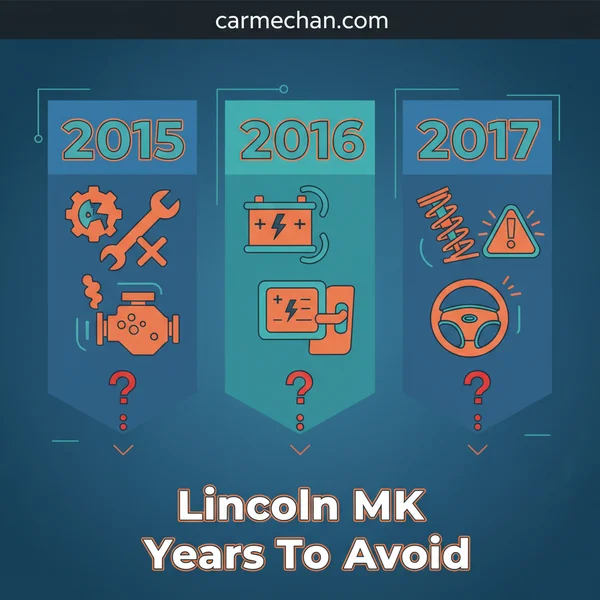
This information is crucial for any potential buyer looking to make an informed decision. By pinpointing the exact problems associated with these earlier years, you can either avoid them altogether or approach a purchase with your eyes wide open, knowing precisely what to inspect and potentially budget for. Don’t let a sleek design mask hidden reliability risks.
The Lincoln MKC Years to Approach with Caution (2015-2017)
The initial production years of the Lincoln MKC, specifically 2015, 2016, and 2017, frequently appear in owner complaints and reliability studies for several critical issues. These early models, sharing platforms and components with the Ford Escape, inherited some significant drawbacks that impact their long-term dependability and your wallet.
Critical Engine and Transmission Woes
- 2.0L EcoBoost Engine Problems: This engine, common in early MKCs, is notoriously prone to coolant intrusion into the cylinders. Symptoms include white smoke from the exhaust, misfires, engine overheating, and a noticeable loss of coolant without an external leak. This issue can lead to catastrophic engine failure if left unaddressed, with repair costs often exceeding $5,000, sometimes necessitating a full engine replacement costing upwards of $7,000-$10,000. NHTSA complaints consistently highlight this problem, particularly for the 2015-2017 models, pointing to a widespread design flaw.
- 6F35 Automatic Transmission Failures: Owners of 2015-2017 MKCs frequently report rough shifting, hesitation, slipping gears, and even complete transmission failure. These issues often manifest as delayed engagement, shuddering during acceleration, or the transmission getting stuck in gear. Repairing these problems typically involves significant labor and parts, ranging from $3,000 for a major overhaul to over $5,000 for a full replacement. J.D. Power data for these years often shows below-average scores for powertrain reliability, underscoring the prevalence of these costly failures.
Electrical System Headaches
Beyond the major powertrain components, the early MKC models also suffered from a range of persistent electrical gremlins that, while not always as catastrophic, were certainly frustrating and often expensive to diagnose and fix.
- Infotainment and Connectivity Glitches: Owners reported frequent issues with the MyLincoln Touch and later SYNC 3 systems, including freezing screens, Bluetooth connectivity drops, navigation system malfunctions, and unresponsive touchscreens. While sometimes resolved with software updates, persistent hardware failures were not uncommon, leading to dealership visits and component replacements.
- Battery Drain and Sensor Failures: Premature battery drain, even after replacement, was a common complaint, often linked to parasitic draws from various modules. Additionally, numerous sensor failures (e.g., parking assist sensors, tire pressure monitoring sensors, climate control sensors) led to erroneous warnings and impaired functionality, contributing to a perception of poor overall build quality in these initial years. Diagnosing these intermittent electrical faults can be time-consuming and costly, with bills often ranging from a few hundred to over a thousand dollars per incident.
Common Reliability Concerns Across MKC Model Years
While the initial 2015-2017 MKCs bore the brunt of significant engine and transmission issues, other reliability concerns, though perhaps less catastrophic, have been noted across a broader range of MKC model years. These issues contribute to higher maintenance costs and impact the overall ownership experience, making them vital considerations for any used car buyer.
Power Transfer Unit (PTU) Vulnerabilities
For all-wheel-drive (AWD) Lincoln MKC models, a significant weak point is the Power Transfer Unit (PTU). This component, responsible for distributing power to the rear wheels, is known for premature failure due to inadequate lubrication. Over time, the PTU’s fluid breaks down and is not easily serviceable, leading to increased friction and eventual component failure.
- Symptoms: You might hear grinding, whining, or clunking noises originating from the front of the vehicle, particularly during acceleration or turns. In severe cases, it can lead to a complete loss of power to the rear wheels.
- Prevalence and Cost: This issue is frequently cited in owner forums and NHTSA complaints for various Ford/Lincoln models sharing this PTU design. Repairing or replacing a failed PTU is an expensive undertaking, typically costing between $1,500 and $3,000, depending on parts and labor. This problem tends to surface between 60,000 and 100,000 miles, adding a substantial potential expense to a used MKC purchase.
Brake and Suspension System Weaknesses
The MKC also shows a pattern of issues with its braking and suspension systems, suggesting components that may not be robust enough for long-term use, especially compared to some luxury rivals. These problems lead to recurring maintenance costs and can detract from the vehicle’s intended smooth and quiet ride.
- Premature Brake Wear: Many owners report unusually fast wear of brake pads and rotors, often requiring replacement much sooner than expected (sometimes as early as 20,000-30,000 miles). Symptoms include squealing, grinding, or pulsating when braking. While routine, the frequency increases maintenance costs, with each axle’s brake job running $300-$600.
- Suspension Component Deterioration: Issues like worn control arm bushings, strut failures, and noisy sway bar links are common. These problems manifest as clunking or knocking sounds over bumps, a less stable ride, or premature tire wear. Addressing these can involve replacing individual bushings or entire strut assemblies, costing anywhere from $400 to over $1,000 per axle. These issues often become noticeable after 50,000 miles and contribute to a less comfortable and confident driving experience.
Understanding the Impact: Repair Costs and Owner Experiences
Delving into specific reliability issues is one thing, but understanding the financial and emotional toll they take on owners provides crucial context. Many MKC owners, particularly of the earlier model years, have shared stories of significant expenses and ongoing frustration.

📤 Share
💾 Download
Common Repair Costs for MKC Issues
When the known issues manifest, they often come with hefty repair bills. Here’s a glimpse into what owners might face:
- Transmission Problems: Repairs for a faulty 6F35 transmission can range from $1,500 to $4,000+, depending on whether it requires a rebuild or a full replacement. Early signs often include rough shifts or hesitation, which, if ignored, can lead to complete failure.
- Engine Coolant Intrusion: This severe engine issue, prevalent in some 2.0L EcoBoost engines, can necessitate a full engine replacement. Costs for this can skyrocket to $5,000 to $8,000+, often making owners question if the repair is even worth the vehicle’s value.
- PTU (Power Transfer Unit) Failure: A leaking or failing PTU, especially common in AWD models, can set you back anywhere from $1,000 to $2,500 for parts and labor. This component is critical for all-wheel-drive functionality and can lead to costly differential damage if neglected.
These figures are estimates and can vary based on location, mechanic, and the extent of the damage. The cumulative effect of multiple issues can quickly turn an attractive luxury crossover into a financial burden.
Real-World Owner Experiences and Frustrations


Online forums and owner reviews paint a vivid picture of the challenges faced by many MKC owners. Common sentiments include:
- “My 2016 MKC was in the shop more than it was in my driveway for the first three years.”
- “I loved the look and feel, but the transmission constantly slipped, and the dealership couldn’t fix it permanently.”
- “After spending over $6,000 on an engine replacement for my 2017, I just sold it. Not worth the constant worry.”
- “The luxury experience was overshadowed by unexpected breakdowns and expensive service visits.”
These experiences highlight not just the financial strain but also the loss of trust and the inconvenience of repeatedly dealing with major mechanical problems, often shortly after the warranty expires.
Buying a Used MKC: What to Look For and Safer Alternatives
If you’re still considering a used Lincoln MKC, especially one from the potentially problematic years, due diligence is absolutely paramount. Knowing what to inspect can help mitigate some risks, but it’s equally wise to consider other options if reliability is your top priority.
Key Inspection Points Before Buying
Before committing to an MKC, a thorough pre-purchase inspection (PPI) by an independent mechanic is non-negotiable. Additionally, here are specific areas to scrutinize:
- Transmission Performance: During a test drive, pay close attention to shifts. Are they smooth? Does the car hesitate when accelerating? Listen for any clunking or grinding noises. Test both low-speed city driving and highway speeds.
- Engine Health: Check for any smoke from the exhaust (especially blue or white), unusual engine noises (knocking, ticking), or warning lights on the dashboard. Look for signs of coolant leaks around the engine block or low coolant levels in the reservoir. A “sweet” smell inside the cabin could indicate coolant intrusion.
- PTU Leaks (AWD Models): Get under the car (or have your mechanic do it) and inspect the Power Transfer Unit for any signs of fluid leaks. The PTU is typically located on the passenger side, connecting the transmission to the driveshaft.
- Service History: Request detailed service records. Look for evidence of regular maintenance, and more importantly, any recurring issues or major repairs already performed on the transmission, engine, or PTU.
- Recall Compliance: Verify that all applicable recalls for the specific model year have been addressed.
Remember, a clean CARFAX report is a good start, but it doesn’t always reveal every mechanical nuance or owner complaint. A hands-on inspection is crucial.
Consider These Safer Crossover Alternatives
If the potential reliability concerns of early MKC models give you pause, several other luxury compact SUVs offer a more consistent track record for dependability:
- Lexus NX: Known for its exceptional reliability, strong resale value, and comfortable ride. It might not have the same initial styling flair as the MKC for some, but its long-term peace of mind is unmatched.
- Acura RDX: Offers a sporty driving experience, spacious interior, and Honda’s reputation for engineering. It’s a strong contender for those seeking a blend of performance and reliability.
- Mazda CX-5 (Premium Trims): While not a traditional luxury brand, higher trims of the CX-5 offer near-luxury interiors, engaging driving dynamics, and excellent reliability ratings at a potentially lower price point.
- Audi Q3 (2019+): Newer generations of the Q3 have shown improved reliability and offer a sophisticated, tech-rich cabin experience, though older models might also have their own quirks.
These alternatives generally come with fewer reported major mechanical failures, potentially saving you significant headaches and repair costs down the line.
Conclusion
While the Lincoln MKC undeniably offers attractive styling and a comfortable interior, prospective buyers of used models, particularly those from the 2015, 2016, and 2017 model years, should proceed with caution. The potential for costly transmission, engine coolant intrusion, and PTU failures has been a significant source of frustration for many owners.
Thorough research and a detailed pre-purchase inspection are your best defenses against unexpected issues. If reliability is a top priority, carefully consider the suggested alternatives known for their robust dependability. Ultimately, choosing a used vehicle requires balancing desire with due diligence. Investigate wisely, and you’ll find a luxury crossover that brings joy, not just repair bills.
❓ Frequently Asked Questions
Which specific Lincoln MKC model years are widely recommended to avoid due to reliability?
The 2015, 2016, and 2017 model years of the Lincoln MKC are most frequently cited for reliability issues. These early production years saw more widespread complaints concerning transmission problems, engine coolant leaks, and various electrical system malfunctions that can lead to costly repairs.
What are the most common mechanical failures associated with the problematic MKC years?


Owners of 2015-2017 MKCs often report issues such as premature transmission failure, specifically with the 6F35 automatic transmission, which can manifest as shuddering, rough shifts, or complete failure. Additionally, coolant intrusion into the engine or cooling system leaks, and numerous electrical glitches affecting infotainment or sensors, are prevalent.
How significant are the repair costs for these known MKC problems?
The repair costs for common MKC problems can be substantial, with transmission replacements potentially costing several thousands of dollars, often exceeding the vehicle’s depreciated value for older models. Engine-related coolant issues can also lead to expensive diagnostics and repairs, sometimes necessitating engine replacement if not addressed promptly.
Did Lincoln issue any recalls or service bulletins for these reliability concerns?
Yes, there have been recalls and numerous technical service bulletins (TSBs) issued for the Lincoln MKC, addressing issues like transmission concerns, engine coolant leaks, and various sensor-related problems. Prospective buyers should check the NHTSA website for any open recalls on specific VINs.
What MKC model years are generally considered more reliable and safer to purchase?
The 2018 and newer Lincoln MKC models generally demonstrate improved reliability compared to their predecessors. Later years often benefited from design revisions and updated components, leading to fewer reported major mechanical issues and a more dependable ownership experience.
What essential checks should I perform if I’m considering buying an MKC from a potentially problematic year?
If you’re considering a 2015-2017 MKC, an absolute must is a pre-purchase inspection by an independent mechanic specializing in Ford/Lincoln vehicles, specifically checking the transmission’s health, engine for any signs of coolant leaks, and verifying all electrical systems function correctly. Reviewing service records for routine maintenance and prior major repairs is also critical.