2010 Hyundai Elantra TPMS Reset Button Location & Guide
Last Updated on September 1, 2026 by Ryan
📋 Table of Contents
- 🎯 Key Takeaways
- Understanding the 2010 Hyundai Elantra TPMS Logic
- 2010 Hyundai Elantra TPMS Made Easy: Your Essential Action Plan
- Hardware Factors and Sensor Battery Longevity
- Diagnostic Tools vs. Automatic Relearn Methods
- External Influences on Tire Pressure Monitoring Accuracy
- Conclusion: Mastering Your Elantra’s TPMS
- 💬 Quick Questions & Answers
- ❓ Frequently Asked Questions
The 2010 Hyundai Elantra does not have a physical TPMS reset button because it utilizes an automatic relearn system. To clear the warning light, you must inflate all tires to the correct PSI and drive the vehicle for several minutes.

Audible — Listen Free for 30 Days
One free credit a month and thousands of titles included.
Listen Free for 30 Days🎯 Key Takeaways
Recommended Best Deal Products


- Takeaway 1:No physical reset button exists on the 2010 Elantra dashboard.
- Takeaway 2:The system resets automatically after reaching 15-20 mph.
- Takeaway 3:Recommended tire pressure is typically 32 PSI for all tires.
- Takeaway 4:A flashing light indicates a sensor malfunction or dead battery.
- Takeaway 5:Cold weather frequently causes false low-pressure TPMS triggers.
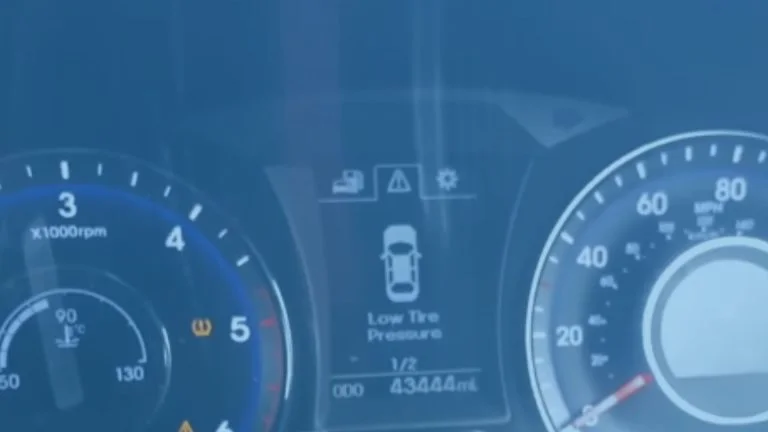
Have you ever started your morning, turned your key, and spotted that glowing yellow symbol on your dash? If you drive a 2010 Hyundai Elantra, seeing that horseshoe-shaped light can be quite annoying. It often pops up at the worst times, like when you are running late for work or during a cold snap. This light is part of your Tire Pressure Monitoring System, or TPMS. It is a vital safety feature designed to keep you safe and your fuel economy high.
Understanding why this light appears is the first step to clearing it. Many owners assume there is a simple button to press to make the warning go away. However, the 2010 Elantra uses a specific logic that differs from many newer or older models. Learning how your car monitors your tires will save you time and money at the mechanic. This guide will explain the technology behind your dashboard and what factors keep those sensors working properly.
Understanding the 2010 Hyundai Elantra TPMS Logic
The 2010 Hyundai Elantra uses a direct TPMS. This means your car has physical sensors located inside each wheel. These sensors are attached to the valve stems. They measure the actual air pressure inside the tire in real-time. When the pressure drops below a certain level, the sensor sends a radio signal to your car’s computer. This triggers the warning light you see on your instrument cluster.

The Mystery of the Missing Reset Button
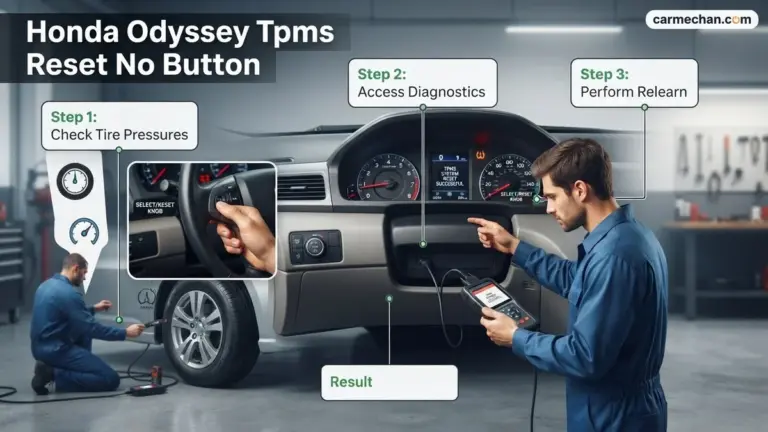
If you are searching your cabin for a physical “Set” or “Reset” button, you can stop looking now. Unlike some Toyota or Honda models of the same era, the 2010 Elantra does not have a dedicated button. You won’t find one under the steering wheel or inside the glovebox. The system is designed to be automatic. It relies on the computer to recognize when the pressure has returned to the correct levels. This “logic-based” system means the car is always listening for the right signal from the wheels.
Why Your Car Logic Might Be Triggered
The system is programmed with a specific threshold. Usually, the light turns on if the pressure drops 25% below the recommended PSI. For your Elantra, the target is typically 32 PSI. If a tire hits 24 PSI, the light stays on. Here are a few things your car’s logic is looking for:
- Consistent PSI: All four tires should be close to the same pressure.
- Signal Strength: The computer needs a clear radio signal from the wheel.
- Motion: Some sensors only “wake up” when the wheels are spinning.
- Temperature: Rapid changes in air temperature affect the internal pressure.
2010 Hyundai Elantra TPMS Made Easy: Your Essential Action Plan
Recommended Best Deal Products


The Tire Pressure Monitoring System (TPMS) in your 2010 Hyundai Elantra is a vital safety feature designed to alert you when your tire pressure drops to dangerous levels. However, many owners find themselves frustrated when the warning light remains illuminated even after they have added air. Unlike some vehicles that feature a physical “Reset” button tucked under the dashboard or inside the glove box, the 2010 Elantra utilizes an automatic relearn system. This guide will walk you through the precise steps required to calibrate your sensors, locate the necessary specifications, and successfully clear that stubborn dashboard light using the vehicle’s internal logic and driving cycles.
Step 1: Locate the Tire and Loading Information Placard
What you need: Access to the driver’s side door frame and a clear line of sight.
Instructions: Before you attempt to “reset” the system, you must know the exact pressure requirements for your specific trim level of the 2010 Hyundai Elantra. Open the driver’s side door and look at the “B-pillar” (the frame where the door latches). You will find a white and red/yellow sticker labeled “Tire and Loading Information.” This placard lists the Manufacturer’s Recommended Cold Tire Inflation Pressure. For most 2010 Elantra models, this is typically 32 PSI (pounds per square inch) for both front and rear tires, but it is critical to verify this on your specific sticker rather than relying on the “Max Pressure” listed on the tire sidewall itself, which is a common mistake that leads to system errors.

Prime for Young Adults — 6 Months Free
Students and 18–24s get six months of Prime free, then half price.
Start 6 Months FreePro Tip: Never use the pressure number molded into the side of the tire rubber. That number represents the maximum pressure the tire can hold at maximum load, not the optimal pressure for your Elantra’s suspension and TPMS calibration.
Step 2: Ensure Tires are “Cold” for Accurate Measurement
What you need: A reliable tire pressure gauge (digital is preferred for accuracy) and a time window of at least three hours of vehicle inactivity.
Instructions: TPMS sensors are highly sensitive to temperature fluctuations. As you drive, friction against the road heats the air inside your tires, causing the pressure to rise by several PSI. If you adjust your tire pressure immediately after a long highway drive, the reading will be “false high.” To properly reset the 2010 Elantra system, you should check and fill the tires when they are “cold,” meaning the car has been parked for at least three hours or has been driven less than one mile. If you must drive to a gas station to fill your tires, do so slowly and perform the adjustment as quickly as possible to minimize heat buildup.
Pro Tip: If you are filling tires in the winter, remember that for every 10-degree drop in ambient temperature, your tires will lose approximately 1 PSI, often triggering the light on the first cold morning of the year.
Step 3: Inflate and Equalize All Four Tires
What you need: An air compressor or gas station air pump and a tire pressure gauge.
Instructions: Remove the valve stem caps from all four tires. Using your gauge, check the current pressure. Even if the TPMS light is on, one tire might be the culprit while others are borderline low. Inflate each tire to the exact PSI specified on your door placard (usually 32 PSI). It is vital to be precise; the 2010 Elantra TPMS monitors the relationship between the sensors. If one tire is at 32 PSI and another is at 35 PSI, the variance might prevent the light from clearing quickly. Ensure all four tires are matched perfectly. Once finished, replace the valve caps tightly to prevent moisture and dirt from entering the sensor mechanism, which can cause corrosion and premature sensor failure.
Pro Tip: Don’t forget to check your spare tire if your Elantra is equipped with a full-size spare. While the 2010 Elantra compact “donut” spare usually doesn’t have a sensor, some regional models or aftermarket upgrades might include one that can trigger the dash light.
Step 4: Initiate the “Drive to Reset” Sequence
What you need: A clear stretch of road and approximately 15 to 20 minutes of driving time.
Instructions: Since the 2010 Hyundai Elantra does not have a physical reset button, the system “resets” by detecting consistent, correct pressure while the wheels are in motion. After inflating your tires to the correct specs, start the engine. The TPMS light may still be on. Drive the vehicle at a steady speed of at least 15–20 mph (24–32 km/h). The sensors inside the wheels are centrifugal; they “wake up” and begin transmitting data to the car’s ECU once they reach a certain rotational speed. Continue driving for roughly 15 to 20 minutes. During this time, the ECU gathers data from all four sensors, confirms the pressures are stable and within the recommended range, and then commands the dashboard light to extinguish.

Prime Gaming — Free In-Game Loot
Free monthly games, in-game content and a Twitch channel sub.
Claim Free LootPro Tip: Avoid stop-and-go traffic during this reset drive. A steady cruise on a suburban road or highway is much more effective at allowing the sensors to sync with the receiver.
Step 5: Distinguish Between “Low Pressure” and “System Malfunction”
What you need: Observation of the dashboard instrument cluster during vehicle startup.
Instructions: If your light refuses to go off after the drive, look closely at how the light behaves when you first turn the key to the “ON” position. If the TPMS light glows solid and stays solid, it indicates a low-pressure condition in one or more tires. However, if the TPMS light flashes for approximately one minute and then remains illuminated, this indicates a “System Malfunction.” In a 2010 model, this is very common because the internal batteries of the TPMS sensors have a lifespan of about 5–10 years. Since the vehicle is now well over a decade old, a flashing light almost certainly means one or more sensor batteries have died, and the sensor must be physically replaced.
Pro Tip: If you see the flashing light, no amount of air or driving will reset the system. You will need a TPMS scan tool to identify which specific sensor has failed.
Step 6: Perform a Hard System Reboot (Optional)
What you need: A 10mm wrench or socket set.
Instructions: In rare cases, the Elantra’s computer may “hang” or retain the error code even after pressures are corrected. If the light remains on after Step 4, you can attempt a hard reset of the vehicle’s electrical system. Turn off the engine and open the hood. Locate the battery and use your 10mm wrench to disconnect the negative (black) battery terminal. Leave it disconnected for about 15 minutes. This allows the capacitors in the ECU to drain. Reconnect the terminal and tighten it securely. Note that this will reset your radio clock and potentially your fuel economy trip data. After reconnecting, repeat the driving sequence in Step 4. This often “forces” the computer to re-scan all hardware inputs, including the TPMS receiver.
Pro Tip: Only attempt this if you are comfortable working with basic hand tools. Ensure the ignition is completely off and the key is out of the cylinder before touching the battery terminals.
✅ Final Checklist
- All four tires have been measured “cold” and inflated to the PSI listed on the driver-side door jamb (usually 32 PSI).
- The vehicle has been driven at a sustained speed of over 20 mph for a minimum of 15 continuous minutes.
- The TPMS light behavior has been verified (solid light = low air; flashing light = sensor failure).
- Valve caps are securely reinstalled to protect the delicate internal sensor pins.
- If the light remains on, a professional scan tool has been used to check for sensor battery life or signal interference.
Important Notes:
- Safety First: Never ignore a TPMS light. Low tire pressure can lead to tire overheating, poor fuel economy, and catastrophic tire failure (blowouts).
- When to seek professional help: If the TPMS light flashes upon startup, you likely have a dead sensor battery. These sensors are integrated into the valve stem inside the tire and require a professional tire shop to unmount the tire for replacement.
- Estimated Time: 30 minutes (10 mins for inflation, 20 mins for driving).
- Estimated Cost: $0 for a manual reset; $50–$150 if a sensor needs replacement at a service center.
Hardware Factors and Sensor Battery Longevity
Since your 2010 Hyundai Elantra is now well over a decade old, hardware issues are common. The TPMS sensors are not just plastic sticks; they are complex electronic devices. They live in a very harsh environment. They deal with heat, centrifugal force, and constant vibration. Understanding the physical limits of this hardware can help you diagnose why your light won’t stay off.
The Reality of Sensor Battery Life
Every sensor in your wheel has a small lithium-ion battery. These batteries are sealed inside the sensor housing with a hard epoxy. This means you cannot simply “replace the battery” when it dies. You have to replace the entire sensor unit. On average, these batteries last five to ten years. If you are still driving on the original sensors that came with your 2010 Elantra, they are likely at the end of their life cycle. When the battery gets weak, the signal becomes intermittent, causing the light to blink or stay on even if your air pressure is perfect.
Environmental Impacts on Hardware
Your sensors are exposed to the elements every day. External factors play a huge role in how well the system performs. If you live in a coastal area or a place where roads are salted in winter, your valve stems might suffer. Here are the main physical factors that affect your hardware:
- Galvanic Corrosion: Metal valve caps can fuse to the stem, making it impossible to add air.
- Extreme Cold: Batteries lose power faster in freezing temperatures.
- Road Debris: Potholes can physically jar or damage the sensor mounted inside the rim.
- Seal Failure: The rubber grommet at the base of the sensor can dry out and leak air.
Keeping your sensors clean and using plastic valve caps can help extend the life of the hardware. If you suspect a sensor has failed, a tire shop can use a handheld tool to check the battery status of each wheel without taking the tire off.
Diagnostic Tools vs. Automatic Relearn Methods
Recommended Best Deal Products


The 2010 Hyundai Elantra represents a specific era of automotive technology where systems were beginning to transition from manual resets to automated logic. Because there is no physical button to press, the vehicle relies on specific conditions to refresh its sensor data. Understanding the difference between a natural “relearn” and a forced diagnostic reset is crucial for any owner tired of seeing that orange horseshoe icon.
The “Drive to Reset” Logic
In most scenarios, the Elantra utilizes an automatic relearn process. Once the tires are inflated to the exact specifications listed on your driver-side door jamb (usually around 32-33 PSI), the system simply needs time to “see” the new data. This isn’t instantaneous; the car requires a consistent signal from the rolling sensors to confirm the pressure has stabilized. If you are only driving short distances at low speeds, the light may persist even if your tires are perfectly filled.
When a Diagnostic Tool Becomes Necessary
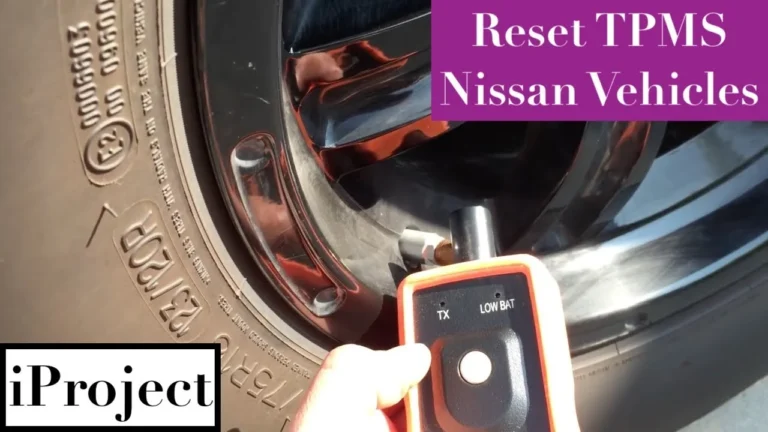
While the automatic method works for air pressure adjustments, it often fails when you introduce new hardware. If you have recently rotated your tires or replaced a faulty sensor, the car’s Engine Control Unit (ECU) may still be looking for the old sensor IDs in their original positions. This is where an OBD-II diagnostic tool or a dedicated TPMS activation tool is required. These devices “handshake” with the sensors and manually tell the car which ID is located at which corner of the vehicle.
- Automatic Relearn: Best for weekly air top-offs and temperature-related drops.
- OBD-II Scanning: Essential after sensor replacement or if the TPMS light is flashing rather than solid.
- Professional Tools: Most tire shops use handheld triggers to “wake up” sensors that have gone into sleep mode to save battery.
External Influences on Tire Pressure Monitoring Accuracy
It is frustrating when the TPMS light refuses to turn off despite your best efforts with an air compressor. Often, the culprit isn’t a lack of a reset button, but rather environmental factors that interfere with how the 2010 Elantra’s sensors communicate. The sensors are essentially small radio transmitters, and like any radio, their signal can be disrupted or misinterpreted.
The Impact of Seasonal Temperature Shifts
Physics plays a major role in your TPMS health. As the temperature drops, the air inside your tires becomes denser and takes up less volume, leading to a drop in PSI. For every 10-degree Fahrenheit drop in temperature, your tire pressure can decrease by about 1 PSI. In the transition from autumn to winter, many Elantra owners find their TPMS light triggered by this “cold air” phenomenon. The system is working correctly, but it highlights why checking your pressure in the morning—before the tires have warmed up from driving—is the most accurate way to ensure the light stays off.
Sensor Battery Life and Electronic Interference
By now, many 2010 Elantras are reaching an age where the original TPMS sensor batteries are failing. These internal batteries are designed to last roughly 5 to 10 years. If your light is flashing for 60 seconds before staying solid, it is likely a hardware failure rather than a pressure issue. Additionally, aftermarket electronics like certain dash cams or poorly shielded phone chargers can occasionally create electromagnetic interference, blocking the sensor’s signal from reaching the receiver.
- Altitude Changes: Driving from sea level to high-altitude mountain passes can trigger sensitivity alerts.
- Sensor Age: If your Elantra is still on its original 2010 sensors, the batteries are likely near the end of their life cycle.
- Corrosion: Road salt can corrode the aluminum valve stems on older sensors, leading to slow leaks that seem like “ghost” TPMS triggers.
Conclusion: Mastering Your Elantra’s TPMS
While hunting for a 2010 Hyundai Elantra TPMS reset button might lead to a dead end, understanding the system’s automated nature is much more valuable. Your car is designed to be smart enough to reset itself through consistent driving and proper inflation. The absence of a button isn’t a flaw; it’s a sign that the vehicle expects the hardware to do the talking. By accounting for temperature swings and the age of your sensors, you can keep your dashboard clear and your tires safe.
Your next steps should be to verify your tire pressure with a high-quality digital gauge and ensure your sensors are still within their functional lifespan. If the light persists after a long drive, it may be time to visit a technician to check for a dying sensor battery. Don’t let a small light ruin your drive—stay proactive with your tire maintenance today!
💬 Quick Questions & Answers
Where is the TPMS reset button on a 2010 Hyundai Elantra?
There is no physical reset button; the system updates automatically through driving.
What is the correct tire pressure for this model?
The standard pressure is 32 PSI, as listed on the driver-side door jamb placard.
Why is my TPMS light still on after filling the tires?
The vehicle usually needs to be driven for 10-20 minutes to register new data.
Does the 2010 Elantra spare tire have a sensor?
No, the spare tire is not equipped with a TPMS sensor on this model.
Can I reset the TPMS light using an OBDII scanner?
Yes, a specialized TPMS scan tool can clear codes or register new sensor IDs.
❓ Frequently Asked Questions
Why can’t I find a manual TPMS reset button in my car?
Hyundai designed the 2010 Elantra with an ‘auto-learn’ TPMS module. This eliminates the need for a button, as the computer is programmed to detect pressure changes in real-time once the wheels are in motion.
What does it mean if the TPMS light flashes for one minute then stays on?
This sequence indicates a system malfunction rather than low pressure. It often signifies that one or more TPMS sensors have a dead battery or are no longer communicating with the vehicle’s computer.
How long do the original TPMS sensors usually last?
Most TPMS sensors have a battery life of 5 to 10 years. Given the age of the 2010 Elantra, many original sensors are now reaching the end of their functional lifespan and may require replacement.
Will the TPMS light reset itself immediately after adding air?
No, the sensors are motion-activated to conserve battery power. You must drive the car at speeds above 15 mph for a few miles before the light will extinguish.
Can cold weather trigger the TPMS light in the Elantra?
Yes, air contracts in cold temperatures, which can cause a significant drop in tire pressure. If your light turns on during a cold morning, check the PSI and adjust it to the door placard specifications.
Do I need to visit a dealer to reset the light after a tire rotation?
No, the 2010 Elantra system is capable of identifying the new positions of the sensors automatically. Simply ensuring the pressure is correct and driving the car is sufficient for a reset.