2010 Honda Accord TPMS Reset Button Location & Facts
Last Updated on September 1, 2026 by Ryan
📋 Table of Contents
- 🎯 Key Takeaways
- Understanding the 2010 Honda Accord TPMS Architecture
- 2010 Honda Accord TPMS Made Easy: Your Essential Action Plan
- Common Factors That Trigger TPMS Warning Lights
- Automatic vs. Manual TPMS Calibration Comparison
- Maintenance Considerations for Aging TPMS Sensors
- Conclusion
- 💬 Quick Questions & Answers
- ❓ Frequently Asked Questions
The 2010 Honda Accord does not have a physical TPMS reset button as the system is designed to recalibrate automatically. Once tires are inflated to the correct PSI listed on the door jamb, the sensors typically reset after driving at steady speeds.

Prime for Young Adults — 6 Months Free
Students and 18–24s get six months of Prime free, then half price.
Start 6 Months Free🎯 Key Takeaways
Recommended Best Deal Products


- No physical TPMS reset button exists on the 2010 Accord dashboard.
- System calibration occurs automatically after driving above 28 mph.
- A flashing light usually indicates a sensor battery failure or malfunction.
- Always use a manual gauge to verify pressures before troubleshooting.
- Cold weather frequently triggers false TPMS alerts due to air contraction.
Have you ever started your morning commute only to be greeted by a bright orange horseshoe on your dash? If you drive a 2010 Honda Accord, you have likely seen the TPMS warning light at least once. It can be a source of major frustration, especially when your tires look perfectly fine to the naked eye. This system is not just there to annoy you, though. It is a sophisticated safety net designed to keep you and your passengers safe on the road.
Understanding where to find the 2010 Honda Accord TPMS reset button location is a top priority for many owners. However, there is a bit of a mystery surrounding this specific model year that often leads to confusion at the gas station. In this guide, we will dive into the mechanics of your car’s monitoring system. We will explore why the light stays on and what your car is actually trying to tell you about its health. Let’s clear up the confusion and get you back to driving with confidence.
Understanding the 2010 Honda Accord TPMS Architecture
Your 2010 Honda Accord uses a specific type of technology known as a Direct TPMS system. This is an important distinction because it dictates how the car communicates with you. Unlike “indirect” systems that use wheel speed sensors to guess tire pressure, your car has actual hardware inside the wheels. These sensors are attached to the valve stems and live inside the tire cavity. They are constantly measuring the air pressure and temperature to ensure everything is within a safe range.

The Hardware and the “Missing” Button
The biggest surprise for many 2010 Honda Accord owners is that there is no physical “Reset” button on the dashboard or under the steering wheel. Honda designed this specific generation to be self-managing. In newer models, you might find a button to calibrate the system, but the 2010 model relies on a computer-driven logic. It expects the sensors to send a specific signal once the pressure is corrected. This makes the architecture very precise, but it also means you cannot simply “force” the light off with a click of a button if there is an underlying issue.
- Internal Sensors: Each of your four main wheels contains a sensor powered by a small lithium battery.
- Signal Transmission: These sensors transmit data via radio frequencies to the car’s Engine Control Unit (ECU).
- Battery Longevity: Since the 2010 Accord is an older model, these sensor batteries are often reaching the end of their life cycle.
- The Spare Tire: Generally, the compact spare tire in your trunk does not have a sensor and will not affect the light.
How the System Processes Data
The “brain” of your Accord’s TPMS is constantly looking for a 25% drop in pressure. If your tires should be at 32 PSI, the light will usually trigger once a tire hits about 24 PSI. Because the system is direct, it knows exactly which tire is low, even if the dashboard light doesn’t specify the location. This architecture is designed to be “set and forget.” It is a silent partner that only speaks up when the math doesn’t add up, ensuring you never drive on a dangerously soft tire.
2010 Honda Accord TPMS Made Easy: Your Essential Action Plan
Recommended Best Deal Products


Driving a 2010 Honda Accord means you are behind the wheel of one of the most reliable sedans ever built, but even the best cars have quirks. If you are staring at a glowing horseshoe-shaped light on your dashboard, you are likely searching for the 2010 Honda Accord TPMS reset button location. Unlike newer Honda models, the 2010 version utilizes a different logic for its Tire Pressure Monitoring System. This guide will walk you through the reality of the 2010 system, how to clear that annoying light, and what to do if the “TPMS” text light stays on, ensuring your tires are safe and your dashboard is clear.
Step 1: Understand the Absence of a Physical Reset Button
What you need: Your vehicle’s owner manual (optional) and a clear view of your dashboard.
Instructions: The most important piece of information for a 2010 Honda Accord owner is that there is no physical TPMS reset button. Many drivers spend hours searching under the steering column or inside the glove box because later Honda models (2013 and up) introduced a calibration button. In the 2010 model, the system is designed to be “self-healing.” This means the vehicle’s computer automatically monitors the sensors inside each wheel. Once the sensors detect the correct atmospheric pressure and the car reaches a specific speed, the system resets itself without user intervention. Knowing this prevents you from dismantling your dashboard in search of a button that does not exist.

Audible — Listen Free for 30 Days
One free credit a month and thousands of titles included.
Listen Free for 30 DaysPro Tip: Do not confuse the VSA (Vehicle Stability Assist) button near your left knee with a TPMS button; pressing this will disable your traction control rather than fixing your tire light.
Step 2: Locate the Tire Pressure Specification Placard
What you need: Access to the driver’s side door jamb.
Instructions: Before you can reset the system, you must know the exact pressure the car’s computer is looking for. Open your driver’s door and look at the “B-pillar” (the frame of the car that the door latches onto). You will see a white and red sticker known as the Tire and Loading Information placard. For a 2010 Honda Accord, the recommended cold tire pressure is typically 32 PSI (pounds per square inch) for all four tires, though this can vary slightly depending on whether you have the LX, EX, or V6 trim. Use these numbers exclusively; do not use the “Max Pressure” number printed on the sidewall of the tire itself, as that is the burst limit, not the operational recommendation.
Pro Tip: Always check the placard specifically for your vehicle, as modified tire sizes or different trims can require specific adjustments for optimal handling.
Step 3: Measure and Adjust Cold Tire Pressure
What you need: A high-quality digital or analog tire pressure gauge and an air compressor.
Instructions: “Cold” tire pressure means the car has been sitting for at least three hours or has been driven less than a mile. Driving heats up the air inside the tires, causing it to expand and give a false high reading. Remove the valve stem caps from all four tires and press your gauge firmly onto the stem. If the reading is below 32 PSI, add air in short bursts. If you overfill, use the small nipple on the back of your gauge to release air until you hit the exact number. Consistency is key for the 2010 Accord’s sensors; ensure all four tires are matched within 0.5 PSI of each other to satisfy the computer’s monitoring logic.
Pro Tip: If you are filling your tires at a gas station after a long drive, add 3 PSI to the placard recommendation to compensate for the heat expansion, then re-check them the next morning when cold.
Step 4: Inspect the Spare Tire (The Hidden Culprit)
What you need: A trunk key or remote and a tire gauge.
Instructions: One of the most common reasons a TPMS light remains on after you have filled your four main tires is the spare tire. While many vehicles have “passive” spares, some 2010 Accord configurations or aftermarket additions might include a sensor in the trunk. Even if yours doesn’t have a sensor, a flat spare is a safety hazard. Open the trunk, lift the carpeted floor panel, and locate the “donut” or full-size spare. Check its pressure; most compact spares require a much higher pressure, often 60 PSI. Ensuring the spare is properly inflated can sometimes resolve ghost signals in the system and ensures you aren’t stranded if a primary tire fails.
Audible Premium Plus — Annual Membership
12 audiobook credits up front, plus the full Audible catalogue.
See Annual PlansPro Tip: While you have the trunk open, check for any heavy cargo. Extreme weight imbalances can occasionally trick the system into thinking a tire is rotating at an odd speed.
Step 5: Perform the Driving Reset Sequence
What you need: A clear stretch of road where you can maintain steady speeds.
Instructions: Since there is no button, you must “teach” the car that the pressure is now correct. Start the engine and begin driving. The 2010 Honda Accord TPMS requires the vehicle to be driven at speeds above 28 mph (45 km/h) for a continuous period. Usually, the light will turn off after about 10 to 20 minutes of steady driving. Avoid stop-and-go traffic if possible during this phase, as the sensors need consistent centrifugal force to transmit their data packets to the ECU (Electronic Control Unit). If the light stays on after 20 minutes of highway driving, it indicates the system is still detecting a discrepancy or a faulty sensor.
Pro Tip: If the light flashes for 60 to 90 seconds before staying solid, this indicates a system malfunction rather than just low pressure.
Step 6: Distinguish Between “Low Pressure” and “TPMS” Lights
What you need: Observation of the dashboard icons.
Instructions: It is vital to look closely at which light is illuminated. If you see a horseshoe symbol with an exclamation point (!), that is the Low Tire Pressure indicator. This means one or more tires are below the threshold. However, if you see the literal letters “TPMS” illuminated, this is the System Failure indicator. In a 2010 vehicle, the batteries inside the wheel sensors have a lifespan of about 7 to 10 years. Because the 2010 Accord is now well past that age, the “TPMS” light often means the internal battery in one of your sensors has died. No amount of air or driving will reset the “TPMS” text light; you will need a diagnostic tool to identify which sensor has failed.
Pro Tip: If you are replacing one sensor due to a dead battery, consider replacing all four, as they were likely manufactured at the same time and the others will fail soon.
Step 7: Clear the ECU Memory (The “Hard” Reset)
What you need: A 10mm wrench and 15 minutes of time.
Instructions: If your pressures are perfect and you have driven the car but the light persists, you can attempt a hard reset of the vehicle’s electrical system. Open the hood and locate the battery. Using your 10mm wrench, loosen the nut on the negative (black) battery terminal and remove the cable. Let the car sit for about 15 minutes to allow the capacitors in the ECU to discharge completely. Reconnect the terminal and tighten it. Note that this will reset your clock and potentially your radio presets, but it forces the TPMS module to re-scan all sensor inputs upon startup. This is often the “secret” fix for a glitchy system that refuses to acknowledge corrected tire pressures.
Pro Tip: Ensure you have your radio anti-theft code handy before doing this, as some 2010 Accord models require a code to reactivate the head unit after power loss.
✅ Final Checklist
- Verified that all four tires are set to exactly 32 PSI (or placard spec) while cold.
- Confirmed that the “Low Pressure” (!) icon is the one being addressed, not the “TPMS” text light.
- Drove the vehicle at a steady speed above 28 mph for at least 20 minutes.
- Inspected the valve stems for any audible leaks or corrosion that might cause rapid pressure loss.
- Ensured the spare tire is inflated to the pressure indicated on its own sidewall.
Important Notes:
- Safety Warning: Never ignore a TPMS light. If it comes on while driving, pull over safely to check for punctures, as a blowout at high speeds can be fatal.
- When to Seek Help: If the “TPMS” letters are on, a tire shop will need to use an OBD-II scan tool to “relearn” new sensors to your car’s computer.
- Estimated Time: 30 minutes for pressure checks and driving.
- Estimated Cost: $0 for a manual reset; $50–$100 per sensor if the internal batteries have died.
Common Factors That Trigger TPMS Warning Lights
It is rarely a coincidence when your dashboard starts glowing. Your Honda is designed to be proactive about your safety, but several environmental and mechanical factors can trip the alarm. Knowing what causes the trigger can help you stay calm and avoid unnecessary trips to the mechanic. Sometimes, the light is a genuine emergency, but often, it is just simple physics at work in your driveway.
Weather and Seasonal Temperature Shifts
The most common reason for a TPMS light is air contraction due to cold weather. When the temperature drops, the air molecules inside your tires move slower and take up less space. This causes the internal pressure to drop. You might notice the light turns on during the first cold morning of autumn. Usually, as you drive and the tires heat up from friction, the pressure rises again. However, if the initial drop was significant enough, the system will keep the light on until you add more air to reach the recommended level.
Slow Leaks and External Damage
Physical damage is the most obvious culprit. Even a tiny finishing nail picked up at a construction site can cause a slow leak. These “slow breathers” might take a week to lose enough air to trigger the sensor. If you find yourself adding air every few days, you likely have a puncture. Additionally, the age of a 2010 vehicle means the rubber seals around the sensor itself can become brittle. This leads to air escaping right through the valve stem area, which is a common issue in older Accords.
- Road Debris: Screws, glass, and nails are the primary enemies of consistent tire pressure.
- Valve Stem Corrosion: In snowy climates, road salt can corrode the aluminum hex nut on the sensor, leading to leaks.
- Altitude Changes: Driving from sea level to high mountains can change the pressure differential and trigger an alert.
- Sensor Failure: If the “TPMS” text light stays on (rather than the horseshoe icon), it usually means a sensor has a dead battery or a broken internal circuit.
New Tires and Rotations
Whenever you get new tires or even a simple tire rotation, the system might feel a bit confused. While the 2010 Accord is good at recognizing its own sensors, the change in position or the jarring motion of a tire machine can sometimes cause a temporary fault. It is vital to ensure that your mechanic doesn’t damage the delicate sensors during a tire swap. If the light appears immediately after a service, it is a sign that the system needs a moment to re-sync with the new positions of the sensors.
Automatic vs. Manual TPMS Calibration Comparison
Recommended Best Deal Products

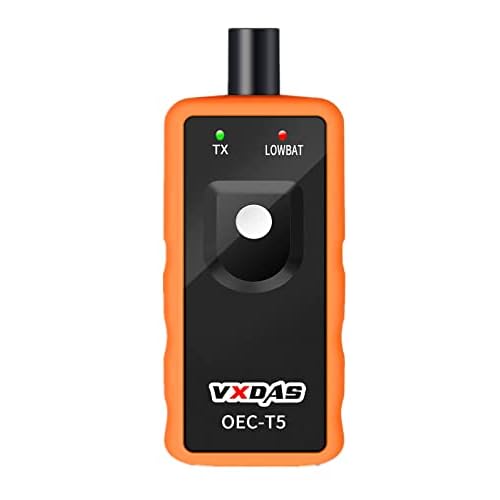
When searching for a 2010 Honda Accord TPMS reset button location, many drivers are surprised to find that the traditional “button” simply doesn’t exist on this specific model year. This is due to the fundamental difference between manual calibration systems and the automatic direct-monitoring system Honda utilized during this era. Understanding how these two systems differ is key to managing your dashboard alerts without frustration.
The “Set” Button vs. Sensor Communication
In newer Honda models, typically those from 2014 and later, you will find a physical button or a menu option for “TPMS Calibration.” These systems are “indirect,” meaning they use ABS wheel speed sensors to guess if a tire is low. However, your 2010 Accord uses a “direct” system. This means there are physical pressure sensors inside each wheel. These sensors communicate directly with the car’s computer via radio frequencies, updating the status automatically as you drive.
Why the 2010 Accord Relies on Driving
Since the 2010 Accord relies on active hardware rather than software estimations, the “reset” happens through movement. Instead of a manual override, the system is designed to recognize correct pressure levels once the vehicle maintains a steady speed for a certain duration. Here are a few reasons why this automatic approach is used:
- Real-Time Accuracy: Direct sensors measure the actual PSI inside the tire, providing more precise data than indirect systems.
- Reduced User Error: By removing the button, Honda ensured drivers couldn’t accidentally “calibrate” the system to a dangerously low pressure.
- Instant Recognition: Once the sensors detect the correct threshold (usually above 30-32 PSI), they transmit a “clear” signal to the ECU without human intervention.
Maintenance Considerations for Aging TPMS Sensors
If you own a 2010 Honda Accord today, your TPMS sensors are likely reaching the end of their functional lifespan. Most original equipment sensors were designed to last about 7 to 10 years. At this stage, the “TPMS” light on your dash might not be telling you that your air is low, but rather that the hardware itself is failing. Maintaining these aging components requires a different strategy than basic tire inflation.
The Reality of Internal Battery Life
Each TPMS sensor in your Accord’s wheels contains a small lithium-ion battery. These batteries are sealed inside the sensor and cannot be replaced individually. When the battery dies, the sensor stops transmitting, and your dashboard will light up with the “TPMS” icon (not the horseshoe-shaped low-pressure icon). If you are still running the original sensors from 2010, a failure is almost guaranteed in the near future.
Combating Corrosion and Physical Wear
Beyond battery life, the physical environment of a wheel is harsh. For 2010 Accord owners in “Salt Belt” states, the aluminum valve stems on older TPMS sensors are highly susceptible to galvanic corrosion. This can lead to the stem becoming brittle and snapping off during a routine pressure check.
- Proactive Replacement: If you are buying a new set of tires, it is the most cost-effective time to replace all four TPMS sensors, as the tires are already off the rims.
- Use Plastic Caps: Always use plastic valve caps rather than metal ones to prevent the cap from seizing to the stem due to corrosion.
- Professional Scanning: If your light stays on despite perfect tire pressure, have a shop use a TPMS scan tool to check the battery signal strength of each individual sensor.
Conclusion
Navigating the “missing” 2010 Honda Accord TPMS reset button can be confusing, but understanding that your car relies on direct sensor communication rather than a manual switch makes the process much clearer. Because this model year uses an automatic system, the best way to handle a stubborn light is through proper inflation and consistent driving. However, given the age of these vehicles, keep in mind that a persistent warning light is often a sign of a dying sensor battery rather than a simple air pressure issue.
Your next steps should be to check your tire pressure with a high-quality manual gauge and inspect your valve stems for any signs of cracking or corrosion. If the light remains after a 20-minute drive, it is time to visit a technician to scan your sensor health. Stay proactive with your tire maintenance, and enjoy the peace of mind that comes with a clear dashboard!
💬 Quick Questions & Answers
Where is the TPMS reset button located?
The 2010 Honda Accord is not equipped with a physical TPMS reset button.
How do I make the TPMS light go away?
Inflate all tires to the correct PSI and drive the car for several miles.
What if the TPMS light stays on after filling tires?
This may indicate a failed sensor battery or a puncture in one of the tires.
Does the 2010 Accord use direct or indirect TPMS?
It uses a direct TPMS system with sensors physically located inside each wheel.
Why is the ‘TPMS’ text light on instead of the icon?
The ‘TPMS’ text light indicates a system error rather than just low tire pressure.
❓ Frequently Asked Questions
Why did Honda omit a TPMS reset button on the 2010 model?
The 2010 Accord uses a direct monitoring system with internal wheel sensors designed to be self-correcting. Unlike indirect systems that require manual calibration to ‘learn’ tire diameter, this system reads actual pressure and updates the ECU automatically during motion.
How long does it take for the light to turn off after adding air?
Typically, you must drive the vehicle at speeds over 28 mph for approximately 10 to 20 minutes. The system requires a period of consistent data from the sensors to confirm that the pressure has stabilized before it clears the dashboard alert.
What does a flashing TPMS icon signify on this specific model?
If the tire pressure icon flashes for one minute and then stays illuminated, there is a malfunction in the system. This is most commonly caused by a dead battery in one of the wheel sensors or environmental interference with the sensor signal.
Can I reset the system using an OBD-II scan tool?
While a standard reset button doesn’t exist, a professional OBD-II tool can be used to ‘relearn’ sensor IDs. This is usually only necessary if you have replaced a sensor or swapped wheels entirely.
Will a tire rotation trigger the TPMS light?
A simple tire rotation should not trigger the light on a 2010 Accord because the system monitors the sensors regardless of their position. However, if a sensor is damaged during the rotation process, the light may activate immediately.
Are there environmental factors that cause TPMS issues?
Yes, significant temperature drops in winter often cause the air inside tires to condense, lowering the PSI enough to trigger the sensor. This is a common reason for the light appearing on cold mornings even if there is no leak.