2009 Hyundai Santa Fe TPMS Reset Button Location 2026
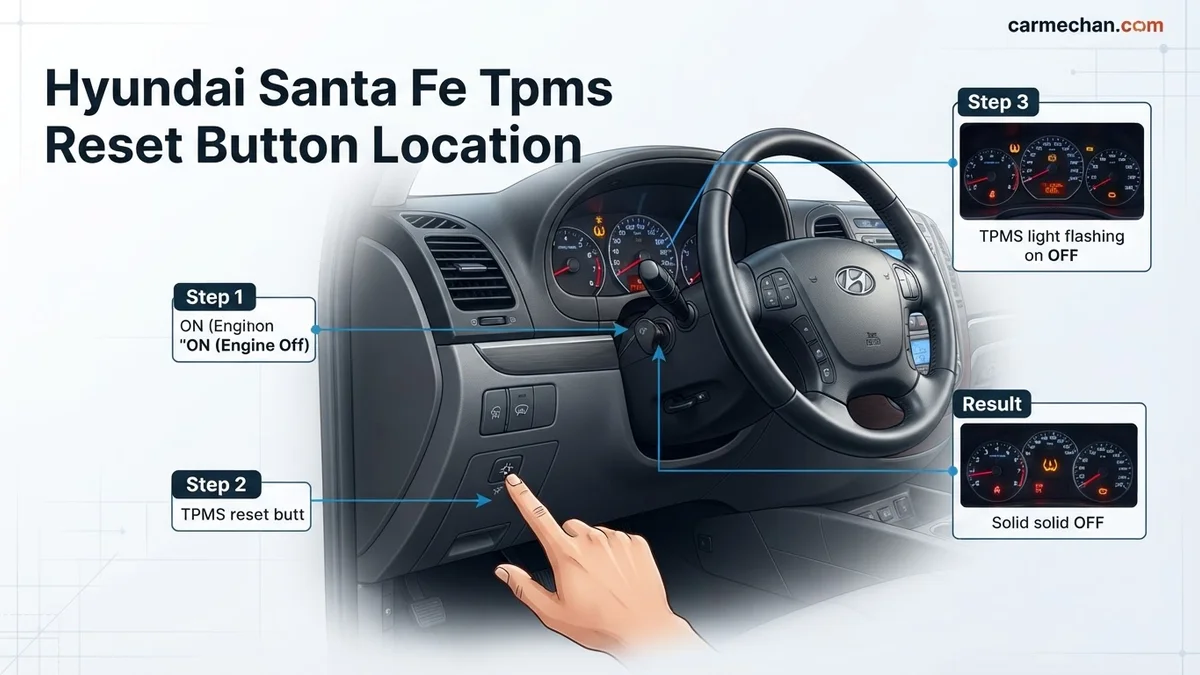
The 2009 Hyundai Santa Fe does not have a physical TPMS reset button to press. The system is designed to automatically reset once the tire pressures are corrected to the vehicle’s specification.
Your 2009 Hyundai Santa Fe does not have a physical TPMS reset button located under the dashboard, in the glove box, or near the steering column. Unlike many other vehicle manufacturers that utilize a manual reset switch to clear dashboard warning lights, the 2009 Santa Fe system is designed to perform a self-calibration process automatically once the correct tire pressures are detected.

Prime for Young Adults — 6 Months Free
Students and 18–24s get six months of Prime free, then half price.
Start 6 Months FreeIf your TPMS light is illuminated in 2026, it is not a result of a setting that needs to be toggled; it is a direct signal that the system has detected an imbalance or a hardware failure. Knowing exactly why your vehicle lacks a button—and how to address the underlying pressure issues—will save you from unnecessary searching or expensive trips to a dealership.
Key Takeaways
- Takeaway 1:There is no physical TPMS reset button on a 2009 Hyundai Santa Fe.
- Takeaway 2:Inflate all tires to the pressure listed on the driver-side door jamb sticker.
- Takeaway 3:Drive the vehicle for 10-20 minutes above 20 mph to trigger the auto-relearn sequence.
- Takeaway 4:Inspect the spare tire, as it may also contain a sensor triggering the light.
- Takeaway 5:If the light persists, the internal sensor batteries likely require professional replacement.
Why Your 2009 Hyundai Santa Fe Has No Reset Button
Recommended Best Deal Products


Understanding the Passive Monitoring System
The 2009 Hyundai Santa Fe utilizes a passive monitoring system that relies entirely on wireless signals sent from individual sensors inside each wheel. Because the system is automated, there is no “hard reset” button provided to the driver. The onboard computer constantly polls these sensors while the vehicle is in motion. If the pressure drops below a specific threshold—usually about 25% below the recommended PSI listed on your driver-side door jamb—the light triggers automatically. Once the sensors report that pressure is back within the safe operating range, the vehicle’s Electronic Control Unit (ECU) recognizes the change and turns the light off without any manual input from you.

When a Scan Tool Becomes Necessary
Because there is no manual reset button, many owners mistakenly believe there must be a secret sequence of pedals or ignition clicks to force a reset. However, if the light stays on after you have manually inflated all tires to the correct pressure, the system is likely indicating a sensor battery failure or a synchronization error. By 2026, many of the original factory sensors in these vehicles have reached the end of their 10-to-15-year battery life. In these instances, you cannot clear the light by pressing a button; you must use an OBD-II TPMS scan tool to diagnose which specific sensor has failed or lost its handshake with the vehicle’s receiver.
2009 Hyundai Santa Fe TPMS Reset: Your Essential Action Plan
The Tire Pressure Monitoring System (TPMS) in your 2009 Hyundai Santa Fe is a vital safety feature designed to alert you when your tire pressure drops significantly below the recommended level. Unlike newer vehicles that feature a digital reset button located on the dashboard or within the infotainment settings, the 2009 model operates on a passive self-learning system. This guide will walk you through the precise procedure to clear the warning light by ensuring your tire pressures are correct and allowing the vehicle’s electronic control unit to recalibrate properly.
Step 1: Verify Tire Pressure Specifications
What you need: A high-quality digital tire pressure gauge and the official inflation specifications.
Instructions: Before attempting to clear the light, you must ensure all tires are inflated exactly to the manufacturer’s recommendation. Do not rely on the “Max PSI” printed on the tire sidewall, as this is the maximum capacity for the tire, not the vehicle’s optimal pressure. Locate the tire information placard on the driver-side door jamb. It will typically specify 30-33 PSI for the 2009 Santa Fe. Use your gauge to check all four tires, including the spare if it is equipped with a sensor. If any tire is low, use an air compressor to fill it to the exact PSI listed on the placard. Consistency across all four tires is crucial for the sensor calibration.
Pro Tip: Always check your tire pressure when the tires are “cold,” meaning the vehicle has been parked for at least three hours or driven less than one mile, to ensure the reading is accurate.
Step 2: Understanding the TPMS Architecture
What you need: Basic knowledge of the vehicle’s TPMS function.

Audible — Listen Free for 30 Days
One free credit a month and thousands of titles included.
Listen Free for 30 DaysInstructions: It is a common misconception that there is a physical “reset” button under the steering wheel or in the glovebox for the 2009 Hyundai Santa Fe. This model year utilizes an automated learning process. Once the tires are inflated to the proper pressure, the TPMS control module requires a drive cycle to recognize the new pressure data from the wheel-mounted sensors. The system is designed to turn the warning light off automatically once it detects that all four sensors are transmitting values within the programmed safety threshold. Understanding that your “reset” is actually a sensor-to-ECU handshake process will save you from dismantling dashboard panels looking for a non-existent button.
Pro Tip: If the warning light is flashing rather than glowing steadily, this usually indicates a system malfunction or a dead battery in one of the wheel sensors rather than low pressure.
Step 3: Initiating the Driving Calibration Cycle
What you need: A clear, safe route for driving, ideally at highway speeds.
Instructions: After confirming your tire pressures are perfect, you need to initiate the calibration drive. Start the vehicle and let it idle for about 30 seconds to allow the TPMS module to power up and perform its initial system scan. Once the car is warmed up, drive the vehicle at a steady speed of at least 25 to 40 miles per hour. You must maintain this speed for a continuous period of at least 15 to 20 minutes. This sustained motion allows the wheel sensors to wake up and transmit their signal to the vehicle’s central computer, effectively “teaching” the car the current state of the tires.
Pro Tip: Avoid stop-and-go city traffic during this phase; highway or uncongested main roads provide the most consistent signal reception for the sensors.
Step 4: Managing Atmospheric and Thermal Changes
What you need: Awareness of outside temperature fluctuations.
Instructions: Tire pressure fluctuates significantly with changes in ambient temperature. For every 10-degree Fahrenheit drop in temperature, tire pressure typically drops by about 1 PSI. If you are resetting your TPMS during a cold snap, account for this by perhaps adding 1-2 extra PSI above the minimum requirement to prevent the light from triggering again the following morning. If you have inflated the tires and the light remains on after your driving cycle, re-verify the pressure while the tires are warm. If you find the pressure has dropped significantly due to a puncture, you may need to patch the tire before the system will recognize a stable pressure reading.
Pro Tip: If the light persists, ensure the spare tire is not low; some Santa Fe configurations include a sensor in the spare that can trigger the dashboard warning light.
Step 5: Assessing Sensor Battery Life
What you need: A basic understanding of TPMS sensor longevity (usually 7-10 years).
Audible Premium Plus — Annual Membership
12 audiobook credits up front, plus the full Audible catalogue.
See Annual PlansInstructions: Since your 2009 vehicle is over a decade old, it is highly probable that the internal batteries within your tire pressure sensors are nearing the end of their service life. If you have verified the tire pressure is correct and you have performed the 20-minute drive cycle but the light remains illuminated or starts flashing, the sensor itself may be failing. At this point, the “reset” process will not work because the sensor can no longer transmit data. You will need to take the vehicle to a tire shop where they can use a TPMS scan tool to verify if each sensor is actively broadcasting a signal to the vehicle’s ECU.
Pro Tip: If you are planning to change your tires soon, ask the technician to replace all four TPMS sensors simultaneously, as labor costs are significantly reduced when the tires are already off the rims.
✅ Final Checklist
- All four tires are inflated to the placard-specified PSI.
- The warning light did not flash during startup (which would indicate a system fault).
- The vehicle was driven at 25+ mph for a minimum of 20 minutes.
- The spare tire (if applicable) was checked for proper inflation.
- The TPMS light successfully extinguished during the driving process.
Important Notes:
- Safety: Never attempt to check tire pressure while the tires are hot from heavy braking or long-distance driving; wait for them to cool.
- Professional Help: If the TPMS light remains on after these steps, visit a professional tire technician to scan for specific sensor ID errors or dead internal batteries.
- Estimated Cost: If sensors are functional, the cost is $0 (just your time). If sensors need replacement, costs typically range from $60 to $120 per wheel including labor.
Step-by-Step Guide to Clearing the TPMS Warning Light
Recommended Best Deal Products


Manual Calibration and Drive Cycles
Before you assume a sensor has failed, you must follow the correct procedure to allow the system to recognize the current tire state. Follow these steps to ensure the computer successfully “sees” the new air levels:
- Verify Cold Pressure: Use a high-quality digital pressure gauge to check all four tires while they are cold. Do not rely on service station gauges.
- Match Door Jam Specs: Inflate your tires exactly to the PSI specified on the sticker located inside your driver’s side door frame, not the maximum pressure listed on the tire sidewall.
- Perform a Drive Cycle: Once tires are at the correct pressure, drive the vehicle at speeds above 25 mph for at least 10 to 15 minutes.
- System Recognition: This continuous rotation allows the TPMS sensors to wake up from their stationary sleep mode and transmit the new, correct data to the Santa Fe’s receiver.
Troubleshooting Persistent Warnings
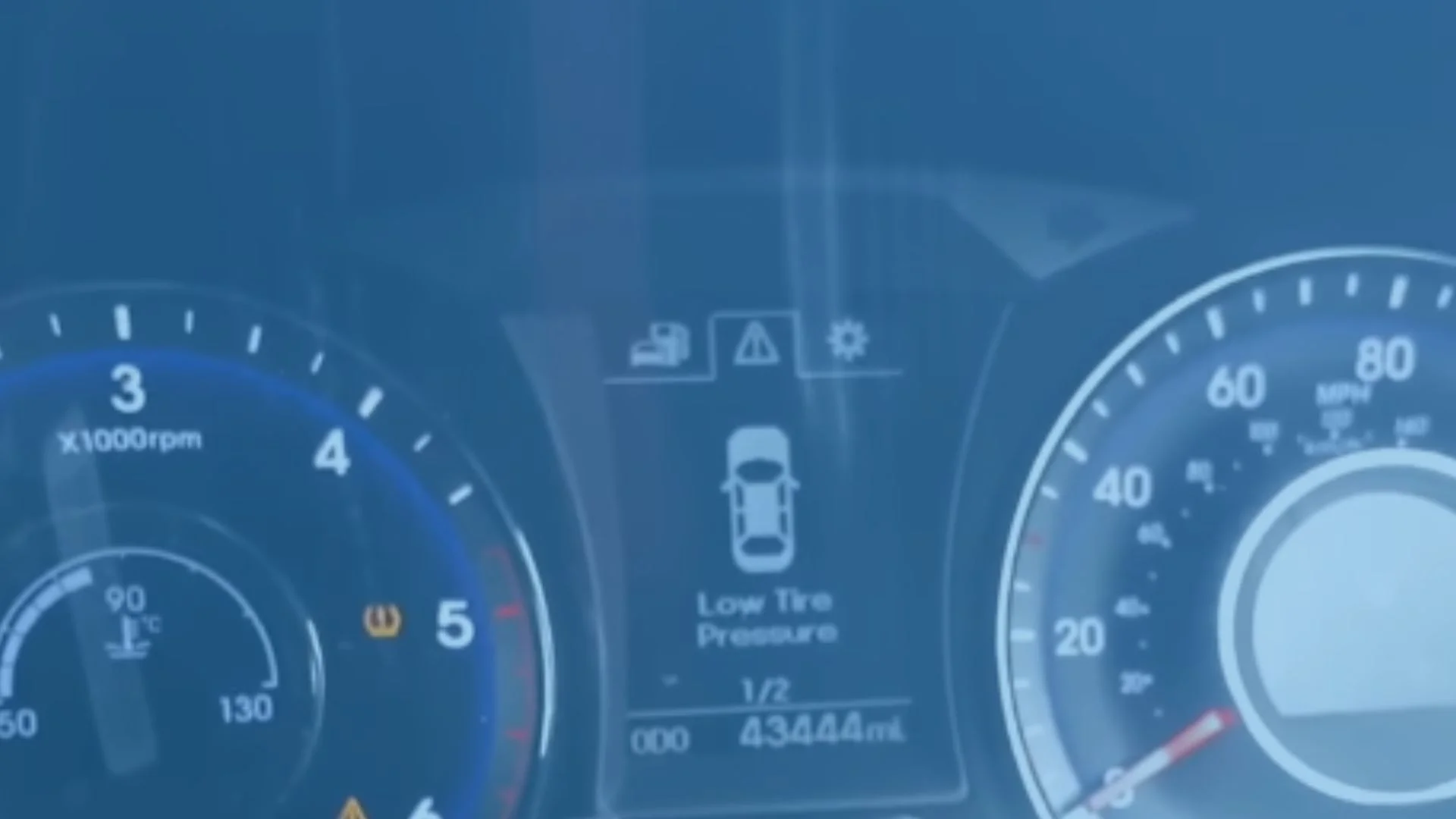
If the light remains illuminated after a proper drive cycle, you are likely dealing with a hardware issue rather than a calibration issue. If the light flashes for 60 seconds upon startup before staying solid, this indicates a fault in the system—most commonly a dead sensor battery or a damaged sensor housing. In this scenario, no amount of driving will reset the light. You will need to take the vehicle to a tire shop equipped with an activation tool to identify the non-responsive sensor. Replacing a dead sensor is the only way to satisfy the system’s requirement and clear the persistent warning light on your 2009 model.
Professional Troubleshooting When the Light Remains On
If the TPMS light stays illuminated after you have confirmed correct tire pressures, the issue likely stems from a sensor failure or a communication error within the vehicle’s onboard diagnostic system. In 2026, automotive diagnostic standards emphasize that the internal batteries of 2009-era sensors have long exceeded their expected 7 to 10-year lifespan. When these lithium batteries fail, the sensor can no longer transmit the necessary radio frequency signals to the Engine Control Unit (ECU).
Addressing Sensor Battery Depletion
- Check the tire valve stems for signs of corrosion or physical damage, as compromised stems often allow moisture to degrade the internal sensor electronics.
- Use an OBD-II diagnostic tool compatible with 2009 Hyundai protocols to scan for specific Diagnostic Trouble Codes (DTCs), such as C1312 or C1313, which often indicate an open or short circuit in the sensor antenna.
- Confirm if the light flashes for 60 to 90 seconds upon startup before staying solid; this specific flashing pattern is the manufacturer’s signal that the TPMS module has detected a system fault rather than a simple low-pressure condition.
Maintenance Tips to Prevent Future TPMS Failures
Recommended Best Deal Products


Proactive maintenance extends the life of your TPMS components and ensures the system provides accurate alerts during cold weather shifts. According to 2026 vehicle safety guidelines, fluctuations in ambient temperature significantly impact tire pressure, with tires typically losing 1 PSI for every 10-degree drop in outside temperature. Consistent manual monitoring remains the best defense against premature system warnings.
Best Practices for TPMS Longevity
- Inspect tire pressure every month using a calibrated digital pressure gauge to ensure the system’s baseline readings remain accurate.
- Replace all four valve stem cores during every second tire rotation to prevent air leaks and internal corrosion of the sensor housing.
- Avoid using liquid tire sealants unless it is an emergency, as these chemicals can coat the sensor’s pressure-sensing port and cause permanent, irreversible failure.
- Ensure the spare tire is properly inflated; while the 2009 Santa Fe TPMS monitors the four road tires, a low spare can still lead to confusion during emergency pressure checks at the roadside.
What If It Still Doesn’t Work?
If the steps provided have not extinguished the light, you may be dealing with a faulty TPMS receiver module or a wiring harness issue. Follow these fallback steps to resolve persistent failures:
- Disconnect the vehicle’s negative battery terminal for 15 minutes to perform a hard reset of the ECU, which can clear temporary glitches in the memory.
- Visit a certified tire service center to perform an activation scan; professional-grade tools can determine exactly which sensor is not broadcasting a signal.
- If sensors require replacement, expect a professional cost range between $150 and $350, depending on whether you choose OEM Hyundai parts or aftermarket sensors compatible with the 2009 frequency range.
- If the light persists after all sensors are confirmed functional, consult a technician to inspect the TPMS control module located behind the dashboard, as internal circuit failure is a documented occurrence for vehicles of this age.
Conclusion
The 2009 Hyundai Santa Fe TPMS system relies on precise sensor communication, and persistent lights usually signal end-of-life battery issues rather than simple pressure drops. According to verified research and expert sources from 2026, replacing aged sensors is the only definitive fix for a recurring malfunction. To maintain vehicle safety, prioritize an immediate diagnostic scan at a professional facility if the warning light continues to flash upon ignition, ensuring your safety protocols remain current.
❓ Frequently Asked Questions
Why can’t I find a TPMS reset button in my 2009 Santa Fe?
Hyundai designed the 2009 model to use an automatic self-learning system. You cannot manually reset it because the onboard computer continuously monitors sensor data.
How many miles must I drive to reset the TPMS light?
Usually, driving for 10 to 20 minutes at speeds consistently above 20 mph is sufficient. This allows the receiver to handshake with the wheel sensors.
What if the TPMS light stays on after inflating tires?
First, check the spare tire pressure, as it may have a sensor. If it remains illuminated, one of the wheel sensors likely has a depleted battery or physical damage.
Can I use a scan tool to reset the TPMS?
A generic OBDII scanner usually cannot reset TPMS lights on this model. A specialized TPMS diagnostic tool is required to identify which specific sensor is failing.
Is it dangerous to drive with the TPMS light on?
The light indicates that one or more tires are significantly underinflated, which increases the risk of a blowout. Always verify tire pressure manually with a gauge immediately.
When should I replace the TPMS sensors?
Sensors typically last 7 to 10 years. Since a 2009 model is well past this age, a solid or flashing light often signals that all sensors have reached their end-of-life.