Hyundai Sonata TPMS Reset Guide for Tire Pressure Light
Last Updated on June 24, 2026 by Albert Duke
A Hyundai Sonata TPMS reset usually means correcting tire pressure first, not just pressing a hidden button. TPMS means Tire Pressure Monitoring System, and its job is to warn you when one or more tires may be underinflated.
For most Sonata owners, the right reset path is simple: check all tires cold, inflate them to the driver door placard pressure, then drive long enough for the system to update. Some Hyundai systems also support a cluster menu reset, but a blinking TPMS light usually means the system needs diagnosis.
The first step is knowing what the TPMS light is trying to tell you.
What Hyundai Sonata TPMS Light Means


The Hyundai Sonata TPMS light has two main meanings, and the reset path depends on which one you see. A steady warning usually points to low tire pressure, while a blinking warning often points to a system fault.
Hyundai owner manual guidance says the TPMS malfunction indicator can blink for about one minute before staying on when the system has a problem. It also says individual tire pressure readings may not be available when the TPMS has a malfunction, which is a strong sign that this is not a basic reset issue.
Solid Tire Pressure Light
A solid tire pressure light usually means one or more tires are below the pressure threshold the car expects. This can happen after a cold night, a slow leak, a tire rotation, or a recent air fill that did not reach the correct pressure.
Use the driver door placard as your pressure target. The number on the tire sidewall is not the recommended driving pressure for your Sonata.
Blinking TPMS Warning Light
A blinking TPMS light means the Sonata may not be receiving a valid signal from one or more sensors. Hyundai documentation says the TPMS malfunction indicator can blink for about one minute, then stay on when a system problem exists.
If this happens, do not keep resetting the light. Check tire pressure first, then plan for TPMS diagnosis if the blinking pattern returns.
Individual Tire Display
Newer Sonata models may show individual tire pressure readings in the cluster. Hyundai USA lists an individual tire indicator as standard equipment on the 2026 Sonata SE, so many newer owners can use the display to find the low tire quickly.
Once you know the warning type, the next step is choosing the correct reset path.
How To Reset Hyundai Sonata TPMS Correctly


The safest Hyundai Sonata TPMS reset method is to correct all tire pressures before touching any menu or reset control. This avoids clearing a warning while a tire is still low.

- Park the Sonata safely and let the tires cool. Cold tire pressure gives the most accurate reading because driving heats the tire and raises pressure.
- Open the driver door and find the tire information placard. Use that PSI value, not the tire sidewall maximum.
- Check all four tires with a reliable gauge. If you need help choosing one, Car Mechan has a guide to the best tire pressure gauge for home tire checks.
- Inflate each tire to the placard pressure. If one tire is much lower than the others, inspect it for a nail, sidewall damage, or leaking valve stem.
- Start the car and check the cluster tire pressure screen if your Sonata has one. The readings may not update instantly.
- Drive normally for several minutes so the sensors can update. Some systems need a short drive cycle before the light turns off.
- If your Sonata has a Tire Pressure menu, follow the on-screen reset path. Hyundai owner manual content for some systems says to adjust all tire pressures, select Tire Pressure, hold OK, then select Set.
Do not guess a PSI number from another Sonata online. Tire pressure can change by wheel size, tire type, trim, and load rating, so the door placard remains the safest reference.
If the light does not clear after this process, the reason usually falls into one of a few common branches.
Why Hyundai Sonata TPMS Light Stays On



If the Sonata tire pressure light stays on, the car is usually waiting for corrected pressure, drive time, or sensor recognition. Use the branches below before replacing parts.
Pressure Is Still Low
If one tire is still below the placard pressure, the TPMS light may stay on. This is common when the owner fills only the tire shown on the display but does not check all four tires.
If you are unsure how much air a tire should have, use the Sonata door placard first and compare it with our guide on how much air should a tire have for a broader tire pressure explanation.
Tires Were Checked Warm
If you checked the tires after driving, the readings may look higher than they are when cold. A tire that looks correct warm can drop below the expected range later.
Check again before the first drive of the day. If the cold pressure is low, add air and repeat the drive cycle.
Drive Time Was Too Short
If you corrected the pressure and parked immediately, the system may not have had enough time to update. Owner reports often describe the light clearing only after inflating to the door placard pressure and driving for a while.
If the warning is solid and tire pressure is correct, drive normally and recheck the display. Do not ignore a tire that keeps losing pressure.
Sensor Signal Is Missing
If the TPMS light blinks before staying on, one sensor may not be communicating. Hyundai owner manual guidance says this malfunction pattern needs inspection.
A missing signal can come from a dead sensor battery, damaged sensor, radio interference, or an incorrect sensor after tire service.
Tire Work Changed Sensors
If the light came on after new tires, wheel replacement, or tire rotation, the Sonata may need a relearn or sensor check. TPMS tool maker Bartec explains that TPMS relearns fall into stationary, OBD, and auto learn categories.
These branches also explain why many owners cannot find a simple reset button.
Where Hyundai Sonata TPMS Reset Button Is
The Hyundai Sonata TPMS reset button location depends on the model year, and some Sonatas may not use a separate physical button at all. This is why generic Hyundai reset advice can be confusing.
Some dealer guides say the reset button may sit under the steering wheel or near the lower dash. That may apply to some Hyundai models, but it should not be treated as a confirmed Sonata rule for every year.
Newer Hyundai systems may use steering wheel controls and a cluster menu instead. Hyundai owner manual content shows a Tire Pressure menu reset path on some systems, which is different from holding a hidden button.
| If Your Sonata Has | What To Do |
|---|---|
| Physical TPMS reset button | Set tire pressure first, then follow the owner manual button procedure |
| Tire Pressure cluster menu | Use steering wheel controls and the cluster reset path if equipped |
| No button and no reset menu | Correct pressure and drive so the system can auto update |
| Blinking TPMS light | Stop chasing the button and diagnose the sensor system |
If your Sonata has no obvious reset button, the dashboard menu and driving relearn path matter more.
When Hyundai Sonata Needs TPMS Service
A Hyundai Sonata needs TPMS service when the system cannot detect or trust one or more sensor signals. A basic reset cannot fix a dead sensor battery, a damaged valve stem sensor, or an unprogrammed replacement sensor.
Get TPMS diagnosis if you notice these warning signs:
- The TPMS light blinks for about one minute, then stays on.
- The individual tire pressure display disappears or shows no reading.
- The light returns soon after all tires are correctly inflated.
- One tire position does not read after tire replacement.
- The light started after a wheel, sensor, or tire shop service.
- A tire keeps losing air after repeated inflation.
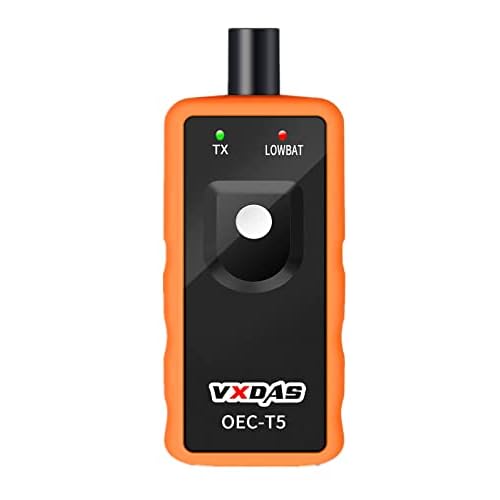
A tire shop can use a TPMS scan tool to activate sensors, check sensor IDs, and perform a relearn when needed. Bartec describes TPMS tools as devices that activate and detect sensors and communicate with the vehicle computer during service.
Before paying for service, you can still do a few safe checks at home.
What To Check Before Visiting A Shop
Before you book a TPMS diagnosis, rule out the simple problems that make the Sonata warning light stay on. These checks can save a trip if the issue is low pressure or a slow leak.
Use this quick checklist:
- Check all four tires cold with a quality pressure gauge.
- Inflate to the driver door placard PSI.
- Inspect tread for nails, screws, or cuts.
- Listen for air leaking near the valve stem.
- Spray soapy water on the valve stem if you suspect a leak.
- Confirm the tire shop installed TPMS-compatible valve stems or sensors.
- Check whether any aftermarket wheel or sensor was recently installed.
If your Sonata repeatedly loses pressure, treat that as a tire or valve issue first. If the pressure stays correct but the TPMS warning remains, the sensor system becomes the next likely cause.
After those checks, the right answer becomes much easier to choose.
Quick Hyundai Sonata TPMS Decision Guide
Use this quick guide when you know what the Sonata TPMS light is doing but do not know the next step. Match the symptom first, then follow the action path.
Hyundai Sonata TPMS Reset Decision Guide
Match the warning behavior first. Then follow the safest next step before replacing sensors or booking service.
Solid Tire Pressure Light
Most likely cause: one or more tires are below the door placard pressure.
Do this first: Check all four tires cold and inflate to the driver door placard PSI.
Get service if: One tire keeps losing air after repeated inflation.
Light Stays On After Adding Air
Most likely cause: pressure was checked warm, one tire is still low, or the system has not updated.
Do this first: Recheck cold pressure and drive normally so the system can relearn.
Get service if: Pressure is correct but the warning stays on.
Light After Tire Rotation
Most likely cause: the system needs time to recognize sensor positions or update readings.
Do this first: Drive and check whether each tire pressure position updates in the cluster.
Get service if: One tire position does not read correctly.
Light After New Tires
Most likely cause: a sensor was damaged, not recognized, or not programmed correctly.
Do this first: Ask the tire shop to scan each TPMS sensor and confirm sensor IDs.
Get service if: The warning blinks before staying solid.
Blinking Then Solid Light
Most likely cause: TPMS malfunction or missing sensor signal.
Do this first: Confirm tire pressure is safe before driving farther.
Get service if: The blinking pattern returns after pressure is corrected.
No Individual Pressure Display
Most likely cause: the system cannot read one or more sensor signals.
Do this first: Restart the car, drive briefly, and recheck the tire pressure screen.
Get service if: Readings stay unavailable or the TPMS light blinks.
| Sonata TPMS Symptom | Most Likely Cause | What To Do First | When To Get Service |
|---|---|---|---|
| Solid tire pressure light | One or more tires low | Check all tires cold and inflate to door placard PSI | If one tire keeps losing air |
| Light stays on after adding air | Pressure still low or system not updated | Recheck cold pressure and drive normally | If pressure is correct but warning remains |
| Light appears after cold weather | Tire pressure dropped with temperature | Inflate cold tires to placard PSI | If the warning returns repeatedly |
| Light appears after tire rotation | Sensor position or relearn issue | Drive and check cluster readings | If one position does not read |
| Light appears after new tires | Sensor damaged or not programmed | Ask tire shop to scan sensors | If blinking warning appears |
| Blinking then solid TPMS light | TPMS malfunction | Check pressure, then diagnose sensors | As soon as practical |
| No individual pressure display | System cannot read sensor data | Restart and recheck after driving | If readings stay unavailable |
With the decision path clear, the final takeaway is simple.
Best Next Step For Sonata Owners
For most owners, the best Hyundai Sonata TPMS reset starts with tire pressure, not parts replacement. Check all tires cold, use the driver door placard PSI, then drive long enough for the system to update.
If your Sonata has a Tire Pressure menu, use it only after the pressures are correct. A reset with low tires defeats the purpose of TPMS and can leave you driving on unsafe pressure.
If the TPMS light blinks before staying on, treat it as a system fault. At that point, the smart next step is sensor diagnosis, not another reset attempt.
5 Common Hyundai Sonata TPMS Reset Questions
How Do I Reset The TPMS Light On A Hyundai Sonata
Set all four tires to the driver door placard pressure first, then drive normally so the system can update. If your Sonata has a Tire Pressure menu, follow the cluster reset path after correcting pressure.
Where Is The Hyundai Sonata TPMS Reset Button
Some Sonata years may have a physical reset button, but others rely on the cluster menu or automatic relearn after driving. Check the owner manual before assuming there is a button under the steering wheel.
Why Is My Hyundai Sonata Tire Pressure Light Still On After Adding Air
The light may stay on because one tire is still low, the tires were checked warm, or the system has not updated yet. If the light blinks before staying on, suspect a TPMS sensor or system fault.
What Does A Blinking TPMS Light Mean On A Hyundai Sonata
A blinking TPMS light usually means the system has detected a malfunction, not just low pressure. Hyundai manual guidance says the malfunction indicator can blink for about one minute before remaining illuminated.
Can I Drive My Hyundai Sonata With The TPMS Light On
You can drive briefly to reach a safe place to check tire pressure, but do not ignore the warning. Low tire pressure can affect handling, braking, tire wear, and heat buildup, so check the tires as soon as possible.